Whether Allergies Make a Bloodhound’s Folds Worse
If you're a Bloodhound owner, you know the struggle: those beautiful, majestic folds are often a magnet for moisture, dirt, and all sorts of skin issues. It's frustrating to constantly be cleaning and checking, only to find new redness or an unpleasant odor. And when your hound starts scratching or rubbing their face more than usual, it often leaves you wondering if allergies are making those already vulnerable skin folds even worse, turning a minor irritation into a full-blown infection. This guide is here to shed light on how allergies impact a Bloodhound's skin folds and what you can do about it.
The Interplay Between Allergies and Bloodhound Folds
Let's face it, Bloodhounds are built for scent work, and part of that incredible design includes all that loose skin, those deep wrinkles, and long, pendulous ears. While these features are fantastic for sweeping scent particles towards their powerful nose, they also create a perfect storm for skin problems. Think about it: warm, moist environments are an open invitation for bacteria and yeast to thrive. These areas are prone to a condition known as Skin Fold Dermatitis on a Bloodhound.
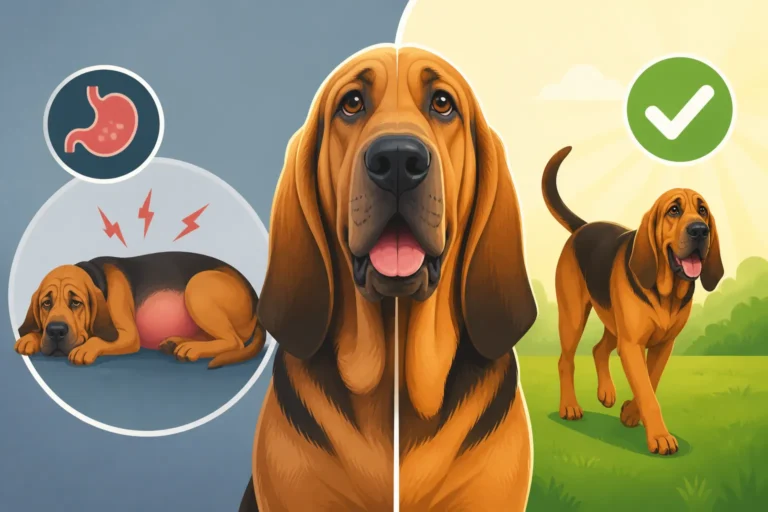
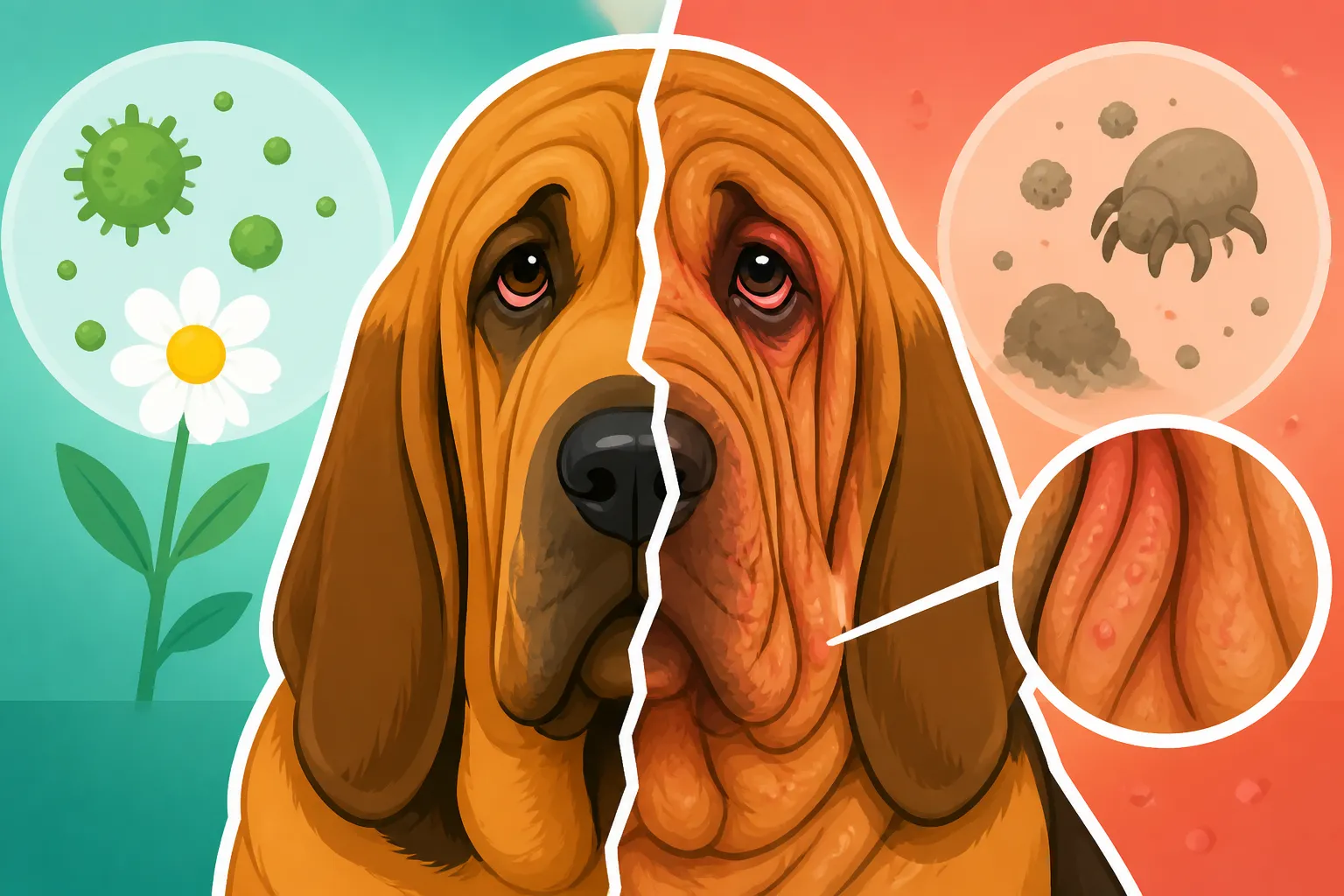
When you add allergies to this already challenging equation, things can quickly escalate. Allergies, whether they're environmental (like pollen, dust mites, or molds) or food-related, primarily manifest in dogs as skin irritation. Unlike humans who might sneeze or get watery eyes, dogs often get itchy skin. This itchiness leads to scratching, rubbing, and licking, which further damages the skin barrier. In a Bloodhound, this means their already susceptible skin folds become even more inflamed and irritated. The constant moisture from licking, combined with the compromised skin, creates an even more welcoming environment for secondary infections, making those folds a chronic hotspot for problems.
How Allergies Compromise the Skin Barrier
Imagine your Bloodhound's skin as a protective wall. In a healthy dog, this wall is strong, keeping irritants out and moisture in. When a Bloodhound has allergies, their immune system overreacts to otherwise harmless substances. This immune response isn't just about the itch; it actually weakens that protective skin barrier. The cells in the skin become inflamed, making it easier for allergens to penetrate deeper and for moisture to evaporate, leading to dry, flaky, and even more itchy skin.
When this weakened skin barrier exists within the deep crevices of a Bloodhound's folds, the problem is magnified. These areas naturally have less airflow and tend to retain more moisture, making them hotbeds for irritation. An allergic reaction means the skin is already compromised before any external factors even come into play. It’s like trying to protect a fortress with a crumbling wall – any minor assault becomes a major threat. So, yes, allergies absolutely make a Bloodhound's folds worse because they fundamentally undermine the skin's natural defenses and amplify the perfect breeding ground for infection.
Common Allergens Affecting Bloodhounds
Just like people, Bloodhounds can be allergic to a variety of things, and identifying the specific culprit can feel like detective work. However, the most common categories include environmental and food allergies.
Environmental allergies, often called atopy, are extremely prevalent. These include things like:
- Pollen: From trees, grasses, and weeds, fluctuating seasonally. Your hound might be fine in winter but start getting itchy when spring rolls around.
- Dust Mites: Tiny critters that live in your home, bedding, carpets, and upholstery. These can cause year-round issues, often worsening indoors.
- Molds: Found both indoors and outdoors, especially in damp environments.
Food allergies are less common than environmental allergies but can be particularly frustrating to pinpoint. They typically involve a reaction to a protein source in their diet, such as:
- Chicken
- Beef
- Dairy
- Wheat
- Soy
It's important to understand that a food allergy is different from a food intolerance. An allergy involves an immune response, while an intolerance is a digestive issue. Both can cause skin problems, but the underlying mechanism is different. If you suspect food allergies, your vet might recommend a strict elimination diet, which involves feeding a novel protein or hydrolyzed protein diet for several weeks to see if symptoms improve. This process requires incredible discipline and patience, but it's often the most reliable way to identify a dietary trigger.
Spotting the Signs: Allergic Reactions in Skin Folds
It can be tough to distinguish between general fold irritation and an allergic reaction, especially because allergies often lead to irritation and secondary infections in the folds. However, there are some key indicators that suggest allergies are playing a role in your Bloodhound's fold woes. Understanding What Fold Dermatitis Does to a Bloodhound is the first step, and then recognizing the allergic component is the next.
One of the first things you might notice is an increase in overall itchiness beyond just the folds. If your Bloodhound is constantly scratching their ears, rubbing their face on furniture, licking their paws, or even scooting, these are all classic signs of systemic allergic itch. When this general itchiness is present, it's highly probable that the skin in their folds is also reacting to the same allergens, perhaps even more severely due to the inherent vulnerability of these areas.
Specific Symptoms Within the Folds
When allergies are specifically aggravating the folds, you'll see certain tell-tale signs. These can range from mild annoyance to severe discomfort and pain for your dog:
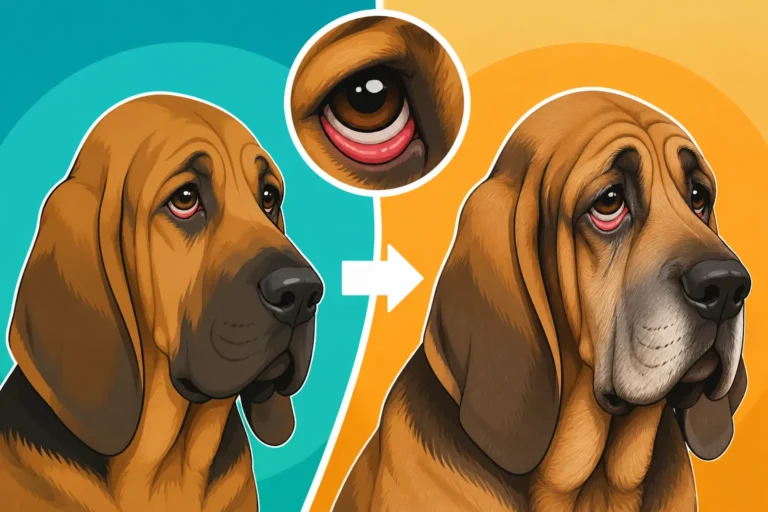
- Intense Redness and Inflammation: The skin within the folds will appear much redder and more inflamed than usual. This isn't just a faint pink; it will be a deep, angry red.
- Persistent Itching and Rubbing: Your Bloodhound will likely try to relieve the itch by rubbing their face on carpets, furniture, or even pawing at their folds. This repetitive trauma only worsens the irritation.
- Moisture and Discharge: The natural dampness in the folds will be exacerbated. You might notice clear, yellowish, or even bloody discharge seeping from the skin. This is often a sign of secondary bacterial or yeast infections taking hold.
- Foul Odor: A strong, yeasty or pungent smell often accompanies inflammation and infection in the folds. This distinct odor is a common indicator of a problem, even before you see it. Many Bloodhound owners know Whether a Bloodhound Carries an Odor From Its Folds even when healthy, but an increase in this odor is a red flag.
- Hair Loss and Thickened Skin: Chronic inflammation and rubbing can lead to localized hair loss in and around the folds. Over time, the skin itself may become thickened, leathery, and even hyperpigmented (darker).
- Pustules or Sores: In severe cases, particularly with bacterial infections, you might see small pustules or open sores developing within the folds, which can be quite painful.
It's easy to dismiss some of these as "just Bloodhound things," but when they intensify or are accompanied by broader allergic signs, it's crucial to investigate further. Ignoring these symptoms can lead to deeper, more painful skin infections and considerable distress for your beloved hound.
Distinguishing Allergy-Driven Irritation from General Dampness
So, how do you tell if it’s "just" dampness causing fold dermatitis, or if allergies are truly making things worse? It’s a good question, and often, it’s a combination of both. Here’s a quick guide:
| Symptom / Cause | General Dampness/Irritation (No Allergies) | Allergy-Driven Irritation (Underlying Allergies) |
|---|---|---|
| Itchiness | Localized to folds, mild to moderate, improves with cleaning/drying. | More intense, often widespread (paws, ears, belly), persistent even with meticulous fold care. |
| Redness | Present, but often confined to the fold, may resolve with proper cleaning. | Often more severe, deeper red, can extend beyond the immediate fold area if skin is broadly inflamed. |
| Odor | Mild to moderate, yeasty smell; improves quickly with regular cleaning. | Stronger, more pungent, yeasty/rancid smell; recurs quickly even after thorough cleaning. |
| Discharge | Mild clear/brownish buildup, easily wiped away. | Can be heavier, yellow, green, or even bloody; indicates deeper infection due to compromised skin barrier. |
| Frequency | Occasional flare-ups, manageable with consistent hygiene. | Chronic, recurring issues, difficult to fully resolve despite diligent cleaning, often seasonal or year-round. |
| Other Symptoms | Typically none beyond the folds. | Often accompanied by ear infections, paw licking, anal gland issues, sneezing, or watery eyes. |
| Response to Care | Responds well to regular cleaning, drying, and topical treatments. | May improve slightly with topical care but symptoms quickly return or worsen, requiring systemic medication. |
The key takeaway is persistence and widespread symptoms. If you're diligently cleaning your Bloodhound's folds, perhaps even multiple times a day as discussed in How Often a Bloodhound's Folds Need Wiping, and you're still battling redness, discharge, and that tell-tale odor, or if your hound is itching elsewhere on their body, allergies are a very strong suspect.
Managing Allergy-Aggravated Folds
When allergies are at play, managing your Bloodhound's skin folds becomes a multi-faceted task. It's not just about keeping the folds clean anymore; it's about addressing the underlying allergic response while simultaneously treating any secondary infections that have taken root. This often requires a close partnership with your veterinarian, and potentially a veterinary dermatologist, to develop a comprehensive plan.
The frustration of constantly battling infections and discomfort for your dog is real, and it can feel like you're just putting out fires instead of preventing them. But with the right approach, you can significantly improve your Bloodhound's quality of life.
Veterinary Diagnosis and Treatment
Your vet will likely start with a thorough physical examination and discuss your Bloodhound's history, including when the symptoms started, how often they occur, and what, if anything, makes them better or worse. For the folds specifically, they will probably perform:
- Cytology: This involves gently pressing a microscope slide onto the affected skin or using a cotton swab to collect discharge. The sample is then stained and examined under a microscope to identify the presence and type of bacteria and/or yeast. This is crucial for guiding the right topical or oral medication.
- Skin Scrapes: If there's suspicion of mites (though less common for fold-specific issues unless it's generalized), a skin scrape might be performed.
- Bacterial Culture and Sensitivity: If infections are recurrent or not responding to standard antibiotics, a culture might be taken. This sends a sample to a lab to grow the bacteria and test which antibiotics are most effective against it, ensuring you don't waste time and money on ineffective treatments. This is important to consider before putting your Bloodhound on Whether a Bloodhound's Fold Infection Needs Antibiotics that might not work.
Once secondary infections are under control, the focus shifts to diagnosing the specific allergies. This might involve:
- Elimination Diet Trials: For suspected food allergies, a strict, prescription hypoallergenic diet is typically recommended for 8-12 weeks. This means absolutely no other food, treats, or table scraps. Re-introducing old foods one by one can then help pinpoint the offending ingredient.
- Allergy Testing: For environmental allergies, your vet might recommend either a blood test (serum IgE testing) or an intradermal skin test (performed by a specialist). These tests help identify specific allergens, which can then guide treatment like allergen-specific immunotherapy (allergy shots or oral drops).
Treatment for allergies often involves a multi-modal approach:
- Anti-itch medications: These can include oral corticosteroids for short-term relief, antihistamines (though often less effective in dogs), cyclosporine, or newer targeted therapies like oclacitinib or lokivetmab.
- Topical therapies: Medicated wipes, shampoos, and creams can help manage local inflammation and infection in the folds.
- Allergen-Specific Immunotherapy (ASIT): If specific environmental allergens are identified, ASIT aims to desensitize your dog's immune system to those allergens over time, often providing long-term relief and reducing the need for other medications.
These diagnostic and treatment steps can certainly add up in terms of cost, and it's here that having robust pet insurance like Healthy Paws can truly make a difference, helping to cover unexpected vet visits, diagnostic tests, and ongoing medication for chronic conditions.
The Role of Consistent Fold Care
Even with allergy management, consistent and diligent fold care remains paramount for your Bloodhound. You can't skip this step, because those deep folds will always be prone to trapping moisture and debris, regardless of allergy status.
Here’s what you need to do:
- Daily Wiping: This is non-negotiable. Use soft, lint-free cloths or specialized pet wipes designed for skin folds. Gently pull the folds apart and wipe thoroughly, removing any moisture, food debris, or discharge. Pay particular attention to the facial folds, the lip folds, and any other areas where the skin meets.
- Drying: After wiping, ensure the folds are completely dry. A dry, clean fold is much less hospitable to yeast and bacteria. You can use a clean, dry cloth or even a hairdryer on a cool setting, holding it far enough away not to burn the skin.
- Medicated Wipes/Solutions: If your Bloodhound is prone to recurrent infections in their folds, your vet might prescribe medicated wipes or topical solutions containing ingredients like chlorhexidine or miconazole. These can be used proactively or during flare-ups to keep bacterial and yeast populations under control. Always follow your vet's instructions for frequency and application.
- Regular Baths: While daily fold care is targeted, regular bathing with a medicated or hypoallergenic shampoo can help manage overall skin health and reduce allergen buildup on the coat, indirectly benefiting the folds. Just be sure to thoroughly dry all folds after the bath.
Environmental and Dietary Management
Beyond direct medical intervention, adjusting your Bloodhound's environment and diet can significantly reduce their allergen exposure and alleviate symptoms:
- Dust Mite Control: If dust mites are a trigger, frequently wash your Bloodhound's bedding in hot water (at least 130°F or 54°C). Consider using dust mite covers on their bed and yours, and vacuum regularly with a HEPA filter. Air purifiers can also help reduce airborne allergens.
- Pollen Management: During high pollen seasons, limit outdoor activity during peak pollen times (often morning and late afternoon). Wipe down your Bloodhound’s coat and paws after outdoor excursions to remove pollen. Keep windows closed and use air conditioning to filter indoor air.
- Dietary Adjustments: For food allergies, strictly adhering to the prescribed hypoallergenic diet is key. Even a tiny bite of an offending food can trigger a reaction. Once identified, managing a food allergy means a lifelong commitment to the right diet. For environmental allergies, while diet isn't the primary solution, some omega fatty acid supplements can help support skin barrier health.
Remember, managing allergies in a Bloodhound is a marathon, not a sprint. There will be good days and bad days, and it often requires a combination of veterinary care, meticulous home care, and environmental controls. But with persistence and patience, you can help your Bloodhound live a much more comfortable life, free from the constant irritation and discomfort of allergy-aggravated skin folds. And having a good pet insurance policy, like one from Healthy Paws, can certainly ease the financial burden of all the regular vet visits, tests, and medications that often come with managing a chronically allergic hound.
Proactive Steps to Minimize Fold Complications
For Bloodhound owners, preventing issues before they become severe is always the goal, especially when dealing with the potential for allergies to exacerbate existing skin challenges. You want to make sure you're doing everything in your power to support your hound's health. Taking proactive measures can significantly reduce the frequency and severity of fold-related problems, regardless of whether allergies are a factor. If you want to ensure your Bloodhound's comfort and health, understanding that "prevention is better than cure" is crucial.
Regular Cleaning and Monitoring is Your Best Defense
We've talked about it before, but it bears repeating: consistent, meticulous fold care is your first and strongest line of defense. Think of it as part of your daily routine, just like feeding or walking. The more consistent you are, the less likely you are to encounter nasty surprises lurking in those deep wrinkles. You should be familiar with Wiping a Bloodhound's Folds Before They Sour.
Make it a habit to check all of your Bloodhound's folds daily. This includes the facial wrinkles, especially around the muzzle and under the eyes (the areas prone to Where a Bloodhound's Folds Sit), but don't forget the folds on their neck, chest, and even between their toes if they're particularly wrinkly. Look for any signs of redness, dampness, discharge, or an unusual odor. If you catch these issues early, you can often address them with a simple cleaning or a quick application of a vet-approved topical solution, preventing them from escalating into full-blown infections that require oral antibiotics.
Regularly cleaning the ears is also vital, as ear infections can often go hand-in-hand with skin allergies. Given that A Bloodhound's Ears Are a Standing Infection Risk, and the costs associated with treating them (as mentioned in What a Bloodhound's Ear Infection Costs to Treat), being proactive here can save a lot of pain and money.
Supporting Skin Health Through Nutrition and Supplements
A healthy diet provides the building blocks for healthy skin. Ensure your Bloodhound is on a high-quality, complete, and balanced dog food appropriate for their life stage and activity level. For Bloodhounds with sensitive skin or diagnosed allergies, your vet might recommend specific diets or supplements.
- Omega Fatty Acids: Supplements rich in Omega-3 and Omega-6 fatty acids (like fish oil) can significantly improve skin barrier function and reduce inflammation. These can be particularly beneficial for dogs with environmental allergies, as they help strengthen that compromised skin wall. Always consult your vet for the correct dosage.
- Probiotics: A healthy gut microbiome can positively impact overall immune health, which in turn can influence skin health. Some veterinarians recommend probiotics for dogs with chronic skin issues.
- Limited Ingredient Diets (LID): If food sensitivities are suspected but not fully diagnosed, your vet might suggest a limited ingredient diet as a trial, using a novel protein source that your dog hasn't eaten before. This isn't a cure-all but can sometimes ease symptoms if there's an unrecognized food component to their issues.
When to Seek Veterinary Help for Folds
It’s easy to get into a routine of managing minor fold irritations at home, but knowing when to call the vet is crucial. Don't hesitate if you notice any of the following:
- Intense Pain or Discomfort: If your Bloodhound is clearly in pain when you touch their folds, or if they're constantly rubbing and crying out.
- Deep Sores or Ulcerations: Any open wounds or deep sores within the folds require immediate veterinary attention to prevent severe infection.
- Persistent Odor or Discharge: If the foul odor or discharge doesn't improve after a day or two of diligent cleaning, or if it worsens.
- Lethargy or Fever: If your Bloodhound is generally unwell, has a fever, or is showing other signs of systemic illness alongside the fold issues, it suggests a more serious infection.
- Lack of Improvement: If you've been diligently following your vet's advice and your Bloodhound's fold issues aren't improving, or are recurring too frequently, it's time for a re-evaluation. They might need a different medication, or perhaps a referral to a veterinary dermatologist for more specialized care.
Remember, chronic skin issues, especially those exacerbated by allergies, can significantly impact your Bloodhound's comfort and overall quality of life. Being proactive, diligent, and knowing when to seek professional help are the best ways to keep your wrinkled wonder happy and healthy. Investing in preventative care and managing potential issues early can also save you significant costs in the long run, and having pet insurance like Healthy Paws can provide peace of mind by helping to cover the expenses of ongoing treatments and unexpected flare-ups.
Disclaimer
This article is for general informational purposes only and does not constitute professional advice. Laws, prices and regulations vary by location and change over time. Consult a qualified professional for guidance on your specific situation.