Signs a Bloodhound’s Thyroid Is Low
It can be incredibly unsettling when your usually robust, scent-driven Bloodhound starts acting a bit "off." Sometimes, the changes are so gradual, so subtle, that you might easily attribute them to aging, a change in weather, or just your hound being a typical couch potato. But what if those seemingly minor shifts – a duller coat, a bit more tiredness, or even some uncharacteristic grumpiness – are actually whispering about something more serious, like a low-functioning thyroid? This guide is here to help you decipher those quiet signals and understand the signs that your Bloodhound’s thyroid might be low, so you can act quickly and confidently.
Understanding Hypothyroidism in Our Beloved Bloodhounds
When we talk about hypothyroidism in dogs, we're really talking about a silent disruptor that can throw a wrench into so many of their body's essential functions. For us Bloodhound owners, who are used to our hounds' unique quirks and often laid-back demeanor, it can be particularly tricky to recognize when something is truly amiss.
What Exactly is Hypothyroidism?
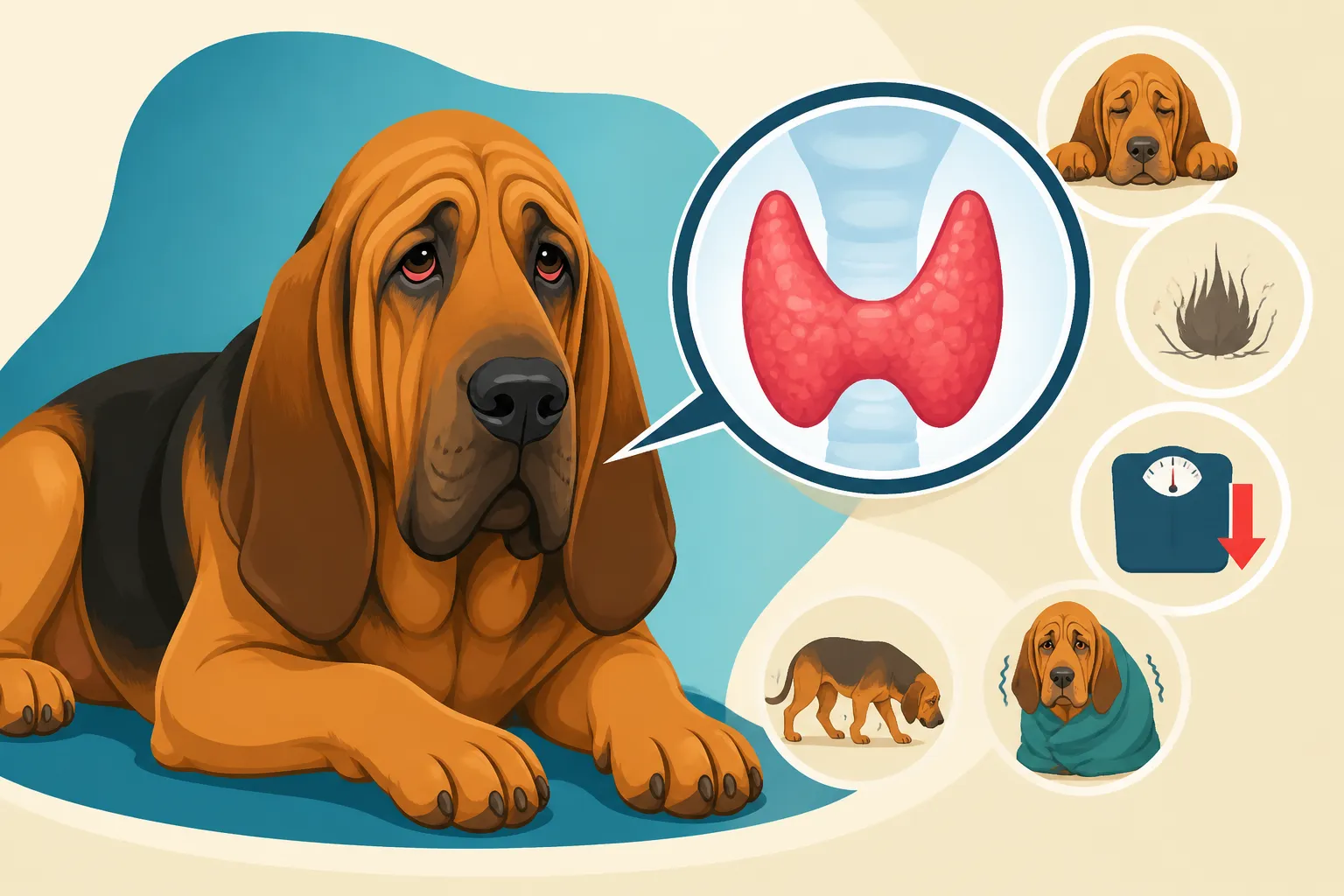
At its core, hypothyroidism is a condition where your dog's thyroid gland, located in its neck, isn't producing enough thyroid hormones. Think of these hormones as the master regulators of metabolism for nearly every cell in the body. They control energy levels, body temperature, heart rate, skin and coat health, and even brain function. When these hormone levels drop, everything starts to slow down.
In dogs, the most common form is primary hypothyroidism, where the thyroid gland itself is attacked and destroyed by the dog's own immune system, a condition known as lymphocytic thyroiditis. Less commonly, the gland can simply atrophy without an immune response. This means the problem isn't usually with the brain signaling the thyroid (secondary hypothyroidism), but with the thyroid gland's ability to respond to those signals or even just exist properly. The result is a body running in slow motion, often presenting a confusing array of symptoms that can easily be misinterpreted, especially in a breed with a naturally lower energy output or certain physical characteristics like the Bloodhound.
Why Bloodhounds Are Prone to Thyroid Issues
Unfortunately, Bloodhounds are among the breeds, particularly large and giant breeds, that have a documented genetic predisposition to hypothyroidism. While it can occur at any age, it most commonly surfaces in middle-aged dogs, typically between the ages of 4 and 10 years old. This overlaps with the period when owners might start to notice general "slowing down" or "aging" changes in their hound, making diagnosis a real challenge. For many Bloodhound owners, distinguishing between a natural part of Aging in a Bloodhound Starts at Six and a developing medical condition can feel like trying to find a needle in a haystack.
The challenge is amplified by a Bloodhound's inherent nature. They aren't typically known for their boundless energy in the house; they're more about purposeful trailing and then crashing hard. So, when a Bloodhound starts sleeping more, you might just think, "Oh, that's just Fido being Fido." Their often lumpy, loose skin and propensity for shedding can also mask subtle changes that might be more obvious in a dog with a tighter, less profuse coat. This is why vigilance and understanding the specific signs are so crucial. It's not just about noticing a change, but understanding which changes, even small ones, could signal a deeper issue like hypothyroidism. Regular screening, perhaps as part of their annual wellness checks, is something worth discussing with your vet, especially if you're concerned about your Bloodhound’s predispositions. For more on proactive testing, you might find information on Whether a Bloodhound's Thyroid Should Be Tested Yearly helpful.
Spotting the Early, Often Overlooked Signs
One of the trickiest things about hypothyroidism is that the early signs are often incredibly subtle. They can sneak up on you, making you wonder if you're just imagining things or if it's simply part of your Bloodhound’s charmingly peculiar personality.
Subtle Changes in Coat and Skin
The skin and coat are often the first places to show early warning signs of a sluggish thyroid, though these can be easily missed or dismissed in a Bloodhound. You might notice their usually sleek, dense coat starting to become dry, brittle, or coarse to the touch. It might lose its healthy luster, appearing dull and lifeless, almost as if it’s been neglected, even if you’re meticulously brushing it.
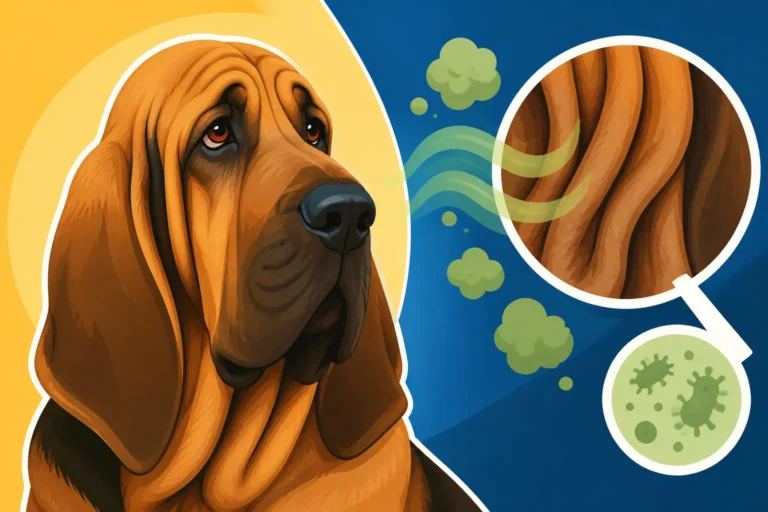
Another common sign is excessive shedding that seems to go on forever, or patchy hair loss, particularly on the flanks, chest, or tail. Many owners affectionately call this a "rat tail" or "bald tail" because the hair can become sparse. Beyond the hair itself, the skin underneath might start to tell a story. You might observe it becoming thicker, darker (hyperpigmentation), or even developing a greasy or scaly texture. These changes can make your Bloodhound more susceptible to recurring skin infections (pyoderma) or allergies that just don't seem to clear up, because their skin's natural defenses are compromised. In a breed that already has some natural folds and a tendency for skin issues, like those found with Skin Fold Dermatitis on a Bloodhound, these thyroid-related changes can be especially challenging to pinpoint and distinguish from other dermatological problems. It's a frustrating guessing game for many owners, but knowing to look for these specific characteristics can make all the difference.
Unexplained Weight Gain and Lethargy
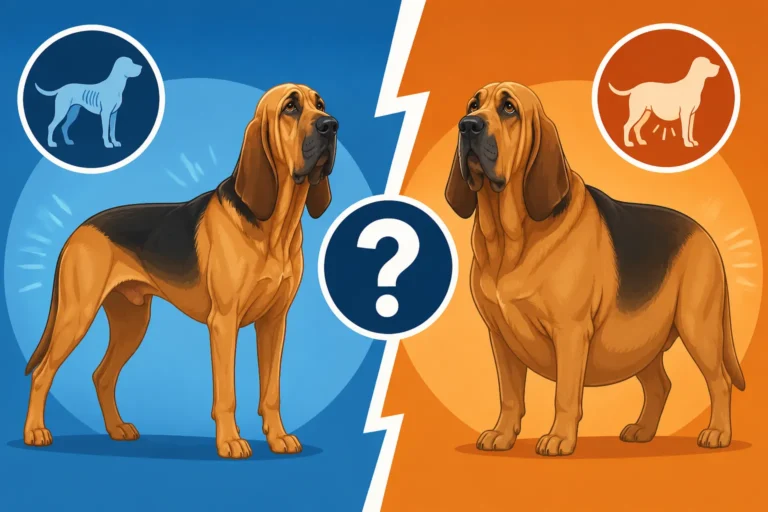
This is perhaps one of the most common and frustrating early indicators, and one that Bloodhound owners can easily attribute to overfeeding or a lack of exercise. Your hound might start gaining weight, even if their diet hasn't changed, or if you've even tried to cut back a bit. That lean, strong physique needed for trailing might slowly soften, replaced by a noticeable layer of extra padding. This isn't just about aesthetics; it's a direct consequence of a slowed metabolism. Many owners grapple with the question of Whether a Hypothyroid Bloodhound Gains Weight and often assume they're just giving too many treats.
Alongside the weight gain, you'll likely notice a significant drop in their energy levels. Your Bloodhound, who once eagerly anticipated their daily walk or a good long sniff around the yard, might become more reluctant to get up, preferring to snooze in their bed. They might be less enthusiastic about playtime, trailing, or even just greeting you at the door. While Bloodhounds are known for their calm nature indoors, this lethargy goes beyond typical "hound lazy." It’s a profound sense of tiredness that can affect their engagement with the world. You might see them sleeping more than usual, taking longer naps, or simply seeming less "there" even when awake. It’s easy to dismiss this as them simply getting older or being comfortable, but a consistent, marked decrease in vitality is a red flag.
When Symptoms Become Harder to Ignore
While the early signs of low thyroid can be subtle, eventually, the metabolic slowdown starts to manifest in ways that become much more difficult to brush off. These are the symptoms that often prompt an urgent call to the vet.
Behavioral Shifts and Mental Dullness
Hypothyroidism isn't just about physical changes; it can profoundly impact a Bloodhound's mental state and behavior. Owners often report a noticeable shift in their dog's personality. Your typically sweet, easygoing hound might become irritable, anxious, or even display uncharacteristic aggression. They might be less tolerant of other pets or even family members, snapping or growling where they never did before. This can be truly heartbreaking and confusing for owners who know their dog's true temperament.
Beyond mood changes, you might also observe a general mental sluggishness. Your Bloodhound might seem less alert, slower to respond to commands they once knew instantly, or simply appear "dull." Their renowned intelligence and keen scenting ability might diminish. They might lose interest in activities they once loved, including their beloved scent work. Imagine a Bloodhound, whose entire existence is driven by its nose, suddenly lacking the drive or focus to follow a trail. This isn't just about being stubborn; it's a genuine cognitive slowdown. This mental fogginess can be particularly distressing because it affects the very essence of what makes a Bloodhound, well, a Bloodhound. It can be a stark reminder that something deeper than just What Changes in a Bloodhound at Six is happening.
Other Less Common, But Serious Indicators
As hypothyroidism progresses, other, less common but equally concerning symptoms can emerge, indicating a more severe metabolic disruption. One such sign is an increased intolerance to cold. You might find your Bloodhound, even with its dense coat, seeking out warm spots more often, shivering, or appearing genuinely uncomfortable in temperatures they once tolerated. Their body temperature might even be consistently lower than normal.
While not as frequent, cardiovascular changes can also occur, such as a slower heart rate (bradycardia), which your vet might pick up during an examination. Neurological signs, though rare, can also manifest, including weakness, incoordination, or even seizures in very severe, untreated cases. For intact female Bloodhounds, hypothyroidism can also lead to reproductive issues, such as irregular heat cycles, infertility, or difficulty maintaining a pregnancy. These symptoms, when combined with the more common coat changes, weight gain, and lethargy, paint a clearer picture of a systemic problem. It's often the accumulation of several of these signs that finally leads an owner to connect the dots and seek definitive veterinary help, hoping to improve their beloved companion's overall health and extend The Median Age a Bloodhound Reaches.
Diagnosing and Managing Hypothyroidism for a Healthy Future
Recognizing the signs is the first crucial step, but confirming hypothyroidism and then managing it effectively is where your partnership with your veterinarian truly shines. It's a chronic condition, but it's one that is often wonderfully responsive to treatment.
The Diagnostic Process
If you suspect your Bloodhound might have a low thyroid, your first call should always be to your veterinarian. They'll start with a thorough physical examination, looking for many of the signs we've discussed – coat quality, skin health, body condition, and heart rate. However, the definitive diagnosis comes from blood tests.
The initial tests typically involve measuring total T4 (thyroxine) and often free T4. Total T4 can sometimes be influenced by other illnesses or medications, so your vet might also recommend checking thyroid-stimulating hormone (TSH). A high TSH level combined with a low T4 and/or free T4 is usually diagnostic for primary hypothyroidism. Some clinics might recommend a full thyroid panel, which includes autoantibodies (TgAA), as these can indicate the autoimmune form of the disease even before T4 levels significantly drop. Your vet will interpret these results in the context of your Bloodhound’s clinical signs, age, and breed. In some complex cases, they might refer you to a veterinary internal medicine specialist or an endocrinologist for further testing and consultation. This rigorous diagnostic approach ensures that you're not just treating symptoms, but addressing the root cause.
Lifelong Management and Care
The good news is that hypothyroidism in Bloodhounds is typically very manageable. Once diagnosed, treatment involves lifelong daily oral administration of a synthetic thyroid hormone, usually levothyroxine. This medication effectively replaces the hormones your dog’s body isn’t producing enough of. The exact dosage will be determined by your veterinarian and will often need to be adjusted based on follow-up blood tests.
You’ll typically see improvements in your Bloodhound’s energy levels, weight, and coat quality within a few weeks to a couple of months after starting medication. It’s truly remarkable to see a once sluggish, dull hound regain their spark and enthusiasm for life! However, consistency is key – you must administer the medication exactly as prescribed and commit to regular follow-up blood tests (initially every few weeks, then every 6-12 months) to ensure the dosage remains optimal.
While the cost of lifelong medication and regular bloodwork can add up, it's a small price to pay for your Bloodhound's improved quality of life. This is where investing in pet insurance, like a comprehensive plan from Healthy Paws, can be a real lifesaver. Policies like theirs can help cover a significant portion of the costs for chronic conditions, from medication refills to those crucial follow-up blood tests, preventing these predictable expenses from becoming a financial burden. It’s a proactive step that helps you prioritize your dog’s health without constant worry about A Bloodhound's Money Is Spent in the Operating Room. Knowing What Insurance Will and Will Not Cover on a Bloodhound is important, but for a chronic and manageable condition like hypothyroidism, good insurance makes a huge difference. Unlike acute, often fatal issues such as those detailed in What Most Bloodhounds Actually Die Of, hypothyroidism is a condition that, with proper management, allows your Bloodhound to live a long, happy, and fulfilling life.
| Symptom Category | Specific Signs | Potential Misinterpretation (Especially in Bloodhounds) |
|---|---|---|
| Energy & Activity | Lethargy, increased sleeping, reduced stamina, reluctance to play or trail | Normal aging, being a "lazy" Bloodhound, post-exercise recovery, typical breed behavior |
| Weight & Appetite | Unexplained weight gain despite normal eating, difficulty losing weight | Overfeeding, lack of exercise, "couch potato" lifestyle |
| Coat & Skin | Dry, brittle, dull coat; excessive shedding; patchy hair loss; thickened/darkened skin; recurring skin infections | Seasonal shedding, allergies, dirty coat, normal skin folds for the breed |
| Behavior & Mood | Irritability, anxiety, aggression, mental dullness, reduced alertness, loss of interest in activities | Stubbornness, lack of training, "grumpy old dog" syndrome, environmental stress |
| Other Physical | Cold intolerance, slow heart rate, muscle weakness (less common), "rat tail" | Breed characteristics, normal body temperature variation |
Disclaimer
This article is for general informational purposes only and does not constitute professional advice. Laws, prices and regulations vary by location and change over time. Consult a qualified professional for guidance on your specific situation.