Whether a Bloodhound’s Ectropion Gets Worse With Age
It’s a heart-wrenching worry for any Bloodhound owner when you notice those already characteristic droopy eyelids seem to be getting worse. What might have started as a charming, soulful gaze can sometimes progress into something more concerning, bringing with it discomfort and health issues for your beloved hound. This guide is dedicated to shedding light on ectropion in Bloodhounds, specifically addressing whether this condition tends to worsen with age and how you can best manage it to keep your companion comfortable and healthy throughout their life.
Understanding Ectropion in Your Bloodhound
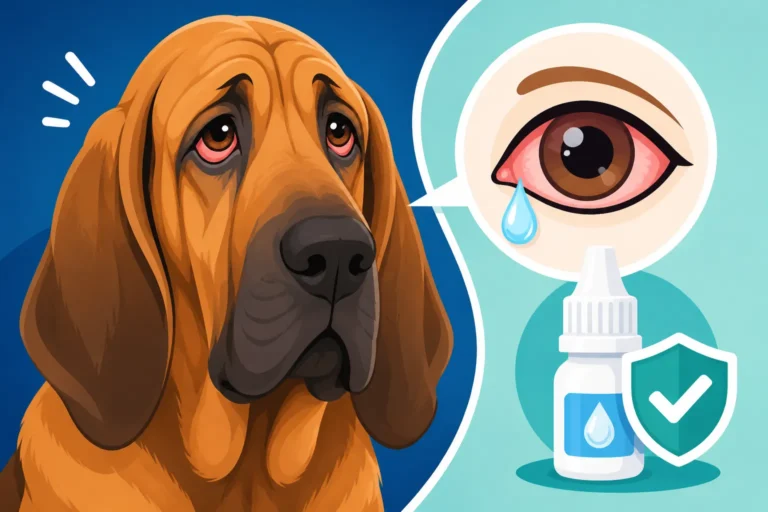
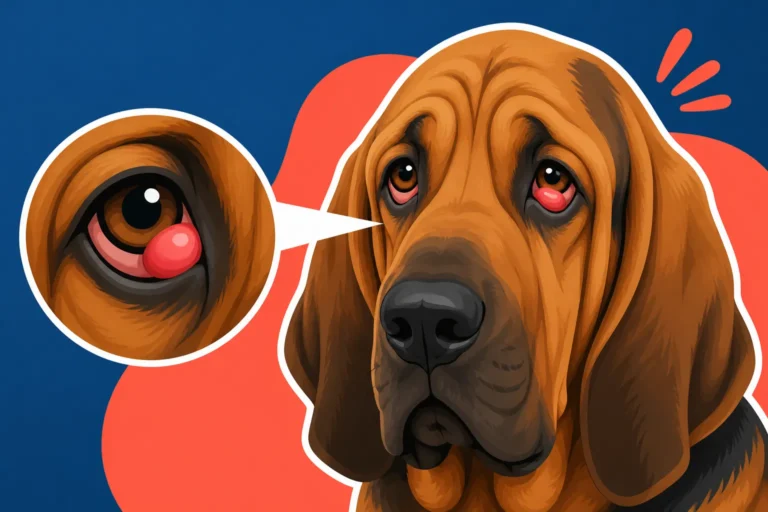
Ectropion is a condition where the lower eyelid rolls outward, exposing the delicate pink conjunctiva (the mucous membrane lining the inner eyelid) and often the "haw" – that third eyelid you sometimes see. For Bloodhounds, this loose, drooping skin around the eyes is often considered part of their classic look, a hallmark of the breed's expressive, soulful face. However, there's a fine line between a desired breed trait and a health concern.
The Characteristic Droop and Its Implications
Imagine your Bloodhound, deep in thought, perhaps following an invisible trail in their mind, and their lower eyelids are hanging a little loose. This is normal. The breed standard actually calls for rather prominent haws and a somewhat open lower eyelid. But when that droop becomes excessive, it means the eyelid isn't doing its job properly: protecting the eye. The problem arises because the eyelid is meant to act like a windshield wiper, spreading tears evenly across the cornea and sweeping away debris. When it sags away from the eyeball, this natural function is compromised.
You might notice the exposed tissue looks dry, red, and irritated. This isn't just cosmetic; it leaves your Bloodhound’s eye vulnerable to all sorts of external irritants. Think about dust, pollen, stray bits of grass, or even just the everyday dirt that can easily find its way into the unprotected eye. It’s no wonder that many Bloodhounds with significant ectropion often have weepy, red eyes or constantly seem to be blinking or rubbing their face. For a deeper dive into what this condition physically looks like, you can learn more about What Ectropion Looks Like on a Bloodhound.
Why Bloodhounds Are Prone to Ectropion
The primary reason Bloodhounds are so susceptible to ectropion is their genetic makeup and the way the breed has been developed. They are characterized by abundant loose skin, especially around the head and face, which is thought to aid in scent trailing by trapping scent particles. This very trait, however, is a double-edged sword for their eyes. That extra skin and loose connective tissue around the eyelids predispose them to the outward rolling.
It's not usually a defect in the sense of a genetic mutation causing a disease, but rather an exaggerated version of a breed-specific characteristic. Breeders aim for a certain amount of looseness, but too much can lead to problems. This is why when you look at a Bloodhound, you often see that prominent "haw," or third eyelid, more than in other breeds. The laxity of the eyelids also means tears don't distribute properly, leading to dry spots on the cornea and tear overflow (epiphora), which can stain the fur below the eyes. Understanding Why a Bloodhound's Lower Lid Hangs Away From the Eye helps clarify this inherent breed predisposition.
Does Ectropion Worsen with Age?
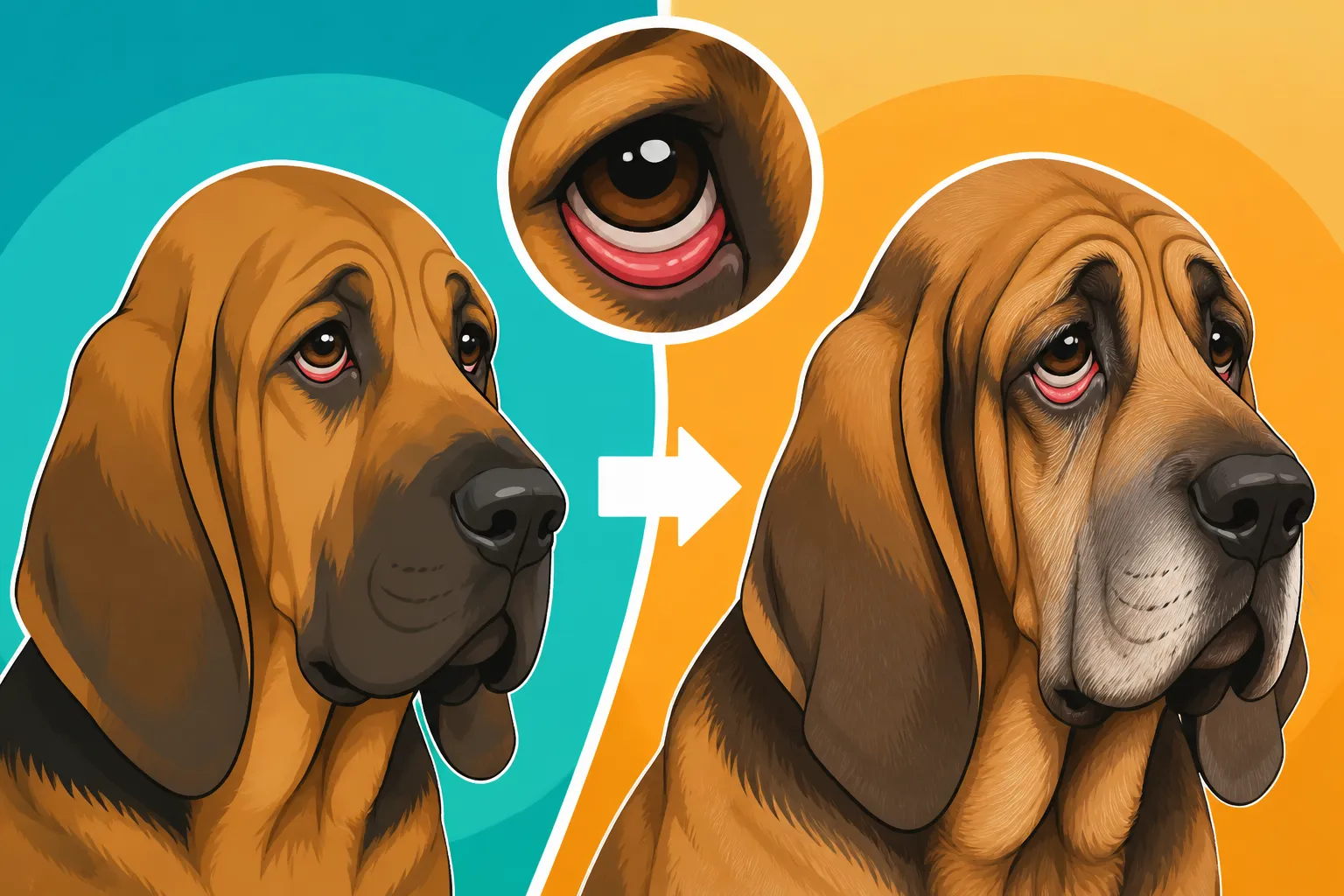
This is the big question, and for many Bloodhound owners, the answer is, unfortunately, yes. While a Bloodhound might exhibit some degree of ectropion from a young age, it can certainly become more pronounced and problematic as they get older. It's not a guarantee for every individual, but it's a common progression many owners observe.
Factors Contributing to Worsening Ectropion
Several factors contribute to the progression of ectropion in an aging Bloodhound. Just like humans, dogs lose muscle tone and skin elasticity as they age.
- Loss of Skin Elasticity and Muscle Tone: As your Bloodhound enters their senior years, the collagen and elastin in their skin begin to break down, and the muscles that support the eyelids weaken. This natural process allows the already loose lower eyelids to sag even further, exacerbating the outward roll. Gravity, over years, also plays an undeniable role, pulling those heavy jowls and loose facial skin downwards.
- Chronic Inflammation and Irritation: Years of exposure to environmental irritants can take their toll. Constant dust, wind, or even minor bacterial infections due to the exposed tissue can cause chronic inflammation. This inflammation, in turn, can lead to scarring or thickening of the conjunctiva, further pushing the eyelid away from the globe of the eye. Think of it as a snowball effect – mild irritation leads to more irritation, which makes the ectropion worse.
- Weight Fluctuations: Significant weight gain or loss over a Bloodhound's lifetime can also impact the facial structure. While obesity itself isn't a direct cause, changes in the fat pads around the face can subtly alter the tension on the eyelids, potentially making an existing ectropion more severe. Keeping your Bloodhound at a healthy, lean weight is always beneficial for their overall health, including their joints and eye comfort.
- Other Health Conditions: Sometimes, other underlying health issues can contribute. For instance, conditions that cause muscle wasting or nerve damage could theoretically impact eyelid tone. However, for most Bloodhounds, it's the natural aging process of their inherently loose skin that is the primary culprit. You can start observing changes in your Bloodhound as early as when Aging in a Bloodhound Starts at Six. This is a good time to become more vigilant about their overall health, including their eyes.
The Timeline of Progression
Ectropion might be mildly present in a Bloodhound puppy, but it’s often during their adult years that it becomes more noticeable, and then potentially more severe in their senior years. A young adult Bloodhound, say around two or three years old, might have a charming, slightly droopy look that rarely causes issues beyond occasional eye discharge. However, by the time they are six, seven, or eight years old – the age a Bloodhound is considered senior – that mild droop might have progressed significantly.
At this later stage, the constant exposure of the eye can lead to more frequent infections, dry eye, or even corneal ulcers from foreign bodies constantly rubbing against the delicate surface. This is when merely wiping the eyes might no longer be sufficient, and more proactive intervention becomes necessary to maintain comfort and prevent serious complications.
Managing Ectropion in Aging Bloodhounds
If you notice your Bloodhound’s ectropion worsening with age, don't despair! There are many ways to manage the condition, ranging from daily care routines to surgical intervention, depending on the severity. The goal is always to keep your hound comfortable and prevent secondary issues.
Daily Care and Conservative Approaches
For mild to moderate ectropion that isn't causing severe symptoms, daily care can make a world of difference. Consistency is key here.
- Regular Cleaning: This is paramount. The exposed conjunctiva collects debris and environmental pollutants. Gently cleaning around your Bloodhound's eyes daily with a sterile saline solution (available at any pharmacy) and a soft cotton ball or clean cloth can help remove irritants and prevent infections. Always wipe away from the eye, and use a fresh cloth for each eye to prevent cross-contamination. Detailed guidance on Daily Eye Care for a Bloodhound can offer more tips.
- Lubricating Eye Drops or Ointments: Just like dry skin, exposed eye tissue can get dry. Your veterinarian might recommend artificial tears or lubricating eye ointments to keep the eye moist and protected. These form a protective barrier, reducing irritation and the risk of foreign bodies sticking to the exposed surface. Administering these daily can significantly improve your Bloodhound's comfort.
- Environmental Management: Try to protect your Bloodhound from excessively dusty or windy conditions. If they love to stick their head out the car window, consider doggy goggles to shield their eyes. Avoiding irritants in their home environment, such as strong air fresheners or excessive dust, can also help.
- Regular Vet Check-ups: Even with diligent home care, regular veterinary check-ups are essential. Your vet can monitor the progression of the ectropion, check for signs of infection or corneal damage, and adjust your care plan as needed. If you have pet insurance, a provider like Healthy Paws can help manage the costs of these routine visits, ensuring your Bloodhound gets consistent professional oversight.
Surgical Intervention Options
When conservative measures are no longer enough, or if the ectropion is causing chronic pain, recurrent infections, or vision impairment, surgery may be the best course of action. This is a decision you'll make in consultation with your veterinarian, and potentially a veterinary ophthalmologist.
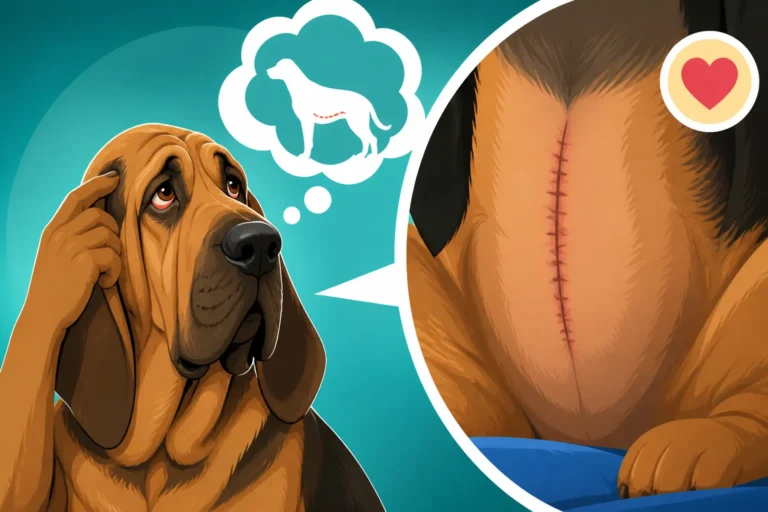
- Eyelid Tacking or Revision Surgery: The goal of ectropion surgery is to reduce the amount of outward rolling and restore a more normal eyelid contour, allowing it to properly protect the eye. There are various surgical techniques, such as a "wedge resection" where a small wedge of tissue is removed from the eyelid, allowing it to be tightened and reattached closer to the eyeball. Another common procedure is a lateral canthoplasty, which involves modifying the outer corner of the eye.
- Timing of Surgery: The age at which surgery is performed can vary. Sometimes, a severe case in a young Bloodhound might warrant early intervention. However, if the ectropion progresses with age, surgery might be considered for an older dog to improve their quality of life. It’s important to note that sometimes, due to the inherent laxity of the Bloodhound's skin and the ongoing effects of aging, a Bloodhound may need Whether a Bloodhound Needs Eyelid Surgery Twice over their lifetime.
- Costs and Recovery: Eyelid surgery can be costly, and the recovery process involves proper aftercare, including medication and activity restriction. This is another area where a comprehensive pet insurance plan, such as one from Healthy Paws, can be incredibly beneficial, helping to alleviate the financial burden of unexpected surgical expenses. You can learn more about Eyelid Surgery Is the Bill Bloodhound Owners Do Not Expect to understand the financial commitment. Recovery typically involves a few weeks of restricted activity and diligent wound care to prevent infection and ensure proper healing.
Long-Term Outlook and Prevention
Living with a Bloodhound means accepting and managing their unique characteristics, and ectropion is definitely one of them. While you can't entirely prevent the natural aging process from affecting their eyelids, there are proactive steps you can take to ensure their comfort and health over their lifespan.
Proactive Management Throughout Life
The key to a good long-term outlook for a Bloodhound with ectropion is consistent, proactive management. Starting good eye care habits when your Bloodhound is young can help prevent problems from spiraling as they age. This includes regular cleaning, being aware of environmental triggers, and ensuring a healthy diet.
Even if your Bloodhound’s ectropion is mild in their younger years, maintain those regular veterinary check-ups. Catching any worsening signs early allows for adjustments to their care routine before the problem becomes severe. Sometimes, even with surgical intervention, a Bloodhound's eyes may still require ongoing daily care due to their breed predispositions. Remember, pet insurance from a reputable provider like Healthy Paws can be a valuable tool in managing chronic health conditions throughout your Bloodhound's life, helping you afford the best possible care without stress.
The Role of Responsible Breeding
While ectropion is a hallmark of the Bloodhound breed, severe, debilitating ectropion is not desirable and can be minimized through responsible breeding practices. Reputable breeders strive to produce Bloodhounds that meet the breed standard but also prioritize health and functionality. This means carefully selecting breeding pairs to avoid excessively loose skin that could lead to severe ectropion or other eye issues.
Before bringing a Bloodhound puppy home, research breeders thoroughly. Ask about the health screening practices of the parents, specifically regarding eye health. The American Bloodhound Club, for example, asks breeders to screen for various conditions, and a good breeder will be transparent about the lineage's eye health history. You can find more information about What the American Bloodhound Club Asks Breeders to Screen to understand the standards for responsible breeding. While it may not prevent all degrees of ectropion, choosing a puppy from health-tested parents can certainly reduce the likelihood of severe, early-onset, or rapidly progressing forms of the condition.
The reality is that some degree of eyelid laxity is inherent to the Bloodhound. The goal isn't to eliminate ectropion entirely, as that would change the very essence of the breed's appearance. Instead, it's about managing it responsibly and making informed decisions to ensure your Bloodhound enjoys a comfortable, happy life, unhindered by excessive eye problems. Understanding the potential for ectropion to worsen with age allows you to be prepared and proactive, ensuring those soulful eyes continue to gaze lovingly at you for many years to come.
| Symptom Category | Mild Ectropion (Often Young/Adult) | Severe Ectropion (Often Older/Worsened) |
|---|---|---|
| Appearance | Slight outward roll of lower lid | Pronounced outward roll; large exposed haw |
| Moisture | Occasional tear overflow/wetness | Constant tearing or, conversely, very dry eye |
| Redness | Minimal to intermittent redness | Persistent, significant redness and inflammation |
| Discharge | Clear, mild eye discharge | Thick, cloudy, or discolored discharge (mucus, pus) |
| Discomfort | Generally comfortable; occasional blinking | Frequent rubbing, squinting, sensitivity to light |
| Cornea Risk | Low risk of corneal issues | High risk of dry eye, corneal ulcers, foreign bodies |
| Infections | Rare or easily managed infections | Recurrent, difficult-to-treat eye infections |
Disclaimer
This article is for general informational purposes only and does not constitute professional advice. Laws, prices and regulations vary by location and change over time. Consult a qualified professional for guidance on your specific situation.