Whether a Bloodhound’s Recovery From Bloat Is Complete
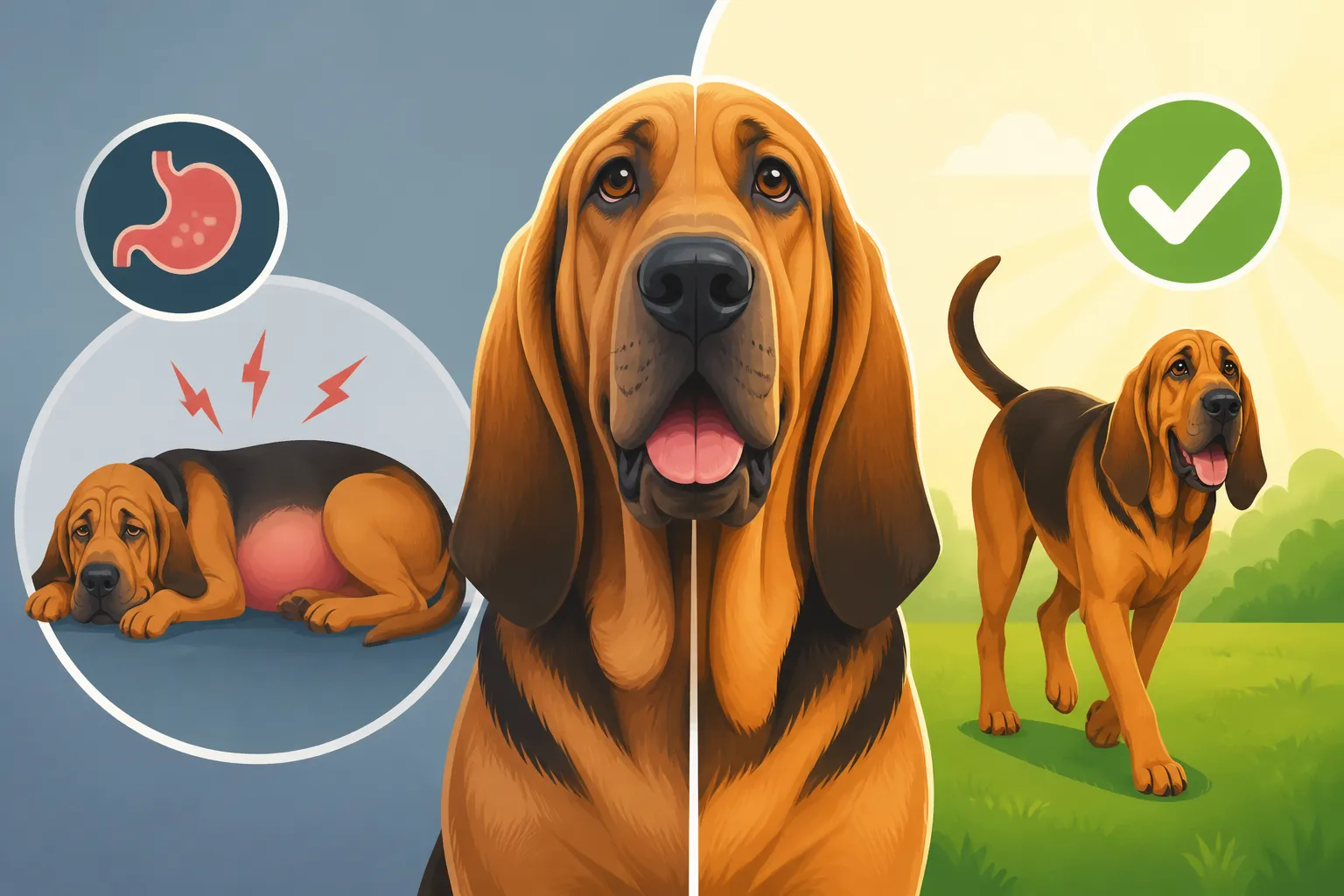
Witnessing your beloved Bloodhound suddenly collapse into distress, retching helplessly with an abdomen that's visibly distended, is every Bloodhound owner's worst nightmare. The sheer panic of knowing your dog might be experiencing bloat—gastric dilatation-volvulus (GDV)—is paralyzing, and the subsequent emergency surgery is a whirlwind of fear and hope. After enduring such a traumatic event, a common question weighs heavily on every owner's mind: will my Bloodhound ever truly be "back to normal"? This guide will delve deep into what a Bloodhound's recovery from bloat entails, exploring the immediate aftermath, the weeks of recuperation, and the long-term considerations that shape their future health and well-being.
Understanding the Immediate Aftermath of Bloat Surgery
The moments after emergency bloat surgery are often filled with a potent mix of relief and anxiety. While the immediate danger of gastric torsion has been addressed, your Bloodhound has just undergone a major abdominal procedure, often involving the repositioning of the stomach and, in some cases, the removal of the spleen if it was severely damaged. This is not a minor undertaking, and their body needs significant time and support to begin healing.
The Critical First 24-48 Hours
Following surgery, your Bloodhound will typically remain hospitalized in an intensive care unit for at least 24 to 48 hours, sometimes longer depending on their stability and the extent of the surgery. During this critical period, veterinary staff are meticulously monitoring their vital signs: heart rate, respiratory rate, blood pressure, and temperature. They'll also be closely watching for any signs of post-operative complications, such as cardiac arrhythmias, which are surprisingly common after bloat due to the body's systemic response to the initial crisis. The incision site itself will be checked for swelling, discharge, or any indication of infection. You might also notice intravenous fluids being administered to maintain hydration and administer medications. It's a tense waiting game, but these initial hours are foundational for a successful recovery.
Beyond the immediate physical monitoring, the veterinary team is assessing your Bloodhound's overall demeanor. Are they starting to lift their head? Are they showing any interest in their surroundings? Even small positive indicators are celebrated. They’ll likely be quite subdued, groggy from anesthesia and pain medication, and potentially disoriented. This initial period is all about stabilization, ensuring the surgical repair holds, and preventing secondary complications that can arise from the profound shock their system has just endured. It's crucial not to expect your Bloodhound to be bright-eyed and bushy-tailed during this phase; their body is working overtime just to recover from the immense physiological stress.
Managing Pain and Discomfort Post-Op
No one wants to see their beloved companion in pain, especially after such a harrowing experience. Post-operative pain management is a cornerstone of recovery from bloat surgery. Your Bloodhound will be on a strict schedule of pain medications, typically including opioids and non-steroidal anti-inflammatory drugs (NSAIDs), to keep them as comfortable as possible. These medications not only alleviate discomfort but also help reduce stress, which can positively impact healing. The goal is to manage the pain effectively enough so they can rest, but not so much that they are completely sedated and unable to move or respond.
You'll likely notice changes in their gait or posture as they try to protect their incision. They might be reluctant to lie down fully or struggle to stand up. These are all normal reactions to abdominal surgery. The veterinary team will adjust medication dosages based on their assessment of your Bloodhound's comfort level. When they come home, you will be sent with oral pain medications to continue this regimen. It’s absolutely vital to follow the dosage instructions precisely and administer the medications on time, even if your Bloodhound seems to be doing better. Skipping doses can lead to a resurgence of pain and hinder their recovery progress. Remember, the road to healing is not just about physical repair, but also about managing their comfort through every step.
The Road to Full Recovery: Weeks 1-4
Once your Bloodhound is stable enough to come home, the real work of at-home recovery begins. This phase is less about critical care and more about meticulous management of diet, activity, and wound care. It requires patience, diligence, and a keen eye for any changes in your dog's condition.
Dietary Adjustments and Feeding Protocols
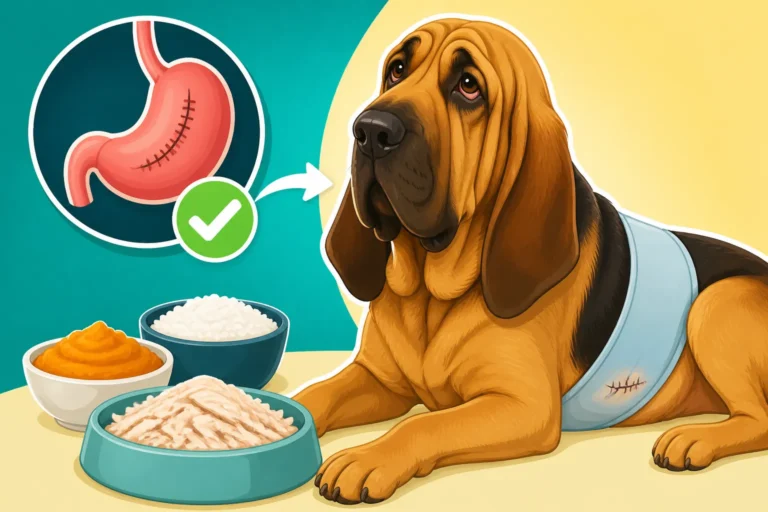
One of the most significant changes you’ll implement immediately is a revised feeding protocol. After bloat surgery, a Bloodhound's digestive system needs to be eased back into normal function gently. You'll likely be instructed to feed small, frequent meals throughout the day, often 3-4 times. This strategy helps prevent the stomach from overfilling, reducing pressure on the surgical site and minimizing the risk of another bloat incident. Many owners ask what a Bloodhound eats after bloat surgery. Typically, a bland diet is recommended initially, such as boiled chicken and rice, before gradually transitioning back to their regular food over a week or two.
It's also common practice to make changes to how they eat. Using a slow feeder bowl can be incredibly beneficial in preventing them from gulping down food too quickly, which introduces excess air into the stomach. While the efficacy of raised bowls in preventing bloat is debated and some studies, like What the Purdue Bloat Study Found About Bloodhounds, even suggest they might increase risk for deep-chested breeds, it's generally advised to feed your Bloodhound on the floor or in a normal height bowl after bloat surgery. Hydration is also key; ensure constant access to fresh water but monitor their intake immediately after meals to avoid excessive drinking. The goal is to reduce any factors that might contribute to gas accumulation or stomach distension. Even if your Bloodhound has had a gastropexy, which is a common part of bloat surgery and tacks the stomach to the abdominal wall, you'll still want to ensure Whether a Gastropexied Bloodhound Still Needs Split Meals.
Activity Restrictions and Gradual Return to Normal
Just like a person recovering from surgery, your Bloodhound will need strict activity restrictions for several weeks. The abdominal incision needs time to heal without being stretched, strained, or compromised. This means no running, jumping, roughhousing, or going up and down stairs unsupervised. Short, controlled leash walks are usually permitted, but only for bathroom breaks and very light exercise. The length and intensity of these walks will gradually increase over the recovery period, typically spanning 3-4 weeks. Your vet will provide a specific timeline for these restrictions, and it’s imperative to stick to it. Overdoing it too soon can lead to complications like incision dehiscence (the incision opening up) or the formation of a seroma (a fluid pocket).
You’ll also need to monitor the incision site daily for any signs of infection, such as redness, swelling, heat, or discharge. Your Bloodhound might wear an E-collar (cone of shame) to prevent them from licking or chewing at the stitches. While it might seem cruel, the E-collar is a crucial tool in preventing infection and reopening of the wound. Ignoring this simple measure can quickly lead to a setback. Patience is truly a virtue during this period. Remember, while your Bloodhound might seem to be feeling better after a week, internal healing takes much longer than external appearance suggests. Gradual reintroduction to normal activities, under veterinary guidance, is the safest path to a complete physical recovery.
Long-Term Outlook and Potential Complications
The question of whether a Bloodhound's recovery from bloat is truly "complete" extends far beyond the initial surgical healing. While many Bloodhounds go on to live full, happy lives after surviving bloat, the incident itself, and the surgical intervention, can have lasting implications. It's not always a return to exactly how things were before; rather, it's often a new normal that requires ongoing vigilance and care.
Addressing Lingering Concerns and Secondary Issues
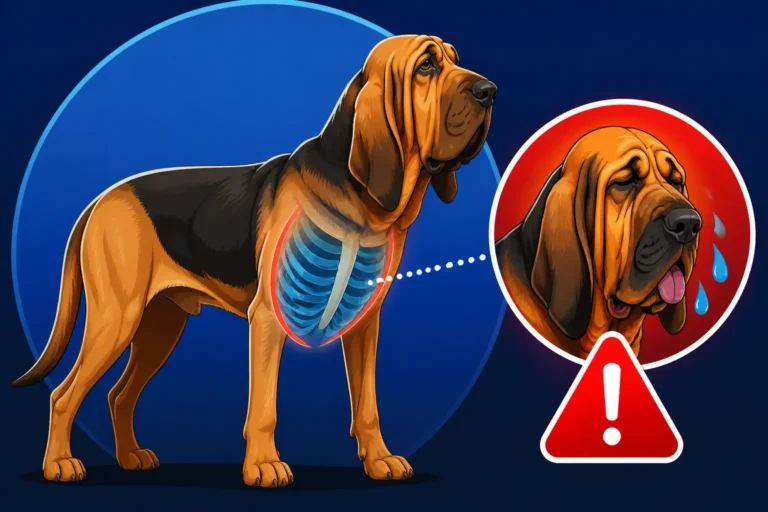
Even after the incision has healed and your Bloodhound is eating well, some lingering concerns might persist. One of the most common is the risk of a second bloat episode. While a gastropexy significantly reduces the risk of the stomach twisting again (volvulus), it doesn't entirely prevent the stomach from dilating (filling with gas). Owners often ask Whether a Bloodhound That Bloated Once Bloats Again. The answer is that while the life-threatening twist is largely mitigated by gastropexy, the underlying predispositions that led to the initial bloat (like a deep, narrow chest which is characteristic of the breed, as explored in Why a Bloodhound's Chest Shape Causes Bloat) remain. Therefore, vigilance regarding feeding practices, stress levels, and monitoring for signs of discomfort should continue for life.
Other potential long-term issues include scar tissue formation at the surgical site, which is usually not problematic but can occasionally cause discomfort or adhesions. Cardiac arrhythmias, which often occur during the acute bloat crisis, typically resolve post-surgery, but some dogs may develop persistent heart issues that require ongoing medication and monitoring. Additionally, if the spleen was removed during surgery due to damage, your Bloodhound's immune system might be slightly compromised, making them potentially more susceptible to certain infections. Regular veterinary check-ups are even more vital for a bloat survivor to catch any emergent issues early. This is where pet insurance providers like Healthy Paws can provide peace of mind for owners facing these ongoing health management costs.
Psychological Recovery and Behavior Changes
The trauma of bloat and surgery isn't just physical; it can also have a psychological impact on your Bloodhound. While dogs don't process trauma in the same way humans do, they can certainly develop anxieties or behavioral changes related to stressful events. Some Bloodhounds might become more clingy or anxious after their experience, especially if they associate mealtime with discomfort or the frantic drive to the emergency vet. They might exhibit subtle signs of fear around their food bowl, or become more hesitant during routines that were previously uneventful.
It's important to approach these changes with empathy and patience. Rebuilding their confidence and positive associations with daily routines is key. Creating a calm, predictable environment, especially around meal times, can help immensely. Positive reinforcement training, gentle handling, and ensuring they feel safe and loved are crucial. If you notice significant or persistent behavioral changes, consulting with a veterinary behaviorist or a certified professional dog trainer who understands post-traumatic stress in dogs can be incredibly beneficial. Their emotional well-being is just as important as their physical health in achieving a truly "complete" recovery.
Preventing a Recurrence: A Lifelong Commitment
The absolute best way to ensure your Bloodhound thrives after a bloat episode is to implement strategies that aggressively minimize the chances of it happening again. This isn't just about recovering from the past event; it's about proactively safeguarding their future. For Bloodhound owners, this often means making a deliberate choice about a preventive procedure and consistent lifestyle adjustments.
The Role of a Prophylactic Gastropexy
For any Bloodhound that has survived a bloat episode, a gastropexy is almost always performed during the emergency surgery. This procedure involves surgically attaching the stomach to the abdominal wall, preventing it from twisting (volvulus) in the future, which is the most dangerous aspect of GDV. If, for some reason, a gastropexy was not performed during the emergency surgery (which is rare), it is highly recommended to schedule a prophylactic gastropexy as soon as your Bloodhound has fully recovered from the initial surgery. This is a crucial step in ensuring that while the stomach might still dilate with gas, it cannot rotate, thus preventing the life-threatening blockage and organ damage.
For Bloodhound owners who haven't experienced bloat yet, the decision for a preventive gastropexy is a significant one, often made during spay or neuter surgery. What a Preventive Gastropexy Does for a Bloodhound is profound in its ability to save lives. While it doesn't prevent bloat altogether, it prevents the twist that turns bloat from an urgent situation into a critical, rapidly fatal one. It gives you precious time to get your dog to veterinary care if their stomach does dilate. This is why many breeders and veterinarians advocate for considering The Gastropexy Decision Every Bloodhound Owner Faces early in a Bloodhound's life. It's an investment in their future health and greatly improves their odds of survival if they experience gastric distention.
Lifestyle Changes to Minimize Risk
Beyond surgical intervention, a diligent owner will implement several lifestyle changes to minimize the risk of bloat recurrence. These recommendations are often discussed when first learning about Bloat Is What Kills Most Bloodhounds and remain crucial after a survival incident:
- Smaller, More Frequent Meals: As mentioned, breaking daily food intake into 2-3 small meals, rather than one large one, is paramount. This prevents the stomach from becoming overly full and distended.
- Slow Feeding: Using puzzle bowls, slow feeder bowls, or even spreading food out on a baking sheet can slow down ingestion and reduce air gulping.
- Rest Before and After Eating: Avoid vigorous exercise, excitement, or large water intake for at least an hour before and after meals. A quiet resting period allows the stomach to digest without excessive movement.
- Minimize Stress: Stress can be a contributing factor to bloat. Maintaining a calm household environment and avoiding sudden changes in routine, especially around meal times, can be helpful.
- Dietary Consistency: While the exact role of diet in bloat is complex, maintaining a consistent, high-quality diet is generally recommended. Avoid sudden changes in food or large amounts of table scraps.
- Constant Water Access (but managed): While crucial for health, monitor water intake, especially after meals or heavy exercise. Offer smaller amounts more frequently rather than allowing gulping of large volumes.
- Know the Signs: Most importantly, continue to be acutely aware of Signs a Bloodhound Is Bloating. Even with a gastropexy, knowing these signs means you can act quickly if distention occurs, potentially avoiding an emergency even if the twist is prevented.
By combining the preventive power of a gastropexy with these careful management practices, you are giving your Bloodhound the best possible chance at a long, healthy life after bloat. While the memory of the emergency will likely never fade, a complete recovery for a Bloodhound means not just healing physically, but living a life where the risk of recurrence is managed with informed and proactive care. Many owners find peace of mind knowing they've done everything they can, and pet insurance, such as a plan from Healthy Paws, can certainly help manage the financial aspects of these important medical decisions.
Disclaimer
This article provides general information and is not a substitute for professional veterinary advice. If your Bloodhound shows any signs of illness or distress, seek immediate veterinary attention. Decisions regarding your pet's health should always be made in consultation with a qualified veterinarian.