The Age a Bloodhound Should Have a Gastropexy
The terrifying thought of bloat strikes fear into the heart of every Bloodhound owner. It’s a sudden, aggressive condition that can turn a perfectly normal evening into a frantic, life-or-death race to the veterinary emergency room. This isn't just a minor health scare; it's a silent predator known to claim the lives of our beloved hounds far too quickly. One of the most significant preventive measures available is a gastropexy, a surgical procedure that can dramatically reduce this risk. But knowing when to pursue this crucial surgery is a question that weighs heavily on many minds. This guide is here to shed light on the ideal age for a Bloodhound to have a gastropexy, helping you make an informed decision for your furry family member.
Understanding the Threat of Bloat in Bloodhounds
If you own a Bloodhound, or are even considering bringing one into your home, you've likely already heard the word "bloat." It's not just a benign tummy ache; it's a serious and often fatal condition known medically as Gastric Dilatation-Volvulus (GDV). The sheer speed at which it can progress is truly horrifying, leaving owners feeling helpless and panicked. Knowing why your Bloodhound is particularly susceptible and what signs to look for is the first step in prevention and emergency preparedness.
Why Bloodhounds Are Prone to Bloat
Bloodhounds, like many large and giant breeds, possess a unique physical characteristic that unfortunately puts them at a higher risk for bloat: their deep, narrow chests. Imagine a long, cylindrical stomach hanging suspended in a spacious abdominal cavity; there's a lot of room for it to move around. When a Bloodhound eats or drinks too quickly, exercises too soon after a meal, or experiences stress, gas and fluid can accumulate in the stomach, causing it to expand or "dilate." This distension alone is painful, but the real danger comes when the stomach then twists upon itself, a phenomenon called "volvulus." This twist cuts off blood flow to the stomach and often the spleen, trapping gas and liquid inside, leading to rapid tissue death and shock.
It's a cruel anatomical lottery for these wonderful dogs. Their laid-back demeanor often belies the hidden risk their body structure presents. While the exact trigger can vary, genetics, diet, feeding habits, and even temperament (anxious dogs seem to have a slightly higher risk) all play a role. Understanding Why a Bloodhound's Chest Shape Causes Bloat is crucial for appreciating the preventative power of a gastropexy. The fact is, Bloat Is What Kills Most Bloodhounds, making prevention a top priority for responsible owners.
Recognizing the Signs of Bloat
One of the most terrifying aspects of bloat is how quickly it can escalate, often in the middle of the night or when veterinary services are less accessible. The initial signs can be subtle, but they quickly become unmistakable and demand immediate action. If you notice your Bloodhound exhibiting restlessness, pacing, or attempting to vomit but producing nothing (often called "non-productive retching"), these are red flags you cannot ignore. They might also appear anxious, look at their flank, or refuse to lie down comfortably.
As the condition progresses, the abdomen will typically become visibly distended and hard to the touch, especially on the left side, though this isn't always immediately obvious in all dogs. The dog's gums might appear pale, and their breathing can become shallow and rapid. You might even observe The Prayer Position a Bloating Bloodhound Takes, where they stand with their front legs stretched forward and their rear end raised, as if trying to relieve abdominal discomfort. This is not just an upset stomach; this is an emergency. You literally have minutes, not hours. Understanding How Fast Bloat Kills a Bloodhound underscores the need for immediate veterinary attention if you suspect bloat. Every second truly counts.
What is a Gastropexy and How It Works
Given the dire threat of bloat, it's natural for Bloodhound owners to seek out effective prevention strategies. This is where a gastropexy comes into play, offering a significant layer of protection against the most dangerous aspect of bloat: the twisting of the stomach. It's a surgical procedure, yes, but one that could very well save your Bloodhound's life.
The Surgical Procedure Explained
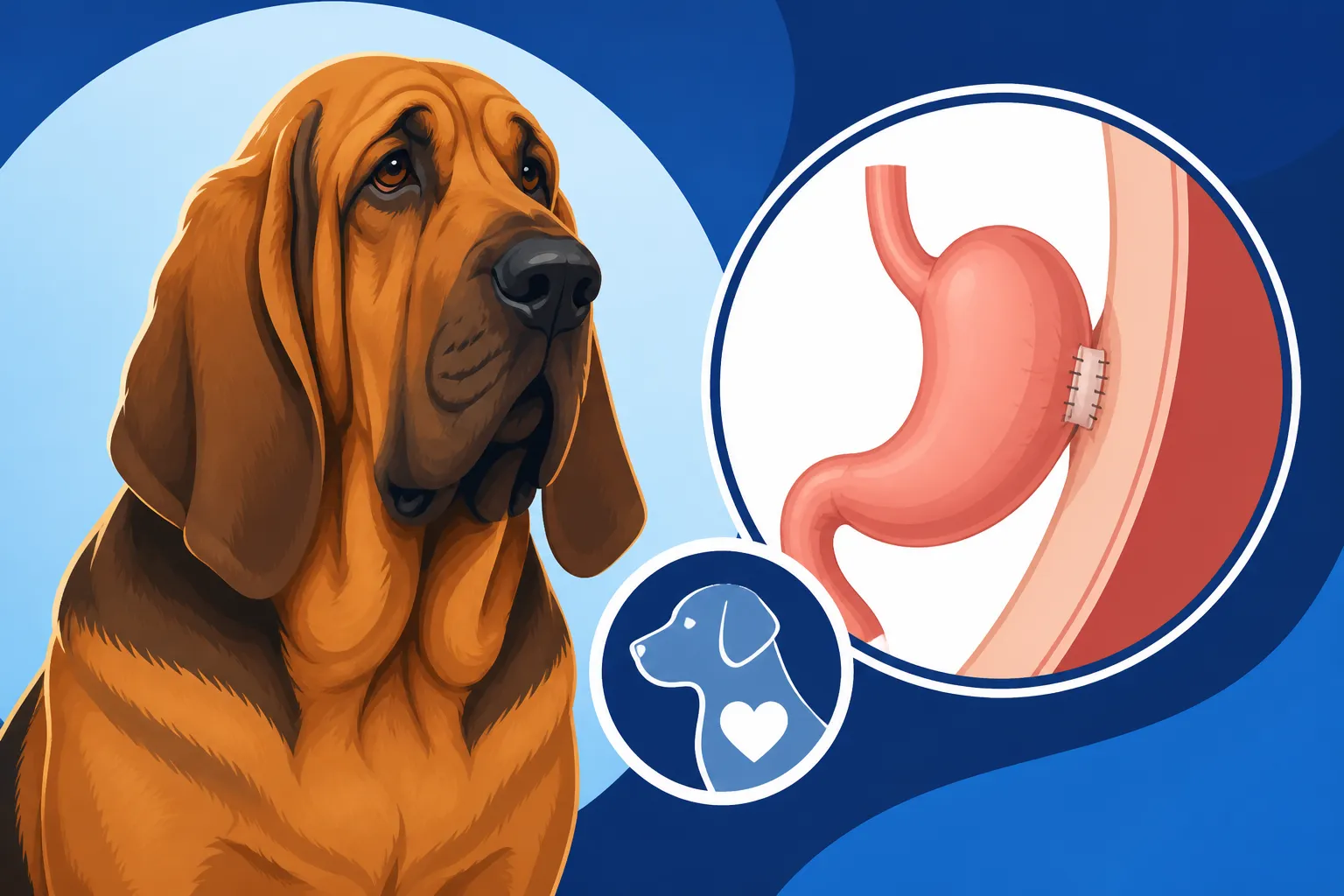
A gastropexy is a surgical procedure where the stomach is permanently attached, or "tacked," to the abdominal wall. This attachment prevents the stomach from twisting, even if it dilates with gas and fluid. While the dog could still experience gastric dilation (bloat without the twist), this form is far less life-threatening and typically much easier for a veterinarian to treat. The goal of a gastropexy isn't to prevent gas accumulation, but to prevent the rotation that makes GDV so deadly.
There are a few common ways a gastropexy can be performed. The traditional method involves an open incision, similar to a spay or neuter, where the vet directly manipulates and sutures the stomach to the body wall. A less invasive option, increasingly popular, is a laparoscopic gastropexy. This technique uses small incisions, a camera, and specialized instruments to perform the attachment, often resulting in less pain, smaller scars, and a faster recovery for the dog. Both methods aim for the same outcome: a secure, permanent attachment of the stomach that stops it from twisting. Learning What a Preventive Gastropexy Does for a Bloodhound can help you understand the profound impact this procedure has on their well-being.
The Efficacy of a Gastropexy
The primary benefit of a gastropexy is its incredible effectiveness in preventing gastric volvulus (the stomach twisting). While it doesn't entirely eliminate the risk of the stomach filling with gas (gastric dilation), it drastically reduces the chances of that dilation becoming life-threatening. Studies have shown that while a gastropexied dog can still bloat, the likelihood of the stomach twisting is reduced by an astonishing 90-95%. This means that if your Bloodhound does experience bloat after a gastropexy, it's far more likely to be the less severe, non-torsion form, which is treatable without emergency surgery.
This level of protection provides immense peace of mind for owners. It means that while you still need to be vigilant for signs of discomfort, the immediate, terrifying rush to an emergency veterinary clinic for a potentially fatal torsion becomes significantly less likely. It essentially takes the most dangerous element out of the bloat equation. However, it's important to understand that Whether a Bloodhound With a Gastropexy Can Still Bloat is indeed possible, but without the life-threatening twist, it becomes a much more manageable medical issue.
Determining the Ideal Age for Gastropexy
Deciding when to have a gastropexy performed on your Bloodhound is a critical decision, and one that many owners wrestle with. There are compelling arguments for performing the procedure early in life, often coinciding with other routine surgeries, but it's also a possibility for older dogs. The best timing often depends on a combination of factors, including your dog's individual health, your veterinarian's recommendations, and your own comfort level.
The Argument for Puppyhood Gastropexy
For many Bloodhound owners, the most opportune time for a gastropexy is when the dog is still young, typically between 6 months and 2 years of age. This period often aligns with the recommended timing for spaying or neutering, making it possible to combine both procedures into a single anesthetic event. This "two-for-one" approach is attractive for several reasons: it minimizes the number of times your dog needs to go under anesthesia, reduces overall recovery time, and can be more cost-effective than scheduling two separate surgeries.
Performing a gastropexy in puppyhood means your Bloodhound gains protection against bloat before they even reach their full adult size, which is often when the risk factors for GDV begin to increase. Puppies generally recover more quickly from surgery than older dogs, and their tissues tend to be more resilient. Many veterinarians and breeders now advocate for this approach, seeing it as a proactive measure that sets the dog up for a healthier, safer life. Therefore, the general consensus is that The Age a Bloodhound Should Have a Gastropexy ideally coincides with their spay or neuter, usually around 6 months to a year old, sometimes extending to 2 years.
Considerations for Adolescent or Adult Bloodhounds
While early gastropexy is often recommended, it's not always feasible or chosen by every owner. Some Bloodhounds might be adopted as adults, or perhaps their owners weren't initially aware of the bloat risk or the availability of gastropexy. The good news is that a gastropexy can still be performed on adolescent or adult Bloodhounds, and it remains a highly beneficial procedure at any age for at-risk dogs. Even if your Bloodhound is past their puppy phase, the protective benefits are still substantial.
However, there can be additional considerations when performing the surgery on an older dog. Older dogs might have other underlying health conditions that need to be carefully assessed before anesthesia. Recovery might be slightly slower, and the cost could be higher if it's a standalone procedure rather than combined with a spay/neuter. That said, the risk of bloat persists throughout a Bloodhound's life, and for many owners, the peace of mind offered by a gastropexy is well worth the investment, even if their dog is no longer a puppy. It's a discussion worth having with your vet, especially if you have a dog with pre-existing conditions. Many pet insurance providers, such as Healthy Paws, offer coverage for preventive procedures like gastropexy, provided it's elected before any signs or symptoms of bloat have occurred. This can make the decision much easier for owners of older Bloodhounds, ensuring they are protected even if they missed the puppy window.
| Factor | Puppy Gastropexy (6-18 months) | Adult Gastropexy (18+ months) |
|---|---|---|
| Anesthesia Risk | Generally lower, often combined with spay/neuter. | Potentially higher if concurrent health issues exist, standalone procedure. |
| Recovery Time | Typically faster, puppies heal quickly. | Might be slightly longer; depends on individual health. |
| Cost | Potentially lower if combined with spay/neuter. | Often higher as a standalone procedure. |
| Bloat Protection | Provided before peak risk years. | Provides immediate protection upon surgery. |
| Pre-existing Conditions | Less likely to be a factor. | More likely to require additional pre-surgical diagnostics. |
| Peace of Mind | Long-term protection from a young age. | Protection for the remaining at-risk years. |
Integrating Gastropexy with Spay/Neuter
One of the most common and practical approaches to performing a gastropexy is to combine it with a routine spay or neuter surgery. This strategy offers several benefits, streamlining the process for both the dog and the owner, and has become a standard recommendation for many at-risk breeds like the Bloodhound.
The Practicality of Concurrent Surgery
The ability to perform a gastropexy at the same time as a spay or neuter is a major advantage. From the dog's perspective, it means only one anesthetic event and one recovery period. While the surgery itself might take a little longer than a spay or neuter alone, the overall impact on the dog is often less than enduring two separate surgeries spaced out over time. It reduces the stress of multiple vet visits, procedures, and post-operative care routines for both the hound and the human.
For owners, combining these procedures can also be more economical. You're paying for anesthesia, surgical supplies, and facility use just once. It simplifies scheduling and allows for a single, focused period of post-surgical monitoring and restricted activity. Many veterinary clinics are well-versed in performing combined procedures, making it a routine option. This is why the question of Whether a Gastropexy Can Be Done at a Bloodhound's Neuter is often met with a resounding "yes" from veterinarians, who appreciate the proactive benefits and streamlined approach.
Potential Downsides and Veterinarian Consultations
While combining a gastropexy with a spay or neuter is largely beneficial, it's essential to acknowledge potential downsides and engage in thorough discussions with your veterinarian. The most significant factor to consider is the increased length of anesthesia time. A longer surgery means a longer period under anesthetic, which can incrementally increase the risk, especially for certain individuals. While generally safe for young, healthy Bloodhounds, your vet will perform comprehensive pre-anesthetic bloodwork and a physical exam to ensure your dog is a good candidate.
Another consideration is the immediate post-operative care. While combining surgeries often means a single recovery, the extent of the surgical sites might require slightly more rigorous activity restriction or pain management in the initial days. Furthermore, while potentially more cost-effective than two separate surgeries, the combined procedure will naturally be more expensive than a spay or neuter alone. It's vital to discuss the full scope of the procedure, including What a Preventive Gastropexy Costs on a Bloodhound, with your vet. They can outline the specific risks and benefits tailored to your Bloodhound, ensuring you're fully prepared for the procedure and subsequent recovery. Choosing a vet experienced with large breed surgeries is always a wise decision.
Post-Operative Care and Long-Term Considerations
Undergoing a gastropexy is a significant step towards protecting your Bloodhound from the devastating effects of bloat. However, the journey doesn't end when they wake up from anesthesia. Proper post-operative care is crucial for a smooth recovery, and it's important to remember that a gastropexy is a preventative measure, not a cure-all. Continued vigilance and smart management are still key to your Bloodhound's long-term health.
Recovery After a Gastropexy
Just like any surgery, your Bloodhound will need a period of careful recovery after a gastropexy. Whether it's an open or laparoscopic procedure, there will be some discomfort and a need for restricted activity. Typically, your vet will prescribe pain medication and possibly antibiotics. You'll need to monitor the incision site daily for any signs of redness, swelling, or discharge, and ensure your Bloodhound doesn't lick or chew at the sutures, possibly using an Elizabethan collar (cone of shame) if necessary.
Activity restriction is paramount in the initial weeks. This means no running, jumping, stairs, or rough play. Leash walks for bathroom breaks will be the extent of their activity. The goal is to allow the surgical site to heal properly and the stomach to form a strong, permanent adhesion to the abdominal wall. Most Bloodhounds are back to their normal selves within 2-4 weeks, but the internal healing takes longer. Knowing How Long a Bloodhound Takes to Recover From a Gastropexy helps set realistic expectations for this period, which can sometimes feel like an eternity when your active hound is itching to play.
Continued Bloat Prevention Strategies
While a gastropexy drastically reduces the risk of the most dangerous form of bloat, it doesn't mean you can completely disregard all other preventative measures. Remember, the stomach can still dilate with gas, even if it can't twist. Therefore, it's still wise to implement strategies that minimize gastric distension. This includes feeding multiple smaller meals throughout the day rather than one large one. Many owners find that splitting meals into two or three portions daily is beneficial. So, to answer the question, Whether a Gastropexied Bloodhound Still Needs Split Meals, the answer is generally yes, it's still a good practice to minimize the chances of gastric dilation.
Additionally, avoid strenuous exercise immediately before or after meals. Give your Bloodhound at least an hour of quiet digestion time. Consider using a slow-feeder bowl if your dog tends to gulp down their food too quickly. Minimizing stress, ensuring access to fresh water, and consulting with your veterinarian about diet choices can all contribute to a healthier digestive system. These practices, combined with the protection of a gastropexy, provide the most comprehensive defense against bloat for your beloved Bloodhound. Some pet insurance plans, like those offered by Healthy Paws, might even have wellness options that can help cover costs associated with slow-feeder bowls or specific dietary supplements recommended for digestive health.
Financial Aspects and Insurance
The decision to pursue a gastropexy for your Bloodhound often comes with financial considerations. It's an investment in your dog's future health, and understanding the costs involved, as well as how pet insurance can help, is crucial for planning.
Cost of a Preventive Gastropexy
The cost of a preventive gastropexy can vary significantly based on several factors: your geographic location, the veterinary clinic you choose, whether the procedure is performed as a standalone surgery or combined with a spay/neuter, and the technique used (traditional open surgery vs. laparoscopic). Generally, you can expect the cost to range from several hundred dollars to over a thousand, sometimes reaching higher depending on the complexity and local rates. For instance, a laparoscopic gastropexy often costs more due to specialized equipment and training, but it usually comes with the benefit of less pain and a quicker recovery time.
When it's combined with a spay or neuter, the overall cost for both procedures is typically less than if you were to schedule them separately, as some overhead costs like anesthesia and initial setup are shared. It’s always best to get a detailed estimate from your veterinarian beforehand, which should include the surgery itself, anesthesia, pain medication, and post-operative checks. Knowing What a Preventive Gastropexy Costs on a Bloodhound in your specific area is the first step in budgeting for this crucial procedure.
Pet Insurance and Gastropexy Coverage
Pet insurance can be a game-changer when it comes to managing the costs of veterinary care, including preventive procedures like a gastropexy. However, it's important to understand how policies typically work. Most reputable pet insurance providers, such as Healthy Paws, consider a preventive gastropexy an elective procedure and may cover a portion of the costs, especially if it's done before any signs of bloat have ever manifested. This is a key distinction: if your dog has already experienced a bloat episode, even a mild one, the condition might be considered pre-existing, and subsequent related procedures (including a preventive gastropexy to prevent recurrence) might not be covered.
Therefore, the best time to consider pet insurance and discuss gastropexy coverage is before your Bloodhound has any health issues. Many plans offer wellness packages that can contribute to the cost of routine care and preventive surgeries. Always review policy details carefully and ask specific questions about gastropexy coverage, deductibles, reimbursement percentages, and waiting periods. Understanding Whether a Gastropexy Is Covered by Insurance can alleviate a significant portion of the financial burden, making this vital procedure more accessible for Bloodhound owners. Investing in pet insurance early on is a smart financial decision for a breed predisposed to expensive emergencies.
Disclaimer
The information provided in this article is intended for general knowledge and informational purposes only, and does not constitute medical advice. Always consult with a qualified veterinarian or other healthcare professional for any health concerns or before making any decisions related to your pet's care.