Whether a Volunteer Bloodhound Can Be Called Out
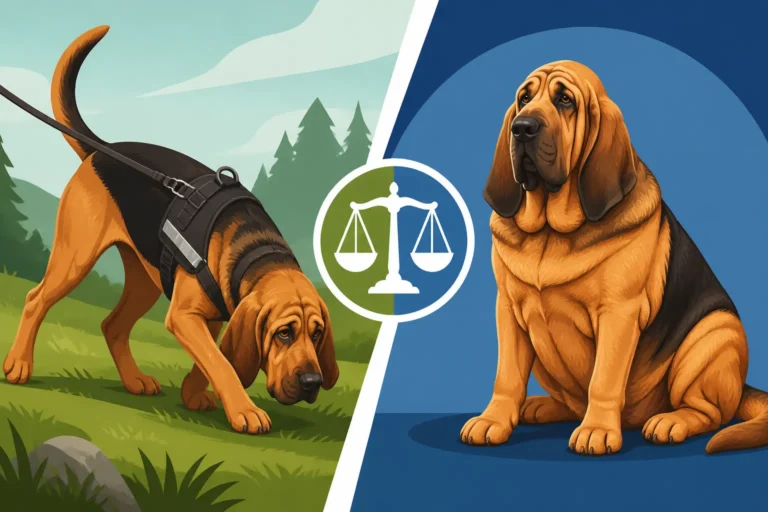
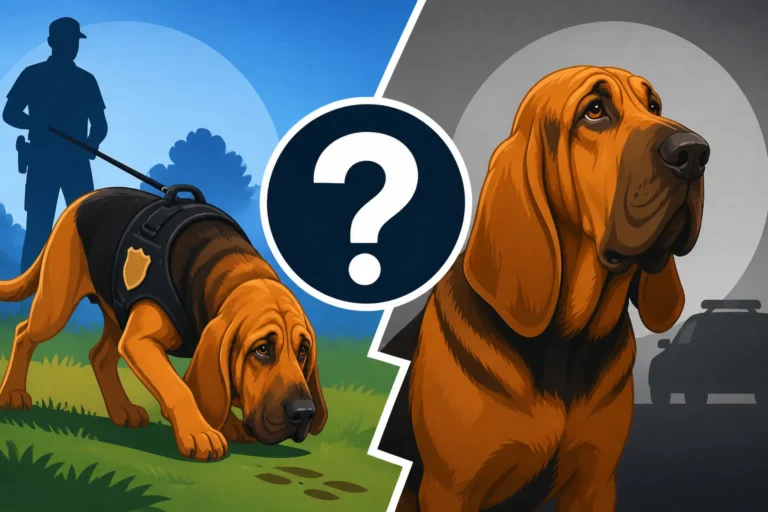
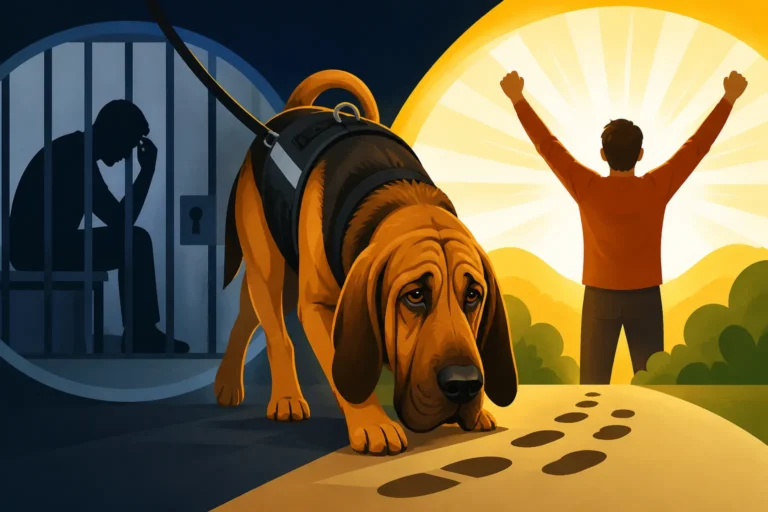
It’s a powerful image, isn't it? The phone rings late at night, a frantic voice on the other end, and you and your incredible Bloodhound are racing off into the darkness to find a lost child or a missing senior. Many Bloodhound owners dream of this very scenario, eager to put their dog’s unparalleled nose to work for the community. But the path to becoming a "called out" volunteer Bloodhound team is far more involved than simply having a dog with a good nose; it’s a demanding, multi-faceted journey that requires immense dedication from both ends of the leash. This guide will walk you through the realistic steps and expectations for getting your volunteer Bloodhound called out when it truly matters.
The Foundation: Building a Capable Volunteer Trailing Team
Before any agency can even consider calling upon you, you need to establish a rock-solid foundation as a trailing team. This means rigorous, consistent training for both you, the handler, and your magnificent Bloodhound. It’s not enough for your dog to just like sniffing; they need to understand how to work purposefully on a trail under all sorts of conditions.
More Than Just a Great Nose: The Human Half of the Equation
While your Bloodhound brings the superstar nose, you bring the brains, the navigation skills, the decision-making, and the physical endurance. Being a Bloodhound handler in a volunteer search capacity means you are often the most crucial piece of the puzzle on the ground. You're reading your dog's subtle cues, interpreting their body language, understanding scent theory, and communicating effectively with incident command. This isn't just walking a dog; it's a partnership where you're constantly analyzing the environment and your dog's response to it.
You'll need to master land navigation (map and compass, GPS), wilderness first aid (for both humans and canines), and possibly even participate in mock searches to understand incident command structures. Many volunteer organizations require handlers to pass written and practical exams on these subjects. Your physical fitness is also paramount; you might be hiking for hours over rough terrain in challenging weather conditions, carrying gear, all while keeping pace with your dog as they work the trail. It's a commitment that extends far beyond just loving your dog.
From Pet to Partner: The Bloodhound's Training Journey
Your Bloodhound might be a lovable goofball at home, but in a search scenario, they transform into a focused, driven working partner. This transformation doesn't happen overnight. It begins with basic obedience, but quickly escalates into specialized trailing techniques. Your dog needs to learn scent discrimination, meaning they must be able to stick to one specific human scent even when other human scents are abundant. This is incredibly challenging for a dog whose natural instinct is to explore all interesting smells. They need to learn to ignore distractions – other animals, food, loud noises, people watching – and remain fixated on the trail.
This training often involves laying long, complex trails that mimic real-world scenarios: urban environments, wooded areas, fields, through water, and over various surfaces. The trails can be hours or even days old. The dog also needs to build stamina and confidence to work independently, sometimes out of sight, while still communicating their progress to you via changes in their body language or behavior on the long line. It's truly incredible to watch a Bloodhound "turn on" its trailing brain, but it takes countless hours of practice and patience from both ends of the leash. This is why Mantrailing Is the Answer to a Bloodhound, Not Obedience for serious scent work.
The Importance of Breed-Specific Traits in Search Work
The Bloodhound isn't just any dog; it's a breed specifically developed over centuries for its unparalleled scenting ability. Its long, pendulous ears sweep scent particles towards its nose, and its loose skin, full of wrinkles, traps and holds scent, creating a funnel effect. More importantly, the sheer number of olfactory receptors in a Bloodhound's nose—often cited as being 40 times greater than a human's—means it can detect faint traces of scent invisible to other breeds. How Many Scent Receptors a Bloodhound Has really highlights this advantage.
Beyond the physical adaptations, Bloodhounds possess an incredible drive and tenacity. Once they lock onto a scent, they are notoriously single-minded. This intense focus, while sometimes a challenge in daily life (ever tried to call your Bloodhound off a really interesting sniff?), is precisely what makes them invaluable in search and rescue. They have the stamina to How Far a Bloodhound Will Follow a Trail for miles, sometimes over extremely difficult terrain, without losing interest. These inherent qualities are what breeders aim to preserve and what handlers cultivate through specialized training to make them effective search partners.
Becoming "Call-Out Ready": Certification and Team Integration
Once you and your Bloodhound have a strong training foundation, the next step is to legitimize your team through certification and integrate into an operational search and rescue (SAR) organization. This is where the rubber meets the road, proving your capabilities to agencies that might eventually "call you out."
The Rigors of Certification: What It Takes to Be Recognized
Certification is the process by which an independent body assesses your team's readiness and competence. It's not just a pat on the back; it's a demanding series of tests designed to ensure you meet a consistent, high standard of operational readiness. Organizations like the National Association for Search and Rescue (NASAR) or state-specific SAR associations offer various levels of certification. These tests evaluate both the handler's skills (navigation, incident command knowledge, first aid) and the dog's abilities (scent discrimination, ability to follow trails of varying age and difficulty, working through distractions).
Typically, you'll need to demonstrate proficiency in laying trails, reading your dog's indicators, and maintaining control in challenging environments. Certification isn't a one-time event; most require re-certification every one to three years to ensure skills remain sharp and current. It's a continuous journey of learning and proving your team's value, and it often involves significant financial investment in training, travel, and specialized gear. You can get an idea of the commitment by looking at articles like What an American Bloodhound Club Trailing Test Entry Costs, though SAR certification is often even more rigorous.
Joining an Existing Search and Rescue Organization
Very few individuals operate independently as "volunteer Bloodhound teams" that get called out directly. Instead, you'll almost certainly need to join an established search and rescue organization. These organizations act as a collective resource, providing structure, insurance, training opportunities, and a recognized channel for local, state, and federal agencies to request assistance. When you join, you'll likely go through a probationary period where you train with the team, learn their protocols, and integrate into the team culture.
These organizations often have specific internal certification processes in addition to or in lieu of national certifications. They provide mentorship, access to diverse training scenarios, and critical insights into how real-world searches operate. They also manage critical logistics like communications, safety protocols, and deployment coordination. Trying to get called out without being part of such an organization is incredibly difficult, as agencies need to know they're deploying a cohesive, well-trained unit, not just a random individual.
Equipment and Preparedness: Being Ready at a Moment's Notice
Being "call-out ready" means more than just having a trained dog. It means having all the necessary equipment ready to go at a moment's notice, often packed in a "go-bag" or clearly organized. For your Bloodhound, this includes their specialized What a Tracking Harness Costs for a Bloodhound and a durable How Long a Line a Bloodhound Handler Buys, often 30 feet or longer, spare collars, reflective gear for night work, water, high-energy food, and a comprehensive canine first-aid kit. You'll want to stock up on essentials, and places like Chewy offer a wide variety of durable and practical gear suitable for working dogs.
For yourself, you'll need appropriate clothing for all weather conditions, sturdy boots, navigation tools, headlamps, extra batteries, food, water, a personal first-aid kit, and communication devices. Some teams also carry scent article kits for initial deployment. What a Bloodhound's Scent Article Kit Costs can give you an idea of these specialized items. The reality is, when the call comes, it often comes at an inconvenient time – the middle of the night, during a holiday, or in bad weather. Being truly ready means having everything packed and easily accessible, so you can respond quickly and efficiently without scrambling for forgotten items.
The Call-Out Itself: How, When, and What to Expect
So, you've trained diligently, certified your team, and joined a recognized SAR organization. Now, what actually happens when that long-awaited call-out occurs? It's often less dramatic than Hollywood portrays, but no less critical.
Understanding the Chain of Command and Activation Protocols
The critical thing to understand is that volunteer SAR teams, including Bloodhound teams, are almost always activated by an official requesting agency. This might be local law enforcement (sheriff's office, police department), fire department, state emergency management, or park rangers. They don't typically call individual handlers; they call the SAR organization, which then activates its members according to established protocols.
When a requesting agency initiates a search, they contact the SAR organization's coordinator. This coordinator gathers initial information: missing person's last known location, last seen clothing, circumstances of disappearance, and potential scent articles. They then put out the call to relevant team members – often via text, email, or a dedicated alert system – specifying the type of search, location, and estimated duration. Responding to the call means acknowledging you're available and capable of deploying. It's a structured process designed for efficiency and accountability, ensuring the right resources are dispatched to the right place.
Types of Missions a Volunteer Bloodhound Might Respond To
Volunteer Bloodhound teams are primarily utilized for trailing specific human scent. This means they are invaluable in cases of missing persons where a last-known point and a scent article can be provided. Common scenarios include:
- Missing Children: Often the highest priority, requiring immediate deployment due to critical time constraints.
- Elderly or Vulnerable Adults: Individuals with dementia, Alzheimer's, or other cognitive impairments who wander off. Whether a Bloodhound Finds People With Dementia is a common and important use case.
- Runaways or Hikers: People who become lost in wilderness areas.
- Evidence Searches: Though less common for volunteer Bloodhound trailing teams, specialized scent detection dogs can be called for specific evidence.
- Cold Cases: Sometimes, older trails can be worked, though success rates depend heavily on environmental factors and the age of the scent.
The specific nature of the mission will dictate the urgency, the size of the deployment, and the tactical approach. Bloodhounds are generally not used for broad area searches like air scent dogs; they are focused on following a specific individual's trail.
On the Ground: What a Call-Out Day Looks Like
When you arrive at the incident command post (ICP), typically set up at a central location near the search area, you'll check in and receive a briefing. This will include details about the missing person, maps of the search area, and safety instructions. You'll then be assigned a specific area or trail to work. You'll likely be partnered with another SAR member, often a flanker who helps navigate, provides safety backup, and observes.
Working the trail with your Bloodhound is intense. You're constantly communicating with your dog through the long line, observing their behavior, and documenting your findings. Your primary goal is to follow the missing person's trail. This could lead you through dense brush, across roads, or through neighborhoods, all while your Bloodhound's nose is glued to the ground, processing scent. You'll be reporting your progress back to incident command, marking points of interest, and potentially finding articles of clothing or other clues. This is where your training as a handler, including Whether a Bloodhound Handler Must Be Qualified to Testify if a find is made that leads to a legal proceeding, becomes paramount.
A call-out can last for hours or even days, depending on the situation. It’s physically and mentally exhausting, and you need to be prepared for all outcomes, knowing that not every search ends with a successful live find.
Challenges and Rewards of Volunteer Trailing
Being a volunteer Bloodhound handler is undeniably challenging, but the rewards can be profound, making all the effort worthwhile.
The Emotional and Physical Toll on Handlers and Dogs
Searches are not always successful, and dealing with that reality can be incredibly tough. Handlers and dogs invest so much effort, hope, and skill into each mission. When a search doesn't result in a live find, or worse, ends with a recovery instead, it takes an emotional toll. You might deal with feelings of frustration, exhaustion, or grief. It's crucial for SAR organizations to have support systems in place for their members.
Physically, call-outs can push you and your dog to your limits. Long hours, extreme weather, rugged terrain, and sleep deprivation are common. Your Bloodhound, despite its incredible stamina, will also get tired. You need to be acutely aware of their physical well-being, watching for signs of overheating, dehydration, or paw injuries. Proper conditioning and understanding How Much Exercise a Bloodhound Actually Needs even outside of training are essential to keep your partner healthy and ready.
Maintaining Skills and Readiness Between Deployments
The nature of volunteer SAR means deployments can be sporadic. You might go weeks or months without a call-out, and then suddenly have several in a short period. This makes maintaining skills and readiness a constant challenge. You and your Bloodhound need to continue training regularly, even when there are no immediate deployments on the horizon. This includes practice trails, physical conditioning, and refreshing your navigation and first-aid knowledge.
There's also a significant financial commitment involved. What It Costs to Put a Bloodhound on a Trail encompasses everything from training fees, travel expenses, gear, and veterinary care for your working dog. Volunteer teams rarely get fully reimbursed for their expenses, although Whether Search and Rescue Teams Pay a Bloodhound's Expenses depends on the specific organization and its funding. This means a substantial personal investment is required to stay deployable.
The Unmatched Satisfaction of a Successful Find
Despite all the challenges, the rewards of being a volunteer Bloodhound handler are immense. There is nothing quite like the feeling of knowing your dog's incredible nose and your dedication made a difference. Whether it's finding a lost child, bringing closure to a family, or simply helping to narrow down a search area, the impact of a successful find is immeasurable. It validates every early morning training session, every dollar spent, and every frustrating moment on the trail.
The bond you build with your Bloodhound through this work is also unparalleled. You learn to trust each other implicitly, understanding subtle cues and communicating without words. For many Bloodhound owners, this opportunity to truly fulfill their dog's purpose and contribute meaningfully to the community is the ultimate satisfaction. It’s a testament to the incredible abilities of this breed and the dedicated humans who partner with them.
| Stage of Readiness | Handler Requirements | Bloodhound Requirements | Essential Gear (Examples) |
|---|---|---|---|
| Foundation Training | Basic obedience, scent theory knowledge, basic navigation | Basic obedience, scent discrimination, focus on article | Long line, tracking harness, scent articles, high-value treats (from Chewy) |
| SAR Team Integration | Advanced navigation, wilderness first aid, incident command protocols, team communication | Advanced trailing (age, distance, distractions), stamina, confidence | GPS, maps, first-aid kits (human & canine), comms gear, go-bag |
| Certification Ready | Demonstrated proficiency in all SAR skills, physical fitness | Proven ability to follow complex trails under various conditions | All previous gear, specific testing equipment, weather-appropriate clothing |
| Call-Out Deployable | Active SAR member, consistent training, mental resilience | Maintained certification, peak physical condition, strong drive | Fully stocked go-bag, sufficient water/food, reflective gear |
Disclaimer
This article is for general informational purposes only and does not constitute professional advice. Laws, prices and regulations vary by location and change over time. Consult a qualified professional for guidance on your specific situation.