Whether a Bloodhound Has Ever Been Wrong in Court
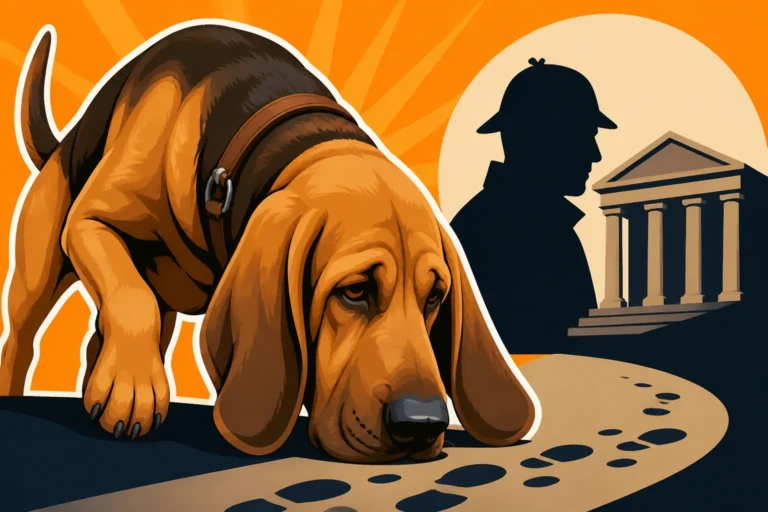
The idea of a Bloodhound, with its legendary nose, making a mistake in a court of law is a question that weighs heavily on anyone who relies on these incredible animals, or even just respects their abilities. It's a natural concern because when a Bloodhound's trail leads to a person, that evidence can become a pivotal part of a legal case. The frustrating reality is that while a Bloodhound's nose is almost infallibly accurate when it comes to scent, the way that information is gathered, interpreted, and presented in a courtroom involves many human elements where errors can, and sometimes do, occur. This guide will delve into the nuances of a Bloodhound's work in a legal context, exploring what "being wrong" truly means for these scent-tracking masters and how their evidence is handled in the justice system.
The Unmatched Scenting Ability of the Bloodhound
When we talk about a Bloodhound's ability, we're discussing something truly extraordinary. These dogs possess an olfactory system so profoundly developed that it sets them apart from virtually every other breed. Their long, pendulous ears and wrinkled skin are not just charming breed characteristics; they actually serve a purpose in scent detection, sweeping and trapping scent particles toward their massive noses. This physiological advantage, combined with an insatiable drive to follow a scent, makes them unparalleled in the world of tracking.
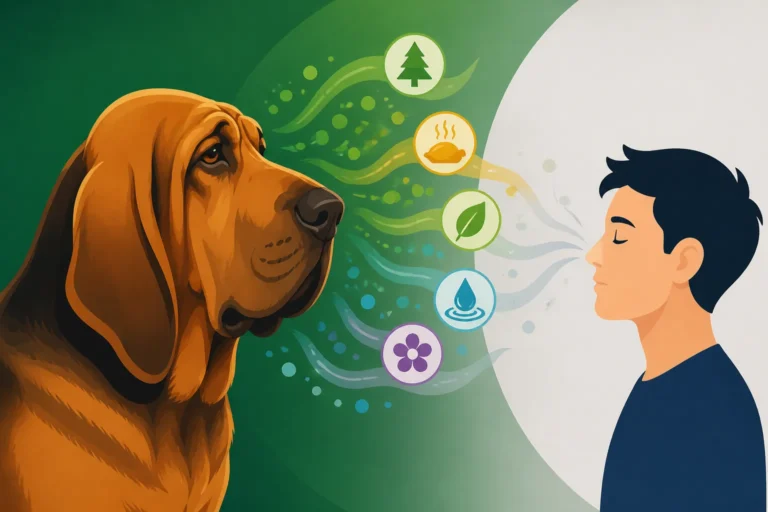
A Bloodhound doesn't just smell "a person"; it smells the unique "odor signature" of an individual. This signature is a complex cocktail of skin cells, sweat, hormones, and environmental factors that slough off a person's body constantly. When a Bloodhound is given a scent article from a specific person, it essentially creates a mental fingerprint of that individual's unique smell and then systematically follows that specific trail, ignoring countless other scents in its environment. It's an astounding feat of canine biology and focus. This capability is precisely why The Bloodhound Is the Only Dog Whose Evidence Stands in Court.
Why a Bloodhound's Nose Is So Exceptional
Let's get into the nitty-gritty of why a Bloodhound's nose is in a league of its own. It's not just about having a good sense of smell; it's about the sheer volume of olfactory receptors, the structure of their nasal passages, and the dedicated part of their brain that processes scent. Humans have around 5 million scent receptors; a Bloodhound boasts an estimated 300 million. Think about that difference – it's like comparing a compact car to a supercomputer in terms of data processing power.
Their long muzzles provide ample surface area for these receptors, and the moist interior of their nose helps trap scent particles. Furthermore, the way air flows through their nasal passages allows them to exhale and inhale simultaneously, maintaining a continuous flow of scent detection without interruption. This anatomical marvel means they can truly discern What a Bloodhound Is Actually Smelling on a Trail, breaking down a complex scent into its individual components and isolating the one they're focused on. This deep dive into scent is why they can follow trails that are hours, or even days, old, across varied terrain and through urban environments teeming with distracting smells.
The Trailing Drive and Focus
Beyond the biological hardware, a Bloodhound possesses an innate, almost obsessive, drive to trail. Once they're "on scent," their world shrinks to that single, invisible thread they are following. Distractions that would derail other breeds—squirrels, other dogs, even their beloved owners—often go unnoticed. This intense focus is what makes them so effective in search and rescue and law enforcement. They are not easily deterred by changes in terrain, weather, or the passage of time.
This drive is also why traditional obedience training often takes a backseat to mantrailing specific training for these dogs. Mantrailing Is the Answer to a Bloodhound, Not Obedience because it harnesses their natural instinct rather than trying to suppress it. A handler's job isn't to make the Bloodhound trail, but to guide and support its natural ability, ensuring the dog stays focused on the correct scent. This focus is critical because any interruption or external influence can potentially compromise the integrity of the trail, leading to questions about its accuracy later.
When "Wrong" Enters the Equation: Human Factors and Misinterpretation
Given the Bloodhound's incredible scenting prowess, it’s rarely the dog itself that is "wrong." More often, perceived errors stem from human factors: how a trail is managed, how the dog's behavior is interpreted, or how the evidence is presented in court. A Bloodhound doesn't fabricate a trail or intentionally mislead; it simply follows the purest, strongest, or most recent scent it has been imprinted with. The challenge lies in ensuring that imprint is accurate and that external influences don't confuse the process.
Think of it this way: a highly sensitive scientific instrument provides precise data. If the person operating the instrument makes a mistake, or if the sample itself is contaminated, the resulting conclusion might be incorrect, even though the instrument itself functioned perfectly. The same principle applies to a Bloodhound's work. It's about the context and handling around their incredible natural ability.
Contamination and Scene Management
One of the biggest culprits in compromising a Bloodhound's trail is scent contamination at the scene. Every person who walks through an area leaves their scent behind. If a crime scene isn't properly secured and managed, and multiple individuals—officers, first responders, curious onlookers—enter the area, their scents can mix with or even overwhelm the scent of the person being tracked. While a skilled Bloodhound can often pick out a specific target scent even in a "scent soup," it makes their job infinitely harder and introduces more variables.
For instance, if a scent article (like a piece of clothing from the suspect) is not handled meticulously, it can pick up the handler's scent or another person's scent, leading the dog down an unintended path. The chain of custody for scent articles is as crucial as it is for any other piece of physical evidence. A proper scent article should only contain the target's scent, minimizing any extraneous odors that could confuse the dog. Imagine preparing for a search, you’ve gathered all your gear, perhaps even a new harness or specialized training treats from Chewy, but the critical scent article was carelessly handled without gloves. Even the faint human scent from a bare hand can become a distraction for a dog whose nose is as sensitive as a Bloodhound's.
Handler Errors and Interpretation
The handler plays an absolutely vital role in the success and accuracy of a Bloodhound's work. A handler is not just holding the leash; they are reading the dog, understanding its subtle cues, and interpreting its actions. This is a complex skill developed over years of training and experience. A handler's misinterpretation of the dog's behavior—for example, mistaking a momentary loss of scent for a change in direction, or pushing the dog too hard when it needs a break—can lead to errors.
Furthermore, a handler must adhere to strict protocols regarding how the scent article is presented, how the trail begins, and how the dog is managed throughout the search. If a handler subconsciously leads the dog, or provides cues that influence the dog's natural trailing, the integrity of the trail is compromised. This is why Whether a Bloodhound Handler Must Be Qualified to Testify is such an important legal question. A handler's training, experience, and adherence to established standards are often scrutinized in court to determine the reliability of the evidence. They learn how to read everything from a flagging tail to the subtle shift in ear position to know if the dog is still on scent or has lost it. What a Bloodhound Does When It Loses the Trail is a critical cue for any handler to recognize, indicating it's time to re-establish the scent or declare the trail lost.
Environmental Challenges and Limitations
Even the most skilled Bloodhound and handler team can face environmental challenges that make a trail difficult or impossible to follow. Extreme weather conditions like heavy rain can wash away scent, strong winds can disperse it, and intense heat can degrade it quickly. Whether Rain Destroys a Bloodhound's Trail is a common concern, and while rain can certainly dilute scent, Bloodhounds have still been known to work through it, albeit with more difficulty.
Urban environments present a different kind of challenge. A sidewalk in a busy city, for example, is covered in a bewildering array of human scents, exhaust fumes, and other odors. While a Bloodhound can separate one person's scent from a crowd, the sheer volume can slow them down and make the task more arduous. Factors like hard surfaces (asphalt, concrete) can also make scent detection harder compared to natural surfaces like grass or soil, which hold scent better. Whether Asphalt Holds Scent for a Bloodhound is often debated, but generally, porous surfaces are better scent repositories. In such complex environments, a Bloodhound might work a scent slower, or perhaps even indicate a weaker scent, which a handler must correctly interpret.
The Legal Context of Bloodhound Evidence and Challenges
The legal system has long recognized the unique capabilities of Bloodhounds, granting their testimony a special, if sometimes controversial, status. However, this acceptance comes with caveats and requires corroborating evidence. The question isn't whether the dog is wrong, but whether the evidence derived from the dog's work is reliable enough to stand alone or if it's flawed due to surrounding circumstances.
While some jurisdictions have historically accepted Bloodhound evidence with a certain reverence, modern courts are increasingly sophisticated in their examination of scientific and expert testimony. They understand the difference between the dog's natural ability and the human element in its deployment and interpretation.
Admissibility and Corroboration
In many jurisdictions, Bloodhound evidence, while admissible, is typically not considered conclusive on its own. It nearly always requires corroborating evidence to strengthen the case. This means the Bloodhound's trail cannot be the only thing linking a suspect to a crime. There must be other pieces of the puzzle—fingerprints, eyewitness accounts, DNA, alibi inconsistencies, or other forensic findings—that align with the Bloodhound's indications. Whether a Bloodhound's Trail Needs Corroborating Evidence is a crucial point that safeguards against relying solely on an animal's actions, however accurate they may be.
The legal system understands that while a Bloodhound's nose is highly accurate, the human factors involved—from scent preservation to handler interpretation—introduce potential for error. Corroboration serves as a vital check, ensuring that a person is not unjustly accused based on a single, potentially misunderstood, piece of evidence.
Challenging Bloodhound Evidence in Court
Defense attorneys frequently challenge Bloodhound evidence, and they have valid grounds for doing so. They're not usually arguing that the dog's nose doesn't work; instead, they focus on the weaknesses in the human elements surrounding the trail. Common challenges include:
- Scent Contamination: Arguing that the original scent article was contaminated or that the crime scene wasn't properly preserved, leading the dog down a false trail.
- Handler Qualifications and Training: Questioning the handler's experience, certification, and adherence to established trailing protocols. Was the handler truly experienced? Did they follow best practices, perhaps acquired through specialized courses or resources from places like Chewy that cater to working dog needs?
- Environmental Factors: Highlighting challenging environmental conditions (weather, dense urban settings) that could have negatively impacted the dog's ability to accurately follow a scent.
- Lack of Corroboration: Emphasizing that the Bloodhound's trail is the only piece of evidence, and thus insufficient for conviction.
Whether a Defense Can Challenge a Bloodhound's Trail is not just possible; it's a standard and necessary part of legal proceedings where this kind of evidence is introduced. This rigorous examination ensures that the unique nature of Bloodhound evidence is held to the highest standards of reliability.
Notable Instances and What We Learn
While it's rare for a Bloodhound itself to be "wrong" in the sense of intentionally lying or fabricating a scent, there have been historical cases where Bloodhound evidence led to an arrest, only for the individual to later be exonerated. In almost all these instances, the problem wasn't the dog's nose, but rather the human element:
- Misinterpretation: A handler might interpret a dog's casting (searching for scent) as moving forward on a trail, or might mistakenly identify the end of a trail.
- Contamination: A scent article might have been accidentally swapped or contaminated with another person's scent before the trail began.
- Over-reliance: Juries or investigators might have placed too much weight on the Bloodhound's work without sufficient corroborating evidence.
These cases underscore the importance of strict protocols, ongoing training, and the necessity of corroborating evidence. They teach us that even with the most accurate tool, human oversight and interpretation are paramount. The reliability of a Bloodhound's work is maximized when the handler is highly trained, the scene is meticulously managed, and the trail is considered one piece of a larger investigative puzzle, not the entire solution.
Mitigating Risks and Ensuring Accuracy
The potential for "error" in Bloodhound evidence doesn't diminish their incredible value; instead, it highlights the importance of rigorous standards and continuous improvement in the field of scent work. Those who work with Bloodhounds, whether in law enforcement, search and rescue, or competitive mantrailing, are acutely aware of these factors and strive to minimize any chance of misinterpretation or compromised evidence.
Professional Training and Certification
Top-tier Bloodhound teams undergo extensive training and certification processes. This isn't just about teaching the dog to follow a scent; it's about training the handler to be an expert in reading their dog, understanding scent dynamics, and maintaining meticulous scene protocols. Handlers learn how to lay practice trails, work in varied environments, and understand the subtle communication their dog provides.
Organizations like the National Police Bloodhound Association or the American Bloodhound Club set standards for training and certification, ensuring that teams meet a baseline of proficiency. This includes proficiency in starting a trail, working through distractions, indicating a find, and handling scent articles. A well-trained team uses a range of equipment, from specialized harnesses for trailing, readily available from retailers like Chewy, to GPS devices for mapping the trail. This commitment to professional development ensures the highest degree of accuracy and reliability for canine evidence.
Documenting the Trail
Comprehensive documentation is another critical aspect of ensuring accuracy and defending Bloodhound evidence in court. Every aspect of the trail is meticulously recorded:
- Weather conditions: Temperature, humidity, wind direction and speed.
- Terrain: Type of ground, obstacles, and environmental features.
- Scent article: Description, chain of custody, and how it was presented.
- Dog's behavior: Detailed notes on how the Bloodhound worked, its indications, and any challenges encountered.
- GPS tracking: Precise mapping of the entire trail, including starting and ending points.
This detailed record provides an objective account of the search, allowing for scrutiny and analysis. It helps to address any challenges made against the evidence by demonstrating the thoroughness and professionalism of the operation.
Acknowledging Limitations and Collaboration
Responsible Bloodhound handlers and trainers understand that their dogs are powerful tools, but not infallible ones. They are transparent about the limitations of scent evidence and advocate for its use in conjunction with other investigative techniques. Collaboration with other forensic specialists, crime scene technicians, and investigators is crucial. The Bloodhound provides a piece of the puzzle, and it's up to the entire team to put that puzzle together responsibly.
Moreover, the training never truly ends. Even experienced teams continue to practice, refine their skills, and learn from every deployment. This dedication to continuous improvement, using tools and resources often found at places like Chewy for dog enrichment and health, helps ensure that when a Bloodhound is called upon to work a case, its contribution is as accurate and reliable as humanly possible, minimizing any chance of being "wrong" in the legal sense.
Here's a quick look at the factors influencing Bloodhound trailing accuracy:
| Factor | Impact on Accuracy | Mitigating Strategy |
|---|---|---|
| Scent Contamination | Can dilute or obscure target scent, leading to false trails. | Strict scene security, proper scent article handling. |
| Environmental Conditions | Extreme weather (rain, wind, heat) degrades scent rapidly. | Work swiftly, deploy in optimal conditions when possible, understand limitations. |
| Handler Experience | Inexperienced handlers may misinterpret dog cues or influence the dog. | Extensive training, certification, continuous practice, mentorship. |
| Dog's Health/Focus | Illness, fatigue, or distraction can affect performance. | Regular health checks, appropriate rest, positive reinforcement, proper nutrition (from trusted sources like Chewy). |
| Trail Age | Older trails are fainter and harder to follow. | Rapid deployment after incident, understanding scent degradation rates. |
| Surface Type | Porous surfaces (soil, grass) hold scent better than hard surfaces (asphalt). | Awareness of surface impact, varied training environments. |
In conclusion, while a Bloodhound's nose is a scientific marvel that rarely makes a direct error, the human elements surrounding its work—from managing a scene to interpreting its actions—introduce potential for the evidence derived from its trail to be misinterpreted or challenged in court. Understanding these nuances is key to appreciating the invaluable contribution of these incredible dogs to law enforcement and search efforts, while also safeguarding the integrity of the justice system.
Disclaimer
This article is for general informational purposes only and does not constitute professional advice. Laws, prices and regulations vary by location and change over time. Consult a qualified professional for guidance on your specific situation.