How Fast Bloat Kills a Bloodhound
The fear of bloat, or Gastric Dilatation-Volvulus (GDV), is a heavy cloud hanging over the heart of every Bloodhound owner. It’s not just a concern; it’s a terrifying race against the clock where every single second feels like an eternity. This guide is here to shed light on just how quickly this life-threatening condition can escalate and what you need to know to give your beloved Bloodhound the best possible chance when seconds truly count.
Understanding the Immediate Danger of Bloodhound Bloat
When we talk about bloat in Bloodhounds, we're not just discussing a gassy stomach. We're talking about a condition that quickly turns deadly, often with little warning. It's a medical emergency that demands immediate action, far more urgent than many other common canine ailments. The deep, narrow chest conformation of a Bloodhound, while magnificent, unfortunately, makes them particularly susceptible to this devastating condition.
Why Bloodhounds Are Particularly Susceptible to Bloat
Bloodhounds, like many large and giant breed dogs, possess a unique anatomical predisposition to Gastric Dilatation-Volvulus (GDV). Their chests are deep and relatively narrow, creating a larger abdominal cavity space where the stomach can shift and rotate more easily. It's not a flaw, but rather a characteristic of their build, one that we as owners must always be mindful of. Imagine a large balloon, partially inflated, within a loosely packed box; it has room to move and twist. That's a simplified way to visualize what can happen with your Bloodhound's stomach.
This predisposition isn't just about the physical shape, either. Factors like genetics, eating habits, and even stress can play a role. It's a complex interplay of internal and external triggers that culminate in the stomach distending with gas and then, critically, twisting upon itself. You can learn more about how their unique build contributes to this risk in our article, Why a Bloodhound's Chest Shape Causes Bloat.
The Mechanics of Stomach Torsion and its Rapid Impact
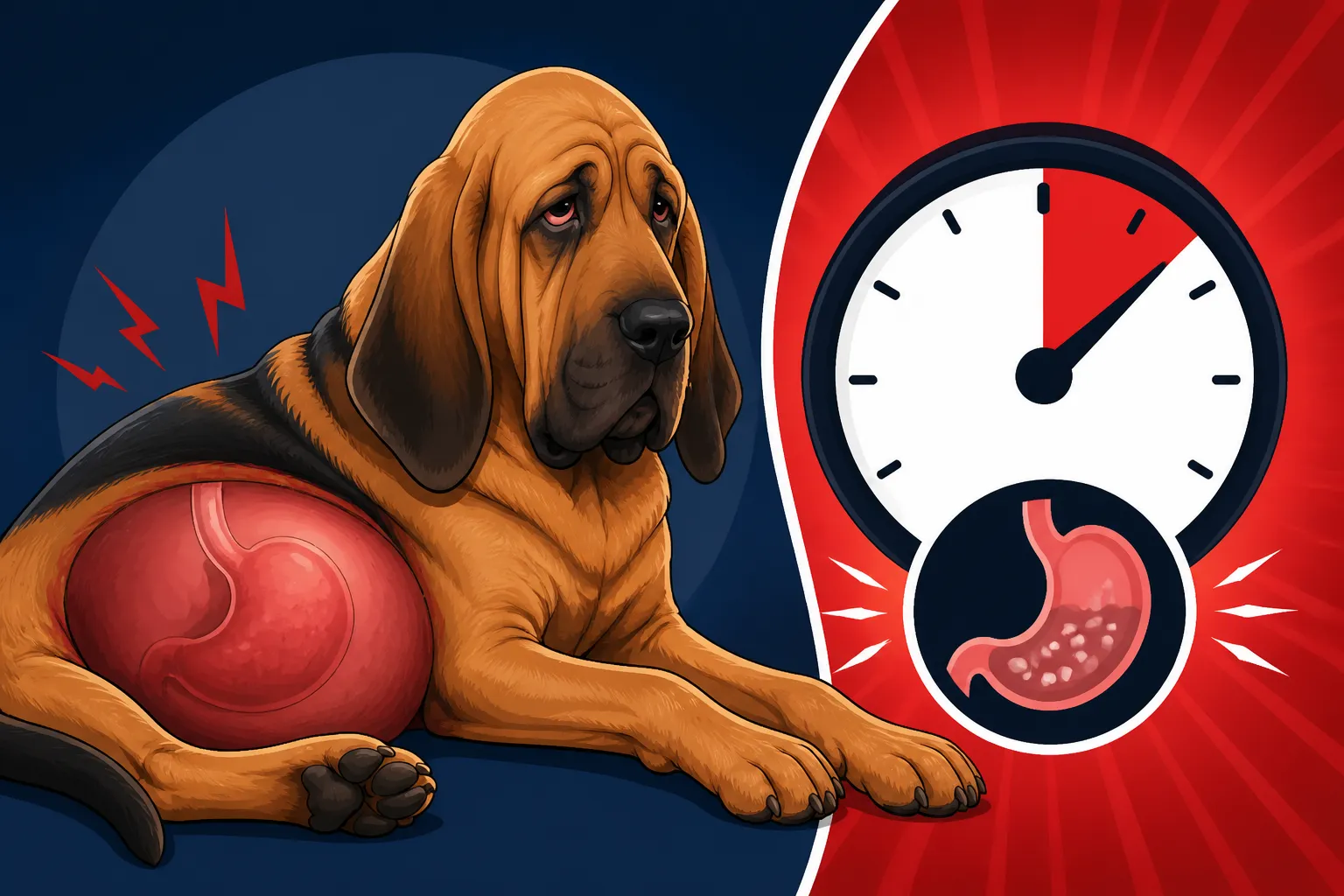
The terrifying part of GDV isn't just the gas accumulation, known as gastric dilatation; it's the "volvulus" part – the stomach twisting. When the stomach twists, it effectively clamps off both its entrance and exit. This means any gas, fluid, or food trapped inside has no escape. The pressure builds rapidly, distending the stomach further, pushing against the diaphragm, and making it incredibly difficult for your Bloodhound to breathe.
But the danger doesn't stop there. This twisting also cuts off the blood supply to the stomach wall itself, leading to tissue death. Even more critically, it can compress major blood vessels, including the vena cava, which returns blood to the heart. This drastically reduces blood flow throughout the entire body, leading to a state of shock, organ damage, and ultimately, heart failure. The speed at which this cascade of events unfolds is truly shocking, often leaving owners mere minutes, not hours, to respond effectively. This is why knowing Signs a Bloodhound Is Bloating is absolutely vital.
The Swift and Relentless Progression of Bloat
Bloat doesn't dally. It doesn't give you days to observe or ponder. From the first subtle signs, the clock starts ticking, and the condition can deteriorate at an alarming rate. Understanding this progression is key to appreciating the urgency required for intervention.
From Gas Accumulation to Full Torsion
The initial stage of bloat often involves the stomach simply filling with gas, also known as gastric dilatation. This can happen relatively quickly, perhaps after a large meal, vigorous exercise, or even just swallowing too much air. At this point, your Bloodhound might look uncomfortable, restless, or have a slightly distended abdomen. This alone isn't immediately life-threatening, but it's a huge red flag because it creates the perfect conditions for the stomach to twist.
The critical moment is when that gas-filled stomach rotates. This can happen in a matter of minutes. One moment your dog might just seem uneasy; the next, they are in profound distress as the stomach twists 180 to 360 degrees or more. This torsion is the game-changer, sealing off the stomach and initiating the rapid, life-threatening chain of events. The distinction between simple gas and actual torsion can be hard to determine without veterinary help, but the signs of discomfort will intensify drastically once torsion occurs.
The Impact on Vital Organs and Systemic Shock
Once the stomach has twisted, the internal damage accelerates at a terrifying pace. The expanding stomach puts immense pressure on the diaphragm, making it hard for your Bloodhound to take a full breath. Their breathing will become shallow and labored. More dangerously, the trapped gas and twisted anatomy put pressure on the major blood vessels, especially those returning blood from the hindquarters and abdomen to the heart. This reduces blood pressure and the amount of oxygenated blood circulating through the body.
This leads to systemic shock. The heart struggles to pump blood effectively, and vital organs like the kidneys, liver, and brain begin to suffer from a lack of oxygen. Toxins can also build up as blood flow is compromised. The spleen, often attached to the stomach, can also become twisted and damaged, sometimes requiring removal during surgery. Without intervention, this systemic shutdown quickly leads to death. This swift decline is why Bloat Is What Kills Most Bloodhounds, making it the single most feared condition for owners of this breed.
The Critical Window: Minutes Matter Most
When bloat strikes a Bloodhound, the window of opportunity for successful intervention is incredibly narrow. We often talk about "golden hours" in emergency medicine, but with GDV, it's more like a "golden hour" – singular – and even that can be optimistic depending on the severity and individual dog.
The First Hour: A Race Against Time
From the moment stomach torsion occurs, the first 60 minutes are absolutely paramount. During this initial hour, your Bloodhound will likely show increasingly severe symptoms. They might be pacing frantically, trying to vomit unsuccessfully (retching), drooling excessively, and their abdomen will likely begin to swell visibly and feel hard to the touch. The pain will be intense, and they might whine, groan, or look back at their abdomen in distress.
The primary goal during this first hour is to get your Bloodhound to an emergency veterinary clinic. Every minute counts. Delaying even for "just a little while to see if it gets better" can be fatal. The longer the stomach remains twisted, the greater the damage to the stomach tissue, the more profound the shock, and the lower the chances of survival, even with surgery. The vet needs this time to confirm the diagnosis, stabilize your dog, and prepare for immediate surgery. This is what we mean when we discuss The Half Hour a Bloating Bloodhound Has.
What Happens Beyond the Initial Hours
If a Bloodhound with GDV doesn't receive veterinary care within the first few hours, the prognosis becomes increasingly grim. After two to three hours, the stomach tissue that has lost its blood supply starts to become necrotic, meaning it begins to die. This dead tissue releases toxins into the bloodstream, further worsening shock and potentially leading to sepsis. The risk of cardiac arrhythmias (irregular heartbeats) also increases significantly, and these can be directly fatal.
Beyond four to six hours, the damage can become irreversible. Even if surgery is performed, a large portion of the stomach might need to be removed, which carries its own set of complications and can impact long-term quality of life. The internal organs will have suffered prolonged oxygen deprivation, and the body's systems will be shutting down. Tragically, many Bloodhounds will succumb to the condition before they even reach this point without intervention. Having robust pet insurance, like a comprehensive plan from Healthy Paws, can remove financial barriers and ensure you can make the fastest, most effective decision for your dog without hesitation.
The Vital Role of Prompt Veterinary Intervention
Given the rapid and life-threatening nature of bloat, immediate and expert veterinary intervention is not just recommended, it is absolutely essential. There is no home remedy or wait-and-see approach that will save a dog from GDV.
Diagnosing and Stabilizing Your Bloating Bloodhound
When you arrive at the emergency vet with a suspected bloat case, the team will spring into action. They'll perform a quick physical exam, often including palpating the abdomen. A definitive diagnosis usually involves an X-ray, which will clearly show a gas-filled, twisted stomach. This is often described as a "double bubble" appearance. Once GDV is confirmed, stabilization efforts begin immediately.
This typically includes administering intravenous (IV) fluids to combat shock and improve blood pressure, pain medication to manage their intense discomfort, and often antibiotics to prevent infection from damaged tissues. In some cases, the vet may attempt to decompress the stomach by passing a tube down the esophagus, or if that's not possible, by carefully inserting a large needle through the abdominal wall directly into the stomach to release gas. While these steps are critical, they are merely preparatory for the definitive treatment: surgery.
The Emergency Surgery: A Bloodhound's Best Hope
Emergency surgery is the only definitive treatment for GDV. During the procedure, the veterinary surgeon will carefully de-rotate the stomach, returning it to its normal position. They will then assess the viability of the stomach wall, removing any dead or compromised tissue. They will also inspect the spleen, which can often be damaged or twisted during bloat and may require removal if blood flow is too compromised.
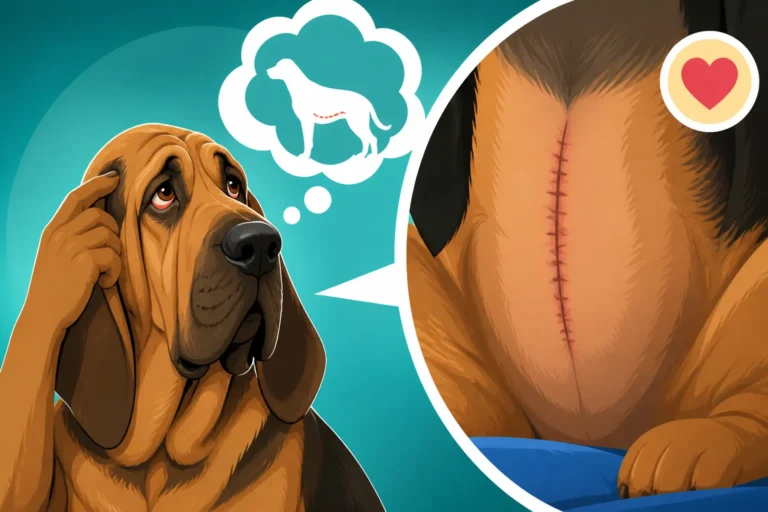
Crucially, the surgeon will also perform a gastropexy. This is a procedure where the stomach is permanently tacked, or sutured, to the abdominal wall. This isn't a cure for bloat, but it is incredibly effective at preventing future volvulus (twisting). While a dog can still get gastric dilatation (gas buildup) even after a gastropexy, the stomach cannot twist, which is the truly deadly component of GDV. This procedure is so important that many owners elect to have it done preventatively, often at the time of spay or neuter. You can explore this further in What a Preventive Gastropexy Does for a Bloodhound. Having insurance coverage from a company like Healthy Paws can significantly ease the financial burden of such a critical emergency surgery.
Prognosis and Prevention: Improving the Odds
While bloat is terrifying and rapid, understanding the prognosis and taking proactive preventive steps can make a substantial difference in your Bloodhound's health journey.
Survival Rates and Post-Operative Care
The survival rate for Bloodhounds that undergo emergency surgery for GDV is generally good if they reach the clinic quickly and receive prompt care. Studies suggest that with surgery, survival rates can be between 75% and 85%. However, this rate decreases significantly if surgical intervention is delayed, if there's extensive tissue damage, or if severe cardiac arrhythmias develop. The faster they get to surgery, the better their chances.
Post-operative care is also critical. Bloodhounds typically remain hospitalized for several days, requiring close monitoring for complications like cardiac arrhythmias, peritonitis (inflammation of the abdominal lining), and continued shock. They'll receive IV fluids, pain management, and antibiotics. Owners must be diligent with follow-up care at home, including restricted activity and a special diet for a period. It's a challenging recovery, but one that many Bloodhounds make fully. Our guide on Whether a Bloodhound Survives Bloat offers more detail.
The Case for Proactive Gastropexy
Given the speed and severity of GDV, many Bloodhound owners and veterinarians advocate for a prophylactic (preventative) gastropexy, especially for breeds at high risk. This elective surgery permanently attaches the stomach to the abdominal wall before bloat occurs, dramatically reducing the risk of the stomach twisting. While a prophylactic gastropexy doesn't prevent gas buildup, it prevents the volvulus that makes bloat so deadly.
This procedure can often be performed at the same time as a spay or neuter, which reduces the overall cost and the number of times your dog needs anesthesia. It can be done traditionally or laparoscopically, which is a less invasive option. Considering that Bloat Is What Kills Most Bloodhounds, this preventative measure is a powerful tool in extending their lives and reducing immense suffering. Many consider it a standard part of responsible Bloodhound ownership, a decision discussed further in The Gastropexy Decision Every Bloodhound Owner Faces. This is where pet insurance, like a plan from Healthy Paws, can really make a difference, as some policies cover preventative procedures or significantly reduce the cost of emergency surgery should it occur despite prevention efforts.
Beyond Surgery: Long-Term Management and Awareness
Even after a successful surgery or a preventative gastropexy, being a Bloodhound owner means remaining vigilant and adapting certain aspects of their care to mitigate risks. Awareness is your best defense.
Dietary Adjustments and Feeding Practices
One of the most common pieces of advice for managing bloat risk is to adjust feeding practices. While specific recommendations can vary, general guidelines include feeding multiple smaller meals throughout the day instead of one large one. This prevents the stomach from becoming excessively full, which can contribute to gas buildup. Avoiding vigorous exercise immediately before and after meals is also crucial, as activity can cause the stomach to jostle and potentially twist.
Consider a slow-feeder bowl if your Bloodhound tends to "bolt" their food, as rapid eating can lead to swallowing excessive air. Some owners opt to soak their kibble to reduce gas, though this practice has mixed scientific support. Each Bloodhound is an individual, so working with your veterinarian to establish the best feeding regimen for your specific dog is always recommended. Even with a gastropexy, these practices are beneficial as a gastropexied Bloodhound can still accumulate gas, even if it can't twist.
Recognizing Recurrence and Post-Gastropexy Vigilance
While a gastropexy significantly reduces the risk of volvulus, it doesn't eliminate the possibility of gastric dilatation. A dog with a tacked stomach can still experience gas buildup, which can cause discomfort, pain, and symptoms that mimic the early stages of bloat. The key difference is that the stomach cannot twist, meaning the condition is typically less immediately life-threatening. However, recognizing these signs is still important, as severe distention can still cause problems and warrants veterinary attention.
Knowing Whether a Bloodhound That Bloated Once Bloats Again is essential. If your Bloodhound has had a gastropexy, and you notice signs of discomfort, pacing, or a distended abdomen, call your vet. They can advise on whether an immediate visit is necessary to rule out other issues or to address severe gas accumulation. Remaining vigilant is a lifelong commitment for Bloodhound owners, but it's one we gladly undertake for these incredible hounds.
| Bloat Symptom Severity | Early Signs (Possible Gas) | Moderate Signs (Likely Torsion) | Severe Signs (Emergency) |
|---|---|---|---|
| Timeframe | Minutes to an hour | 1-2 hours after onset | 2+ hours after onset |
| Behavior | Restlessness, pacing, panting | Retching (unproductive vomiting), drooling, looking at abdomen, whining | Collapse, extreme weakness, pale gums, rapid shallow breathing, unable to stand |
| Abdomen | Slightly distended, uncomfortable to touch | Noticeably swollen, firm, taut | Grossly distended, drum-like, very painful to touch |
| Breathing | Normal to slightly increased | Labored, shallow, rapid | Very labored, gasping, signs of respiratory distress |
| Gums | Normal | Dark pink, red, or slightly pale | Very pale, white, or bluish |
| Urgency | Call vet immediately | Immediate emergency vet visit | Immediate emergency vet visit, every second counts |
The Lasting Impact and Owner Preparedness
Living with a Bloodhound means living with the constant awareness of bloat. It's an unspoken understanding among owners that this isn't just a possibility, but a threat that demands preparedness.
Emotional Toll on Owners
Witnessing a Bloodhound experiencing bloat is an incredibly traumatic event for owners. The speed at which it strikes, the intense pain your dog is in, and the knowledge that every second truly counts can lead to feelings of helplessness, guilt, and profound fear. Even if your dog survives, the memory of that terrifying rush to the emergency clinic and the agonizing wait during surgery can linger for a long time. It's a stark reminder of the fragile nature of life and the deep bond we share with our hounds.
Many owners express a sense of heightened anxiety, constantly monitoring their Bloodhound for any subtle change in behavior or appearance. This emotional burden is significant, and it’s important for owners to acknowledge these feelings and seek support if needed. This shared experience is one reason the Bloodhound community is often so close-knit, united by the universal fear of GDV.
Emergency Preparedness: What Every Bloodhound Owner Needs
Being prepared is the single most powerful tool you have against bloat. This means not just knowing the signs, but having a concrete plan of action.
First, know your nearest 24-hour emergency veterinary clinic and have their number readily accessible. Don't wait until an emergency strikes to find out where to go. Map the fastest route from your home and even from common walking spots.
Second, discuss bloat and gastropexy with your regular veterinarian. Understand their protocols and what they recommend for your specific Bloodhound. Have an open conversation about The Age a Bloodhound Should Have a Gastropexy or if a rescue has already had one, How to Tell If a Bloodhound Has Been Gastropexied.
Third, consider pet insurance. The cost of emergency bloat surgery can be thousands of dollars, a sudden financial burden that no one wants to face during a crisis. A good pet insurance plan, like those offered by Healthy Paws, can cover a significant portion of these costs, allowing you to focus solely on your dog's care without financial stress.
Finally, educate yourself and anyone who cares for your Bloodhound (family members, dog walkers, pet sitters) on the signs of bloat and the critical need for immediate action. The more people who are aware, the better your Bloodhound's chances.
It’s a heavy responsibility, owning a Bloodhound and being ever-aware of bloat, but their incredible noses, gentle temperaments, and loyal hearts make them worth every precaution.
Disclaimer
This article is intended for informational purposes only and does not constitute medical advice. Always consult with a qualified veterinarian for any health concerns or before making any decisions about your Bloodhound's care, especially in an emergency situation like suspected bloat.