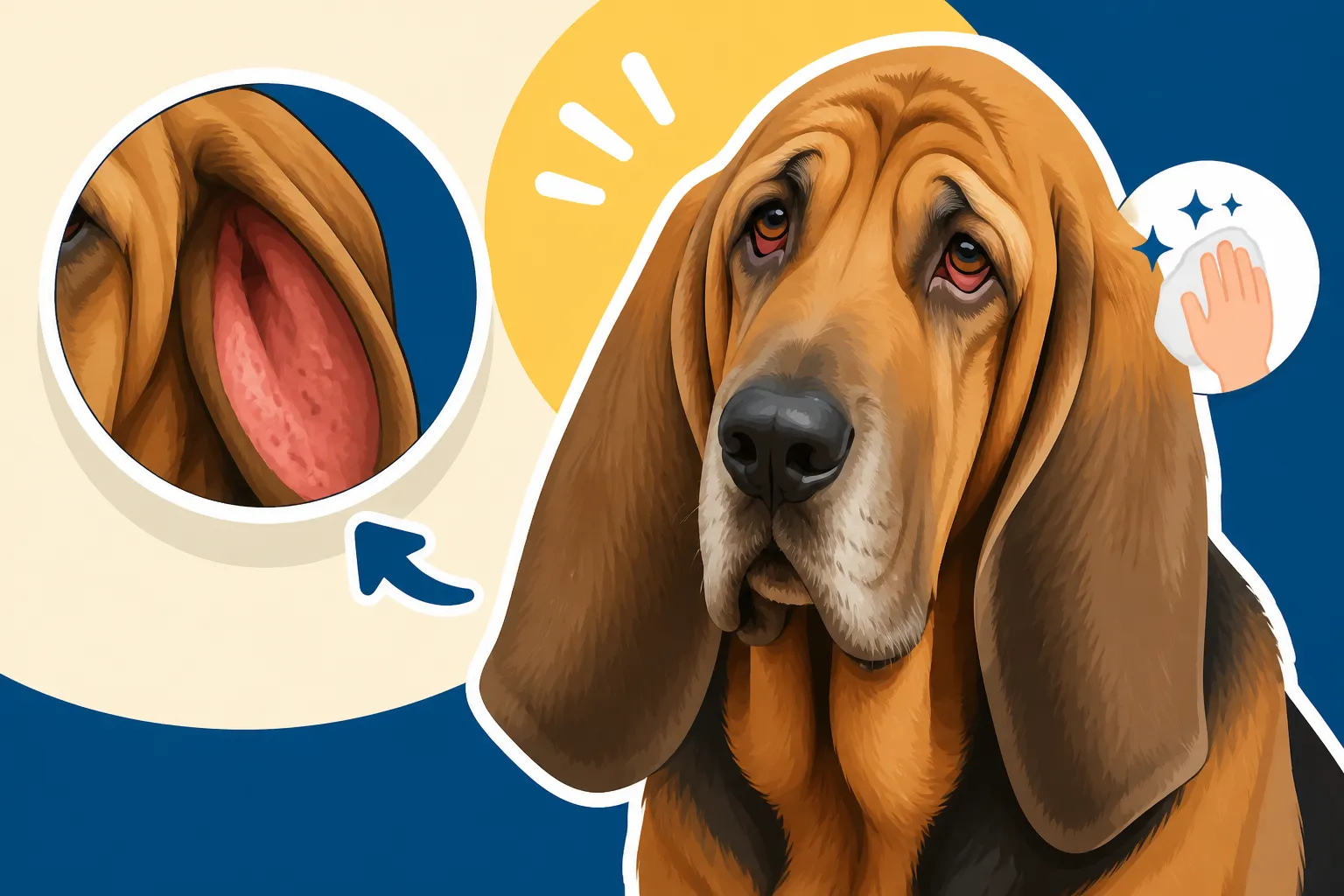
Whether an Old Bloodhound’s Ears Need More Attention
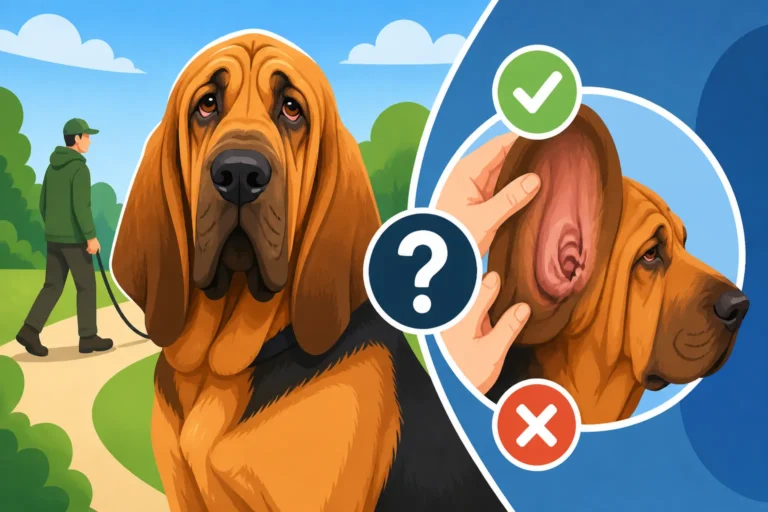
As our beloved Bloodhounds gracefully enter their golden years, many owners find themselves wrestling with a new set of challenges, particularly when it comes to their distinctive, long ears. What was once a routine, albeit diligent, weekly cleaning might suddenly feel like a battle against chronic issues, leaving you wondering if their ears really do demand more attention now. This guide will walk you through the realities of senior Bloodhound ear care, explaining why their needs change and how you can best support them to prevent discomfort and serious health problems.
Why Senior Bloodhound Ears Are Different
It’s easy to think that if you’ve managed a Bloodhound’s ears for years, you know the drill. But just like with people, aging brings subtle, and not-so-subtle, changes to our dogs’ bodies, and their ears are certainly no exception. The very features that make a Bloodhound's ears so magnificent—their length, their pendulous nature, their heavy leather—become potential liabilities as they age.
Age-Related Changes to Ear Structure and Environment
Think about the sheer weight and size of a Bloodhound's ear leather. Over a lifetime, these ears are constantly moving, dragging, sweeping, and getting into everything. As your Bloodhound ages, the cartilage within these long, heavy ears can start to stiffen, making them less pliable. This can sometimes lead to reduced air circulation even more than before, creating a warmer, damper environment inside the ear canal that is a perfect breeding ground for bacteria and yeast. You might also notice that your senior dog isn't quite as agile in shaking its head to clear water or debris, further contributing to moisture retention. Furthermore, the skin around and within the ear can become thinner or, conversely, thicker and more prone to developing skin tags or benign growths, which can sometimes block the ear canal or cause irritation.
Immune System and Wax Production Shifts
Our senior Bloodhounds often have immune systems that aren't quite as robust as they once were. This means they might be less able to fight off minor infections that a younger dog would easily shrug off. What starts as a small issue can quickly escalate into a full-blown ear infection, especially with the already compromised environment of a Bloodhound's ear. A Bloodhound's Ears Are a Standing Infection Risk, regardless of age, but this risk is amplified in seniors. On top of that, wax production can change. Some older dogs might produce less ear wax, leading to dry, itchy ears, while others might produce an excess of thick, sticky wax that becomes incredibly difficult to remove and acts as a further trap for moisture and debris. This thick, stubborn wax can even form plugs deep within the ear canal, impairing hearing and providing a perfect hideout for infections.
Common Ear Issues in Older Bloodhounds
Understanding the specific problems that tend to plague senior Bloodhound ears can help you spot issues early and intervene before they become severe. It’s not just about more frequent cleaning; it’s about more targeted and observant care.
Chronic Infections and Recurrences
One of the most frustrating aspects of caring for an older Bloodhound's ears is the tendency for infections to become chronic or to recur with alarming frequency. You might feel like you're constantly at the vet, getting new drops or oral medications. This isn't just bad luck; it's often a direct result of the age-related changes we discussed. A less effective immune system combined with a less-than-ideal ear environment means that bacteria or yeast, once established, are harder to eradicate completely. Each infection can also cause structural changes within the ear canal, such as swelling and narrowing, which then makes future infections even more likely and harder to treat. It's a vicious cycle that can be incredibly disheartening for owners and uncomfortable for our dogs.
Development of Polyps or Growths
As Bloodhounds age, it's not uncommon for them to develop benign (non-cancerous) growths or polyps within the ear canal. These can range from small, unnoticed lumps to larger masses that can partially or completely obstruct the ear canal. When this happens, it creates an even more confined space, exacerbating moisture and warmth, and making it nearly impossible for ear cleaning solutions to penetrate effectively. These growths can also be itchy or painful, leading to increased head shaking and scratching, which can further irritate the ear and potentially cause secondary infections or even hematomas. Your vet might need to examine your Bloodhound's ears more closely, possibly with sedation, to identify and address these growths.
Decreased Hearing and Sensitivity to Handling
It’s natural for our Bloodhounds to experience some degree of hearing loss as they age. This isn't strictly an ear health problem in the way an infection is, but it certainly impacts how you approach ear care. A dog with diminished hearing might be more easily startled or less tolerant of being handled, especially around their head. They might not understand your gentle cues as readily, making the routine of Cleaning a Bloodhound's Ears Every Week for Life more challenging. What they once tolerated with mild grumbling might now be met with more significant resistance or even fear. Patience and a very gentle touch become paramount. It's also important to remember that they might not hear the "squish" of liquid going into their ear, which can be unsettling if they are already hard of hearing.
Tailoring Your Ear Care Routine for a Senior Bloodhound
Given these age-related shifts, your tried-and-true ear care routine might need an overhaul. It's about being more vigilant, more gentle, and sometimes, trying new tools or techniques.
Increased Cleaning Frequency and Specific Products
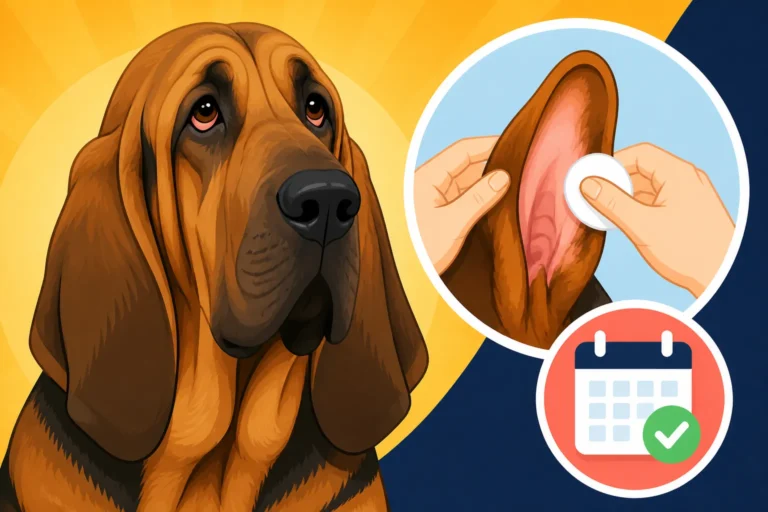
While younger Bloodhounds often thrive on weekly ear cleanings, your senior dog might benefit from a more frequent schedule, perhaps every few days, especially if they have a history of recurrent infections. It’s not just the frequency, but what you use. You might need to switch to a more potent ear cleaner recommended by your vet, one that targets specific types of bacteria or yeast, or a drying solution if moisture is a major culprit. For example, some owners find excellent options on Chewy, which offers a wide array of veterinary-grade ear cleaners. Remember, the goal is to keep the ear canal as clean and dry as possible without causing irritation.
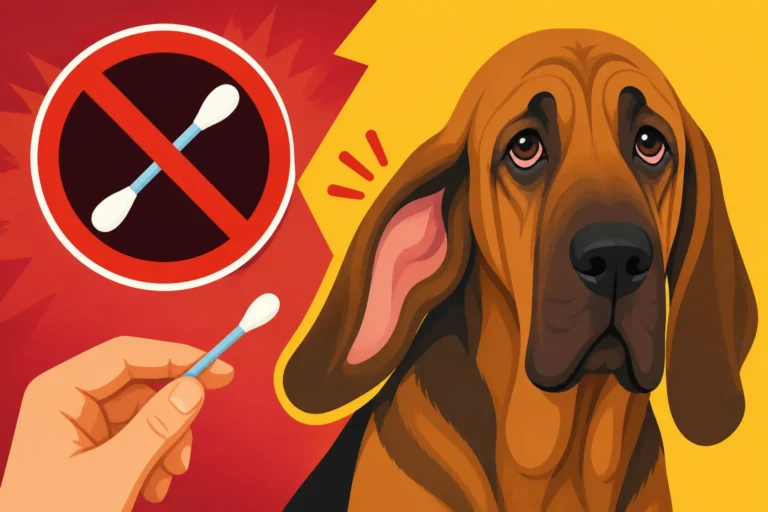
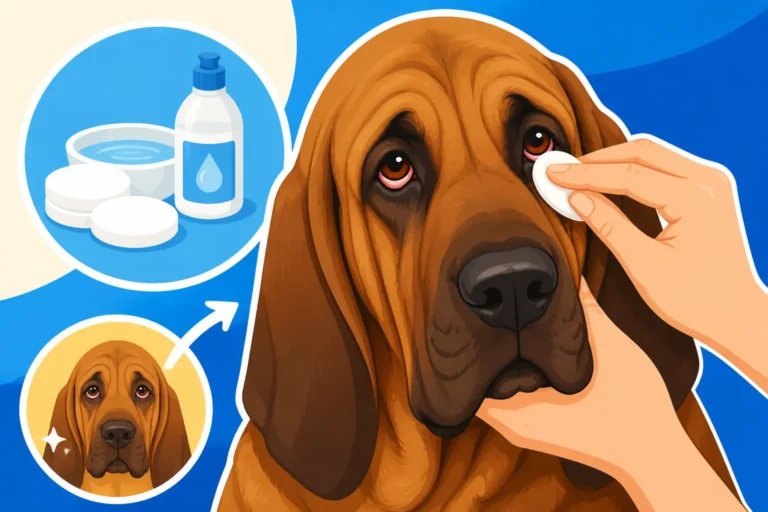
When cleaning, always use soft cotton balls or gauze pads, never cotton swabs, which can push debris deeper into the ear canal and potentially damage the eardrum. What to Clean a Bloodhound's Ears With is a critical decision that should involve your veterinarian. If your dog is prone to excessive wax, a wax-dissolving solution might be needed before the general cleaning. Gently massage the base of the ear to help loosen any debris, then allow your Bloodhound to shake its head, clearing out the cleaner and loosened gunk. After cleaning, ensure the visible parts of the ear are thoroughly dried, as residual moisture can negate all your good work.
Managing Environmental Factors and Preventing Trauma
Even with the best cleaning routine, environmental factors can still undermine your efforts. If your senior Bloodhound spends a lot of time outdoors, especially in damp or dusty conditions, their ears are more exposed. Consider using a snood, which isn't just for eating anymore! A lightweight snood can protect those long ears from picking up dirt, burrs, and excess moisture when your dog is outside. What a Snood Does for a Bloodhound is primarily about keeping ears out of food, but its protective qualities are just as valuable for senior dogs. You can find a variety of comfortable snoods on Amazon.
Also, be mindful of situations where your Bloodhound might experience ear trauma. Head shaking due to discomfort can lead to aural hematomas, which are painful blood blisters on the ear flap. If you see your senior Bloodhound shaking its head excessively, it's a red flag. Prompt investigation is needed to prevent this kind of painful injury. Their less mobile necks and stiffer bodies might also mean they bump their ears more easily, or their long ears become tangled in shrubs or furniture, leading to tears or scrapes.
Importance of a Senior-Specific Diet and Overall Health
While it might not seem directly related to ear health, your Bloodhound's overall well-being and diet play a significant role. A senior dog's diet should support their aging body, including their immune system. Proper nutrition can help bolster their defenses against infections and support healthy skin and coat, including the skin within their ears. What Changes in an Old Bloodhound's Diet is a crucial topic, as a diet rich in essential fatty acids, for instance, can improve skin barrier function and reduce inflammation, both of which can benefit ear health. Discuss with your vet if a specific senior formula or supplements would be beneficial. Companies like Ollie often focus on whole, nutritious ingredients that can contribute to overall health.
Here’s a quick overview of how ear care needs can evolve with age:
| Life Stage | Typical Ear Challenges | Recommended Care Adjustments |
|---|---|---|
| Puppy | Exploring, minor dirt, learning to tolerate handling | Introduce gentle weekly cleaning, use mild cleaner. |
| Adult | Dirt, moisture, typical infections, food bowl dipping | Consistent weekly cleaning, snood during meals/dirty activities. |
| Senior | Chronic infections, excess wax, growths, hearing loss, reduced immune response | Increased cleaning frequency (2-3x/week), vet-prescribed cleaners, snoods for protection, gentle handling, watchful for growths/hematomas. |
When to Seek Veterinary Help for Your Older Bloodhound's Ears
While diligent home care is crucial, there are definitely times when you need to call in the professionals. Ignoring signs of trouble, especially in an older dog, can lead to much more serious and painful complications.
Recognizing Red Flags and Worsening Symptoms
It’s easy to dismiss a little extra scratching or head shaking as "just old age," but with Bloodhounds, whose ears are already so prone to issues, it's wise to be overly cautious. Watch for signs like increased redness, swelling, discharge (especially if it's yellow, green, or dark brown and smelly), a foul odor, pain when you touch their ears, or holding one ear lower than the other. If you notice any of these, don't delay. Signs a Bloodhound's Ear Is Infected are often subtle at first, but they can progress rapidly. Your older Bloodhound might also be less vocal about their discomfort, so keen observation is vital.
If an infection seems to clear up with treatment but then returns almost immediately, it’s a sign that the underlying cause hasn’t been fully addressed, or that there are structural changes making them prone to recurrence. This is when your vet might recommend further diagnostics.
Diagnostic Tests and Advanced Treatments
When recurrent or persistent ear issues plague your senior Bloodhound, your vet might suggest more in-depth diagnostics than a simple ear swab. This could include cytology (looking at cells under a microscope) or a culture and sensitivity test to identify the exact bacteria or yeast present and which antibiotics will be most effective. Sometimes, sedation is required to perform a thorough otoscopic exam, allowing the vet to visualize the entire ear canal, check for polyps or growths, and ensure the eardrum is intact. Whether a Bloodhound Needs a Culture Before Ear Drops is a question often answered with a 'yes' in these chronic cases.
In some severe cases, especially those with irreversible changes in the ear canal due to chronic inflammation or large growths, your vet might discuss surgical options. This could range from removing polyps to more extensive procedures like a Total Ear Canal Ablation (TECA). While a TECA is a major surgery, for a dog suffering from constant, painful infections, it can offer a complete resolution and a significant improvement in their quality of life. It’s a last resort, but one that can bring immense relief to an otherwise miserable senior dog.
Working with Your Veterinarian for Long-Term Management
The best approach to managing your senior Bloodhound's ears is a proactive partnership with your veterinarian. Don't be afraid to ask questions, discuss your concerns, and explore all available options. Your vet can help you tailor a preventative routine, recommend specific prescription cleaners or medications, and monitor for early signs of problems. They can also provide guidance on managing pain or discomfort associated with chronic ear conditions, ensuring your senior companion can enjoy their golden years with as much comfort as possible. Regular check-ups become even more critical in senior dogs, as early detection of issues, whether ear-related or otherwise, is always the best path forward.
Disclaimer
This article is for general informational purposes only and does not constitute professional advice. Laws, prices and regulations vary by location and change over time. Consult a qualified professional for guidance on your specific situation.