Whether Bathing a Bloodhound Reduces the Smell
If you're a Bloodhound owner, you've probably noticed it: that distinct, earthy, houndy scent that seems to cling to them, no matter how much you love them. It's a common frustration, making you wonder if you're doing something wrong or if it's just part of the package. This comprehensive guide will delve into the origins of the Bloodhound's unique aroma and explore how strategic bathing, combined with other care routines, can effectively reduce that characteristic smell, making life more pleasant for both you and your beloved companion.
Understanding the Bloodhound Odor
Let's be real, a Bloodhound's smell isn't just "dog smell." It's a whole other level, often described as musky, yeasty, or even a bit like old socks, and it's something many owners grapple with. Understanding why they smell the way they do is the first step in managing it. It's not just dirt; it's a combination of unique physiological traits that make them the incredible scent hounds they are, but also prone to a particular aroma.
The Glandular Contribution to Scent
Bloodhounds, like all dogs, have sebaceous glands in their skin that produce oils to keep their coat healthy and waterproof. For Bloodhounds, however, these glands can be particularly active, contributing significantly to their natural scent. These oils, along with shed skin cells and environmental debris, can accumulate and create a rich breeding ground for bacteria and yeast, which are the real culprits behind the strong odor. Think of it like a natural perfume that's a little too potent. This natural oil production is tied to their genetic makeup, a part of what makes their skin supple and their noses so incredibly effective at trapping scent particles. It’s part of what makes them, well, Bloodhounds, but it also means a little extra effort on our part. Why a Bloodhound Smells Like a Bloodhound is a fascinating read on this topic.
Skin Folds and Moisture Traps
One of the most defining characteristics of a Bloodhound is their loose, wrinkly skin, especially around the face, neck, and jowls. While these folds are fantastic for channeling scent particles towards their powerful nose, they also create warm, moist pockets that are perfect hideaways for bacteria and yeast. Imagine trying to keep a dozen tiny, humid caves clean on a daily basis! These areas, particularly the lip folds, neck wrinkles, and the deep folds around their eyes, can trap food particles, drool, dirt, and moisture, leading to a sour or yeasty smell. It's not uncommon for owners to discover that the strongest odor emanates directly from these forgotten, hidden spots. Where a Bloodhound's Folds Sit gives a great visual understanding of these areas. Without regular, diligent cleaning, these skin folds can quickly become irritated or even infected, leading to Skin Fold Dermatitis on a Bloodhound, which unfortunately, also comes with a pretty pungent smell.
Ear Ecology and the Hound Scent
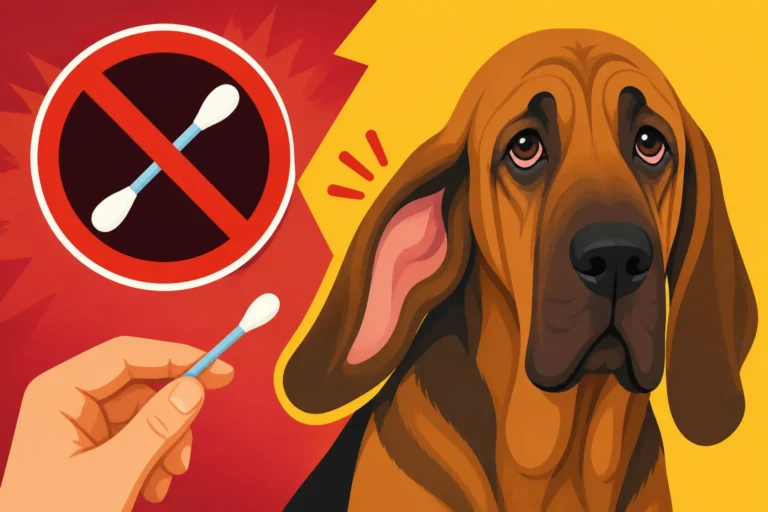
The Bloodhound's long, pendulous ears are another major contributor to their distinctive odor. These ears, with their heavy leather and minimal airflow, create a warm, dark, and often moist environment that is an open invitation for yeast and bacteria to flourish. This is why A Bloodhound's Ears Are a Standing Infection Risk. You might clean them regularly, but it’s a constant battle against physics and biology! The shape of their ears means that once moisture gets in, it doesn't easily evaporate, leading to that characteristic "ear infection" smell which can permeate their entire body. Even without a full-blown infection, a buildup of earwax and normal microbial flora in these moist conditions can produce a noticeable odor. If you suspect your Bloodhound’s ear cleaning is overdue or they might have an infection, consulting your vet is crucial to address the problem effectively.
The Role of Bathing in Odor Management
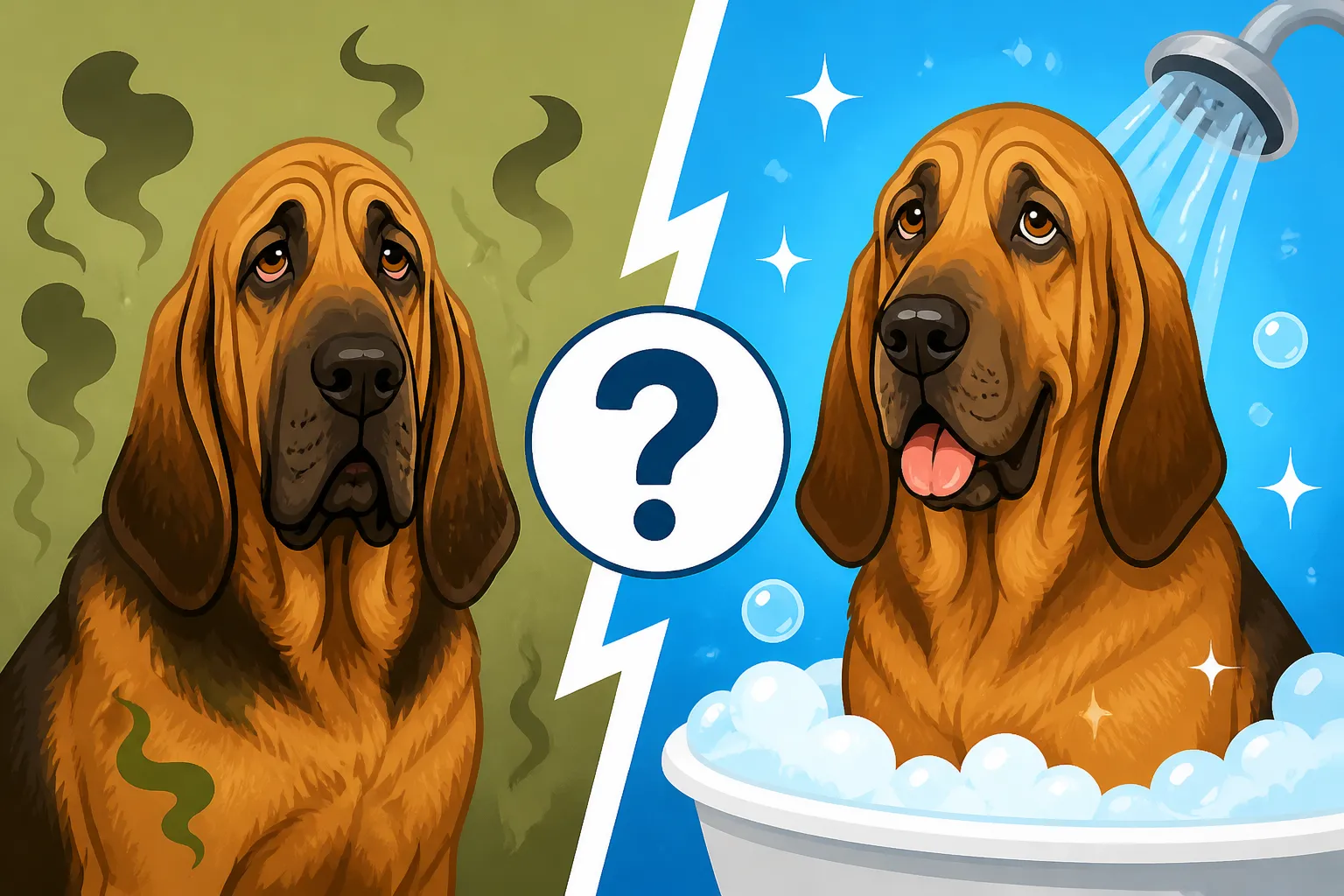
So, knowing all this, does bathing help? Absolutely! Bathing is a cornerstone of managing a Bloodhound's scent, but it's not a magic bullet. It's part of a larger, consistent routine. You're not just rinsing off dirt; you're addressing the underlying causes of the odor.
How Often Is Enough?
This is where many Bloodhound owners feel a bit lost. There's a fine line between bathing often enough to control odor and bathing so frequently that you strip their skin of natural oils, leading to dryness and irritation, which can ironically worsen skin problems and odor. Generally, a bath every 2-4 weeks is a good starting point for most Bloodhounds. If your dog spends a lot of time outside, rolling in suspect things, or if you live in a humid climate that exacerbates skin issues, you might lean towards the more frequent end of that spectrum. Conversely, if your Bloodhound is mostly indoors and you're diligent with daily fold and ear cleaning, you might be able to stretch it to four weeks.
The key is to observe your individual Bloodhound. Are they starting to get noticeably "ripe" around the three-week mark? Then that's your cue. Don't wait until the smell is overwhelming before you break out the shampoo. Establishing a regular schedule, say every third Saturday, can make it a manageable part of your routine. If you're wondering How Often a Bloodhound Needs a Bath, consider their lifestyle and skin health.
Choosing the Right Shampoo for a Bloodhound
This isn't a "one size fits all" situation, especially with a Bloodhound's sensitive skin and tendency towards yeasty or bacterial overgrowth. You'll want to avoid harsh detergents and opt for gentle, pH-balanced shampoos specifically formulated for dogs. For managing odor, look for shampoos with ingredients that target bacterial and yeast growth, but aren't overly drying. Oatmeal-based shampoos can be soothing for sensitive skin, while some medicated shampoos (often requiring a vet's prescription) contain ingredients like chlorhexidine or miconazole, which are excellent for combating yeast and bacteria.
When picking a shampoo, consider these points:
- Hypoallergenic/Sensitive Skin Formulas: If your Bloodhound has sensitive skin, start here. Brands often have specific lines for this.
- Deodorizing Shampoos: Many dog shampoos market themselves as "deodorizing." Look for those that explain how they deodorize – not just masking scent, but by cleaning effectively or containing odor-neutralizing agents.
- Medicated Shampoos: If your vet has diagnosed a skin infection or chronic yeast issues, they might prescribe a medicated shampoo. These are often crucial for getting the odor under control.
- Avoid Human Shampoos: Our skin pH is different, and human shampoos can be too harsh for a dog's skin, leading to dryness and irritation.
You can often find a wide variety of suitable shampoos on platforms like Chewy or Amazon, often with customer reviews that can guide your choice. Always do a patch test if you're introducing a new product, just in case your Bloodhound has a reaction. For more on this, check out Which Shampoo Suits a Bloodhound's Skin.
The Bathing Process: More Than Just Water
Bathing a Bloodhound isn't a quick dip; it's a full-on operation! Their size, their floppy ears, and their deep wrinkles mean you need to be thorough and patient.
- Gather Your Supplies: This means a good quality dog shampoo, conditioner (optional, but helpful for skin/coat health), cotton balls for ears, a soft washcloth for the face, plenty of towels, and maybe some high-value treats.
- Pre-Brush: Brush your Bloodhound thoroughly before the bath. This helps remove loose hair, dirt, and mats, allowing the shampoo to penetrate the coat more effectively.
- Protect the Ears: Before getting them wet, place large cotton balls just inside their ear canals to prevent water from entering. This is absolutely critical for preventing ear infections.
- Wet Thoroughly: Use lukewarm water and get your Bloodhound completely soaked, all the way down to the skin. This can take a while with their dense coat.
- Shampoo and Lather: Apply shampoo, starting from the neck and working your way down, paying special attention to their neck folds, chest, and between their toes. Gently massage the shampoo into all their wrinkles and skin folds. Don't forget their tail and legs! Let the shampoo sit for the recommended time (usually 5-10 minutes for medicated shampoos) to allow the active ingredients to work.
- Rinse, Rinse, Rinse: This is arguably the most important step! Any leftover shampoo residue can irritate the skin and actually contribute to odor and skin problems. Rinse until the water runs completely clear and you can't feel any slickness on their coat.
- Condition (Optional): If using conditioner, apply it and rinse thoroughly as directed.
- Towel Dry Vigorously: Use several absorbent towels to get as much water off as possible. Bloodhounds hold a lot of water!
- Air Dry or Blow Dry: If possible, let them air dry in a warm, draft-free area, or use a dog-specific cool-setting blow dryer.
- Clean Those Folds: After drying, use a soft, damp cloth (or a medicated wipe recommended by your vet) to gently clean inside all their face and neck folds. Make sure these areas are completely dry afterward.
- Ear Care: Remove the cotton balls from their ears. Then, use a vet-approved ear cleaner to thoroughly clean their ears. How Far Into a Bloodhound's Ear to Reach and Whether a Bloodhound's Ears Need Drying After Cleaning offer specific guidance on this.
This entire process can easily take an hour, but it's an hour well spent for a cleaner, happier, and less odorous Bloodhound.
Beyond the Bath: Holistic Odor Control
While bathing is essential, it’s just one piece of the puzzle. A truly effective odor management strategy involves daily diligence and attention to their overall health.
Daily Maintenance Between Washes
The period between baths is crucial. You can't just bathe them and forget about the folds and ears until next month.
- Wiping Folds: Daily wiping of their facial and neck folds with a clean, damp cloth or a vet-approved medicated wipe is non-negotiable. This removes trapped drool, food, and debris before it has a chance to fester. Always ensure the folds are completely dry after wiping. This daily ritual is key to preventing What Fold Dermatitis Does to a Bloodhound. For details, see How Often a Bloodhound's Folds Need Wiping.
- Ear Cleaning: As mentioned, their ears are a prime suspect for odor. Weekly ear cleaning with a vet-recommended solution is often necessary to prevent buildup and maintain a healthy ear environment. If you notice any redness, discharge, or a sour smell, it's time for a vet check-up.
- Paw Care: Bloodhounds can track a lot of dirt, and their paws can harbor smells. Wiping down their paws after walks can help.
- Snoods for Meals: A snood is a soft fabric tube that goes over your Bloodhound's head and ears during meal times, keeping their long ears out of their food and water. This prevents them from getting wet and dirty, reducing the chance of ear infections and unpleasant smells. You can find various snoods on Amazon or even make one yourself. What a Snood Does for a Bloodhound highlights the benefits of this simple tool.
Environmental Factors and Home Care
The environment your Bloodhound lives in also plays a huge role in their overall scent.
- Bedding: Your Bloodhound's bed can quickly become a haven for doggy odors. Wash their bedding regularly (weekly or bi-weekly) with pet-safe detergent. Have a few sets of covers so you can rotate them. Consider durable, washable beds from brands available on Chewy that can withstand frequent washing.
- Floors and Furniture: If your Bloodhound is allowed on furniture, make sure to clean covers regularly. Hard floors are easier to clean than carpets when it comes to dog odor. Regular vacuuming and mopping with pet-safe cleaners can help keep your home smelling fresh.
- Ventilation: Good air circulation in your home can help dissipate pet odors. Open windows when possible, or use air purifiers with activated carbon filters.
Dietary Considerations for Skin Health
Believe it or not, what your Bloodhound eats can affect their skin health and, by extension, their odor. A high-quality diet provides the necessary nutrients for a healthy skin barrier and coat.
- Quality Ingredients: Look for dog foods with easily digestible protein sources and healthy fats (like omega-3 fatty acids), which are beneficial for skin and coat health. Some dogs may have sensitivities to certain ingredients (like common proteins or grains) that can manifest as skin issues and increased odor.
- Supplements: Your vet might recommend supplements like fish oil, which provides omega-3 fatty acids, to improve skin health and reduce inflammation. Probiotics can also be helpful for gut health, which is linked to overall immune function and skin condition. Whether a Bloodhound Needs a Probiotic is worth considering if your dog has chronic issues.
- Consult Your Vet: Before making significant dietary changes or adding supplements, always discuss it with your veterinarian. They can help identify any food sensitivities or nutritional deficiencies that might be contributing to your Bloodhound's scent issues. Some premium dog food brands, like Ollie, offer fresh, human-grade ingredients that some owners find beneficial for overall dog health, including skin and coat.
When to Consult a Vet About Odor
Sometimes, a persistent or worsening odor isn't just "Bloodhound smell"—it's a sign of an underlying health problem. It's crucial to know when to stop trying to manage it yourself and seek professional advice.
Persistent Odor as a Symptom
If you've been diligently bathing, cleaning folds, and caring for ears, and your Bloodhound still has a strong, unpleasant odor, it’s a red flag. A truly healthy Bloodhound, while still having a natural "hound" scent, shouldn't be overpoweringly foul-smelling.
- Yeasty Smell: A pervasive yeasty smell, especially from the paws, ears, or skin folds, often indicates an overgrowth of yeast, which can be secondary to allergies or immune issues.
- Pungent, Pustular Smell: A smell that is more acrid, like pus or infection, especially from specific areas, points strongly to a bacterial infection.
- Unusual Discharge: Any discharge from ears, eyes, or skin folds that is discolored, thick, or foul-smelling needs immediate veterinary attention.
Don't dismiss a bad smell as simply "how Bloodhounds are." It could be their way of telling you something is wrong.
Recognizing Underlying Health Issues
A persistent bad odor can be a symptom of several medical conditions:
- Allergies: Environmental or food allergies can cause skin inflammation, itching, and lead to secondary bacterial or yeast infections, all of which contribute to a strong odor. Whether Allergies Make a Bloodhound's Folds Worse is a relevant topic here.
- Skin Infections: Bacterial (pyoderma) or yeast (Malassezia) infections are very common in Bloodhounds, especially in their skin folds and ears. These often require prescription medications (topical or oral) to resolve.
- Ear Infections: Chronic or severe ear infections are a huge source of odor and discomfort. If you suspect an ear infection, a vet visit is essential for proper diagnosis and treatment.
- Dental Disease: While not always the first thing you think of, severe dental disease can cause bad breath, which can contribute to the overall smell if your dog is drooling a lot.
- Anal Gland Issues: Impacted or infected anal glands can release a very foul, distinct odor. This is often accompanied by scooting or licking at the rear end.
- Thyroid Issues: Hypothyroidism can lead to skin and coat problems, including a greasy coat and secondary infections, which can result in an odor.
If you notice a change in the intensity or type of smell, or if it's accompanied by other symptoms like scratching, redness, hair loss, lethargy, or changes in appetite, please don't hesitate to contact your veterinarian. They can perform a thorough examination, run diagnostic tests (like skin scrapings, ear swabs, or blood tests), and recommend the appropriate course of treatment. Addressing these underlying issues is the most effective way to truly reduce your Bloodhound's smell and improve their quality of life.
Disclaimer
This article is for general informational purposes only and does not constitute professional advice. Laws, prices and regulations vary by location and change over time. Consult a qualified professional for guidance on your specific situation.