Which Brush Suits a Bloodhound’s Short Coat
If you've ever looked at your Bloodhound's sleek, short coat and thought, "Well, at least I won't have to deal with much shedding," you're not alone. It's a common misconception that a short coat equals low maintenance in the hair department, and many new Bloodhound owners quickly discover the reality: these magnificent hounds shed, and they shed a lot. Finding the right tools and establishing a consistent routine can feel like an endless battle against a constant flurry of fur, but this guide is here to help you navigate the world of Bloodhound grooming and choose the perfect brush to keep that beautiful coat healthy and manageable.
Understanding Your Bloodhound's Coat: Short But Mighty
It's easy to be fooled by a Bloodhound's short fur. It feels dense and somewhat coarse to the touch, and when you first run your hand over it, you might imagine grooming will be a breeze. But that's where the surprise hits. Many of us have been conditioned to associate long, flowing hair with significant shedding, and short hair with minimal fuss. However, for Bloodhound owners, this couldn't be further from the truth. Their coats, while short, are incredibly dense, and they are designed to protect them from the elements during long days on the trail. This density means there's a lot of hair packed into a small area, and that hair needs to go somewhere when it sheds.
The reality is, Bloodhounds are moderate to heavy shedders. This isn't just a seasonal affair, though you will definitely notice peaks in spring and fall. Year-round, you'll find their fine, stiff hairs clinging to your clothes, embedded in your carpets, and somehow, defying gravity to land on every surface imaginable. It’s frustrating, isn't it? You can vacuum daily, roll every piece of clothing with a lint roller, and still feel like you're losing the war against dog hair. This persistent shedding is just part of living with a Bloodhound, and while you can't stop it entirely, you can manage it effectively with the right tools and consistent effort.
Why Regular Brushing Isn't Optional for Bloodhounds
Beyond just trying to keep your home from becoming a fur-lined cave, regular brushing serves several critical purposes for your Bloodhound's overall health and well-being. It's not just about aesthetics; it's a fundamental part of their care. When you skip brushing, that dead hair doesn't just disappear. It builds up, can trap dirt and dander close to the skin, and can even exacerbate skin issues.
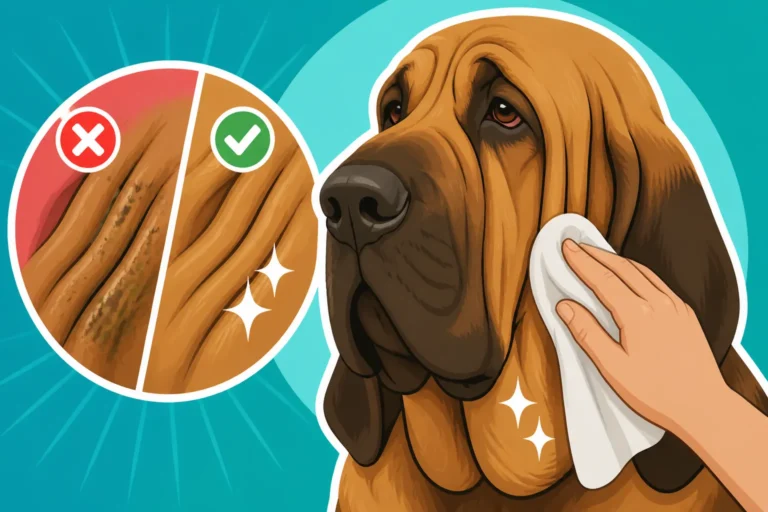
Consistent grooming helps to distribute the natural oils produced by your dog's skin, which are essential for maintaining a healthy, shiny coat and preventing dryness. These oils act as a natural conditioner, and regular brushing helps spread them evenly from root to tip. More importantly, brushing provides a fantastic opportunity for you to bond with your hound and to perform a quick, yet thorough, health check. As you run your hands and brush over their body, you're able to feel for any new lumps, bumps, hot spots, or signs of skin irritation. This is especially crucial for Bloodhounds, who are prone to issues like Skin Fold Dermatitis on a Bloodhound in their deep wrinkles. Catching these problems early can save a lot of discomfort for your dog and a lot of worry for you. Regular brushing also preps their coat for bath time, helping loose hair come out before it clogs your drain, and making the shampoo penetrate more effectively, leading to a cleaner, healthier hound. How Often a Bloodhound Needs a Bath
The Best Brushes for a Bloodhound's Unique Needs
When it comes to brushing a Bloodhound, you can pretty much ignore all those fancy brushes designed for long-haired, double-coated breeds. A Bloodhound's short, dense coat requires specific types of brushes that can effectively remove loose hair without irritating their sensitive skin or scratching their unique wrinkles. Think gentle but firm, and always prioritize tools that are easy to clean.
The Workhorse: Rubber Curry Brushes and Grooming Mitts
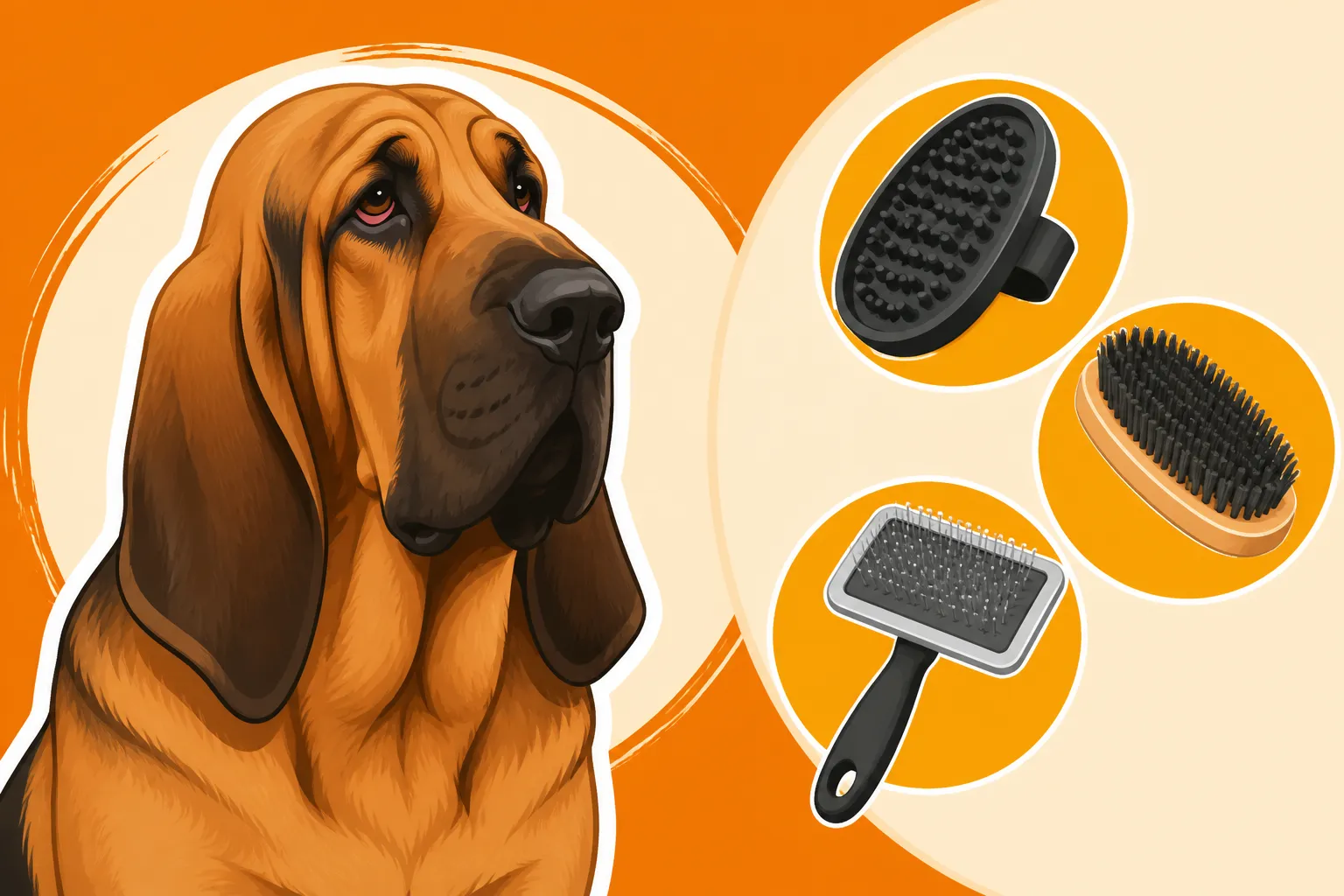
If there's one brush every Bloodhound owner needs in their arsenal, it's a good quality rubber curry brush or grooming mitt. These are truly the workhorses of Bloodhound grooming, and you'll find yourself reaching for them constantly.
These tools are typically made from soft rubber or silicone, featuring short, blunt nubs or teeth. They are designed to be incredibly gentle on your dog's skin while being highly effective at grabbing loose, dead hair from a short, dense coat. The magic happens when you use them: the flexible rubber conforms to your dog's body, and the nubs gently massage the skin, stimulating circulation and encouraging those natural oils to spread. This isn't just a utilitarian grooming session; it's a spa treatment for your hound! You can find a wide variety of these on pet supply sites like Chewy or Amazon, ranging from full-hand mitts that give you great control to ergonomic brushes with handles. Many owners find them particularly effective when used during a bath, as the water and shampoo help to loosen even more hair, and the rubber nubs provide a deep, satisfying scrub that truly gets them clean while shedding out a ton of fur. Afterward, cleanup is usually a breeze—just peel the collected hair off the rubber surface.
The Finisher: Bristle Brushes
While the rubber curry brush does the heavy lifting in terms of shedding, a bristly brush is your secret weapon for achieving that polished, healthy sheen on your Bloodhound's coat. These brushes feature natural or synthetic bristles, packed closely together, and are much softer than a curry brush.
A bristly brush isn't designed to remove large amounts of loose hair; that's what your curry comb is for. Instead, its primary function is to smooth the coat, remove fine dust and dander that might be clinging to the hair shafts, and further distribute those healthy skin oils. Think of it as the final buffing stage after the main shedding event. When used after a session with a rubber brush, a good bristly brush will leave your Bloodhound's coat looking incredibly sleek, shiny, and feeling wonderfully soft. It helps to lay the hairs flat and gives that characteristic luster that is so striking on a well-groomed Bloodhound. You can find these brushes easily on various pet sites; look for one with comfortable handle and natural bristles for the best results.
The Shedding Slayer: Specialized Deshedding Tools
Now, this is where we tread with a bit of caution. Tools often referred to generically as "deshedding tools" (like those popularized by brands such as Furminator) can be incredibly effective, but they need to be used judiciously on a Bloodhound's coat. These tools typically have a specialized blade with very fine, short teeth designed to reach through the topcoat and grab the dead undercoat hairs that regular brushes might miss.
For a Bloodhound, these tools can be a double-edged sword. Yes, they will pull out an astonishing amount of hair, especially during those heavy shedding seasons. It can feel incredibly satisfying to see so much fur come off, thinking you're finally winning the battle against the tumbleweeds of dog hair. However, Bloodhounds don't have the same type of thick, fluffy undercoat that breeds like Huskies or Golden Retrievers do. Their coats are dense, but not necessarily multi-layered in the same way. If used too frequently or with too much pressure, these tools can actually cut or damage the healthy topcoat, or worse, irritate your Bloodhound's delicate skin, especially in their characteristic wrinkles. We definitely don't want to cause any skin abrasions or discomfort. My advice? If you choose to use one, do so sparingly—perhaps once or twice a week during peak shedding, and with the lightest possible touch. Always follow up with a softer brush to smooth the coat and check for any irritation. You'll find a range of these tools available on platforms like Amazon, but remember that less is often more with Bloodhounds and these powerful gadgets.
Grooming Routine and Best Practices for Your Bloodhound
Okay, so you've got your brushes. Now what? Consistency is truly the name of the game when it comes to managing your Bloodhound's coat and keeping shedding at bay. It's not about one heroic grooming session every month; it's about regular, even if brief, attention that becomes a positive routine for both you and your hound.
Establishing a Regular Brushing Schedule
The ideal brushing schedule for a Bloodhound is typically two to three times a week. This regular rhythm helps to keep on top of the shedding, prevent excessive build-up of dead hair, and maintain coat health. However, as any Bloodhound owner will tell you, there are definitely times of the year when you'll need to step up your game. During seasonal shedding cycles, which usually occur in spring and fall, you might find yourself needing to brush daily just to keep the fur explosions contained. How Much a Bloodhound Sheds
Think of brushing as a mini-ritual. Set aside a consistent time each day or every other day, even if it's just for 10-15 minutes. This routine helps your Bloodhound learn what to expect and often transforms grooming from a chore into a cherished bonding activity. Make it a positive experience right from the start, especially with a puppy. Offer gentle praise, soft strokes, and maybe a few delicious treats. Short, frequent sessions are far more beneficial for managing shedding and building positive associations than infrequent, marathon grooming sessions that might stress your dog.
Technique and Tips for Effective Brushing
When you begin brushing, always start gently. This is particularly important for young Bloodhounds, helping them to associate the brush with comfort and positive attention. Just like when you start Whether Ear Cleaning Should Start in Puppyhood for a Bloodhound, gentle introductions make all the difference. Always brush in the direction of your Bloodhound's hair growth, using smooth, steady strokes. Don't press too hard, especially with the rubber curry brush, as its effectiveness comes from the nubs, not brute force.
Pay extra attention to areas where hair tends to collect or where their skin folds are more prominent. Their neck, chest, and around their jowls are prime spots for dead hair to gather and for skin issues to start if not kept clean (see Where a Bloodhound's Skin Folds Sit). As you brush, use your free hand to feel along their body. This allows you to check for any hidden lumps, bumps, scratches, or signs of fleas and ticks. It's a wonderful tactile way to connect with your dog and to monitor their health. Once you're done with the functional brushing, consider a quick once-over with the bristly brush for that final polish, and always, always end your grooming session with plenty of praise, cuddles, and perhaps a small, high-value treat. This positive reinforcement ensures your Bloodhound looks forward to their next grooming session.
The Importance of Post-Brushing Clean-up
After you've finished brushing your Bloodhound, the job isn't quite done. You'll be amazed by the sheer volume of hair that comes off, even from a "short-haired" dog. First, always clean your brushes thoroughly after each use. Removing the hair and any trapped dander ensures the brushes remain hygienic and effective for the next session.
Next, brace yourself for the clean-up around your home. Bloodhound hair has a peculiar way of working its way into every nook and cranny. Investing in a good quality vacuum cleaner designed for pet hair is almost a necessity for Bloodhound owners. Those fine, stiff hairs love to cling to upholstery and fabrics. Whether a Bloodhound's Hair Sticks in Fabric Consider using washable throws or blankets on your furniture to make daily clean-up easier. It's a lifesaver for keeping your couch looking presentable! Whether a Bloodhound Owner Should Buy Washable Everything Regularly washing your dog's bedding is also crucial to minimize the spread of shed hair and dander throughout your home. A clean brush and a tidy house go hand-in-hand with a well-groomed Bloodhound.
Beyond the Brush: Complementary Grooming for a Healthy Coat
While brushing is undeniably vital for managing your Bloodhound's coat, it's part of a larger picture of care that contributes to their overall skin and hair health. Think of it as one crucial piece of the puzzle; other elements like bathing and nutrition play equally important roles.
Baths and Specialized Shampoos
Bathing goes hand-in-hand with brushing to keep your Bloodhound's coat in top condition. Regular brushing helps immensely before bath time by removing loose hair and surface dirt, which allows the shampoo to penetrate more effectively to the skin. When it comes to bathing, using a good quality shampoo designed for dogs with sensitive skin or those with deshedding properties can make a significant difference. Deshedding shampoos often contain ingredients that help release dead hair from the follicles, further reducing shedding between baths.
Always make sure to rinse your Bloodhound thoroughly. Any shampoo residue left on the skin can cause irritation, dryness, or even hot spots, especially in their folds. Which Shampoo Suits a Bloodhound's Skin During the bath, don't forget to use your rubber curry brush! It's fantastic for working the shampoo into their dense coat, providing a stimulating massage, and helping to dislodge even more loose hair. Remember, Everything on a Bloodhound Hangs Down and Has to Be Cleaned, so dedicate extra time to their ears, jowls, and undercarriage.
Nutritional Support for a Healthy Coat
You know the old saying, "you are what you eat"? Well, the same holds true for your Bloodhound, and it's reflected directly in their coat and skin health. A dull, dry, flaky coat or excessive shedding (beyond their normal amount) can often be a direct indicator that something is lacking in their diet. Providing a high-quality, balanced diet is paramount for a healthy, vibrant coat.
Look for dog foods that list real meat as the first ingredient and contain essential fatty acids. Omega-3 and Omega-6 fatty acids, often derived from sources like fish oil, are particularly beneficial for skin and coat health, helping to reduce inflammation, improve moisture, and add shine. Whether a Bloodhound Needs Fish Oil Many premium dog food brands prioritize these ingredients. For example, brands like Ollie, known for their fresh, human-grade ingredients, focus on providing comprehensive nutrition that can have a noticeable positive impact on your dog's skin and coat quality. If your Bloodhound's coat isn't as lustrous as it should be, or they seem to be shedding excessively, it might be worth reviewing their diet with your veterinarian.
Addressing Skin Issues
Despite your best brushing efforts, sometimes skin issues can crop up, and it's important to know when to seek professional help. Your regular brushing sessions are your first line of defense in identifying these problems early. If you notice persistent scratching, redness, excessive dandruff, scabs, bald patches, or an unusual odor that doesn't go away with bathing and regular cleaning of their folds, it's time to consult your veterinarian. Signs a Bloodhound's Fold Is Turning
Bloodhounds, with their distinctive loose skin and deep folds, are more susceptible to certain skin conditions, including infections, allergies, and hot spots. Sometimes, what looks like a coat problem (like excessive shedding or dullness) is actually a symptom of an underlying skin issue that needs medical attention. While good grooming practices go a long way in prevention, they can't always cure every problem. Don't hesitate to reach out to your vet if you have concerns; early intervention is always best for your Bloodhound's comfort and long-term health. A healthy coat is a strong indicator of a healthy dog, inside and out.
| Brush Type | Best For | Pros | Cons | Bloodhound Specific Notes |
|---|---|---|---|---|
| Rubber Curry/Grooming Mitt | Everyday shedding, massage, bathing | Gentle, effective on short coats, stimulates skin, easy to clean | Not ideal for polishing, won't remove deeply embedded dirt alone | Essential for Bloodhounds, safe for sensitive skin and folds |
| Bristle Brush | Finishing, polishing, distributing oils | Adds shine, removes fine dust, gentle, great for short coats | Doesn't remove significant shedding, can build up static | Use after curry brush for a lustrous, sleek coat |
| Deshedding Tool | Heavy shedding periods, removing dead undercoat | Highly effective at removing large amounts of loose hair | Can be harsh if overused, may damage topcoat, not for daily use, not suitable for very sensitive skin | Use sparingly and gently (1-2x/week), especially around wrinkles; monitor skin closely |
| Slicker Brush | Long, tangled, or matted coats | Good for untangling and removing dead hair from longer coats | Too harsh for short coats, can scratch skin, unnecessary | Avoid for Bloodhounds; designed for different coat types, will irritate skin |
Disclaimer
This article is for general informational purposes only and does not constitute professional advice. Laws, prices and regulations vary by location and change over time. Consult a qualified professional for guidance on your specific situation.