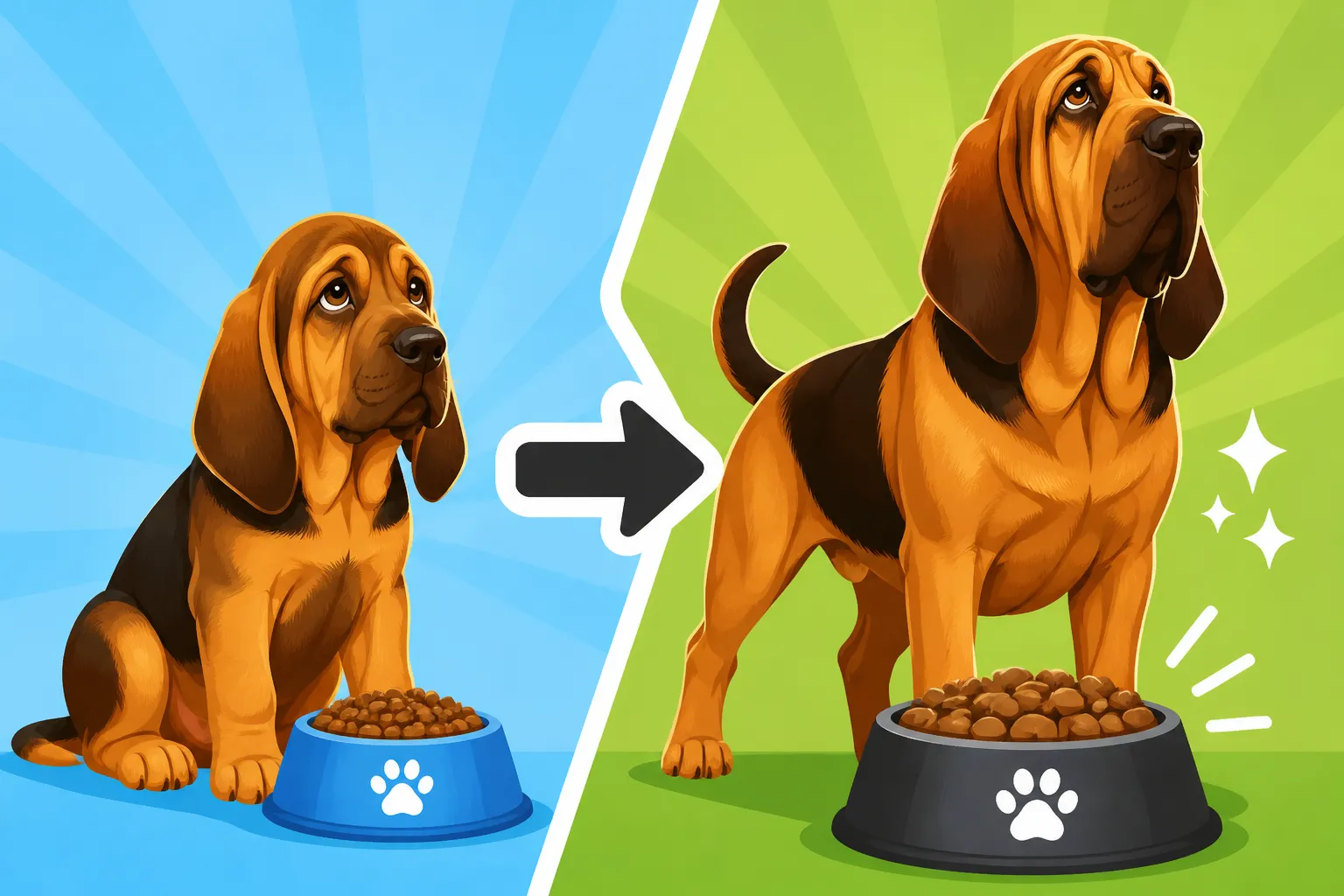
When a Bloodhound Moves to Adult Food
It's an exciting time when your Bloodhound puppy is growing, transforming from a clumsy bundle of wrinkles into a majestic scent hound. But with that growth comes a big question that often leaves us scratching our heads: when exactly do you switch them from that specialized puppy kibble to adult dog food? It feels like such a critical decision, because you know how important nutrition is for these big, fast-growing dogs. Getting it wrong can feel like you're setting them up for problems down the line, especially with their delicate joints. This guide is here to walk you through the nuances of this transition, helping you understand your Bloodhound's unique needs and confidently make the switch at the right time.
The Unique Growth Trajectory of a Bloodhound Puppy
Bloodhound puppies aren't like little terrier pups that hit their full size in a flash. They are giant breed dogs, and their bodies develop at a much slower, more deliberate pace. Understanding this fundamental difference is crucial for their long-term health and well-being. It's not just about getting big; it's about developing strong, healthy bones and joints that have to support a lot of weight for years to come.
Understanding Large Breed Development
When we talk about large and giant breed dogs, we're talking about a growth curve that is extended significantly compared to smaller breeds. A Bloodhound puppy's bones, particularly their growth plates, remain "open" and vulnerable for a longer period. These growth plates are areas of cartilage at the ends of long bones that gradually harden into bone as the puppy matures. Rushing this process, or providing an imbalanced diet, can put undue stress on these developing structures, potentially contributing to orthopedic issues later in life, such as Hip and Elbow Dysplasia in the Bloodhound.
Think of it like building a skyscraper versus a cottage. You wouldn't rush the foundation of a skyscraper, would you? Large breed puppies need a slow, steady, and controlled growth rate to ensure their skeletal system develops robustly. This is why you'll often hear veterinarians and experienced breeders emphasize keeping large breed puppies on the leaner side. We want strong, dense bones, not just rapid weight gain that can strain immature joints. This controlled growth minimizes the risk of developmental orthopedic diseases that can plague these magnificent hounds.
Why Puppy Food is Different
Puppy food, especially formulas designed for large breeds, is specifically formulated to meet the intense, yet controlled, nutritional demands of a growing canine. It generally has higher calorie content and protein levels to support muscle and tissue development. However, the most critical difference for large breed puppies lies in the carefully balanced calcium and phosphorus ratios. Too much calcium, for instance, can interfere with normal bone development, leading to conditions like osteochondritis dissecans (OCD), where cartilage fails to convert to bone properly.
Regular puppy food, not specific for large breeds, might have a calcium level that is too high for a Bloodhound, even if it's fine for a Chihuahua. Large breed puppy formulas, available from trusted retailers like Chewy or Amazon, are designed with a slightly lower caloric density and a more precise calcium-to-phosphorus ratio to promote that steady, rather than explosive, growth. This careful balance helps ensure that your Bloodhound's skeletal system has every chance to develop correctly without being over-taxed by excessive nutrients or rapid weight gain. It’s all about supporting healthy bone mineralization without overstimulating growth.
Reaching Skeletal Maturity, Not Just Weight
It's easy to look at a Bloodhound who seems huge at 8 or 10 months and assume they're "done growing." But there's a big difference between reaching their near-adult height and weight, and truly reaching skeletal maturity. While your Bloodhound might fill out considerably and approach its adult weight around 12-18 months, their bones and joints are still solidifying. The Age a Bloodhound Reaches Full Weight can vary, but skeletal maturity often lags behind.
True skeletal maturity means those growth plates have completely closed, and the bones are dense and strong enough to handle the stresses of a full-grown, active Bloodhound. This usually doesn't happen until they are closer to 18-24 months of age. Even if they look like a full-grown dog, their internal scaffolding might still be in progress. This distinction is vital because transitioning to adult food too early, before skeletal maturity, could disrupt the final stages of bone development, even if your dog looks physically imposing. It's about patience and understanding the underlying biological processes.
Reading the Signs: When Your Bloodhound is Ready for Adult Food
Deciding the exact moment to transition your Bloodhound to adult food isn't just about marking a date on the calendar. While age provides a general guideline, your dog's individual development, physical appearance, and even behavior offer crucial clues. It’s a holistic assessment, ideally made with your veterinarian's input.
Age as a General Guideline
For most large breed dogs, the typical recommendation for switching to adult food falls within the 12 to 18-month range. For a giant breed like a Bloodhound, leaning towards the latter end of that spectrum, or even slightly beyond, is often prudent. Many Bloodhound owners and breeders will aim for a transition around 18 months, sometimes even closer to two years if the dog is still showing signs of active growth or if there are any orthopedic concerns.
It's important to remember that this is a guideline, not a strict rule set in stone. Every Bloodhound is an individual, and their growth rates can differ. Some might mature a little faster, while others take a bit longer to fully "knit together" their impressive frame. Don't feel pressured to rush the switch just because your dog has hit their first birthday. Patience truly is a virtue when raising these magnificent hounds.
Physical Indicators of Maturity
Beyond the calendar, your Bloodhound's physical appearance offers strong hints about their readiness for adult food. Have you noticed them looking less "gangly" and awkward? That's a good sign. Puppyhood is often characterized by uneven growth, where their legs seem too long for their body, or their head looks too big. As they approach maturity, they start to fill out, their body proportions become more balanced, and they develop the characteristic deep chest and powerful build of an adult Bloodhound.
Look for a general smoothing out of their body lines. Their joints will look less prominent, and they'll start carrying themselves with the confident, sturdy presence of a mature dog. If you can still easily feel prominent bones, but they are no longer experiencing rapid height or length increases, it's another indicator. The key is that the explosive growth spurts of early puppyhood have clearly slowed down or stopped altogether.
Behavioral Cues
While diet changes are primarily about physical development, a Bloodhound's behavior can also subtly signal their transition towards adulthood. Puppies are bundles of boundless, often chaotic, energy. They're constantly exploring, chewing, and generally being… well, puppies! As they mature, while they'll always retain a joyful enthusiasm for life and scent work, you might notice a shift. They might settle more easily, exhibit less indiscriminate chewing, and become more attentive during training sessions.
This isn't to say a mature Bloodhound won't still get into mischief or follow their nose to the ends of the earth – A Bloodhound's Nose Outvotes Its Handler regularly, after all! But the intense, often overwhelming puppy energy starts to mellow, indicating a more settled phase of development. These behavioral changes, combined with physical maturity, can help round out your assessment of when they might be ready for the nutritional demands of an adult diet.
Consulting Your Veterinarian
Ultimately, the best person to advise you on when to switch your Bloodhound to adult food is your veterinarian. They have a comprehensive understanding of your dog's individual health history, growth charts, and any potential underlying conditions. During routine check-ups, your vet will assess your Bloodhound's body condition score, palpate their joints, and discuss their growth rate.
Don't hesitate to bring up your concerns and questions during these visits. Your vet can provide tailored advice based on their examination and knowledge of your specific Bloodhound, taking into account their breed, size, and individual development. They might even recommend specific large breed adult formulas or advise on Whether a Bloodhound Needs a Large Breed Formula if your current food doesn't quite fit the bill. A quick chat can provide immense peace of mind and ensure you're making the most informed decision for your beloved hound.
The Transition: A Gentle Shift for a Sensitive System
Once you've decided it's time to make the switch, the process itself should be gradual. A sudden change in diet can be a shock to any dog's digestive system, and Bloodhounds, with their often sensitive stomachs, are no exception. We want to avoid any unnecessary upset, discomfort, or messes.
The Gradual Mixing Method
The golden rule for changing dog food is to do it slowly. This allows your Bloodhound's digestive system, especially their gut flora, to adjust to the new ingredients without becoming overwhelmed. A typical transition period lasts about 7 to 10 days, but for a sensitive Bloodhound, extending it to two weeks isn't a bad idea.
Here’s a general schedule you can follow:
| Day | Old Food Percentage | New Food Percentage | Notes |
|---|---|---|---|
| 1-2 | 75% | 25% | Introduce a small amount of the new food. |
| 3-4 | 50% | 50% | Equal parts. Monitor stool consistency. |
| 5-6 | 25% | 75% | Majority new food. |
| 7+ | 0% | 100% | Full transition. Continue to monitor. |
If at any point your Bloodhound experiences digestive upset (loose stools, vomiting, decreased appetite), slow down the process. Revert to the previous ratio for an extra day or two until their system settles before attempting to increase the new food again. You can find excellent quality adult dog food, including large breed formulas, from online retailers like Chewy or Amazon. Even some fresh food companies like Ollie offer options that can be transitioned carefully.
Monitoring for Digestive Upset
During the transition, you'll want to be extra vigilant about your Bloodhound's bathroom habits and overall demeanor. The most common signs of digestive upset include:
- Loose Stools or Diarrhea: This is usually the first indicator. It means their system isn't happy with the change.
- Vomiting: While less common than diarrhea during a food transition, it can happen.
- Decreased Appetite: Your Bloodhound might turn their nose up at meals, even if they usually devour their food.
- Gas or Bloating: Increased flatulence or a visibly distended abdomen could be a sign of discomfort. This is particularly concerning for Bloodhounds, given their predisposition to bloat. Bloat Is What Kills Most Bloodhounds is a serious risk, so any signs of discomfort around the stomach should be taken seriously.
If you observe any of these symptoms, especially if they are severe or persist for more than a day, it's time to consult your veterinarian. They can offer advice, and sometimes even prescribe medication to help settle your dog's stomach. Remember, a smooth transition is key to keeping your Bloodhound healthy and happy.
Choosing the Right Adult Food
Selecting the right adult food for your Bloodhound is just as important as the timing of the switch. Given their size and specific breed predispositions, you'll want to prioritize certain characteristics. Look for a high-quality adult formula, and ideally, one specifically designed for large or giant breeds.
These formulas generally have:
- Appropriate Protein Levels: Sufficient protein is crucial for maintaining muscle mass, but excessively high protein isn't necessarily better for adult Bloodhounds and can sometimes be harder on their kidneys over time.
- Moderate Fat Content: Enough fat for energy and healthy skin/coat, but not so much that it leads to unwanted weight gain, especially since Keeping a Bloodhound Lean on Purpose is so vital for joint health.
- Joint Support Ingredients: Many large breed adult foods include ingredients like glucosamine and chondroitin, which can support joint health. While not a cure-all, they can be a helpful addition to a comprehensive joint care strategy.
- Balanced Nutrients: Ensure the food provides a complete and balanced diet, meeting AAFCO (Association of American Feed Control Officials) nutritional standards for adult maintenance.
Don't be afraid to read labels and compare different brands. You can find a vast selection and detailed ingredient lists on sites like Chewy or Amazon, making it easier to research and choose. If you're considering a fresh food diet like those offered by Ollie, make sure they have formulas appropriate for large adult dogs and discuss with your vet how to ensure complete and balanced nutrition for a breed like the Bloodhound. The right food provides the foundation for a long, healthy life for your beloved companion.
What "Adult Food" Means for Your Bloodhound's Long-Term Health
Transitioning to adult food isn't just a change in diet; it's a commitment to supporting your Bloodhound's health throughout their adult years. The nutritional needs of an adult dog are different from a rapidly growing puppy, and maintaining optimal health through diet is a cornerstone of responsible Bloodhound ownership.
Maintaining Ideal Body Condition
One of the most critical aspects of feeding an adult Bloodhound is maintaining an ideal body condition. Large breed dogs, especially those prone to joint issues, benefit immensely from being kept lean. Excess weight puts incredible strain on their hips, elbows, and other joints, exacerbating conditions like dysplasia and accelerating the onset of arthritis. This is why Keeping a Bloodhound Lean on Purpose is so frequently stressed by vets and breeders.
When your Bloodhound is at an ideal weight, you should be able to easily feel their ribs without seeing them prominently, and they should have a discernible waist when viewed from above. Their energy levels will be better, their mobility will be less hampered, and their overall quality of life will be significantly enhanced. Regular weigh-ins and body condition scoring with your vet can help ensure you're keeping them in that sweet spot. Remember, every extra pound is a burden on those hard-working joints.
Nutritional Needs of an Adult Bloodhound
Once your Bloodhound is fully grown and transitioned to adult food, their dietary needs shift from supporting rapid growth to sustaining their large frame, energy levels, and overall bodily functions. They still need a diet rich in high-quality protein to maintain their powerful muscles, but the intense caloric and calcium demands of puppyhood are behind them.
Look for formulas that support general health and provide balanced carbohydrates for sustained energy, essential fatty acids for a healthy coat and skin, and a full spectrum of vitamins and minerals. Some adult foods also include prebiotics and probiotics to support gut health, which can be beneficial for Bloodhounds given their potential for sensitive digestive systems. Ultimately, the goal is to provide consistent, complete, and balanced nutrition that fuels their unique physiology without over-supplying unnecessary nutrients. How Many Cups a Day an Adult Bloodhound Eats will depend on the specific food, their activity level, and individual metabolism, so always refer to the feeding guide and adjust as needed to maintain that ideal body condition.
The Role of Diet in Preventing Common Bloodhound Ailments
Proper nutrition plays a significant role in mitigating the risk factors for several health issues common to Bloodhounds. Beyond supporting joint health, a carefully managed diet can also help address concerns like bloat (gastric dilatation-volvulus). While bloat is complex and has multiple contributing factors, feeding practices are known to play a part. Feeding a Bloodhound So It Does Not Bloat often involves splitting meals into two or three smaller portions daily, avoiding vigorous exercise or drinking immediately after eating, and ensuring they eat in a calm environment.
Furthermore, a high-quality, easily digestible adult diet can contribute to overall immune system health, helping your Bloodhound ward off infections, including those pesky ear infections that can plague the breed. A healthy gut, supported by good nutrition, is also linked to a stronger immune response. While diet isn't a magic bullet for every health challenge, it is a foundational element that empowers your Bloodhound's body to function optimally, giving them the best chance at a long and vibrant life. After all, the goal is to enjoy their wonderful companionship for as long as possible, aiming for The Median Age a Bloodhound Reaches and beyond!
Disclaimer
This article is for general informational purposes only and does not constitute professional advice. Laws, prices and regulations vary by location and change over time. Consult a qualified professional for guidance on your specific situation.