Whether Three Meals Lower a Bloodhound’s Bloat Risk
One of the most terrifying things a Bloodhound owner can face is the sudden, catastrophic onset of bloat, medically known as Gastric Dilatation-Volvulus (GDV). It's a race against the clock, and the fear of it happening often drives us to explore every possible preventative measure. Among the many pieces of advice circulating, the idea of splitting your Bloodhound's daily food intake into three smaller meals rather than two larger ones frequently comes up. But does this simple change in feeding frequency genuinely lower your beloved hound's risk, or is it just another piece of well-intentioned, but ultimately less effective, advice? This guide will dive deep into the science, the theories, and the practicalities of a three-meal-a-day schedule to help you understand if it's a worthwhile strategy for protecting your Bloodhound.
Understanding Bloat Risk in Bloodhounds
Before we talk about how feeding schedules might impact bloat, it's crucial to understand why Bloodhounds are so susceptible to this life-threatening condition in the first place. It’s not just bad luck; there are anatomical and physiological reasons unique to our magnificent hounds.
Why Bloodhounds Are Predisposed to Bloat
Bloodhounds, like many other large, deep-chested breeds, carry a genetic predisposition to bloat. Their distinctive barrel chests, which are part of their majestic appearance, unfortunately create a larger cavity for their stomach to move and twist within. Imagine a balloon tied to a string; if that balloon is sitting in a wide-open space, it has more room to spin and knot up. That's a simplified way to think about a Bloodhound's stomach. When the stomach fills with food, fluid, and gas, it can distend rapidly (gastric dilatation). If it then rotates on its axis (volvulus), it cuts off blood supply and prevents anything from entering or leaving the stomach. This twist is what makes bloat so deadly, so quickly. You can read more about this specific conformation in Why a Bloodhound's Chest Shape Causes Bloat.
Beyond the physical structure, other factors contribute to their risk. Genetics play a significant role, meaning if your Bloodhound's relatives have bloated, their risk might be higher. Stress and anxiety are also increasingly recognized as potential triggers. An anxious dog might eat faster, gulping air, or have digestive upset that predisposes them to issues. Understanding these inherent risks helps us appreciate that any preventative measure needs to be seriously considered, and often, multiple strategies are best. As Bloodhound owners, this constant underlying risk is a heavy burden, and finding ways to mitigate it is always on our minds.
The Conventional Wisdom Around Feeding and Bloat
For years, and even today, much of the general advice regarding bloat prevention revolves around how and when a dog eats. The most common recommendations often include feeding two smaller meals a day instead of one large one, slowing down rapid eaters, avoiding exercise immediately before or after meals, and sometimes, avoiding elevated food bowls. The core idea behind these recommendations is to prevent the stomach from becoming excessively distended with food or gas, which is believed to make it less likely to twist.
Many owners have been told to keep their dogs calm before and after eating, and to provide a quiet eating environment. The rationale here is that a dog that eats frantically or then immediately runs around is more likely to gulp air or have their stomach slosh and turn. For a long time, the advice was focused on managing these external factors to reduce the chance of the stomach filling up too much or moving too violently. The Purdue Bloat Study, a landmark piece of research, shed light on many of these factors, including feeding practices. If you want to dive deeper into the science, you should check out What the Purdue Bloat Study Found About Bloodhounds. While this traditional wisdom forms a good baseline, the conversation about how many meals a day can further refine this approach.
The Theory Behind Three Meals a Day for Bloat Prevention
The move from two meals a day to three for large, deep-chested breeds like the Bloodhound isn't just an arbitrary change; it's rooted in a logical theory about managing stomach volume and digestive processes. It’s about taking the existing advice and pushing it a step further to potentially offer even greater protection.
Smaller Portions, Less Stomach Distension
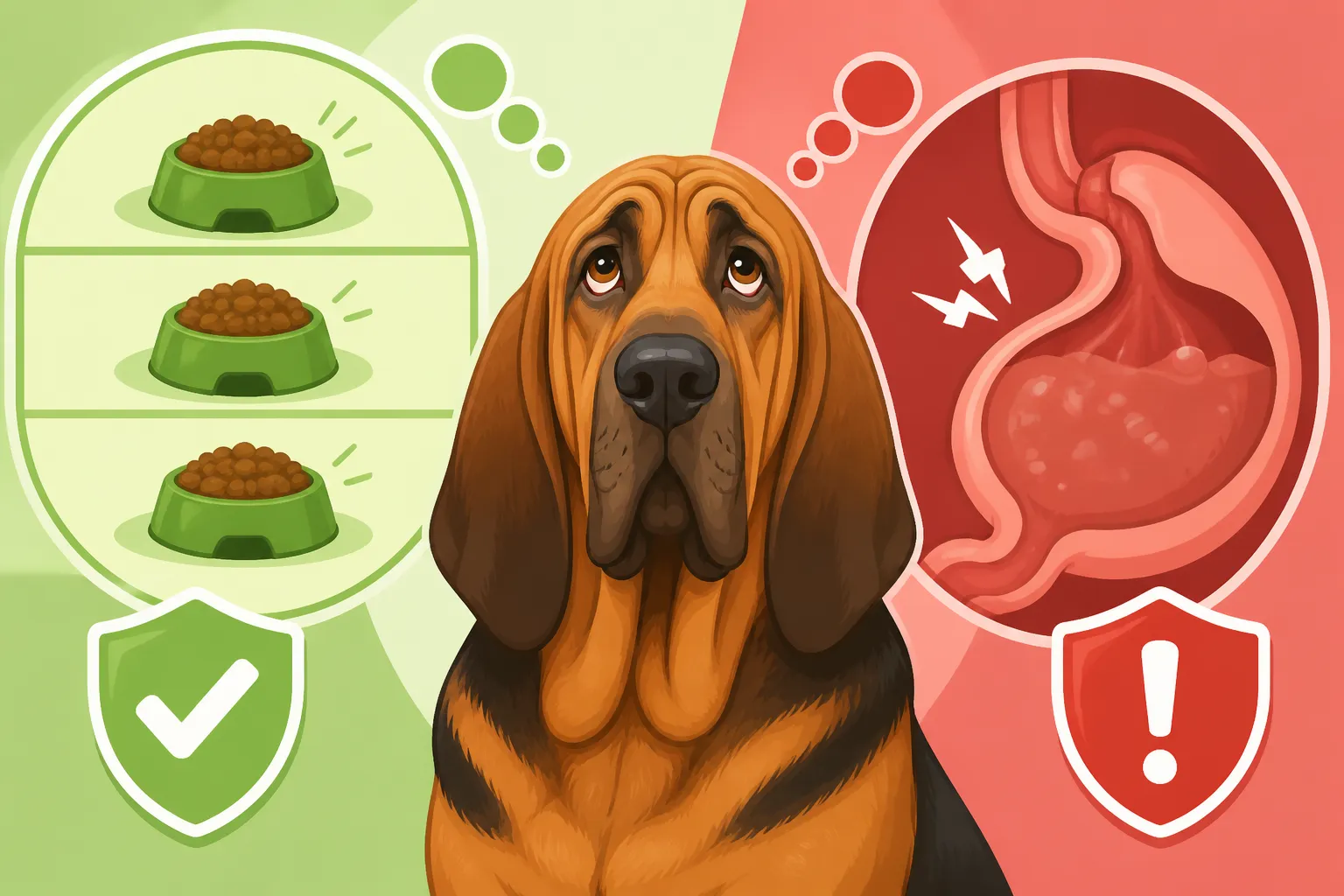
The primary hypothesis behind feeding three smaller meals rather than two larger ones is simple: less food in the stomach at any one time means less distension. When a Bloodhound eats a very large meal, their stomach expands considerably to accommodate it. This expansion, particularly in a deep-chested dog, can create a larger "sail" within the abdominal cavity, theoretically increasing the chance of it flipping or twisting. By dividing the same total daily amount of food into three portions, each individual meal is smaller.
This means the stomach doesn't have to expand as much during any single feeding. It's like filling a balloon to a quarter of its capacity three times a day, versus filling it halfway twice a day. The lesser distension reduces the pressure within the stomach and potentially minimizes the overall opportunity for the stomach to become overly full and then rotate. While not a foolproof solution, reducing the peak volume of the stomach is a logical step for owners desperate to lower their dog's risk. This strategy aims to create a more consistent, less volatile digestive environment throughout the day.
Stabilizing Digestion and Reducing Air Intake
Beyond simply reducing stomach volume, a three-meal-a-day schedule can also contribute to more stable digestion and potentially less air intake. When a dog is particularly hungry, they might eat their meal more quickly, almost inhaling their food. This rapid eating often leads to gulping down significant amounts of air along with their kibble. This swallowed air can contribute to the gas buildup that is a hallmark of bloat. By feeding more frequently, the dog is less likely to be ravenously hungry at each mealtime.
A dog that isn't starving may eat more slowly and calmly, thereby reducing the amount of air they ingest. This calmer eating habit can have a cumulative effect, helping to keep the stomach from becoming over-inflated with air, which is a major component of GDV. Many owners find that their Bloodhounds are less frantic around meal times when they know another meal isn't too far off. Additionally, using a slow-feeder bowl can complement this strategy by physically making it harder for your Bloodhound to gobble down their food too quickly. These bowls are readily available from retailers like Chewy or Amazon, and many different designs can help even the most enthusiastic eater pace themselves.
Anecdotal Evidence and Veterinary Perspectives
It's common to hear from fellow Bloodhound owners, often in online forums or at breed gatherings, who swear by a three-meal-a-day schedule for their dogs. They'll tell you their hounds seem more comfortable, less prone to gas, and they feel a sense of having done everything they can to prevent bloat. This anecdotal evidence, while not scientific proof, carries weight within the community because it comes from people living with the same daily concerns.
From a veterinary standpoint, while specific studies directly comparing two versus three meals a day on bloat incidence might be limited, the underlying principles are often supported. Vets frequently recommend smaller, more frequent meals for dogs with sensitive stomachs or certain medical conditions, because it's generally easier on the digestive system. Many veterinarians will endorse the idea of breaking up meals, especially when combined with other preventative strategies. They might not explicitly state that three meals guarantees lower risk, but they'll often agree that it's a reasonable and potentially beneficial approach within a comprehensive bloat prevention plan. However, it's crucial to remember that this is often just one piece of a much larger puzzle, and should be discussed with your own vet to tailor the best approach for your individual hound.
Practicalities and Considerations for Multiple Meals
While the theory behind three meals a day for bloat prevention sounds compelling, implementing it in real life comes with its own set of challenges. As a Bloodhound owner, you already know these dogs require a lot of dedicated care, and adding another meal into the daily routine needs careful thought.
Scheduling and Logistics for Busy Households
Let's be real: finding time for two meals a day with a large dog like a Bloodhound can be a challenge for busy families. Adding a third meal into the mix often means a significant shift in your daily routine. If you work outside the home, that midday meal becomes a logistical puzzle. Do you rush home during lunch? Do you have a family member or dog walker come by? Or does your Bloodhound simply go without that critical third feeding? Consistency is key with any feeding schedule, and sporadic three-meal days aren't likely to be effective.
Automated feeders can be a game-changer here. Brands like those found on Amazon or Chewy offer a wide range of programmable feeders that can dispense pre-portioned meals at set times. This can take the stress out of that midday feed, ensuring your Bloodhound gets their smaller portion even when you're not physically there. However, even with automation, you still need to ensure the feeder is reliable and filled correctly. For many, the effort is worth the potential peace of mind, but it's important to go into it with open eyes about the commitment required.
Maintaining Proper Nutritional Balance
When you start dividing your Bloodhound's food into more meals, you have to be extra diligent about maintaining their overall nutritional balance. It’s not about feeding more food, but the same amount spread out. It's surprisingly easy to accidentally overfeed or underfeed when you're adjusting portion sizes for three meals, especially if you're used to just scooping twice a day. You need to calculate your dog's total daily caloric needs and then accurately divide that number by three.
This means precise measurement for each meal, every day. Using a kitchen scale for accuracy can be incredibly helpful, rather than just relying on measuring cups, which can be inconsistent. You also want to ensure the food itself is high-quality and meets your Bloodhound's specific dietary needs. Many premium brands, even those offering fresh-food options like Ollie, provide clear feeding guidelines that you can then adapt to a three-meal schedule. Regularly checking your Bloodhound's body condition score is also vital; you want them lean, not overweight, as excess weight can put additional strain on their system. You can learn more about this in Keeping a Bloodhound Lean on Purpose. Discussing this adjustment with your veterinarian can help you ensure your Bloodhound is getting exactly what they need without gaining or losing too much weight.
Behavioral Impacts and Training Opportunities
Interestingly, shifting to a three-meal-a-day schedule can have positive behavioral impacts on your Bloodhound, and even create new training opportunities. For dogs that are particularly food-motivated or prone to "scarf and barf," having more frequent, smaller meals can reduce their urgency to eat, leading to a calmer dining experience. This can also translate to less begging between meals, as your dog learns that food will be available again sooner rather than later.
Meal times are fantastic training opportunities. Instead of just plopping the bowl down, you can incorporate short training sessions before each meal. Ask for a "sit," a "down," or even a short "stay" before releasing them to eat. This reinforces good manners and strengthens your bond. In multi-dog households, managing three meals can be a bit more complex, ensuring each dog eats their own portion without conflict. This might require feeding in separate rooms or using crates. Overall, a more frequent feeding schedule can lead to a more settled and well-behaved Bloodhound, benefiting both dog and owner.
A Holistic Approach to Bloat Prevention
While altering feeding frequency is a valuable discussion, it’s crucial to remember that no single strategy offers complete protection against bloat. True prevention for a Bloodhound requires a multi-faceted, holistic approach, combining various strategies to minimize risk from all angles.
Beyond Meal Frequency: Other Key Preventative Measures
Changing how often you feed your Bloodhound is certainly a step in the right direction, but it's far from the only thing you should consider. The most impactful preventative measure for Bloodhounds, and frankly, all deep-chested breeds at risk, is a prophylactic gastropexy. This surgical procedure permanently tacks the stomach to the abdominal wall, preventing it from twisting. While the stomach can still dilate, the volvulus (the twist) is largely prevented, turning a lethal emergency into a manageable, albeit serious, medical event. This is a decision every Bloodhound owner eventually faces, and it's worth exploring The Gastropexy Decision Every Bloodhound Owner Faces in depth. Understanding What a Preventive Gastropexy Does for a Bloodhound can help you make an informed choice.
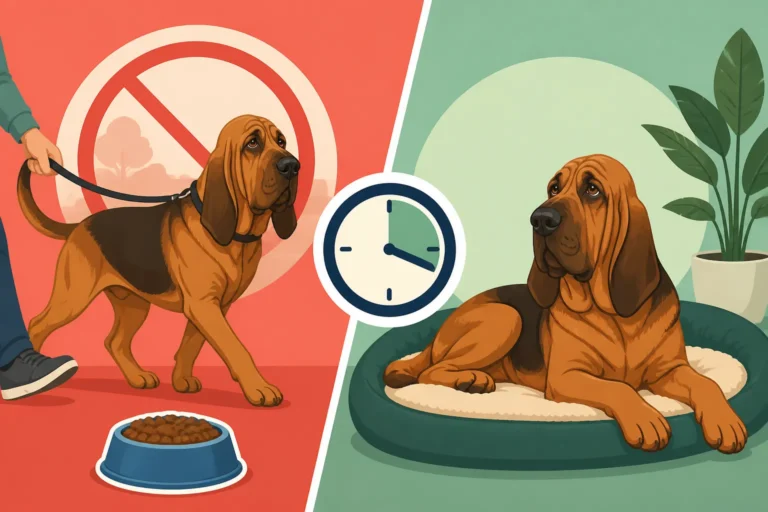
Beyond surgery, managing your Bloodhound's environment and routine is critical. Avoid strenuous exercise or highly stressful situations immediately before or after meals. Give your Bloodhound at least an hour of quiet rest before and after eating. This helps their food settle and reduces the chances of their stomach violently jostling around. Ensuring they have access to fresh water is important, but some owners manage large gulps of water right after meals, as rapid, excessive drinking can also contribute to stomach distension. Consider the type of kibble; while controversial, some theories suggest very small kibble or certain ingredients might increase risk, though consensus is still evolving. Reducing stress in their daily lives, as highlighted in Whether an Anxious Bloodhound Bloats More, can also play a role, as stress can impact digestion.
When to Consult Your Veterinarian
Navigating the complexities of bloat prevention for your Bloodhound means that your veterinarian should be your primary partner in this journey. They know your individual dog's health history, temperament, and specific risk factors better than anyone. It’s essential to have regular check-ups and open conversations with them about your chosen feeding strategy and any other preventative measures you’re considering. Don't just implement a three-meal-a-day schedule without running it by your vet, especially if your Bloodhound has any underlying health conditions.
Your vet can help you calculate the precise caloric needs for your Bloodhound, ensuring that splitting meals doesn't lead to unintentional weight gain or loss. They can also offer advice on the best type of food, discuss the pros and cons of a gastropexy for your dog, and provide insights into the latest research on bloat prevention. Most importantly, your vet will educate you on the critical Signs a Bloodhound Is Bloating, empowering you to recognize the symptoms early and seek immediate emergency care if the worst happens. Knowing when to act is just as important as prevention itself, because bloat progresses terrifyingly fast.
Weighing the Benefits Against the Effort
Ultimately, the decision to switch to three meals a day for your Bloodhound comes down to weighing the potential benefits against the increased effort and logistical challenges. For many Bloodhound owners, the peace of mind that comes from knowing they are doing everything they can to prevent bloat is invaluable. The slightly reduced risk, combined with potentially calmer eating habits and fewer episodes of indigestion, might be well worth the extra planning and commitment.
However, it's also important to be realistic. If your lifestyle makes a consistent three-meal schedule impossible without significant stress on you or your dog, then the benefits might be diminished. In such cases, focusing on other preventative measures, such as a prophylactic gastropexy, ensuring slow eating with specialized bowls, and strict rest periods around two meals, might be a more practical and equally effective approach. Every Bloodhound and every family is different. The key is to implement a consistent strategy that you can maintain long-term and that aligns with your vet's recommendations. There's no single magic bullet, but a combination of informed choices can significantly improve your Bloodhound's chances of living a long, healthy life.
| Feature | Two Meals a Day | Three Meals a Day |
|---|---|---|
| Stomach Distension | Larger individual meals, potentially greater distension. | Smaller individual meals, potentially less distension. |
| Air Intake | Higher likelihood of rapid eating, more air gulping. | Reduced hunger, calmer eating, less air gulping. |
| Logistics | Easier to manage for busy schedules. | Requires more planning, potentially automated feeders. |
| Consistency | Easier to maintain daily. | Requires greater daily commitment. |
| Behavioral Impact | Can lead to frantic eating, begging between meals. | Can promote calmer eating, less between-meal hunger. |
| Bloat Risk Impact | Standard advice, contributes to prevention. | May offer incremental reduction in risk, part of a larger strategy. |
| Vet Recommendation | Generally accepted. | Often supported as an enhancement to prevention. |
Disclaimer
This article is for general informational purposes only and does not constitute professional advice. Laws, prices and regulations vary by location and change over time. Consult a qualified professional for guidance on your specific situation.