Where to Buy a Snood That Fits a Bloodhound
If you're a Bloodhound owner, you know the struggle: those magnificent, long, velvety ears are a constant source of both admiration and exasperation. They swing into food bowls, dip into water, get dragged through mud on walks, and generally seem to attract every bit of grime imaginable. Keeping those ears clean and healthy feels like a full-time job, and that's precisely where a good snood becomes an absolute game-changer. This guide will walk you through everything you need to know about finding the perfect snood to protect your Bloodhound's precious ears and simplify your daily routine.
Why a Snood is a Must-Have for Bloodhound Owners
Let's be honest, the Bloodhound's ears are iconic, but they're also a magnet for trouble. From dinner time disasters to outdoor adventures, their length and texture make them incredibly vulnerable. A snood isn't just a cute accessory; it's a practical necessity that can save you a lot of headache, and your hound a lot of discomfort.
Keeping Ears Clean and Dry
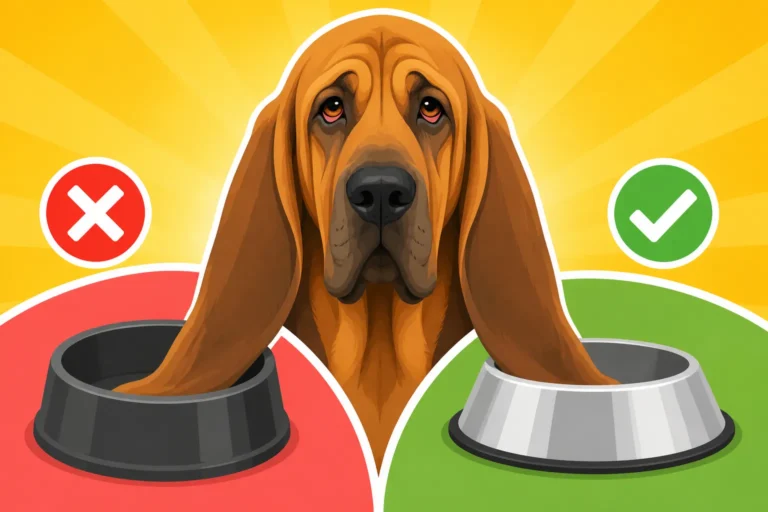
Imagine your Bloodhound, head down, enthusiastically munching on dinner. Those long ears, designed to funnel scent towards their incredible nose, are also perfectly shaped to dip right into their kibble or wet food. They get coated in gravy, pick up crumbs, and then, if not immediately cleaned, become a breeding ground for bacteria or yeast. It's a frustrating cycle for owners and can lead to smelly, itchy, and painful ear infections for your dog.
Then there's the water bowl. A quick drink inevitably results in soaking wet ear tips, which then drip water all over your floor and furniture. Dampness isn't just messy; it creates an ideal environment for moisture-loving organisms to thrive deep within the ear canal. Why a Bloodhound's Ear Canal Stays Damp explains why their ear anatomy makes them prone to these issues. A snood neatly contains the ears, keeping them out of the food and water and significantly reducing the risk of a messy meal turning into a costly vet visit.
Beyond meal times, simply living life means those ears are constantly sweeping the ground. They pick up dust, dirt, leaves, and all sorts of outdoor debris. Even a short walk can leave them needing a wipe-down. A snood acts as a protective barrier, reducing the amount of grime that gets embedded in the fur and folds of their ears, which means less cleaning for you and a more comfortable hound.
Protecting Ears from Injury
It's not just dirt and dampness we worry about. A Bloodhound's ears are long, heavy, and hang low, making them surprisingly susceptible to injury. They can accidentally step on their own ears during play or when getting up, leading to painful pulls or even tears. Think about how many times your Bloodhound shakes their head—those ears are flying! Whether a Bloodhound Steps on Its Own Ears highlights this common problem.
Outdoors, the risks multiply. Bushes, thorny plants, and even tall grasses can snag those delicate ear leathers, causing scratches, cuts, or more serious trauma. If you enjoy hiking or taking your Bloodhound through wooded areas, you know the battle against burrs and foxtails. These nuisances cling to the fur, can be incredibly painful to remove, and if left unnoticed, can migrate down into the ear canal, causing serious irritation and infection. Whether Burrs Catch in a Bloodhound's Ear Leather is a real concern for active dogs.
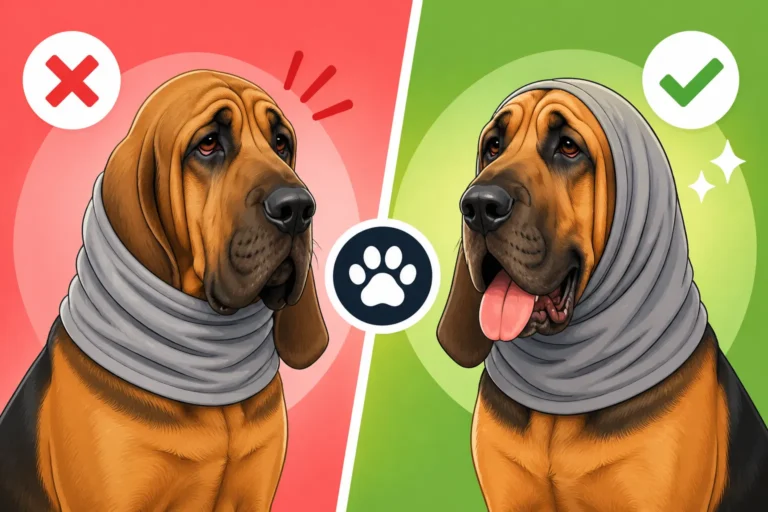
A properly fitted snood cradles the ears, keeping them up and away from these common hazards. It provides a layer of protection that allows your Bloodhound to sniff and explore without the constant worry of them catching an ear on something or injuring themselves. This simple piece of fabric offers invaluable peace of mind for both you and your adventurous hound.
Minimizing Mess
Let's face it, Bloodhounds are droolers. It's part of their charm, but it's also part of the daily cleanup routine. When their ears are free-swinging, they act like little mops, picking up slobber and slinging it around when they shake their head. This means drool on walls, furniture, and often, right onto you. How Far a Bloodhound Slings Drool When It Shakes can be quite impressive!
Beyond drool, having food-covered or wet ears means constant drips and smears. Your Bloodhound might lie down, resting their ears on the rug, only to get up and leave behind a damp, dirty patch. It's not just about aesthetics; it's about hygiene. A snood keeps those ears contained and relatively clean, dramatically reducing the amount of moisture and food debris that gets transferred to your home environment.
This means fewer impromptu cleaning sessions for you and a generally tidier living space. While a snood won't stop all the drool, it significantly limits the spread from the ears, giving you a fighting chance at keeping things a bit cleaner. Many owners find themselves keeping cloths in every room just to keep up with the mess, as detailed in Whether a Bloodhound Owner Should Keep Cloths in Every Room, and a snood can certainly lessen that burden.
Understanding Bloodhound Snood Sizing and Fit
The effectiveness of a snood for your Bloodhound hinges almost entirely on getting the right size and fit. It's not a one-size-fits-all situation, and an ill-fitting snood can be uncomfortable, ineffective, or even unsafe. You want something that stays on without being too tight, and covers the ears adequately without obstructing their vision or breathing.
Measuring for the Perfect Fit
Before you even start looking, you need to know your Bloodhound's measurements. This isn't just about weight; it's about head circumference and the length of their ears. Start by gently measuring around their head, just in front of their ears and under their chin. This will give you the circumference needed to ensure the snood stays put without sliding off.
Next, consider the length. A Bloodhound's ears are incredibly long, sometimes reaching past their nose. You want a snood that can comfortably cover the full length of their ears when they are held against their head, plus a little extra to tuck in. If it's too short, the ears will simply pop out the bottom, defeating the purpose. If it's too long, it might drag or get caught, making it uncomfortable. Look for product descriptions that provide sizing charts and specific dimensions rather than just "large dog" labels.
A good snood will have some flexibility, perhaps with an elastic band at both ends or an adjustable toggle. The top opening, which goes over their head, should be snug enough to prevent slipping but loose enough not to compress their throat or restrict breathing. The bottom opening, which gathers around the neck, should also be comfortable, allowing them to move their head freely without rubbing or chafing.
Material Matters for Comfort and Durability
The material of the snood is another critical consideration, impacting both your Bloodhound's comfort and the snood's longevity. Since snoods are often worn during meal times or messy activities, they need to be durable and easy to clean. You'll likely be washing them frequently!
Fleece is a popular choice for its softness and warmth, which can be great in cooler weather or for hounds with sensitive skin. However, in warmer climates or during intense activity, fleece can be too hot. For general daily use, especially around food and water, something breathable and quick-drying like cotton blends or lightweight synthetic fabrics might be better. These materials are usually easier to rinse off or toss in the wash.
Consider also the weight and texture. A heavy, stiff fabric might be irritating, especially for a Bloodhound who isn't used to wearing anything on their head. Look for materials that are soft against their skin and won't cause friction or irritation, particularly around the delicate ear tips. A well-chosen material will ensure your Bloodhound tolerates wearing the snood and doesn't try to rub it off constantly.
Design Features to Look For
Beyond size and material, certain design features can make a snood more effective and user-friendly for you and your Bloodhound. The opening at the top, where the head goes through, is crucial. Many snoods use elastic, which can be great, but ensure it's a soft, wide elastic that won't dig in or cause pressure points. Some designs use a drawstring with a toggle, offering more adjustability.
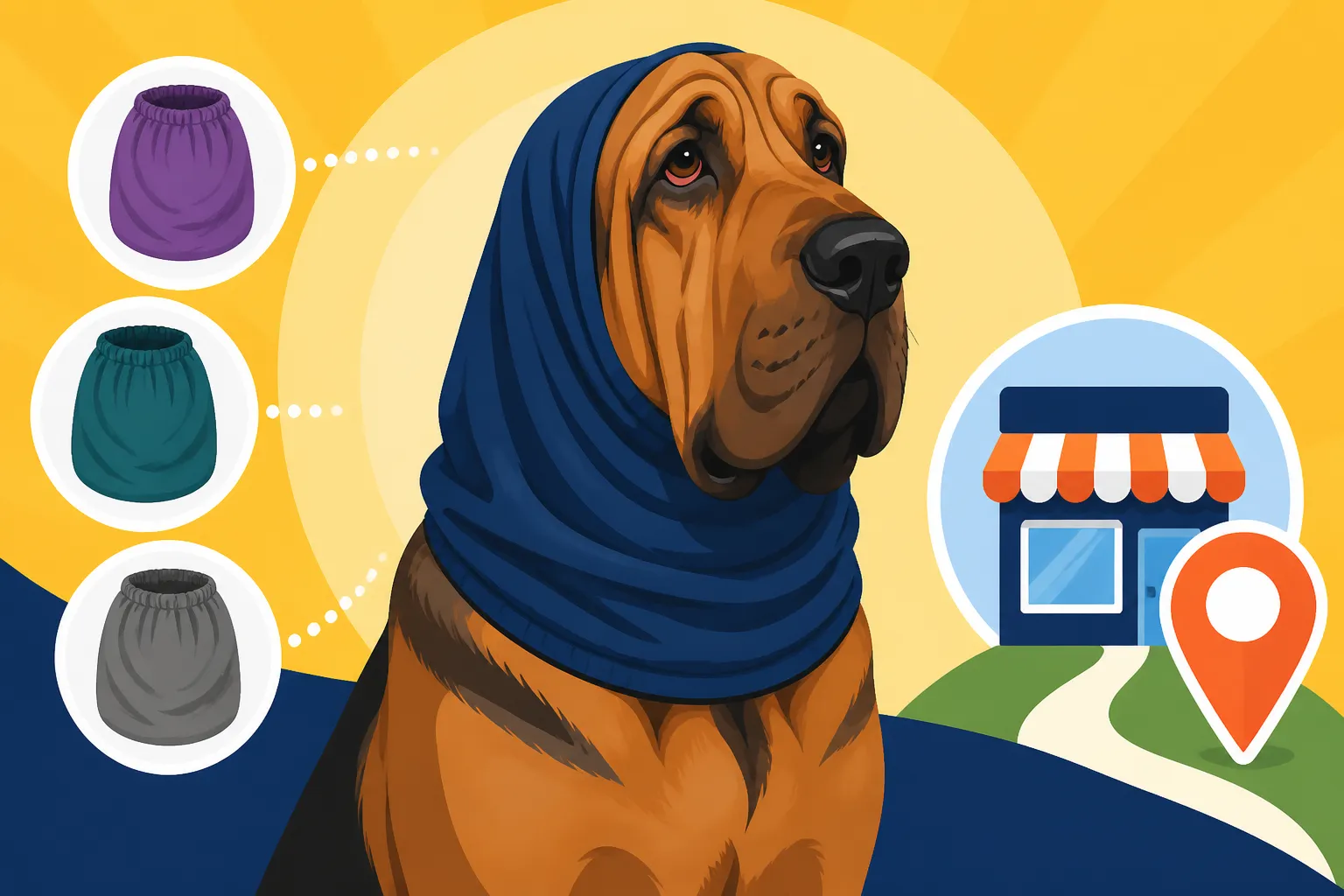
The overall shape should be a tube that tapers slightly towards the bottom, allowing it to gather gently around the neck without being too tight. You want enough room for their jowls and dewlaps to be comfortable, but not so much that it slips off easily. Some snoods come with ear holes, but for Bloodhounds, a continuous tube is often preferred as it fully encloses and protects the entire ear.
Also, think about how easy it is to put on and take off. A design that slides on smoothly over the head and then allows you to tuck the ears inside is ideal. Avoid anything with complicated ties or fasteners that could get tangled in their loose skin or be difficult to manage with a wiggly hound. Simplicity often equals success when it comes to dog accessories.
Where to Find Snoods Specifically for Bloodhounds
Now that you know what you're looking for, let's talk about where to actually get your hands on a snood that will properly fit your unique Bloodhound. It can feel like a hunt sometimes, given their distinct proportions, but there are several avenues to explore.
Online Retailers (General)
For convenience and variety, large online retailers are often the first stop for many pet owners. Websites like Amazon and Chewy carry a vast array of pet products, including snoods. The key here is to use very specific search terms. Don't just type "dog snood"; try "large dog snood," "hound snood," or even "Bloodhound snood" if you can find it.
The challenge with general retailers is that sizing can be incredibly inconsistent across brands. A "large" for one brand might be too small for your Bloodhound, while another might be swimming on them. This is where those measurements you took earlier become invaluable. Always compare your dog's measurements to the product's sizing chart. Don't rely solely on breed recommendations, as individual Bloodhounds can vary greatly in size. Pay close attention to customer reviews, especially those from other owners of large-headed, long-eared breeds. They often provide real-world insights into fit and quality. You might even find reviews that specifically mention their Bloodhound and how the snood fit.
Remember, the goal is to find a snood that accommodates their unique features—the length of the ears, the size of their head, and the copious loose skin. Don't be afraid to order a couple of different options to try on and return what doesn't work. It's an investment in your hound's health and your sanity.
Specialty Hound Gear Stores
While general retailers offer convenience, specialty stores are often where you'll find the truly well-designed and appropriately sized snoods for breeds like Bloodhounds. These businesses cater specifically to sighthounds and scent hounds, understanding their unique anatomical needs. They recognize that a Greyhound's neck is different from a Basset Hound's, and a Bloodhound's ears are in a league of their own.
You might find these stores online, often as smaller, independent shops that focus solely on hound-specific accessories. A quick search for "hound snoods," "sighthound snood," or "scent hound apparel" can unearth some real gems. These stores often craft their products with the long ears and deep chests of hounds in mind, meaning their "large" or "extra-large" sizes are genuinely designed for dogs of your Bloodhound's stature.
The advantage here is not just better sizing, but often higher quality materials and more thoughtful designs. They understand the practical challenges and build products that address them, whether it's more durable fabric, reinforced stitching, or better elastic. While they might be slightly more expensive than mass-produced options, the longevity and superior fit often make them a worthwhile investment.
Custom Made Options
If you've struggled to find a ready-made snood that fits your Bloodhound perfectly, or if you have specific requirements for material or design, a custom-made snood is an excellent option. Platforms like Etsy are a treasure trove of individual crafters who specialize in handmade pet accessories. Many of these artisans are also dog owners themselves and can work with you to create a snood tailored to your Bloodhound's exact measurements.
When going the custom route, be prepared to provide detailed measurements and possibly even photos of your Bloodhound. Communicate openly with the crafter about your hound's specific needs, such as extra-long ears, a very broad head, or sensitivity to certain fabrics. They can often suggest specific materials or design modifications that will work best. While it might take a little longer to receive your custom snood and potentially cost a bit more, the result is a perfectly fitting, high-quality item that meets all your specifications.
This option is particularly appealing for Bloodhounds who might be unusually large, have unique ear lengths, or who need a snood for a very specific purpose, such as showing or extensive field work where a precise fit is paramount. It ensures maximum comfort and effectiveness, making it a favorite for many dedicated Bloodhound owners.
Rescue Organizations and Breed Clubs
Sometimes, the best resources come from within the Bloodhound community itself. Local Bloodhound rescue organizations or breed clubs, such as the American Bloodhound Club, are fantastic networks of experienced owners. They often have first-hand knowledge of which brands or crafters make the best snoods for their hounds.
Many rescue groups also sell snoods as fundraisers, and these are often specifically designed and sized for Bloodhounds, as they understand the breed's needs intimately. Purchasing from them not only gets you a suitable snood but also supports a great cause. They might also have recommendations for specific styles that have proven most effective for the breed. Whether a Rescue Bloodhound Already Has a Gastropexy is an example of the kind of practical, breed-specific information these organizations share; they're truly a fount of knowledge.
Don't hesitate to reach out to these groups through their websites or social media. Many have active communities where you can ask for recommendations, see photos of other Bloodhounds wearing different snoods, and get advice from people who truly "get" the Bloodhound ear challenge. Their collective experience can save you a lot of trial and error in your search.
Tips for Getting Your Bloodhound to Love Its Snood
Once you've found the perfect snood, the next step is getting your Bloodhound to accept wearing it. Like any new experience, it requires patience, positive reinforcement, and a gentle approach. Remember, their comfort is key, and you want them to associate the snood with good things, not stress.
Positive Reinforcement is Your Best Friend
The moment you introduce the snood, make it a positive experience. Let your Bloodhound sniff it, then immediately offer a high-value treat and praise. Don't try to put it on right away. The goal is to build a positive association with the object itself. Once they're comfortable with its presence, try just touching the snood to their head, then immediately reward them.
When you do try to put it on, do it quickly and calmly. As soon as it's on, even if it's just for a second, shower them with praise and treats. A small piece of their favorite cheese, a bit of cooked chicken, or a special toy can work wonders. The idea is to make them think, "Snood on = great things happen!" Gradually increase the amount of time they wear it, always ending the session before they get frustrated or try to pull it off. You want them to have a positive memory of wearing it.
Consistency is crucial here. Use the snood every time there's a specific trigger, like mealtime. Your Bloodhound will quickly learn that the snood goes on before the food bowl comes out, turning it into a predictable and often anticipated part of their routine. Whether a Bloodhound Learns to Accept Ear Cleaning shares a similar principle: consistency and positive rewards make challenging care tasks manageable.
Gradual Introduction to Wearing
Don't expect your Bloodhound to wear a snood for an hour straight on the first try. Start small. Put the snood on just for the duration of a meal, then take it off immediately afterward. They'll be distracted by the food, making them less likely to fuss with the snood. Once they're comfortable with that, you can extend the wearing time.
Perhaps put it on a few minutes before you offer their food, or leave it on for a few minutes after they finish. Slowly introduce it during other calm activities, like cuddle time on the couch or a short chew session. The key is to make it a non-event, part of their normal routine, rather than a big deal. If they start pawing at it or trying to rub it off, distract them with a toy or a short training cue, then reward them for focusing on you, not the snood.
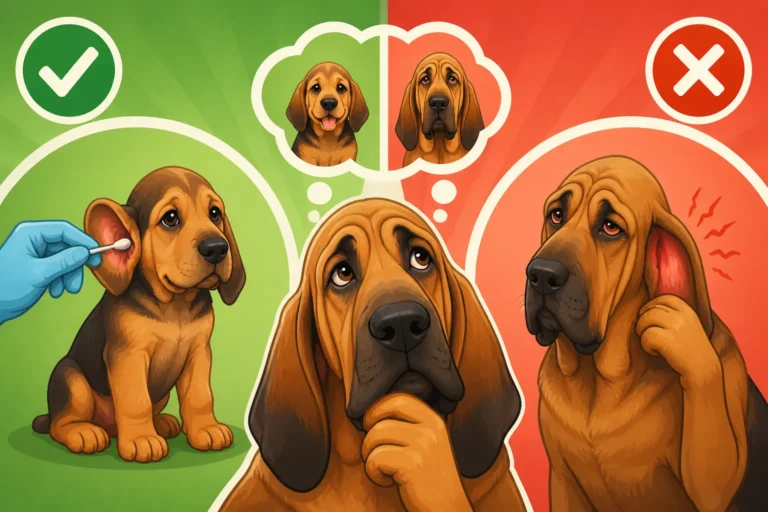
For younger Bloodhounds, starting early with positive associations makes a huge difference. Whether Ear Cleaning Should Start in Puppyhood for a Bloodhound emphasizes this, and the same applies to snood training. The earlier you introduce it, the more natural it will become for them as they grow. Patience and positive reinforcement will eventually lead to a Bloodhound who doesn't mind, or even looks forward to, wearing their snood.
Ensuring Comfort and Safety
Even with the best intentions, an uncomfortable snood will quickly become a nuisance to your Bloodhound. Always double-check that the snood isn't too tight around their neck or head. You should be able to easily fit two fingers underneath the fabric at any point. If it's too snug, it could restrict breathing or circulation, or cause uncomfortable rubbing.
Monitor for signs of discomfort: excessive pawing at the snood, rubbing their head against furniture, or trying to shake it off frequently. These are cues that something isn't right. It might be too tight, too hot, or the fabric might be irritating. If you notice any redness, chafing, or skin irritation around the edges of the snood, stop using it and adjust the fit or material.
Ensure the material is appropriate for the weather. In hot climates, a thick fleece snood could cause your Bloodhound to overheat. Opt for breathable, lightweight fabrics during warmer months. Never leave your Bloodhound unattended for long periods while wearing a snood, especially when first introducing it, as they could potentially get it caught on something or try to remove it in a way that causes distress. The goal is happy, healthy ears and a comfortable, cooperative hound!
To help you compare the different options for purchasing a snood, here's a quick overview:
| Option | Pros | Cons | What to Look For |
|---|---|---|---|
| General Online Retailers (e.g., Amazon, Chewy) | Wide selection, competitive prices, fast shipping. | Inconsistent sizing, hard to tell quality, less breed-specific. | Clear sizing charts, detailed reviews from other large dog owners. |
| Specialty Hound Gear Stores | Breed-specific designs, higher quality materials, better fit. | Often more expensive, smaller selection of general items. | Actual hound models, focus on ear length and head size. |
| Custom Made (e.g., Etsy) | Perfect fit guaranteed, specific material/design choices. | Higher cost, longer wait times, requires accurate measurements. | Strong communication with crafter, good review history. |
| Rescue/Breed Clubs | Supports a good cause, reliable sizing advice, community support. | Limited stock/availability, designs might be specific to their needs. | Recommendations from experienced Bloodhound owners. |
Disclaimer
This article is for general informational purposes only and does not constitute professional advice. Laws, prices and regulations vary by location and change over time. Consult a qualified professional for guidance on your specific situation.