How Often a Bloodhound Needs a Bath
One of the most common questions new Bloodhound owners ask, often with a slightly exasperated sigh, is, "How often do I really need to bathe this dog?" It's a valid concern, because let's be honest, our beloved droopy-faced companions have a unique way of collecting dirt, scent, and general grime. This guide will dive deep into the world of Bloodhound bathing, helping you navigate the sometimes-muddy waters of keeping your magnificent hound clean, comfortable, and healthy without overdoing it.
Understanding Your Bloodhound's Unique Coat and Skin
Before we even talk about how often to bathe, it’s crucial to understand what makes a Bloodhound’s coat and skin so distinct. They aren't like many other breeds, and their particular characteristics directly impact their grooming needs. Ignoring these can lead to skin issues and an unhappy hound – and nobody wants that.
The Short, Dense Coat: More Than Meets the Eye
At first glance, a Bloodhound's short, coarse coat might seem low-maintenance, a stark contrast to a fluffy Husky or a poodle. You might think, "Great, less grooming!" But that short coat is incredibly dense, providing protection from brambles and weather while on a trail. This density, combined with their natural oils, can trap dirt, dust, and environmental allergens surprisingly well. When a Bloodhound rolls in something delightful (to them, anyway), that short coat acts almost like a natural sponge, holding onto odors and debris close to the skin. It's not like a long-haired dog where the dirt might just sit on the tips; with a Bloodhound, it gets in. And then there's the shedding, which, despite the short hair, can be quite prolific, especially seasonally. Regular bathing can help manage this, but it's more about skin health than just hair removal.
The Loose Skin and Deep Folds: A Cleaning Challenge
Perhaps the most iconic feature of a Bloodhound is their abundant, loose skin, particularly around the head and neck, forming those wonderful wrinkles and dewlaps. While these features are essential for their scenting ability – helping to trap scent particles close to their nose as they work – they are also prime breeding grounds for moisture, dirt, and bacteria if not properly maintained. These deep folds, especially around the face, neck, and sometimes even their chest, can quickly become warm, damp environments. Think about it: a little bit of drool here, some leftover food there, a splash of muddy water after a drink, and suddenly, you have a perfect recipe for irritation and infection. This is where many Bloodhound owners discover that their folds (Where a Bloodhound's Skin Folds Sit) are not just charming, but a serious grooming responsibility.
Natural Oils and the "Hound Scent"
Bloodhounds, like many hounds, possess a distinctive "hound scent." This isn't necessarily a sign of a dirty dog, but rather a characteristic odor produced by the natural oils in their skin and coat. These oils serve a purpose, protecting their skin and helping them shed water. However, these oils can also trap odors from their environment, and if they build up, that natural scent can become quite strong and, to some human noses, less than pleasant. Over-bathing can strip these essential oils, leading to dry, irritated skin, which then often prompts the skin to produce more oil, exacerbating the cycle. So, it's a delicate balance. Finding Which Shampoo Suits a Bloodhound's Skin is important, as some can be too harsh and contribute to skin issues rather than resolving them.
Factors That Influence Your Bloodhound's Bathing Needs
There's no single "right" answer for how often to bathe a Bloodhound, because every dog and every household is different. Instead, it’s about understanding the variables that dictate when your hound needs a good scrub down. It’s a bit like trying to decide when you need a shower – depends on what you’ve been doing, right?
Lifestyle and Activity Level
This is probably the biggest determinant. Does your Bloodhound spend most of its time as a pampered house dog, or are they out in the field, tracking, adventuring, or romping in the mud?
- The Urban Dweller/Couch Potato: If your Bloodhound mostly enjoys leisurely strolls on paved paths, spends quality time on the sofa, and avoids anything more adventurous than the backyard, their bathing needs will naturally be less frequent. They won't be picking up as much mud, pollen, or outdoor debris. You might find you can stretch baths out to every 6-8 weeks, or even longer if spot cleaning and fold maintenance are diligent. Their natural oils will have time to replenish, and their coat will remain relatively clean.
- The Active Adventurer/Trail Dog: On the flip side, if your Bloodhound is living its best life as a working dog, hitting the trails, exploring forests, or even just reveling in every mud puddle it can find (and let’s be honest, many Bloodhounds excel at this), then more frequent bathing is a given. After a particularly muddy tracking session or a dive into a murky pond, a bath isn't just a luxury, it's a necessity to prevent skin issues. You might be bathing every 2-4 weeks, or even more often for specific areas like their legs, chest, and belly. Remember, What It Costs to Put a Bloodhound on a Trail often includes a good amount of post-adventure cleanup!
Environmental Factors
Where you live and the season can also play a huge role in how often your Bloodhound gets a bath. The environment literally dictates what kind of grime they're picking up.
- Allergens and Pollen: If you or your Bloodhound suffer from environmental allergies, you know how miserable allergy season can be. Pollen, dust, and other irritants can accumulate on their coat, causing itchy skin, hot spots, or even exacerbate respiratory issues. A gentle bath can help wash away these allergens, providing relief. During high pollen counts, you might find yourself bathing more frequently or at least rinsing them down thoroughly after outdoor excursions. Whether Allergies Make a Bloodhound's Folds Worse is a common concern for owners dealing with environmental sensitivities.
- Mud, Dust, and Dirt: This is self-explanatory for any Bloodhound owner. A rainy season means mud. A dry, windy season means dust. Both get embedded in their dense coat and deep wrinkles. If your yard tends to get muddy, or you frequent dusty trails, your hound will inevitably bring a lot of that back inside. A quick hose-down might suffice for just muddy paws, but a full bath will be needed to tackle the grime that makes its way to their belly, legs, and ear leather.
- Water Activities: Some Bloodhounds enjoy a good splash, whether it's in a lake, a kiddie pool, or even just their water bowl. While fun, repeated exposure to non-chlorinated water can lead to skin and ear issues if not dried properly. Plus, lake water isn't always clean water. Rinsing with fresh water and thorough drying, especially of their long ears, is paramount. Why a Bloodhound's Ear Canal Stays Damp makes them particularly susceptible to moisture-related infections.
Health and Skin Condition
Your Bloodhound's individual health, particularly their skin and coat condition, is a critical factor in determining bathing frequency. Sometimes, a bath isn't just about cleanliness; it's about treatment.
- Skin Sensitivities or Allergies: Bloodhounds can be prone to various skin conditions, including Skin Fold Dermatitis on a Bloodhound, yeast infections, or bacterial skin infections. For these conditions, your veterinarian might recommend medicated shampoos. These therapeutic baths often need to be administered more frequently, sometimes several times a week, as part of a treatment plan. It's not about making them "cleaner" in the traditional sense, but about delivering the medication directly to the affected skin. Always follow your vet's advice for medicated baths.
- "Hound Smell" Intensity: While a certain "hound scent" is normal, if your Bloodhound develops a particularly strong or pungent odor that isn't related to rolling in something unspeakable, it could be a sign of an underlying issue like a yeast infection, dental problems, or dirty folds. In such cases, a bath with an appropriate shampoo can help manage the smell, but it’s essential to investigate and address the root cause with your vet. Whether a Bloodhound Smells Like a Bloodhound is one thing, but an unpleasant smell is another entirely.
- Ear Health: While not directly a bathing frequency factor, it's intrinsically linked to overall cleanliness. Bloodhounds are notorious for ear issues. Their long, heavy ears cover the ear canal, limiting airflow and creating a warm, moist environment perfect for yeast and bacteria. If you have a Bloodhound, Cleaning a Bloodhound's Ears Every Week for Life is practically a mantra. While bathing, ensuring water doesn't get into the ear canal, and then thoroughly drying the ears, is critical.
Here’s a quick overview of factors and their typical impact on bathing frequency:
| Factor | Low Impact / Less Frequent Bathing | High Impact / More Frequent Bathing |
|---|---|---|
| Lifestyle | Mostly indoors, urban walks | Active tracking, muddy trails, rural |
| Environment | Low pollen, dry weather | High pollen, wet/muddy seasons |
| Skin Health | Healthy, no known issues | Allergies, skin folds, infections |
| Odor Level | Mild, typical "hound scent" | Strong, persistent "dirty dog" odor |
| Coat Contamination | Light dust, minor shedding | Mud, burrs, sticky residue, drool |
The Recommended Bathing Schedule for a Bloodhound
Given the various factors, it's clear that a one-size-fits-all bathing schedule simply doesn't exist for Bloodhounds. However, we can establish a general guideline and then adjust it based on your specific hound and circumstances. The goal is to keep them clean and healthy without stripping their natural skin oils or causing unnecessary stress.
The Baseline: Every 4 to 8 Weeks
For most Bloodhounds living as family companions with a moderate activity level, a bath every 4 to 8 weeks is a good starting point. This frequency allows their natural skin oils to do their job, keeping their skin and coat healthy, while also addressing general accumulation of dirt and preventing the "hound scent" from becoming overwhelming. If your Bloodhound mostly stays indoors and keeps relatively clean, you might even stretch it closer to the 8-week mark.
However, this baseline assumes you are diligent with daily or weekly maintenance between baths. Without regular attention to their ears, folds, and drool, even a relatively clean Bloodhound will likely need baths more frequently. Think of the bath as the big reset button, and the daily care as the preventative measures that make the reset button needed less often.
Adjusting for Activity and Environment
If your Bloodhound is a regular outdoors enthusiast, exploring every muddy puddle and scent trail, you'll naturally need to bathe them more frequently. After a particularly messy adventure, a full bath might be unavoidable. For working Bloodhounds involved in search and rescue, or those who regularly participate in scent work or field trials, bathing every 2-4 weeks might be more realistic.
Consider the weather: during wet, muddy seasons, you might find yourself giving partial baths (just the legs, belly, and perhaps the lower dewlaps) more often, reserving full baths for when the entire dog is truly grimy. During allergy season, a gentle rinse-off or a full bath every 3-4 weeks can help remove allergens from their coat, providing relief from itching. Always remember to use a good quality shampoo designed for dogs, preferably one that is moisturizing and sulfate-free. Brands available on Chewy or Amazon often carry a variety of options specifically formulated for sensitive skin or odor control in large breeds.
Adjusting for Skin Health Issues
When a Bloodhound has active skin issues, the bathing frequency becomes a therapeutic necessity, dictated by veterinary advice. For conditions like yeast infections, bacterial dermatitis, or severe allergies, your vet might prescribe a medicated shampoo. These shampoos often require specific contact times (how long the shampoo needs to stay on the skin before rinsing) and a regular schedule, perhaps every few days initially, then tapering to once a week or every two weeks as the condition improves. It's vital to follow your vet's instructions precisely, as incorrect use can hinder treatment.
If your Bloodhound is prone to dry skin, consult your vet about moisturizing shampoos or conditioners. Even if they have oily folds, the rest of their skin might still be dry. Sometimes, dietary changes or supplements, like those from a brand like Ollie, can also contribute to overall skin and coat health, reducing the need for excessive bathing.
The Art of Bathing a Bloodhound: Tips and Tricks
Bathing a Bloodhound isn't always a quick task. Their size, strength, and propensity for drama (sometimes!) can make it an Olympic event. But with the right approach, it can be a manageable, even bonding, experience. Preparation is key!
Gathering Your Supplies: Don't Forget a Snood!
Before you even think about getting your Bloodhound wet, gather everything you'll need. There's nothing worse than having a soapy, wet hound and realizing you've forgotten the towels.
- Shampoo and Conditioner: Choose a high-quality dog shampoo appropriate for their skin type. If your hound has sensitive skin, look for hypoallergenic or oatmeal-based formulas. If they have skin fold dermatitis, your vet might recommend a medicated shampoo. A good conditioner can help maintain skin moisture and coat health. Brands found on Chewy often have larger sizes which are perfect for our big hounds.
- Brushes: A rubber curry brush or a shedding blade can help work the shampoo through their dense coat and remove loose hair.
- Towels: Lots of them! Microfiber towels are excellent for absorption.
- Snood: Seriously, a snood is a game-changer. What a Snood Does for a Bloodhound is simple: it keeps those long, glorious ears out of the water, soap, and food bowl. You absolutely do not want their ears getting drenched and then remaining damp, which is a fast track to an ear infection.
- Cotton Balls: To place gently in their ear canals (after putting on the snood) to prevent water from entering. Remember to remove them afterward!
- Non-Slip Mat: For the tub or shower, to give your Bloodhound secure footing and prevent slips.
- Treats: High-value treats for positive reinforcement throughout the process.
- Drying Tools: A powerful pet dryer (on a cool setting) can significantly speed up drying time, especially for their folds and ears.
The Bathing Process: Making it as Smooth as Possible
Start by brushing your Bloodhound thoroughly before they get wet. This helps remove loose hair and tangles, making the shampoo more effective. Put on the snood, then gently place cotton balls in their ears.
- The Wet Down: Use lukewarm water. Get them completely saturated, working from the neck down, paying close attention to their dense coat and underneath their dewlaps. You might need a shower sprayer attachment for better reach and penetration.
- Shampoo Application: Apply shampoo, working it into a lather. Pay special attention to their body, legs, tail, and especially their folds. Gently massage the shampoo into the wrinkles on their face and neck. For medicated shampoos, ensure you follow the prescribed contact time.
- The Rinse: This is arguably the most important part. Rinse, rinse, and rinse again! Any residual shampoo can irritate the skin, so be meticulous. Rinse until the water runs clear and you can't feel any slickness on their coat.
- Conditioner (Optional but Recommended): Apply conditioner, let it sit for a few minutes, then rinse thoroughly.
- Drying: This is critical for Bloodhounds. Squeeze out as much excess water as you can. Then, towel dry vigorously. Use a pet dryer if your dog tolerates it, focusing on ensuring their deep folds, armpits, and especially their ears are completely dry. Dampness is the enemy of healthy Bloodhound skin. Whether a Bloodhound's Folds Need a Medicated Wash is a common question, and drying these areas thoroughly helps prevent problems, even if not using a medicated wash.
Post-Bath Care: More Than Just Drying
The care doesn't stop when they're dry. After a bath, it's a perfect time to do some routine maintenance:
- Ear Cleaning: Even with a snood and cotton balls, it's wise to give their ears a quick check and clean. Use a veterinary-approved ear cleaner to wipe out the visible parts of the ear canal and the underside of their ear leather. How Far Into a Bloodhound's Ear to Reach is a question best answered by your vet; generally, you should only clean what you can see.
- Fold Wiping: Once completely dry, give their folds a final wipe with a clean, dry cloth or a dog-safe medicated wipe (if prescribed). This ensures no moisture is trapped.
- Nail Trim: Wet nails are often softer and easier to trim, making post-bath a great time for this task.
- Rewards! End every bathing session with lots of praise, cuddles, and treats. The goal is to make it a positive experience, so your Bloodhound doesn't dread their next spa day.
Beyond the Bath: Maintaining Cleanliness Between Washes
Bathing is important, but daily and weekly maintenance is what truly keeps your Bloodhound comfortable and extends the time between full baths. Think of it as preventative medicine for dirt and odor!
Daily Fold and Face Wiping
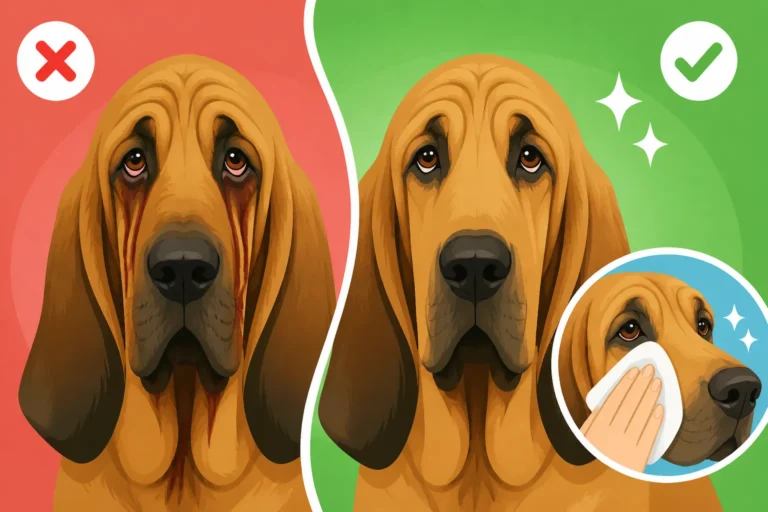
This is non-negotiable for a Bloodhound. Those glorious wrinkles are magnificent, but they are also magnets for drool, food particles, and moisture. Ignoring them is an open invitation for yeast and bacterial infections, leading to irritation, redness, and a sour smell.
- What to wipe with: Use soft, clean cloths, cotton pads, or pet-specific cleansing wipes. Many owners use a gentle, unscented baby wipe (check ingredients to ensure no harsh chemicals) or a simple saline solution on a cotton ball. For areas prone to dermatitis, your vet might recommend medicated wipes.
- How to wipe: Gently separate the folds and wipe deep into the creases. Pay particular attention to the folds around their muzzle, beneath their eyes, on their neck, and under their chin (their dewlaps). After wiping, ensure the area is completely dry. You can gently pat with a clean, dry cloth. Wiping a Bloodhound's Folds Before They Sour is much easier than treating an infection.
- Frequency: Ideally, daily, especially after meals and heavy drooling episodes. If your Bloodhound is particularly messy, a quick wipe multiple times a day might be needed.
Weekly Ear Cleaning
Bloodhounds are prone to ear infections due to their long, heavy ears that trap moisture and reduce airflow. Regular ear cleaning is crucial for prevention.
- What to use: A veterinarian-approved ear cleaning solution designed for dogs. Avoid using rubbing alcohol or hydrogen peroxide, as these can be irritating.
- How to clean: Gently lift their ear leather and apply the cleaner into the ear canal as directed on the product. Massage the base of the ear for 20-30 seconds to help break up debris. Let your Bloodhound shake their head (have a towel ready!). Then, use cotton balls or gauze wrapped around your finger to gently wipe out the visible parts of the ear, removing any loosened debris. Never use cotton swabs (Q-tips) in the ear canal, as this can push debris further in and damage the eardrum.
- Frequency: At least once a week, and more frequently if your Bloodhound swims, gets their ears wet, or is prone to infections. How Often a Bloodhound's Ears Need Cleaning is often higher than owners expect. If you notice signs of infection (redness, odor, scratching, head shaking), consult your vet immediately.
Drool Management and Household Cleanliness
Let's face it: Bloodhounds drool. A lot. It's part of their charm, but also a significant contributor to general mess and "hound smell." Managing drool isn't just about keeping your house clean; it’s about preventing skin irritation on your dog's chest and legs.
- Snoods during mealtime: We mentioned them for baths, but snoods are also fantastic for keeping those ears out of the food and water bowl. This prevents food residue from sticking to their ears and becoming a smelly, sticky mess.
- Strategic water bowls: Elevated water bowls can sometimes help, but many Bloodhounds still manage to slosh water everywhere. Consider a water bowl with a lip or a "splash-proof" design, or simply place their bowl on a mat that can absorb spills. How Much Water a Bloodhound Spills in a Day can be truly impressive!
- Towel duty: Keep small towels strategically placed around the house – near their food and water bowls, by the door, and in rooms where they spend a lot of time. A quick wipe of their mouth after they drink or eat, or after an exciting moment, can significantly reduce drool distribution.
- Washing bedding: Regularly wash your Bloodhound's bedding, blankets, and any soft toys. This not only keeps things smelling fresh but also removes accumulated drool, dander, and dirt that can contribute to overall odor. Consider durable, washable dog beds (available on Amazon or Chewy) that can withstand frequent washing.
Common Bathing Mistakes to Avoid
Even with the best intentions, it's easy to fall into common pitfalls when bathing a Bloodhound. Avoiding these can save you time, frustration, and potential vet bills.
Using Human Shampoo
This is a big no-no. Human shampoos are formulated for human skin pH, which is different from a dog's. Using human shampoo on your Bloodhound can strip their natural oils, dry out their skin, and lead to irritation, itching, and potential skin infections. Always use a shampoo specifically designed for dogs. There are countless excellent dog shampoos available, many tailored for sensitive skin or specific coat types, found easily on sites like Chewy or in pet stores.
Over-Bathing or Under-Bathing
As we’ve discussed, there’s a sweet spot for bathing frequency. Over-bathing can strip essential oils, leading to dry, itchy skin, and can even exacerbate oil production as the skin tries to compensate. This creates a cycle where the dog seems to get "stinky" faster. On the flip side, under-bathing, especially for an active Bloodhound or one with skin folds, allows dirt, allergens, and bacteria to accumulate, leading to matting (even in short coats), odor, and skin infections. Pay attention to your individual Bloodhound's needs and adjust your routine accordingly.
Not Rinsing Thoroughly Enough
This is a mistake many owners make. Any shampoo residue left on the skin can be highly irritating, leading to itching, flaking, and hot spots. It acts like a magnet for dirt and can prevent the skin from breathing properly. Take your time during the rinse phase, even if your Bloodhound is getting impatient. Use plenty of lukewarm water and run your hands over their coat to feel for any remaining slickness. Keep rinsing until the water runs completely clear and their coat feels clean, not soapy. Don't forget to rinse under their chin and between their legs where shampoo can easily hide.
Not Drying Completely (Especially the Folds and Ears)
For a Bloodhound, incomplete drying is an express ticket to a skin or ear infection. Moisture trapped in their deep skin folds or in their long, covered ear canals creates a perfect breeding ground for yeast and bacteria. This is probably the most critical aspect of Bloodhound bathing.
- Folds: After towel drying, use a clean, dry cloth or even a hairdryer on a cool, low setting to ensure every crease and wrinkle is absolutely dry. Lift the folds, gently separate them, and ensure air can circulate.
- Ears: Their long ear leather often hangs over the ear canal, trapping moisture. After bathing, gently dry the visible parts of the ear canal with a cotton ball or gauze. Use a towel to dry the ear leather thoroughly, especially the tips which can stay damp. If your Bloodhound tolerates it, a cool-setting hairdryer can be invaluable for the ears. This diligence helps prevent common issues like How Often a Bloodhound Gets an Ear Infection and What Fold Dermatitis Does to a Bloodhound.
Ignoring Body Language and Stress Signals
Bathing can be a stressful experience for some dogs, especially large ones. Forcing your Bloodhound into the tub when they are clearly distressed can make them dread future baths, turning a manageable task into a battle. Watch for signs of stress: yawning, lip licking, panting, tail tucked, trying to escape.
- Positive Reinforcement: Use plenty of treats and praise throughout the process. Make it as positive as possible.
- Gradual Introduction: If your Bloodhound is nervous, introduce them to the bath area gradually, with treats, without water initially. Work up to a full bath over several sessions.
- Take Breaks: If they're really struggling, take a short break, offer a treat, and try again.
- Professional Help: If bathing becomes consistently overwhelming for both of you, consider hiring a professional groomer who has experience with large, strong breeds. They have specialized equipment and techniques that can make the process safer and less stressful.
When to Seek Professional Grooming Help
While many Bloodhound owners successfully manage their dog's bathing needs at home, there are times when professional help is not just convenient but necessary. Don't feel like a failure if you need to call in the experts – sometimes, it's the best thing for both you and your hound.
Overwhelmed by Size or Strength
Let's be real: Bloodhounds are big, strong dogs. A wet, soapy, and reluctant Bloodhound can be a handful, even for the most dedicated owner. If you find yourself struggling to lift your dog into the tub, manage their thrashing, or simply feel physically overwhelmed by the task, a professional groomer is an excellent resource. They often have walk-in tubs, hydraulic grooming tables, and specialized restraints that make the process safer and less strenuous for everyone involved. Don't risk injury to yourself or your dog by trying to manage a situation beyond your capabilities.
Dealing with Difficult Behavioral Challenges
Some Bloodhounds simply detest baths. Despite your best efforts with positive reinforcement, they might become stressed, anxious, or even aggressive in the tub. If bathing is consistently a traumatic experience, a professional groomer's expertise can be invaluable. They are trained to handle fearful or reactive dogs with calm, confident techniques that can de-escalate stress. They can also provide a fresh start for your dog, potentially changing their perception of bathing over time. Trying to force a terrified Bloodhound into a bath can damage your bond and make future grooming impossible.
Specific Health or Skin Conditions
If your Bloodhound has a severe skin infection, requires specialized medicated bathing, or has other complex health needs that make home bathing challenging, a professional groomer or even a vet tech at your clinic can help. They are skilled at applying medicated shampoos correctly, ensuring proper contact time, and thoroughly rinsing and drying, especially in hard-to-reach areas like deep folds. For instance, if your vet recommends specific shampoos or treatments for Skin Fold Dermatitis on a Bloodhound, a groomer can ensure those instructions are followed meticulously. They also have a keen eye for spotting new skin issues or changes that you might miss.
Occasional "Deep Clean" or De-shedding
Even if you handle routine baths at home, a professional groomer can offer a "deep clean" or de-shedding treatment a few times a year. Their high-velocity dryers are incredibly effective at blowing out loose undercoat, reducing shedding in your home significantly. They also have professional-grade shampoos and conditioners that can leave your Bloodhound's coat looking and feeling its best. Consider a professional groom before a big event or simply as a seasonal refresh.
Ultimately, how often your Bloodhound needs a bath is a nuanced answer that depends on their unique life. With consistent care and a willingness to adjust your routine, you can keep your magnificent hound clean, comfortable, and smelling (mostly) like a rose.
Disclaimer
This article is for general informational purposes only and does not constitute professional advice. Laws, prices and regulations vary by location and change over time. Consult a qualified professional for guidance on your specific situation.