Where a Bloodhound’s Folds Are
Anyone who has spent even a few minutes with a Bloodhound knows they are delightfully wrinkly, but that abundance of loose skin isn't just for show. Those deep folds and expressive wrinkles are an integral part of what makes a Bloodhound so unique, both in appearance and in its incredible scenting ability. However, for us Bloodhound owners, these distinctive features come with a very real, ongoing responsibility: knowing exactly where these folds are, what their purpose is, and, most importantly, how to care for them to prevent common skin issues that can quickly turn uncomfortable or even painful for our beloved hounds. This guide will meticulously map out every significant fold on your Bloodhound, detailing their location, significance, and the specialized care they require.
The Iconic Wrinkles: Understanding the Bloodhound's Unique Anatomy
There's no mistaking a Bloodhound's face – it’s a canvas of loose skin, deep wrinkles, and a perpetually thoughtful (or perhaps just sleepy) expression. This isn't just an aesthetic choice by breeders; every aspect of a Bloodhound's physical structure, including its remarkable folds, plays a role in enhancing its unparalleled scenting capabilities. Think of the loose skin as an extension of their incredible nose, designed to trap and funnel scent particles right where they need to go.
The Head and Face: A Scent-Gathering Masterpiece
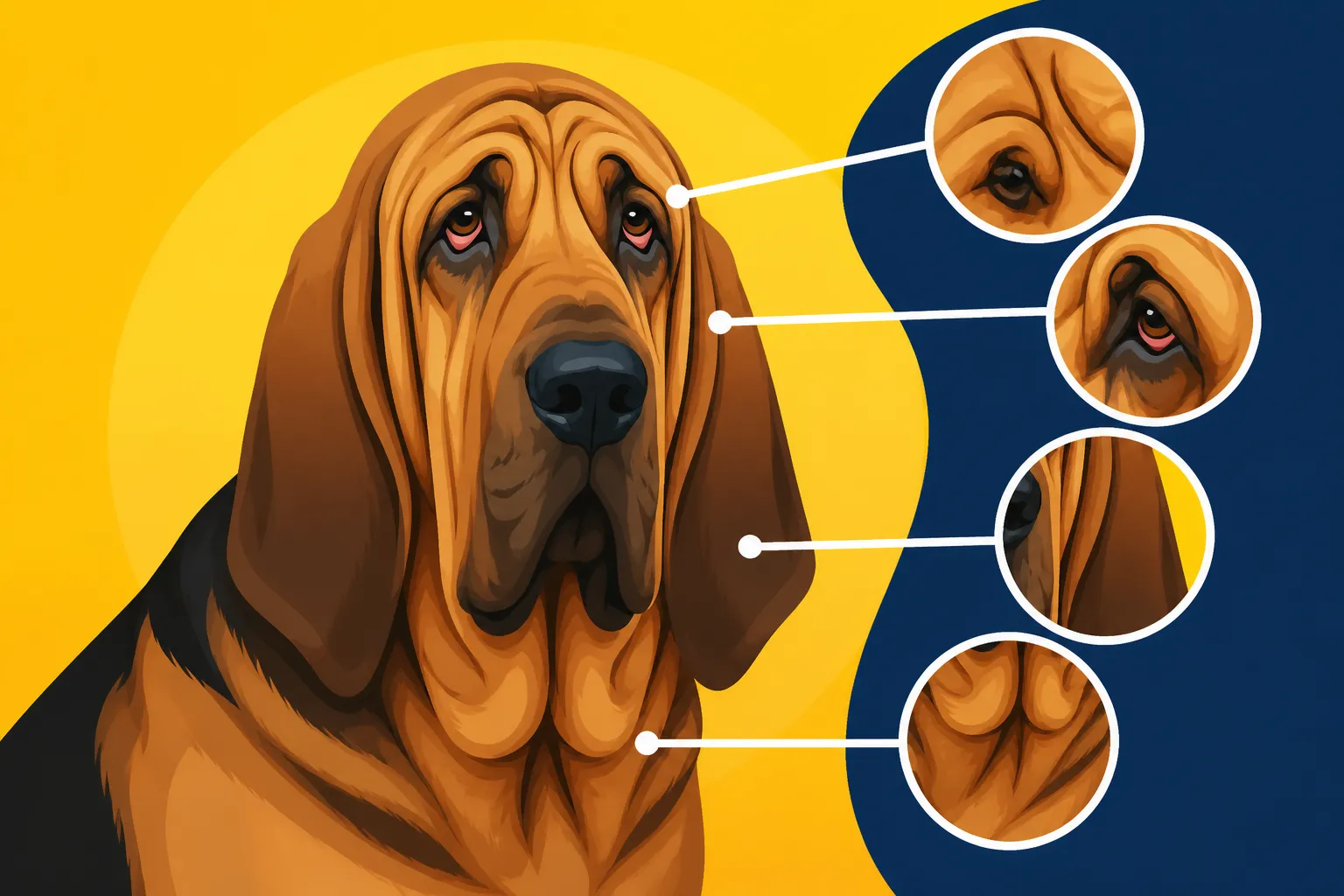
When you look at a Bloodhound, your eyes are immediately drawn to that magnificent head. The skin here is especially abundant and loose, forming what many affectionately call "expression lines." These aren't static; they shift and ripple as your Bloodhound moves its head, sniffs, or focuses its attention. From the top of the skull to the tip of the nose, the skin drapes and folds in intricate patterns. This excess skin, particularly around the muzzle and brow, helps to create a larger surface area for scent particles to settle, effectively increasing their ability to "catch" and hold a scent trail. It's a natural design that aids their work, transforming their entire face into a living, breathing scent-collection device. Without these distinct facial features, a Bloodhound wouldn't be quite as effective at its ancient and noble task of tracking.
The Neck and Dewlap: More Than Just a Pretty Drape
Moving down from the head, you encounter another signature Bloodhound feature: the enormous, pendulous dewlap. This isn't just a small flap of skin; it's an extensive cascade of loose tissue that hangs from the throat, extending down to the chest. It's truly a sight to behold, especially on a male Bloodhound. This substantial amount of skin serves a similar purpose to the facial folds: as the Bloodhound drops its head to the ground to follow a trail, this dewlap drags along the ground, sweeping scent particles upward towards their nose. It acts like a giant, mobile scent mop, gathering even the faintest traces of odor. But while impressive for trailing, this voluminous dewlap is also a prime location for moisture and debris to accumulate, making regular inspection and cleaning absolutely critical. It's a double-edged sword: a functional marvel for their work, but a constant maintenance challenge for us.
Mapping the Major Folds and Their Purpose
Understanding the specific locations of a Bloodhound's major folds is the first step in providing proper care. Each area, while visually connected, often presents its own unique set of challenges and requires particular attention. These folds are not just random wrinkles; they are genetically ingrained features that define the breed's appearance and enhance its working abilities.
The Facial Folds: Muzzle, Brow, and Cheeks
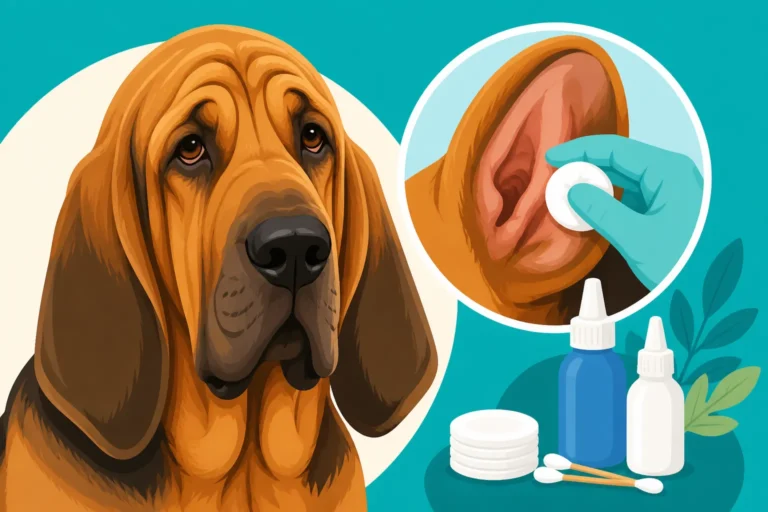
The face of a Bloodhound is a complex tapestry of skin. Starting from the top, you'll notice deep wrinkles on the forehead, especially when they lift their head or are concentrating. These are often called "worry lines" due to the pensive expression they can create. Below that, the skin around the eyes often forms gentle folds, contributing to their famously droopy appearance. These are integral to the breed standard, but also necessitate regular Daily Eye Care for a Bloodhound. Then, as you move to the muzzle, the skin is looser still, creating the deep folds that hang over the lips and jaw. These folds are crucial for scenting; they create small pockets and channels that hold scent particles close to the nostrils, preventing them from dissipating too quickly. Imagine tiny air traps designed to enhance their olfactory input. These folds become very active during trailing, flexing and moving as the hound works the ground, helping to push scent towards their nose. The sheer volume of skin on their face helps them to track faint and aged trails with astounding accuracy. You can almost see their face working as they follow a line.
The Loose Skin of the Neck and Throat: The Dewlap
The dewlap is arguably the most dramatic expanse of loose skin on a Bloodhound. It begins just under the chin and extends all the way down the front of the neck and chest, sometimes even reaching the elbows on especially well-developed individuals. This isn't merely a small flap; it can be quite thick and heavy. When a Bloodhound lowers its head to trail, this massive dewlap actually brushes the ground, serving as a 'sweeper' for scent. It helps to stir up and funnel ground-level scent particles directly towards their nose, making their trailing ability truly exceptional. It's a living extension of their olfactory system. However, this same feature makes it highly susceptible to getting wet from drinking, accumulating food particles, and generally staying damp, creating an ideal breeding ground for bacteria or yeast if not regularly dried and cleaned. This extensive surface area demands meticulous care, which is why Whether a Bloodhound's Neck Roll Needs Daily Attention is not just a suggestion, but a necessity for their health and comfort.
Beyond the Obvious: Hidden and Often Overlooked Folds
While the prominent facial and neck folds are what first catch the eye, a Bloodhound's loose skin isn't confined to these areas. There are other, less conspicuous folds that still require significant attention, often because they are out of sight and thus, sometimes out of mind. Ignoring these can lead to uncomfortable and persistent skin issues for your hound.
The Lip Folds and Jowls: A Common Culprit
Deep within the jowls and around the mouth are some of the most challenging folds to maintain. These are the "lip folds," and they are often deeper and more intricate than they appear at first glance. They create dark, moist pockets where food particles, saliva, and general grime can easily become trapped. Because these areas are almost constantly wet from drooling, drinking, and eating, they are a notorious hotspot for yeast and bacterial infections. It's a perfect storm for developing what's often referred to as "lip fold dermatitis." This area is frequently the source of the distinctive "Bloodhound smell" if not kept scrupulously clean. Ensuring these deep crevasses are wiped regularly, especially after meals and drinks, is paramount. You might be surprised how much gunk can accumulate in these seemingly small areas, and it can rapidly lead to discomfort and a strong odor. This is why paying attention to Why a Bloodhound's Jowls Should Be Wiped After Drinking is absolutely essential, even if it feels like a never-ending task.
Armpit and Groin Folds: Less Visible, Still Important
While not as dramatically visible as the facial or dewlap folds, Bloodhounds also possess loose skin in areas like their armpits and groin. These are typically less prominent, but because they are areas where skin rubs against skin, and moisture can easily become trapped (especially if your Bloodhound gets wet or sweats), they can also be prone to irritation and infection. If your hound is particularly active, or perhaps a bit on the heavier side, these folds can become more pronounced. Owners sometimes overlook these spots because they aren't part of the classic "wrinkly Bloodhound" image. However, a quick check of these areas during your regular grooming routine can prevent minor chafing from escalating into a full-blown skin infection. Just like the more obvious folds, these hidden areas benefit from a regular wipe-down and ensuring they stay dry, especially after exercise or a bath.
Why These Folds Matter: Health Implications
The Bloodhound's remarkable skin, while a gift for their nose, can also be a source of significant health challenges if not managed diligently. The very features that make them such incredible trackers also create an environment ripe for skin problems. Understanding these risks isn't about fear-mongering, but about equipping yourself with the knowledge to keep your Bloodhound healthy and comfortable.
Skin Fold Dermatitis: A Constant Threat
Skin fold dermatitis is arguably the most common and persistent issue for Bloodhound owners. It occurs when moisture, trapped within the deep folds, combines with heat, friction, and shed skin cells, creating a perfect breeding ground for bacteria and yeast. This irritation can manifest as redness, inflammation, itching, and a foul odor. It's incredibly uncomfortable for the dog, often leading to excessive scratching, rubbing, or licking of the affected areas, which only exacerbates the problem. The constant dampness and lack of airflow prevent the skin from drying naturally, allowing opportunistic microbes to thrive. This condition isn't just a minor annoyance; if left untreated, it can lead to deep-seated infections that require veterinary intervention, including antibiotics or antifungals. Learning to recognize the Signs a Bloodhound's Fold Has Become Infected is crucial for early detection and treatment.
Trapping Moisture and Debris: The Perfect Storm
Beyond simple dampness, the folds of a Bloodhound are masters at trapping all sorts of debris. Think about how their long ears dip into water bowls or even the dirt if they're sniffing around. Their jowls collect food, dirt, and whatever else they might nose into. The dewlap sweeps up leaves, twigs, and mud on a trail. All these foreign materials, combined with moisture from saliva, water, or humidity, get pushed deep into the skin folds. This creates a perpetually dirty, damp environment that quickly breaks down the skin's natural barrier. Once the skin is compromised, it becomes highly susceptible to infection. It's a vicious cycle: the folds trap irritants, the irritants cause inflammation, and the inflammation makes the folds even more prone to trapping more moisture and debris. This is also why many Bloodhound owners notice that their dogs Whether a Bloodhound Carries an Odor From Its Folds – it's often a sign of bacterial or yeast overgrowth in these damp, dark crevices.
Daily Care for Your Bloodhound's Folds
Taking care of a Bloodhound's distinctive folds might seem daunting at first, but with a consistent routine, it quickly becomes second nature. It's a commitment, but one that directly impacts your dog's comfort, health, and overall well-being. Think of it as a small investment of time each day that pays off significantly in preventing serious health issues.
The Essential Wiping Routine
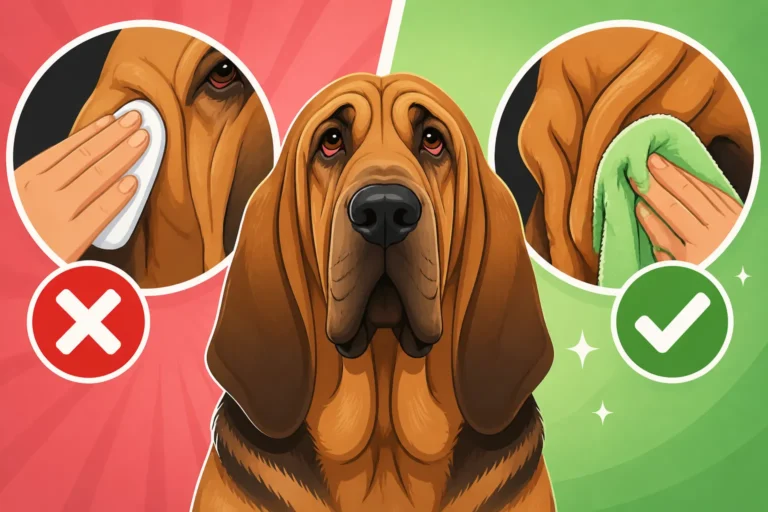
A daily (or sometimes twice-daily, depending on activity and drool levels) wiping routine is the cornerstone of fold care. After meals, after your Bloodhound has had a good drink, and especially after any outdoor activity where their face and dewlap might have gotten dirty, a quick wipe-down is essential. Focus on those deep lip folds around the mouth, the folds on the forehead, and the extensive dewlap. Use a soft, clean cloth or a specialized pet wipe to gently clean inside each fold, removing any trapped food, saliva, or debris. Once cleaned, it's equally important to ensure the area is thoroughly dried. A soft, absorbent towel can do wonders. Leaving folds damp is just inviting trouble. This routine might sound tedious, but it's far less time-consuming and stressful than treating a full-blown infection. For a comprehensive guide on this vital task, check out Wiping a Bloodhound's Folds Before They Sour. It details exactly how to approach this critical part of your Bloodhound’s grooming.
Choosing the Right Cleaning Products
When it comes to cleaning your Bloodhound's folds, the right products make all the difference. You want something gentle yet effective. Plain warm water and a soft cloth are often sufficient for daily cleaning, but for areas prone to yeast or bacterial overgrowth, you might need something with a little more antiseptic power. Many owners find success with medicated wipes specifically designed for skin folds, which often contain ingredients like chlorhexidine or ketoconazole to help keep bacteria and yeast at bay. Always choose products that are pH-balanced for dogs and free of harsh chemicals, fragrances, or alcohol, which can dry out or irritate sensitive skin.
For regular cleaning and drying supplies, online retailers like Amazon and Chewy offer a wide selection of pet-safe wipes, gentle cleansers, and absorbent towels. You can find brands specifically formulated for dogs with skin fold issues. While primarily a dog food brand, remember that a high-quality diet, perhaps from a company like Ollie, can also contribute to overall skin health and resilience from the inside out. Always consult your veterinarian if you're unsure which product is best for your Bloodhound, especially if they have recurring skin issues. Sometimes, a vet-prescribed solution is the only way to get a stubborn infection under control. For further details, consider reading What to Wipe a Bloodhound's Folds With.
Here's a quick overview of common Bloodhound folds and their care:
| Fold Location | Common Issues | Daily Care Essentials | Additional Tips |
|---|---|---|---|
| Forehead & Brow | Dirt, dust, minor irritation | Gentle wiping with damp cloth, thorough drying | Check for discharge from eyes that may collect |
| Muzzle/Lip Folds | Food, saliva, yeast/bacterial infection | Post-meal/drink wiping, medicated wipes | Keep dry, especially after vigorous drinking |
| Jowls (Cheeks) | Drool, debris, odor, dermatitis | Frequent wiping, drying, consider snood for meals | Check deep folds for trapped moisture and infection |
| Dewlap (Neck/Throat) | Moisture, debris, chafing, dermatitis | Daily wiping, ensure dryness after water/outdoors | Inspect for redness, especially in humid weather |
| Armpits & Groin | Chafing, sweat, moisture trapping | Occasional wipe-down, ensure good air circulation | Keep lean body condition, towel dry after baths |
Caring for a Bloodhound's folds is an ongoing labor of love, but it's one that prevents discomfort and helps your magnificent hound lead a happy, healthy life. Their unique features are a part of their charm and their incredible working ability, and with a little consistent attention, you can keep them in tip-top shape. You might also find it useful to learn about The Bloodhound Is the Only Dog Whose Evidence Stands in Court, which offers insight into the profound history and unique capabilities of this incredible breed. Their physical attributes are truly engineered for their legendary work.
Disclaimer
This article is for general informational purposes only and does not constitute professional advice. Laws, prices and regulations vary by location and change over time. Consult a qualified professional for guidance on your specific situation.