Whether Food Is the Right Reward for a Trailing Bloodhound
It's a common dilemma for Bloodhound owners, especially when you're just starting out with scent work: you want your dog to perform its best, but you also don't want to create a situation where they're only interested in the high-value treat in your pocket. This guide will dive deep into the nuanced role of food rewards in training a trailing Bloodhound, helping you understand when to use them, how to use them effectively, and when it might be time to fade them out.
The Bloodhound's Drive: Beyond Just a Meal
Let's be honest, Bloodhounds are often seen as food motivated, and it's true they appreciate a good snack! But when it comes to trailing, their motivation runs much deeper than just the promise of a kibble. Understanding this intrinsic drive is key to unlocking their full potential.
What Truly Motivates a Bloodhound on a Trail
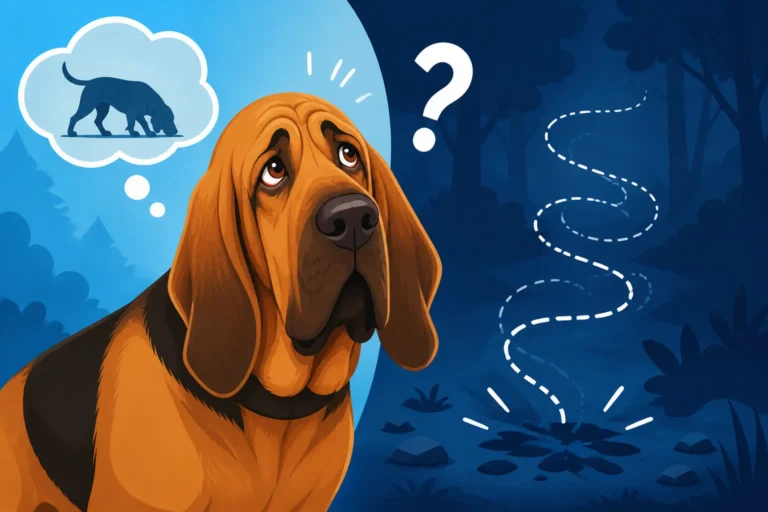
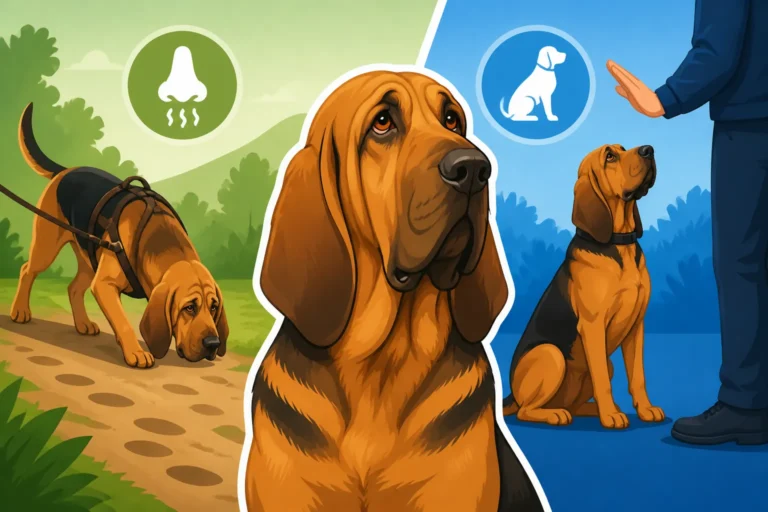
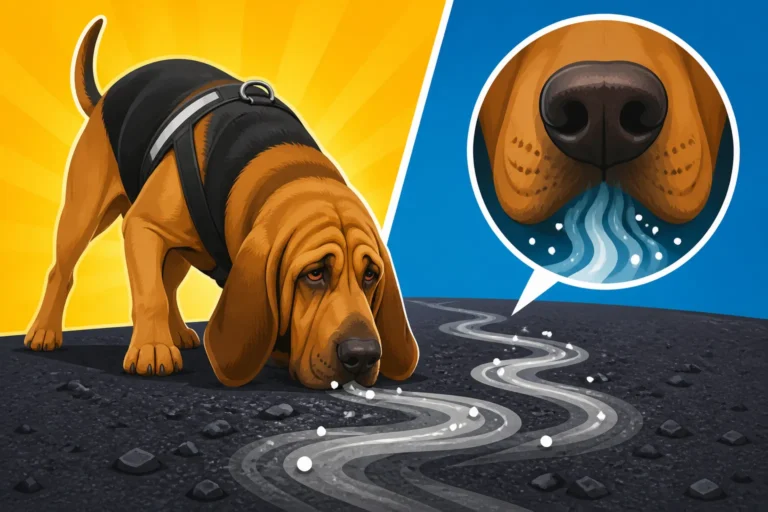
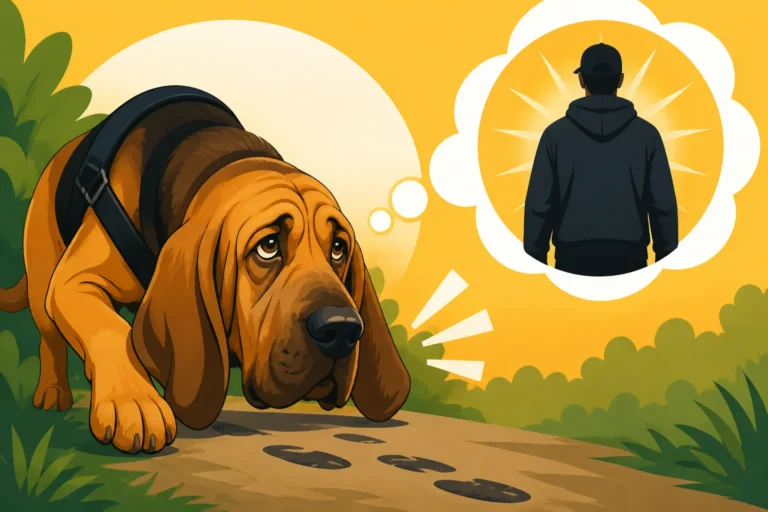
Think of a Bloodhound not just as a dog, but as a nose on four legs, connected to a brain that lives to solve scent puzzles. Their primary motivation isn't really the food at the end, but the process of tracking itself. It's an innate, ancient drive that satisfies them on a profound level. When a Bloodhound puts its nose down and locks onto a trail, it's entering a flow state, a meditative focus that other breeds might only achieve during high-prey-drive activities or intense play. The satisfaction comes from the journey, the unraveling of the scent puzzle, and the ultimate "find."
Many people mistakenly believe that because their Bloodhound will gobble down treats, that's their sole driver for working. While treats are certainly helpful, the real reward for a Bloodhound is the act of trailing itself. It’s like a human deeply engrossed in a complex problem; the reward is the act of solving it, not just the prize money. A Bloodhound’s brain is literally wired for this work, and every successful trail reinforces that instinct. You'll see their body language change, their tail wagging low, their ears almost seeming to guide the scent to their nose – that's the pure joy of a Bloodhound doing what it was born to do. This profound engagement is why Why a Bloodhound's Nose Outvotes Its Handler is such a critical concept for owners to grasp. Their nose really is their boss, and it’s a powerful, inherent motivator.
When Food Does Play a Role
Despite their profound intrinsic drive, food absolutely has a place in Bloodhound trailing. It's all about how and when you deploy it. Think of food as a powerful tool to initiate, shape, and reinforce specific behaviors, especially in the early stages of training or when teaching a new aspect of trailing.
In those first few puppy steps on a trail, or when introducing a young Bloodhound to a scent article, a high-value food reward can be incredibly effective. It marks the precise moment of success, clearly communicating "Yes! That's exactly what I wanted!" For instance, if you're teaching your Bloodhound to pick up a specific scent from an article, a quick, tasty treat immediately after they show interest or move in the right direction can build a strong association. Food can also be used to maintain enthusiasm, particularly during longer training sessions or when working in challenging environments. It's a way to keep the energy high and confirm that their hard work is valued. For some Bloodhounds, especially those with less natural confidence or drive, food can be the initial bridge to understanding the game, helping them build positive associations before their intrinsic love for trailing fully takes over.
The Practicalities of Using Food Rewards
Using food effectively isn't just about having treats; it's about strategy. The type of food, how you deliver it, and the context are all crucial for success, ensuring the reward enhances, rather than distracts from, the trailing experience.
Choosing the Right Food Rewards for Trailing
Not all treats are created equal when it comes to scent work. You'll want to differentiate between high-value and low-value rewards. For demanding trailing work, especially in new or distracting environments, you'll need the good stuff. Think small pieces of cooked chicken, cheese, or specialized training treats like freeze-dried liver. These are "jackpot" rewards that make a Bloodhound's eyes light up. They should be soft, easy for your dog to swallow quickly without much chewing, and not crumbly. Crumbs can become mini-distractions on the trail, causing your dog to momentarily break concentration to sniff out dropped morsels.
The size of the treat matters too. You want tiny, pea-sized pieces that can be given rapidly and in multiples without filling up your dog too quickly. You don't want them to get full and lose interest, or worse, gain too much weight. Keeping a Bloodhound lean is vital for their joint health, and trailing treats can add up! Consider treats that come in a re-sealable bag or a sturdy pouch you can clip to your belt. Brands like BAXTER & Bella offer excellent quality, high-value training treats that are perfect for this kind of work, as they are often formulated to be palatable and easy to break into smaller pieces. Remember, the goal is impact, not volume.
Delivering Food Rewards Effectively on a Trail
Timing is absolutely paramount when delivering food rewards during trailing. The treat needs to be given the instant your Bloodhound performs the desired action – usually, the moment they indicate they've found the "quarry" or followed a scent successfully. If there's a delay, your dog might not connect the reward with the specific behavior you're trying to reinforce.
Often, in trailing, the reward isn't delivered by the handler, but by the person the Bloodhound finds at the end of the trail. This is a powerful reinforcement: the "find" literally produces the reward. This setup solidifies the dog's understanding that locating the person is the ultimate goal and that positive things happen when they do. This is a core tenet when considering Whether a Bloodhound Puppy Should Be Rewarded by the Person Found. The person being found should be ready with the high-value treats and an enthusiastic greeting. As a handler, having a treat pouch ready on your belt, perhaps one you got from Amazon, can be incredibly useful for other, smaller reinforcements during the trail itself, such as acknowledging a particularly difficult turn or a sustained focus in a distracting area. The key is to make the reward quick, clear, and consistent, ensuring it never becomes a distraction from the actual scent work.
Potential Pitfalls and Alternatives to Food
While food rewards are valuable, they aren't a magic bullet and can sometimes create unintended consequences. It's important to be aware of these potential downsides and to consider a broader range of reinforcement strategies.
The Downsides of Over-Reliance on Food
One of the biggest concerns with heavy reliance on food rewards, especially with a large breed like a Bloodhound, is weight gain. These dogs are prone to joint issues like hip and elbow dysplasia, and excess weight exacerbates these problems significantly. Even small treats add calories, and it's easy to overdo it during frequent training sessions. Keeping a Bloodhound Lean on Purpose is a lifelong commitment, and every treat needs to be accounted for in their daily caloric intake.
Beyond the physical, there's the risk of creating a "treat-dependent" dog. If a Bloodhound only works for food, their intrinsic motivation for trailing can diminish. They might perform well when you have the good stuff, but show less enthusiasm or even "strike" if the treats aren't up to par or aren't immediately visible. This can be frustrating in real-world scenarios where constant food delivery isn't feasible. Furthermore, dropped food can become a distraction on the trail, causing the Bloodhound to break its focus on the human scent to vacuum up crumbs. You want your Bloodhound chasing scent, not stray bits of cheese.
Integrating Other Forms of Reinforcement
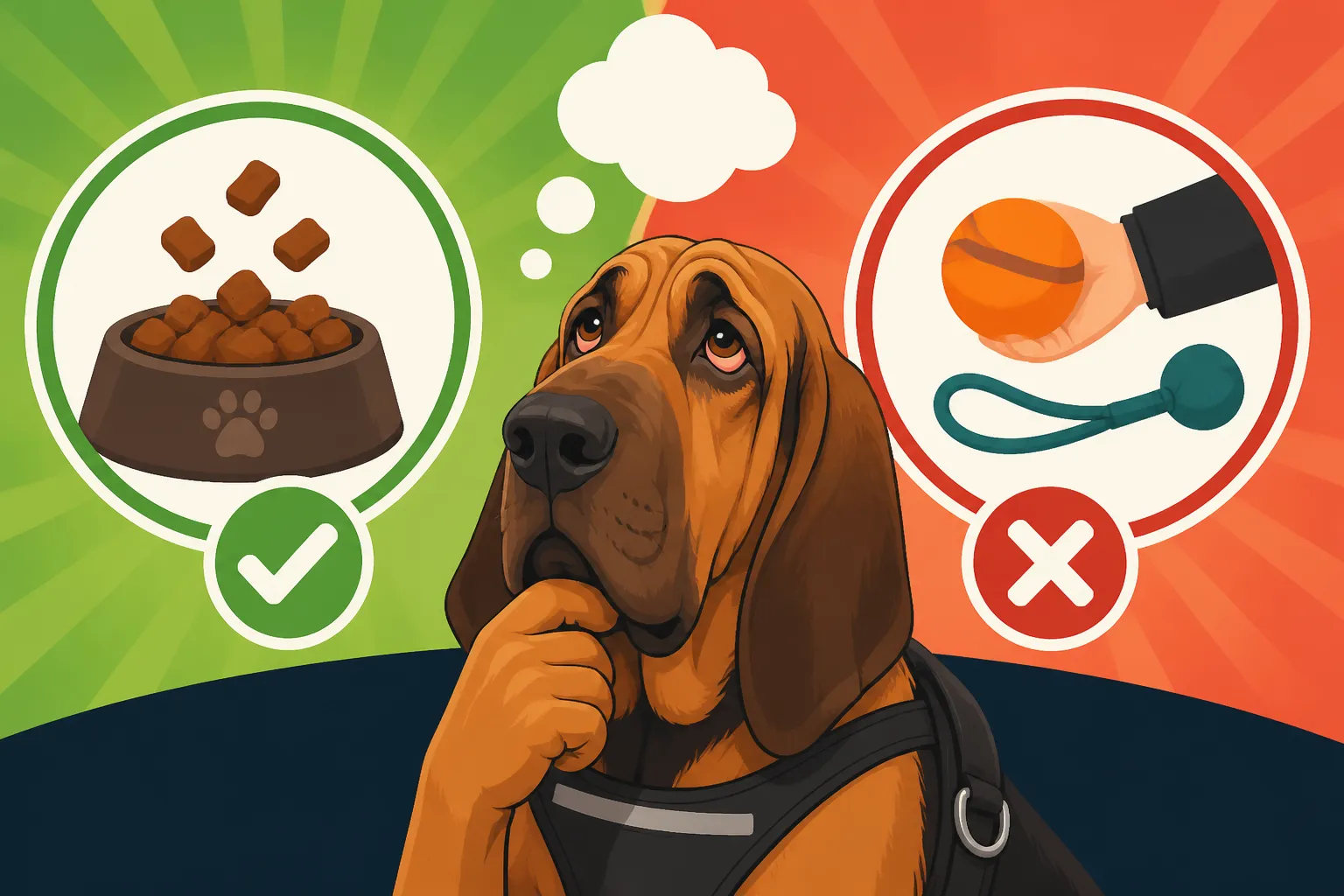
The good news is that Bloodhounds respond wonderfully to a variety of rewards beyond just food. Integrating these alternatives can create a more robust and resilient motivation system. Enthusiastic verbal praise, delivered with a genuinely happy and excited tone, can be incredibly rewarding. A cheerful "Good dog! Yes!" coupled with a scratch behind the ears or a gentle pat, makes a huge difference. Your voice and your approval are powerful tools.
For many Bloodhounds, a brief, vigorous session with a favorite toy can be a fantastic reward. A quick game of tug or a few throws of a tennis ball immediately after a successful find can tap into their play drive. However, keep these play sessions short and contained so they don't overshadow the trailing itself or cause too much over-arousal. The ultimate reward for many Bloodhounds is the joy of the "find" itself, coupled with the loving interaction with their handler or the person they've located. That human connection, the praise, and the physical interaction can be just as, if not more, potent than food. Consider how important the "end" of the trail is in What a Bloodhound Does at the End of a Trail. This culmination of the work, the success, and the social interaction creates a powerful positive feedback loop.
Tailoring Rewards to Your Individual Bloodhound
Every Bloodhound is a unique individual with their own quirks, preferences, and learning styles. What works wonders for one might be completely ignored by another. This is where your skills of observation and flexibility as a handler truly shine.
Observing Your Bloodhound's Preferences
You'll quickly learn that while Bloodhounds share a general love for scent work, their specific reward preferences can vary widely. Some might go absolutely bonkers for a small piece of hot dog, while others might prefer a squeaky toy or even just a vigorous petting session. It's an ongoing process of experimentation. Try different types of high-value treats – cooked meats, soft cheeses, commercially available training treats (BAXTER & Bella often have a good range to explore), or even crunchy biscuits. Pay close attention to your Bloodhound's reaction: Do their eyes light up? Do they gulp it down eagerly? Do they stay engaged and ready for more?
Beyond food, experiment with different forms of praise and play. Does your Bloodhound respond better to a high-pitched "Good boy!" or a calm, deep "Yes, good job"? Do they love a quick tug game, or do they prefer a brief romp in a safe area? The goal is to find what truly excites your individual dog and makes them feel like they've won the lottery. This understanding is key to creating a truly effective and personalized training program, keeping them motivated and happy throughout their trailing career, which can be quite extensive given How Long a Bloodhound Can Work Before It Tires.
Building a Balanced Reward System
The most effective approach to rewarding a trailing Bloodhound is to build a balanced system that leverages a variety of reinforcers. This means combining primary rewards (like food) with secondary rewards (like praise, play, or the act of finding itself). In the beginning, you might rely heavily on food to clearly mark desired behaviors. For instance, when first teaching your Bloodhound to focus on a What Scent Article a Bloodhound Puppy Starts On, a treat at the exact moment they show interest is perfect.
As your Bloodhound gains understanding and confidence, you can gradually start to fade the food, using it less frequently but keeping it high-value when you do. This means some successful trails might end with a hearty praise and a quick game of fetch, while particularly challenging or groundbreaking finds still merit that special meaty treat. The ultimate goal is for the find itself, and the interaction with you, to become immensely rewarding. Think of yourself as the primary reward – your presence, your approval, and your shared joy in their success are incredibly powerful. This creates a Bloodhound who works not just for a snack, but for the profound satisfaction of the hunt and the bond they share with you.
By diversifying your reward strategies, you ensure your Bloodhound remains enthusiastic, adaptable, and intrinsically motivated, making every trailing adventure a truly rewarding experience for both of you.
| Reward Type | Pros | Cons | Best Use Case |
|---|---|---|---|
| High-Value Food | Highly motivating, precise marker for behavior | Can lead to weight gain, treat-dependence, crumbs | Early training, difficult trails, big "finds" |
| Enthusiastic Praise | Always available, strengthens bond, no calories | Less precise, may not be enough for strong distractions | Consistent reinforcement, maintaining morale |
| Short Play Session | Great for high-energy dogs, builds drive | Can cause over-arousal, not always practical on trail | After a major "find," as a "jackpot" reward |
| The "Find" Itself | Intrinsic, ultimate goal, self-reinforcing | Relies on success, not suitable for initial teaching | Mature trailing, building sustained motivation |
Disclaimer
This article is for general informational purposes only and does not constitute professional advice. Laws, prices and regulations vary by location and change over time. Consult a qualified professional for guidance on your specific situation.