Whether a Bloodhound Should Trail in a Specific Harness Only
It’s a common misconception among new Bloodhound owners that any harness will do for any activity. You might think, "A harness is a harness, right?" But when it comes to unleashing your Bloodhound’s incredible nose for actual scent work or mantrailing, the truth is, the type of harness you use makes a monumental difference. This guide will delve into why a specialized trailing harness isn’t just a nice-to-have, but an absolute necessity for effective, comfortable, and safe scent work with your Bloodhound.
The Pitfalls of Using Standard Walking Harnesses for Trailing
Many owners start with a harness they already have for walks, perhaps a simple front-clip or back-clip design, or even a vest-style harness. These are perfectly adequate for day-to-day strolls around the neighborhood, keeping your Bloodhound from pulling on their neck, but they fall woefully short when you ask your dog to perform their natural, intense scenting work. The problem isn't just about comfort; it's about optimizing their unique physiology and maintaining clear communication during a trail.
Restriction of Movement and Discomfort
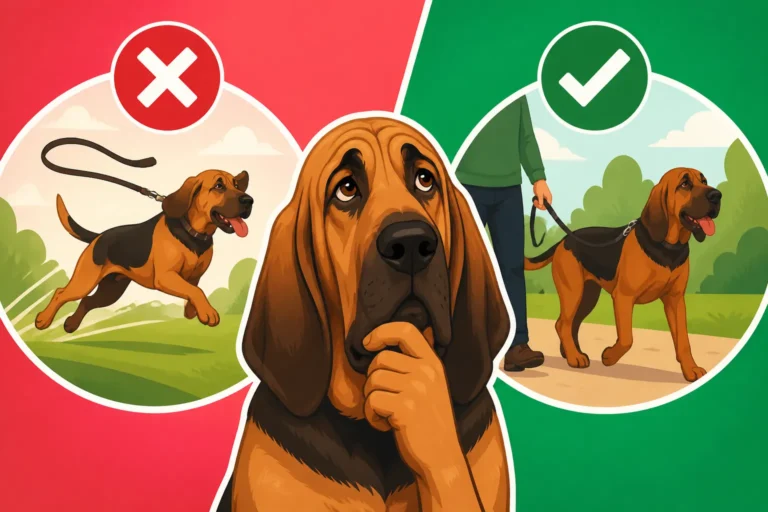
Imagine trying to run a marathon in dress shoes. That’s a bit how it feels for a Bloodhound trying to intensely trail in a restrictive harness. Standard walking harnesses are often designed to distribute pressure across the chest and back, which is fine for leisurely walks. However, when a Bloodhound is working, their entire body is engaged. They lean into the line, their powerful neck and shoulders are driving them forward, and their deep chest needs full expansion for breathing. A harness that constricts movement around the shoulders or restricts the natural gait can lead to fatigue, chafing, and even long-term musculoskeletal issues. Their shoulder blades need to move freely, and many standard harnesses cut right across this crucial joint. A Bloodhound needs to move with fluidity, sometimes at a brisk pace, sometimes slowly and deliberately, often with their head low to the ground. Any impediment to this natural movement can disrupt their focus and effectiveness.
Unclear Communication and Handler Errors
A trailing harness isn't just about the dog's comfort; it's a vital tool for communication between the Bloodhound and its handler. Standard harnesses often lack the clear points of contact or the specific design elements that allow a handler to subtly guide or anchor their dog during a trail. For instance, a back-clip harness, while great for preventing neck strain on casual walks, can actually encourage pulling during scent work because the attachment point is high on the back, shifting the dog's center of gravity forward. This can make it harder for the handler to feel subtle changes in the dog's pace or direction, or to provide gentle, consistent resistance that a Bloodhound often needs when intensely focused on a scent. Similarly, a front-clip harness, designed to redirect a pulling dog, might cause the harness to shift or twist uncomfortably when the dog is pulling consistently forward on a trail, again creating unclear signals. When you're trying to communicate with a Bloodhound whose nose has entirely "outvoted its handler," you need every advantage you can get.
Risk of Escape and Safety Concerns
Let's be real: Bloodhounds are masters of escape when their nose is on a mission. A standard harness, not designed for the sustained forward pressure or the unique body shape of a Bloodhound, might not offer the security you need. Some harnesses are surprisingly easy for a determined Bloodhound to back out of, especially if they hit a wall or get startled. A trailing harness is often designed with multiple straps or a more secure fit to prevent this. Imagine being in an unfamiliar environment, perhaps urban or along a busy road, and your Bloodhound slips out of their harness because they're fixated on a scent. The consequences could be devastating. Safety is paramount when you're asking your dog to perform intensive work in diverse environments.
The Anatomy of an Effective Trailing Harness for a Bloodhound
So, if standard harnesses aren't the answer, what does make a trailing harness effective for a Bloodhound? It comes down to specific design elements that cater to their unique build, working style, and communication needs.
Y-Front or H-Back Design
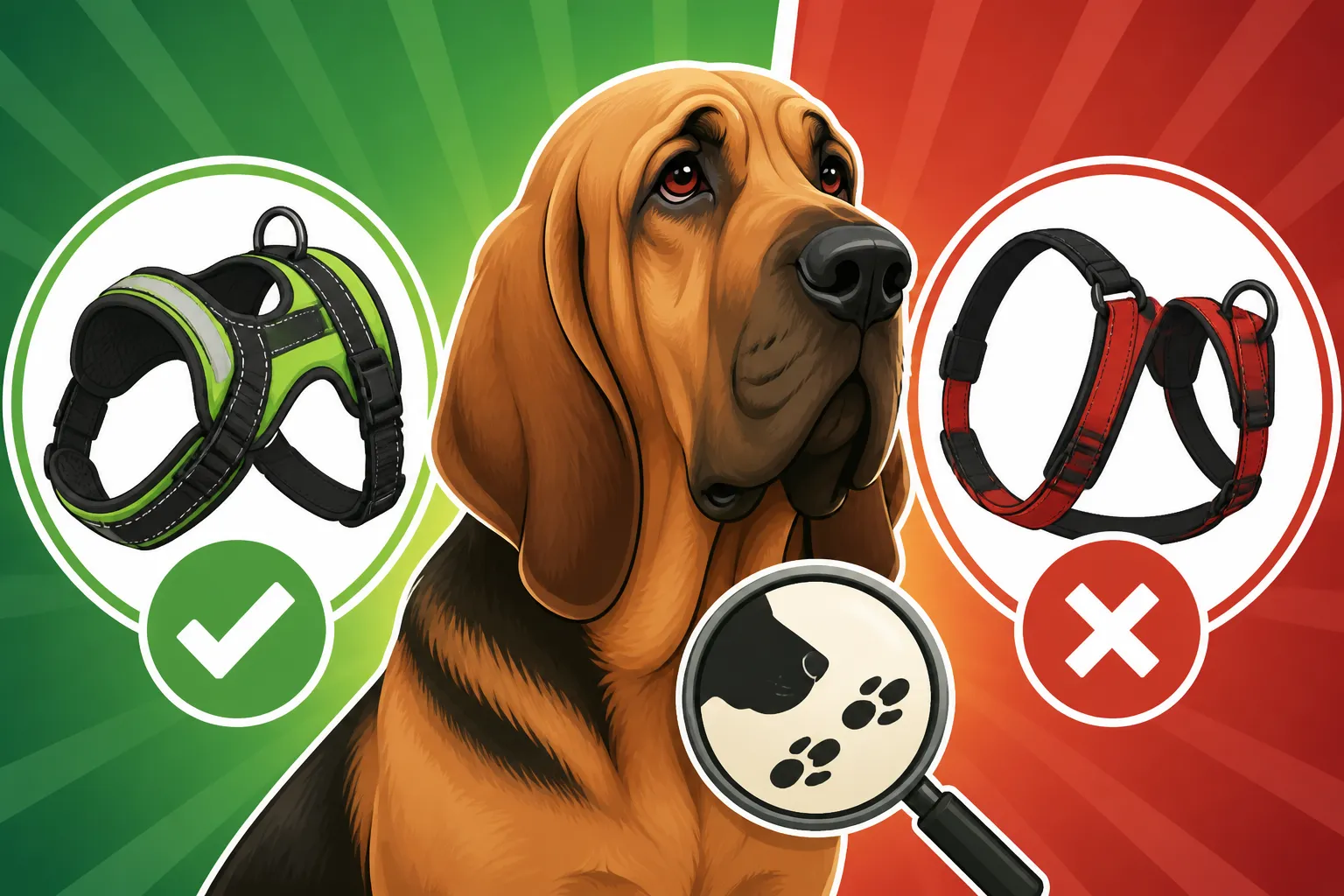
The most effective trailing harnesses typically feature a "Y-front" or "H-back" design.
- Y-front harnesses (also known as Nordic harnesses) have straps that form a 'Y' shape over the chest, allowing the chest and shoulders to move freely without obstruction. This is crucial for a Bloodhound's powerful stride and deep chest expansion. The chest strap sits low, avoiding the throat, and the shoulder straps run over the shoulder blades, not across them.
- H-back harnesses (sometimes called tracking harnesses) also prioritize shoulder freedom. They often have a long top strap along the dog's back, and the chest strap is set further back from the armpits to prevent chafing. The attachment point for the long line is usually further back on the dog's body, distributing pressure evenly across the torso rather than concentrating it at the neck or shoulders. This helps the Bloodhound lean into their work comfortably for extended periods.
These designs ensure that when your Bloodhound pulls into the line, the pressure is distributed comfortably and effectively across their robust chest and body, rather than digging into their throat or restricting their movement. You'll often see terms like "pulling harness" or "tracking harness" used for these specialized designs, distinguishing them from everyday walking harnesses.
Optimal Attachment Points
A good trailing harness will have a single, robust attachment point, typically on the back, situated to distribute pressure evenly when the dog pulls forward. This attachment point is usually a sturdy D-ring or O-ring, designed to withstand sustained pressure from a powerful dog leaning into a scent. This central, stable attachment is vital because it allows the handler to maintain consistent tension on the How Long a Line a Bloodhound Handler Buys and feel every subtle shift in the Bloodhound's body language as they work the trail. This direct connection helps the handler understand if the dog is gaining confidence, struggling with contamination, or has found a "check" (a place where the scent might be temporarily lost). Some harnesses might offer a front attachment for additional control or for teaching purposes, but for dedicated trailing, the back attachment is generally preferred for its ability to allow the dog to pull naturally and effectively.
Durable and Weather-Resistant Materials
Bloodhounds work in all sorts of environments – dense woods, muddy fields, urban concrete, and through varying weather conditions. Their harness needs to be built to last. Look for materials like high-strength nylon, durable webbing, and robust stitching. Padded chest plates or straps can add comfort, preventing chafing during long work sessions, especially for a breed prone to skin sensitivities in its folds. Hardware, such as buckles and rings, should be heavy-duty and rust-resistant. You want something that can be easily cleaned after a muddy trail and won't degrade with exposure to the elements. Remember, this isn't just a fashion accessory; it's a piece of working equipment that needs to stand up to rigorous use. Checking reviews on platforms like Amazon for specific brands known for durability can often give you a good indication of material quality and longevity.
Here's a quick comparison of common harness types and their suitability for Bloodhound trailing:
| Harness Type | Description | Trailing Suitability | Pros for Trailing | Cons for Trailing |
|---|---|---|---|---|
| Standard Back-Clip | Loop on dog's back, often near shoulders. | Poor. Encourages pulling, can restrict shoulder movement. | Easy to put on. | Pulling puts pressure on spine/neck, poor communication. |
| Standard Front-Clip | Loop on dog's chest. | Moderate (for training not to pull), but not ideal for sustained trailing. | Redirects pulling, less neck strain. | Can twist/shift, alter gait, unclear communication during focused work. |
| Y-Front (Nordic) | Y-shape on chest, attachment point on back. | Excellent. Allows full shoulder and chest movement. | Optimal freedom, comfortable, clear communication. | Might be less common in pet stores; requires proper fit. |
| H-Back (Tracking/Pulling) | Long strap along back, attachment point further back on torso. | Excellent. Distributes pressure evenly, very secure. | Maximum comfort for sustained pulling, very secure. | Can be bulkier, requires careful sizing. |
| Head Halter/Gentle Leader | Fits over snout and behind ears. | Not suitable for trailing. Designed for head control, not scent work. | Excellent head control. | Restrictive, distracting for scent work, can cause head shyness if misused. |
Choosing the Right Fit and Material for Your Bloodhound's Trailing Harness
Finding the perfect trailing harness for your Bloodhound isn't just about picking a design; it's about meticulous fitting and selecting materials that stand up to their unique demands. A poorly fitting harness can negate all the benefits of a specialized design, leading to discomfort, chafing, and even behavioral issues on the trail.
Measuring for the Perfect Fit
Bloodhounds are large, deep-chested dogs with a unique physique, and a "one-size-fits-all" approach simply won't work. To get an accurate fit, you’ll need a flexible tape measure and a calm dog.
- Chest Girth: Measure the widest part of your Bloodhound’s rib cage, just behind their front legs. This is the most critical measurement.
- Neck Circumference: For Y-front styles, measure around the base of their neck where a collar would naturally sit.
- Back Length: For H-back designs, measure from the base of the neck to the base of the tail to estimate the ideal length of the back strap.
Always check the manufacturer’s sizing chart, and if your Bloodhound is between sizes, it’s often safer to size up, assuming the harness is highly adjustable. You want to ensure there's enough room for two fingers to slip comfortably under all straps without being loose enough to shift or allow escape. The harness should sit snugly but not restrictively, allowing for full range of motion, especially around the shoulders and elbow joints. An ill-fitting harness can rub and cause Skin Fold Dermatitis on a Bloodhound, especially in the armpit area. Many companies offer detailed fitting guides, and some online retailers like Amazon even have customer reviews with photos of different breeds wearing the harnesses, which can be incredibly helpful for a visual reference.
Material Considerations for Comfort and Durability
The material of the harness directly impacts your Bloodhound’s comfort and the harness’s lifespan.
- Nylon Webbing: This is a common and durable choice. Look for high-quality, dense nylon that resists fraying. It's strong, relatively lightweight, and easy to clean.
- Padding: Crucial for large, powerful dogs, especially during extended work. Neoprene, fleece, or soft mesh padding in the chest plate and underarm areas can prevent chafing and distribute pressure more comfortably. This is especially important for areas where a Bloodhound's loose skin might be prone to rubbing.
- Reflective Stitching: For trailing in low light conditions, reflective elements are a major safety feature, increasing visibility for both you and your working dog.
- Hardware: Ensure all buckles, D-rings, and adjusters are robust. Metal hardware is generally more durable than plastic, especially for a dog of a Bloodhound’s size and strength. Look for solid, welded rings rather than split rings.
Remember, your Bloodhound might wear this harness for hours, potentially in various weather conditions, and it will be subjected to significant forces. Investing in quality materials pays off in comfort for your dog and longevity for the equipment. Some brands specialize in working dog equipment and understand these specific needs.
Transitioning Your Bloodhound to a Dedicated Trailing Harness
Introducing a new, specialized harness, especially one that feels different from their everyday walking gear, requires a thoughtful approach. You want your Bloodhound to associate the trailing harness with their exciting and rewarding work, not with discomfort or confusion. This transition is part of setting them up for success in their scenting adventures.
Positive Reinforcement and Association
The key here is positive association. Never just strap on the new harness and immediately demand work.
- Introduction: Let your Bloodhound sniff and explore the new harness on their own terms. Praise and reward them for any interaction, even just a curious glance.
- Trial Fittings: Drape the harness over them for a few seconds, then remove it and offer a high-value treat or favorite toy. Repeat this several times over short sessions, gradually increasing the duration. The goal is to make them think, "Harness means good things happen!"
- Short Walks: Once they’re comfortable wearing it, take them for very short, pleasant walks in the new harness. Don't ask for any serious trailing work yet. Just let them get used to the feel.
- Scent Work Cues: Start associating the harness with your scent work specific cues and rituals. For example, some handlers only put on the trailing harness when they’re about to do a "runaway" exercise or How to Introduce a Bloodhound Puppy to a Scent Article. This helps the dog understand that this harness means "it’s time to work!"
Consistency and patience are vital. If your Bloodhound shows any signs of discomfort or apprehension, take a step back and make the sessions shorter and even more rewarding.
Integrating the Harness into Training Protocols
For Bloodhounds, the trailing harness isn't just gear; it's a uniform that signals "work mode."
- Designated Gear: Many experienced handlers have separate gear for casual walks versus actual trailing. The trailing harness becomes a cue in itself. When this harness comes out, the Bloodhound knows it’s time to focus on scent. This helps to prevent confusion and strengthens their understanding of what's expected of them.
- Pre-Trail Routine: Establish a clear pre-trail routine that includes putting on the specific trailing harness. This might involve a quiet moment, a specific command, or a short period of focused attention before hitting the scent. This helps your Bloodhound mentally prepare for the task ahead. The First Year With a Bloodhound That Already Wants to Trail emphasizes the importance of consistent routine.
- Practice in Varied Environments: Once your Bloodhound is comfortable, practice wearing the harness in different trailing environments. This helps them generalize the experience and ensures they remain focused, regardless of distractions.
While BAXTER & Bella offers excellent resources for general puppy training and obedience, when it comes to the specialized world of scent work with a Bloodhound, finding trainers or clubs experienced in mantrailing can provide invaluable, breed-specific guidance on equipment use and technique. They can help you fine-tune how you introduce and use the specialized harness, ensuring it perfectly complements your Bloodhound's natural talent. The investment in the right harness, and the time taken to introduce it properly, will pay dividends in a more effective, comfortable, and enjoyable trailing experience for both you and your incredible Bloodhound. After all, their nose is unparalleled, and we owe it to them to equip them for success.
Disclaimer
This article is for general informational purposes only and does not constitute professional advice. Laws, prices and regulations vary by location and change over time. Consult a qualified professional for guidance on your specific situation.