What a Bloodhound Eats After Bloat Surgery
Post-operative feeding for Bloodhounds recovering from bloat surgery requires veterinary guidance, gut sound checks, and temporary fasting periods.
Know what to watch for.
Breed-specific conditions, screening and DNA tests, what surgery actually costs, and the daily habits that stretch a healthy lifespan.
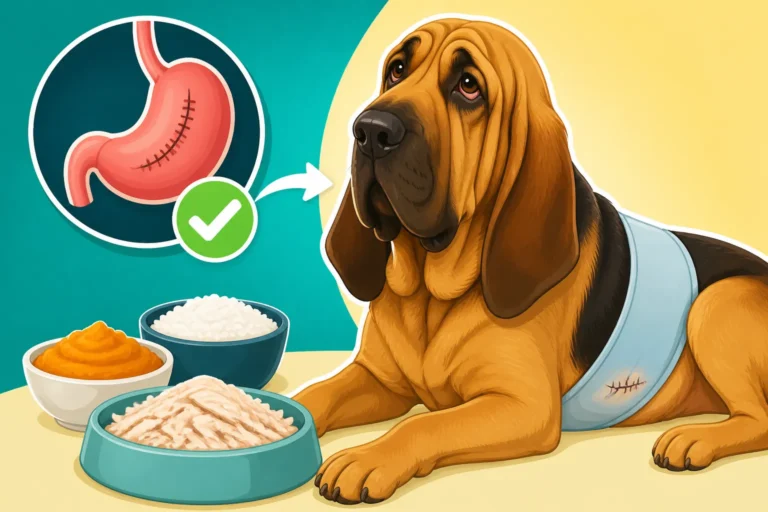
Post-operative feeding for Bloodhounds recovering from bloat surgery requires veterinary guidance, gut sound checks, and temporary fasting periods.
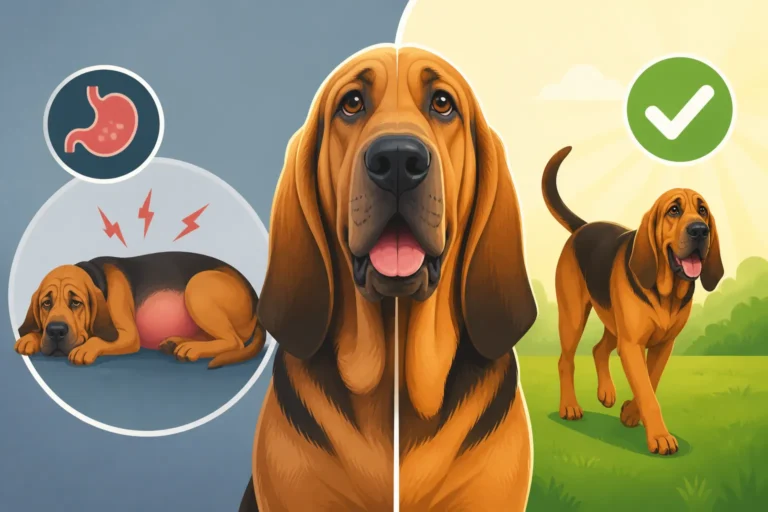
Bloodhound recovery from bloat surgery entails hospital intensive care monitoring, pain management medications, and healing timelines.
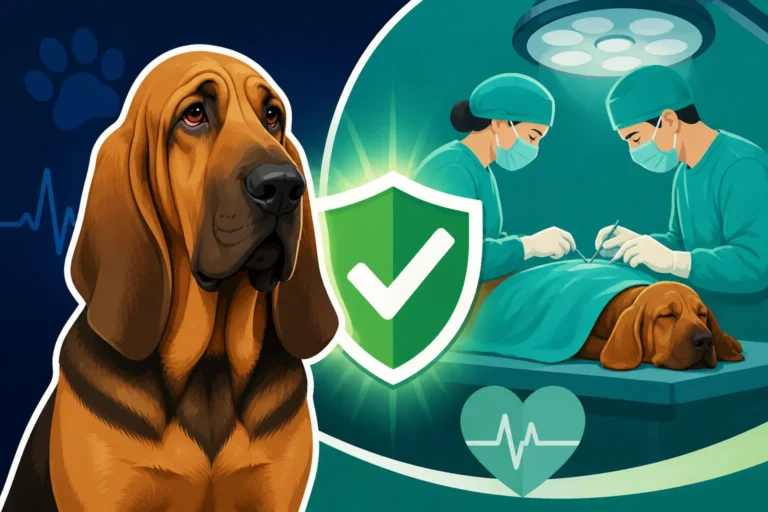
Bloodhound emergency surgery survival rates for gastric dilatation-volvulus depend on fast veterinary treatment and the severity of tissue damage.
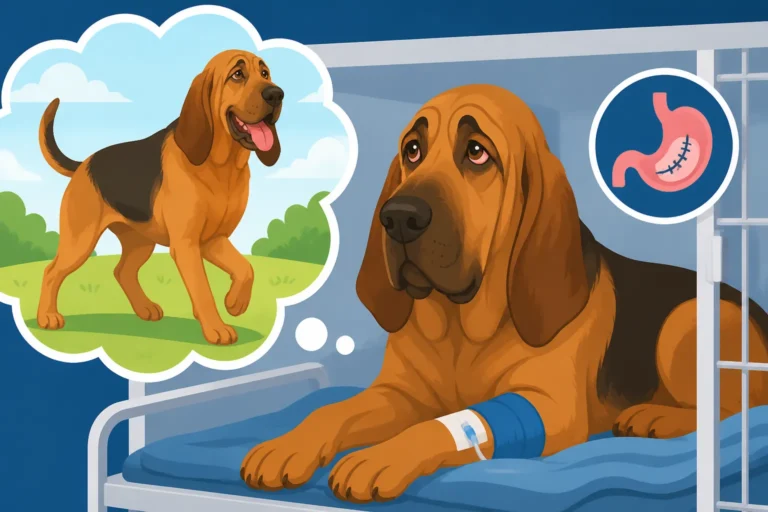
Bloodhound bloat surgery recovery time and clinic stay duration depend on monitoring, complications, and healing progress.
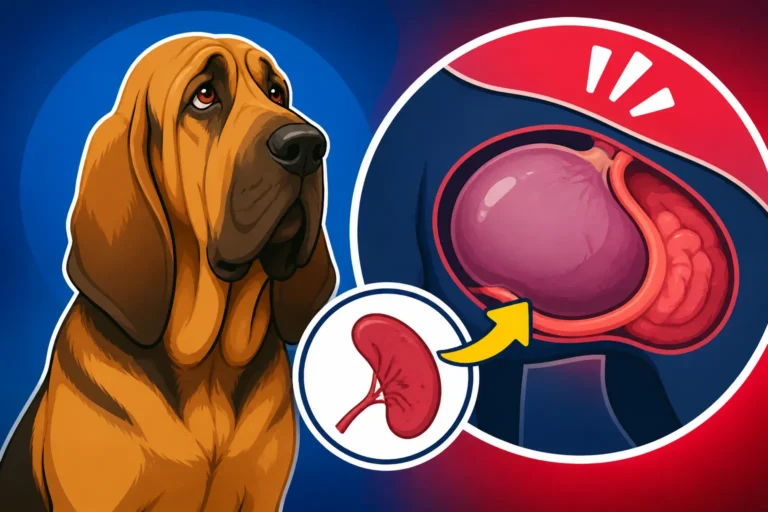
Bloodhound gastric dilatation-volvulus emergency surgery explains spleen removal risks when twisted stomachs cause tissue necrosis.
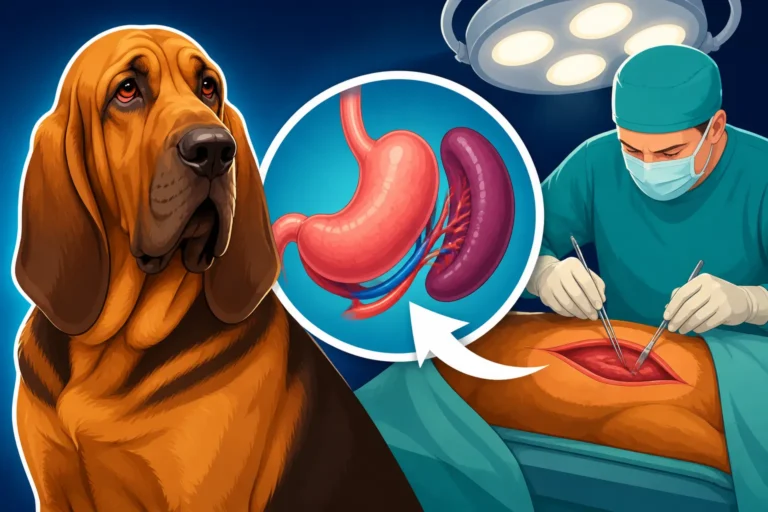
Emergency surgery for a Bloodhound with GDV involves decompressing the distended stomach and addressing the twisted spleen to save its life.
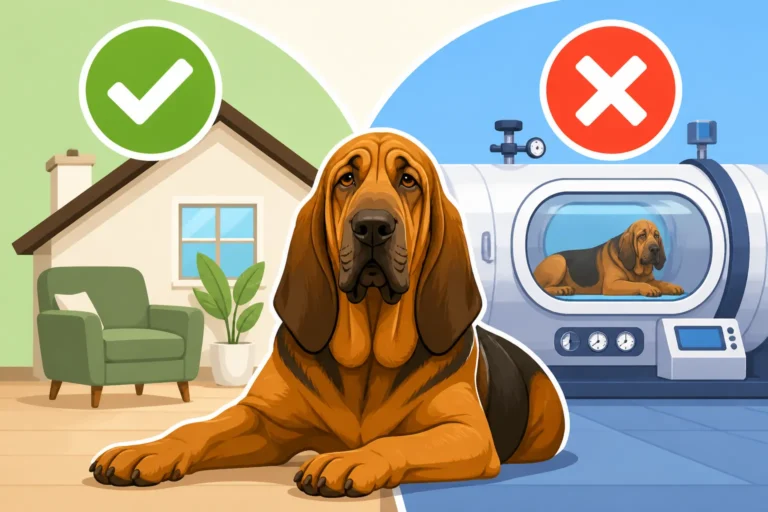
Attempting to decompress a bloating Bloodhound at home is dangerous and futile, requiring immediate professional veterinary medical intervention instead.
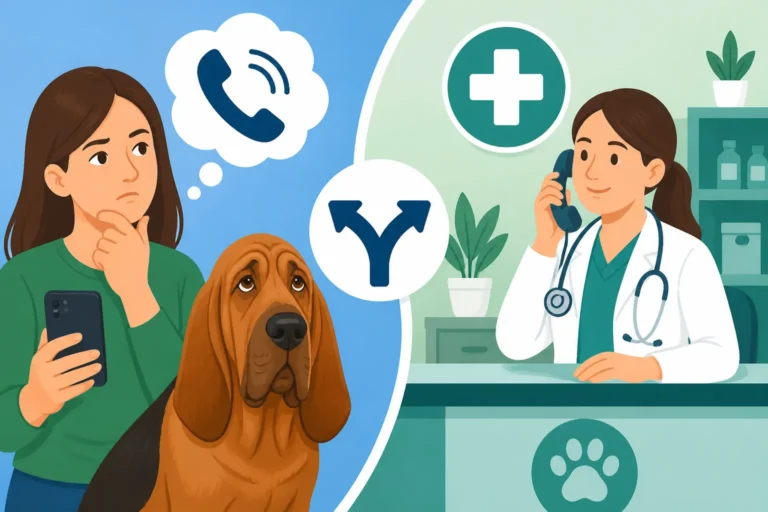
Calling the veterinary clinic before arriving lets staff prepare equipment for a Bloodhound suffering from bloat or trauma.
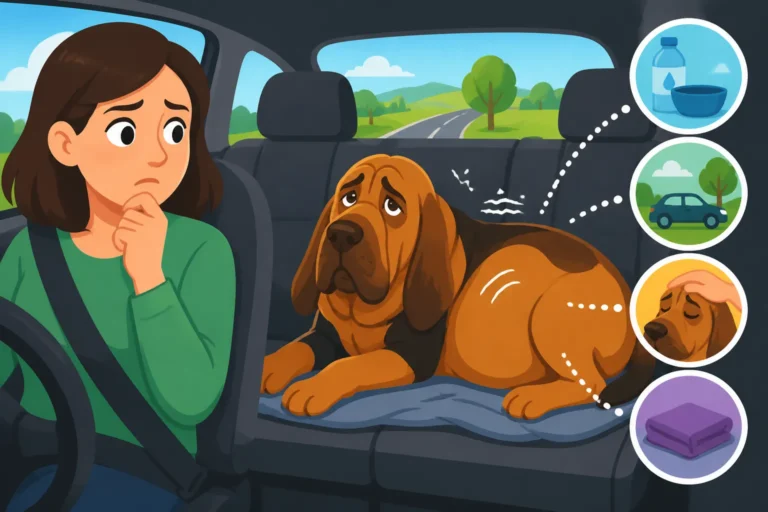
Emergency veterinary actions for a Bloodhound with GDV explain how to safely manage the urgent car ride to save your dog.
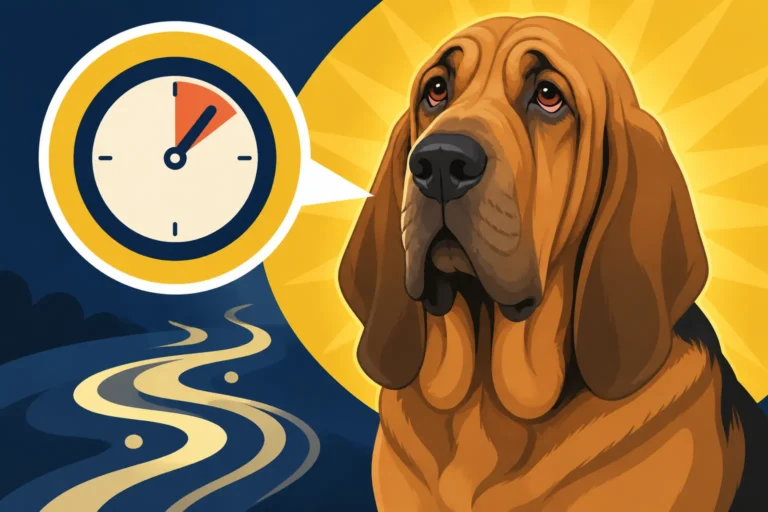
Gastric Dilatation-Volvulus in Bloodhounds causes rapid stomach twisting and creates a critical thirty minute emergency window for intervention.