Whether a Bloodhound’s Eyes Are Meant to Droop
Bloodhound drooping eyes and loose lower lids explained, detailing normal breed traits, ectropion signs, and veterinary care.
Is this the right one for you?
Origins and temperament, size and coat, what living with one is actually like, and how it compares to the breeds people weigh against it.
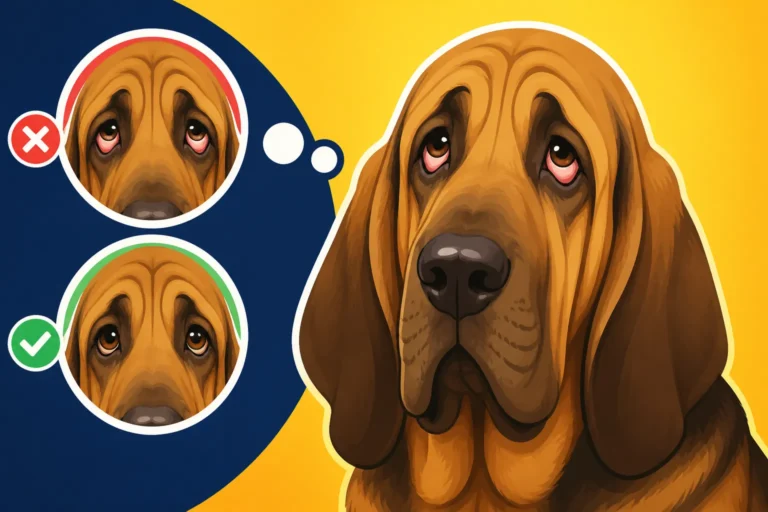
Bloodhound drooping eyes and loose lower lids explained, detailing normal breed traits, ectropion signs, and veterinary care.
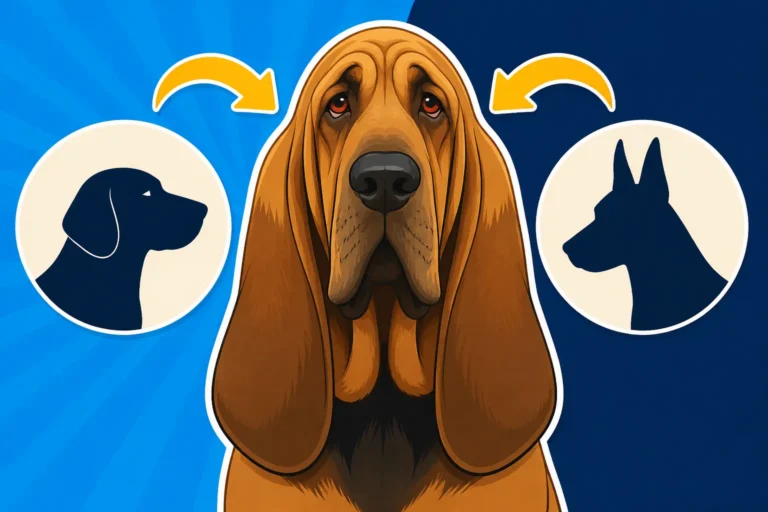
Bloodhound ear length compares breed traits and individual records to explain if they are the longest of any dog.
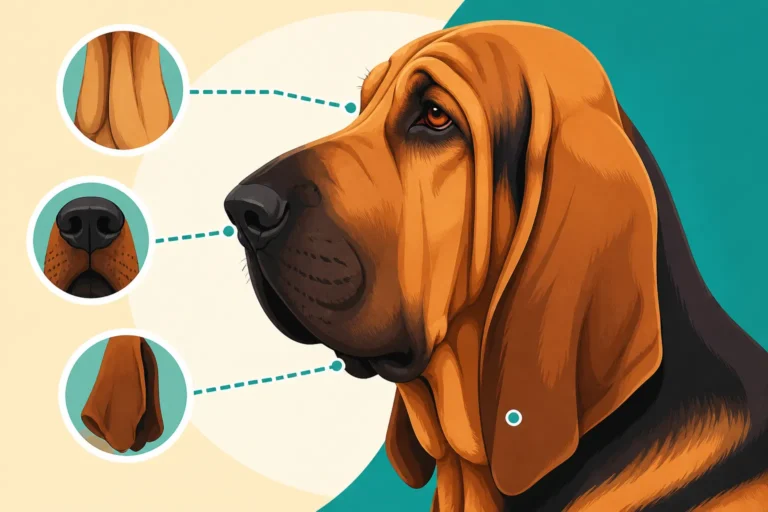
A Bloodhound head shape, long muzzle, loose skin, and ears explain breed history, scent tracking roles, and daily care needs.
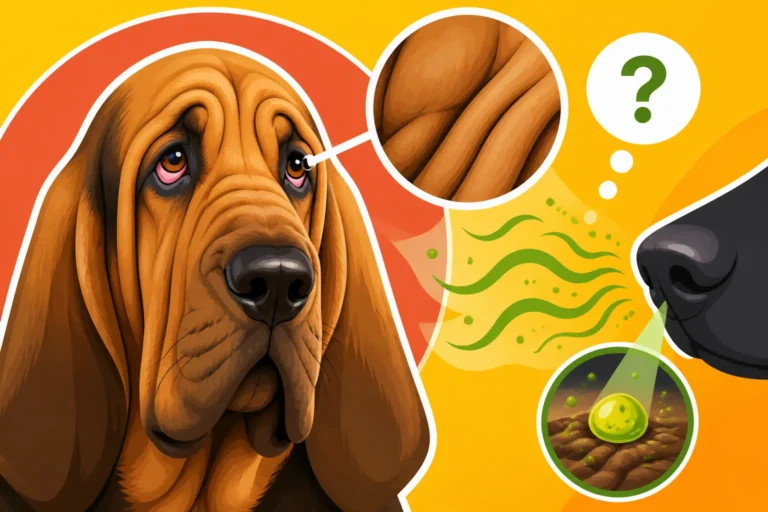
Bloodhound facial folds trap moisture, skin oils, and debris, while the nose and brain do the actual scent tracking work.
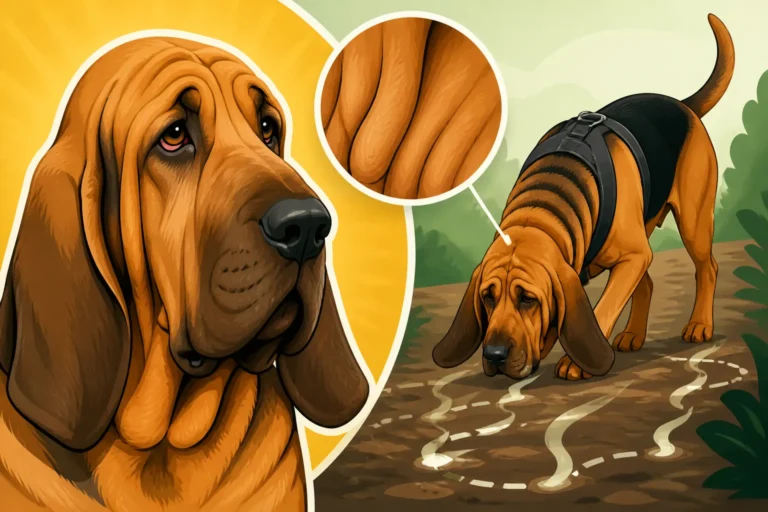
A Bloodhound loose skin folds may channel air around the nose, but the wrinkles do not trap scents or store trails.
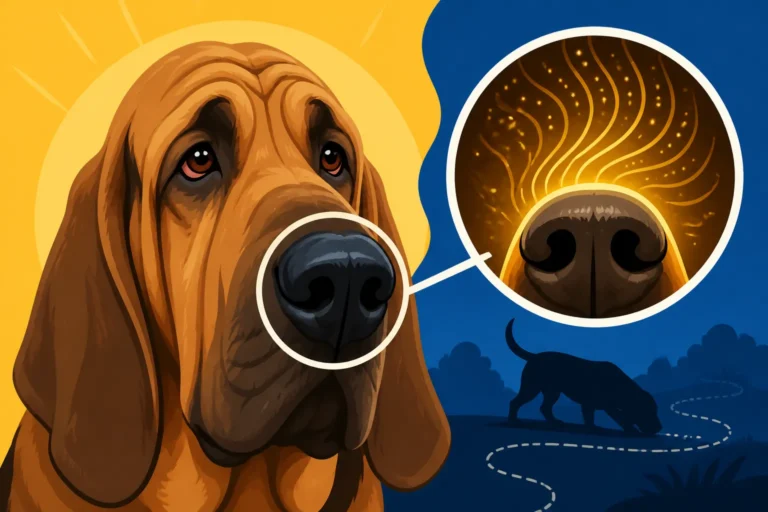
A Bloodhound nose specializes in following a human trail, but other breeds perform better on different scent tasks.

Bloodhound scent multipliers have no single scientific number because tests depend on specific odors and conditions.
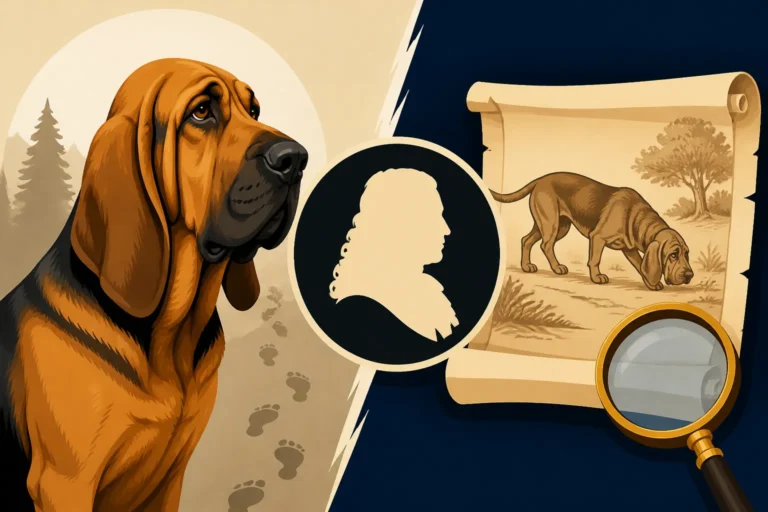
Robert Boyle recorded an early scent-tracking hound in print, but his seventeenth-century account is not a modern breed record.
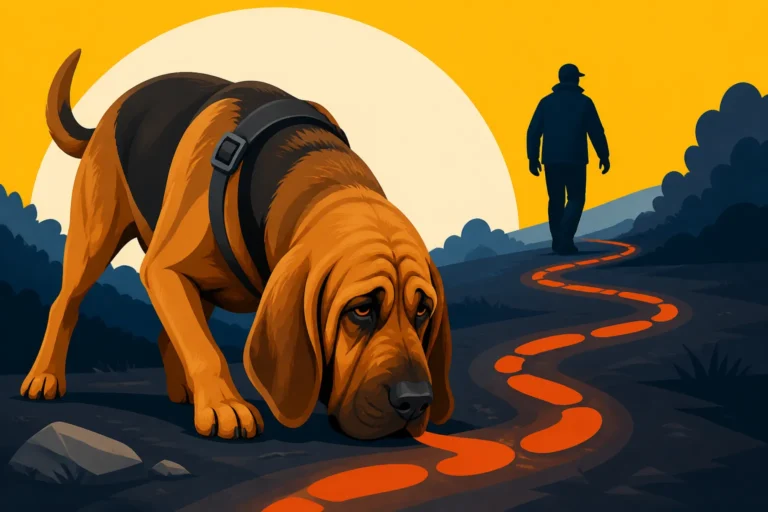
Robert Boyle’s historical account attributes a distance of about 160 miles to a Bloodhound tracking a human scent trail.
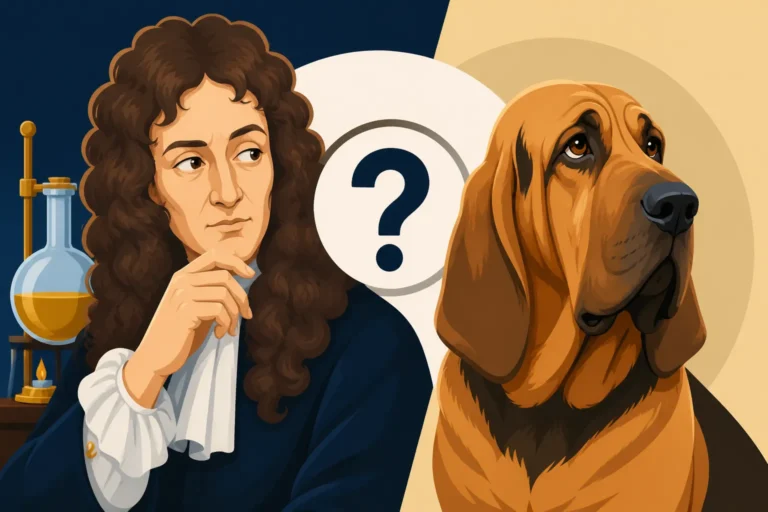
Robert Boyle recorded a seventeenth century written account of a tracking hound, but there is no proof he owned the animal.