Whether Bloodhound Once Meant a Hound of Pure Blood
The Bloodhound name history explains how blooded stock and ancestry link to pedigreed dogs instead of scent trailing.
Is this the right one for you?
Origins and temperament, size and coat, what living with one is actually like, and how it compares to the breeds people weigh against it.
The Bloodhound name history explains how blooded stock and ancestry link to pedigreed dogs instead of scent trailing.

Sleuth hound historical usage explains whether the term refers to a Bloodhound or a tracking dog following human scent.
The American Bloodhound Club founding in 1957 established a formal U.S. organization for enthusiasts interested in the breed.
The American Kennel Club recognized the Bloodhound in 1885, separating the registry date from the older European history.
American and English Bloodhound labels describe locations or breeding lines rather than representing two separate dog breeds.
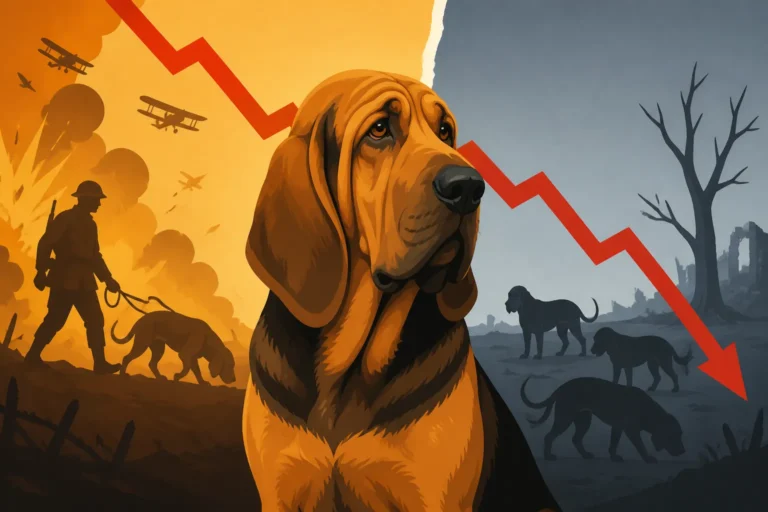
World wars reduced Bloodhound numbers in Britain and Europe by disrupting breeding and straining scarce resources.
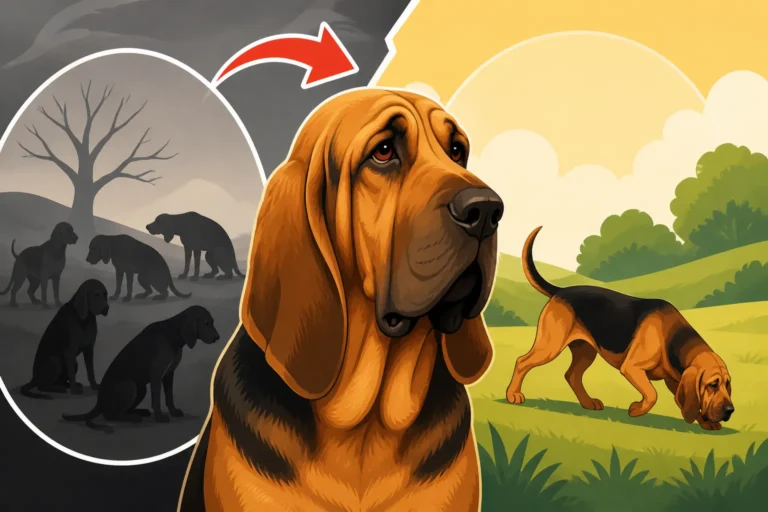
Bloodhound survival in Britain during serious declines and wars, explaining why historical records show scarcity rather than extinction.

Bloodhound temperament includes an affectionate nature and strong scent focus that require active supervision and training.

Fiction shaped the bloodhound reputation by exaggerating tracking work into savage stereotypes and racialized myths.
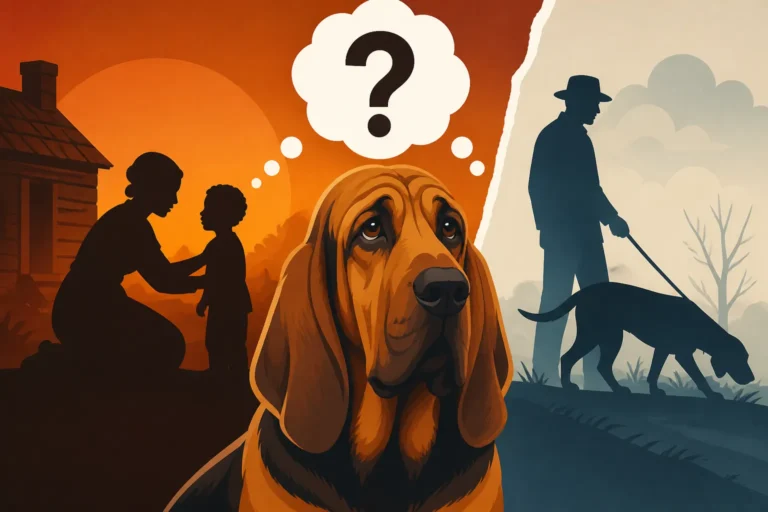
Harriet Beecher Stowe used bloodhounds in Uncle Tom’s Cabin to depict the constant physical danger faced by escaping enslaved people.