What Neutering Changes in a Bloodhound
If you're a Bloodhound owner, or dreaming of becoming one, the question of neutering or spaying likely looms large. You might be wondering, with hopeful anticipation, if the procedure will transform your rambunctious, scent-driven companion into a calmer, less challenging dog. It's a common hope, especially when dealing with a breed as notoriously focused on their nose as a Bloodhound! This guide is here to unravel the real changes you can expect after neutering or spaying your Bloodhound, separating the myths from the reality and helping you understand how best to support your unique hound through this transition.
Understanding the Hormonal Shift in Your Bloodhound
When we talk about neutering (castrating males) or spaying (removing ovaries and uterus in females), we're fundamentally talking about a profound hormonal shift. These surgeries remove the primary sources of sex hormones in your dog, and understanding what those hormones do is key to grasping the behavioral impacts.
The Role of Testosterone and Estrogen
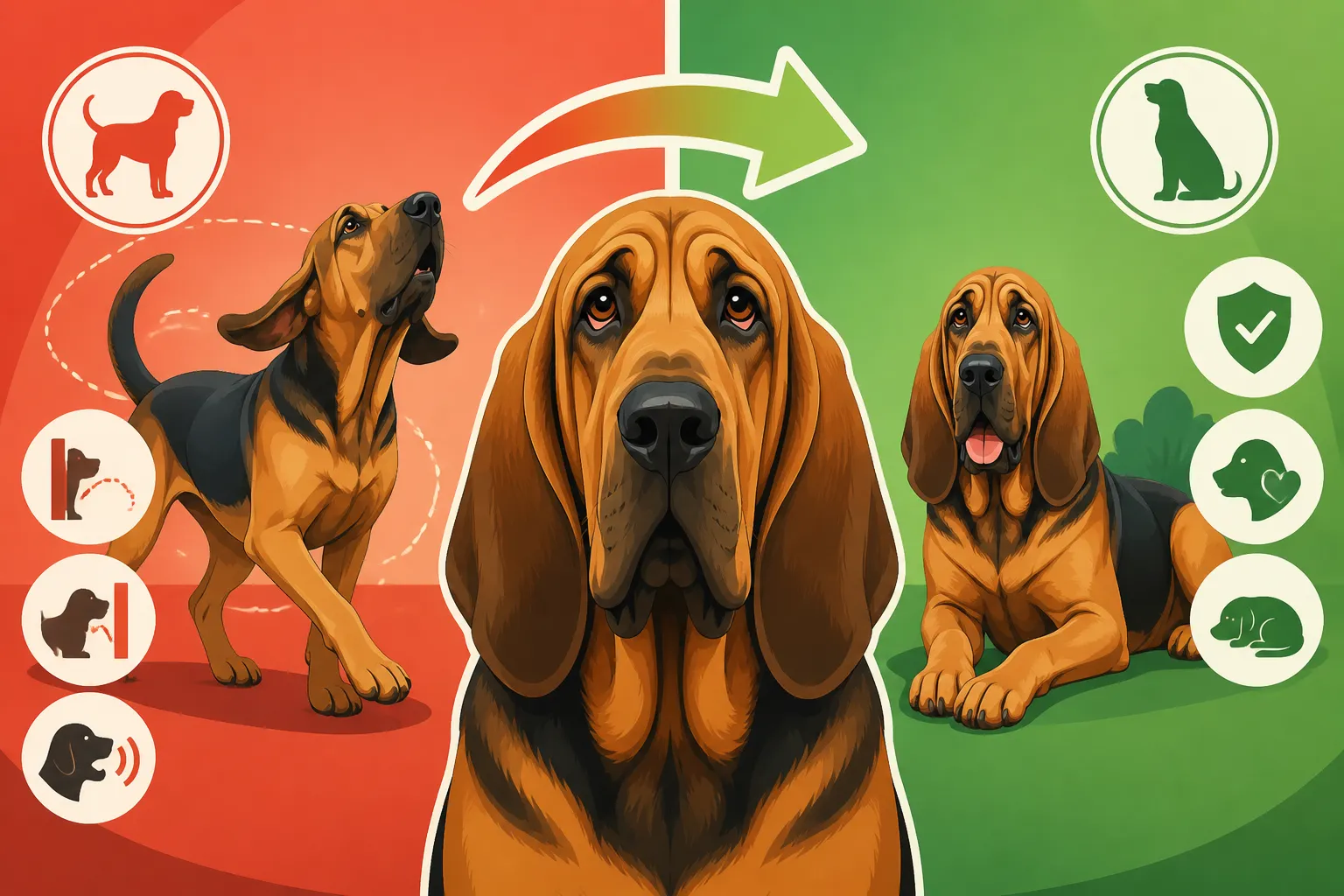
For male Bloodhounds, testosterone is the main player. This hormone fuels many behaviors that can be frustrating for owners. Think about that intense urge to roam, to escape the yard, to mark every single bush and tree (and sometimes your furniture!), and the sometimes-present aggression or posturing towards other intact male dogs. Testosterone also dictates the powerful, instinctual drive to seek out and mate with females. For a Bloodhound, whose nose is already an unstoppable force, a testosterone-fueled desire to find a female in heat can turn a simple walk into a frantic tug-of-war or lead to dangerous escapes.
In female Bloodhounds, estrogen and progesterone are the primary hormones at work, dictating their heat cycles. During these cycles, a female becomes receptive to mating, and her body undergoes visible changes, including a swollen vulva and bloody discharge. More than just the mess, a female in heat can experience behavioral shifts: she might become restless, more vocal, or even a bit irritable. And, of course, her scent becomes an irresistible beacon, drawing every intact male dog in the neighborhood to your doorstep, which can be a significant source of stress and anxiety for both you and your girl.
Neutering or spaying essentially removes the factories producing these hormones. For males, the testicles are removed, eliminating the main source of testosterone. For females, the ovaries (and often the uterus) are removed, stopping the production of estrogen and progesterone and preventing heat cycles entirely. This surgical intervention targets the root cause of many hormone-driven behaviors.
The Gradual Nature of Hormonal Changes
One of the biggest misconceptions owners have is that the changes are immediate, like flipping a switch. If you're expecting your Bloodhound to walk out of surgery a completely different dog, you might be in for a surprise. The truth is, it takes time for hormones to fully clear a dog's system and for their body to adjust. We're talking weeks, not days, sometimes even a couple of months, for hormone levels to truly stabilize at their new, lower baseline.
During this transitional period, you might still observe some of the old behaviors, especially if they've become ingrained habits. A male Bloodhound who has been marking indoors for months might still lift his leg out of habit, even if the hormonal urge is gone. Similarly, a dog that has always tried to mount out of excitement or play might continue to do so. This is where the ongoing role of training and management comes into play. The surgery removes the drive, but it doesn't automatically erase learned behavior. Patience, understanding, and consistent reinforcement of desired behaviors are paramount during this adjustment period. Don't get discouraged if you don't see instant results; your Bloodhound's body and brain need time to catch up.
Behavioral Changes: What to Expect and What Not To
Let's dive into the specifics of what you can realistically expect in terms of your Bloodhound's behavior after they've been spayed or neutered. It's important to differentiate between changes that are directly linked to hormones and those that are part of your dog's inherent personality or learned habits.
Changes Related to Sexual Drives
For male Bloodhounds, the reduction in testosterone typically leads to several positive shifts. The overwhelming urge to roam and escape in search of a mate is often significantly diminished. This is a huge safety benefit for a breed like the Bloodhound, whose nose can lead them miles away from home in pursuit of a fascinating scent. While their general love for exploring will remain, that frantic, single-minded drive to find a female in heat will largely dissipate, making them less likely to "nose out" of a seemingly secure yard. You might also see a decrease in urine marking, particularly indoors. Outdoors, some marking might persist as a learned social behavior, but the constant, driven need to mark every vertical surface usually lessens. Mounting behaviors, particularly those driven by sexual frustration, will generally reduce. However, it's worth noting that some dogs may still mount out of excitement, play, or even anxiety, as these are not purely hormone-driven. Lastly, aggression towards other intact males, often driven by competition for females or territoriality, can often be reduced after neutering, making social interactions smoother.
For female Bloodhounds, the most obvious and immediate change is the elimination of heat cycles. This means no more messy discharges, no more dealing with constant advances from intact male dogs, and a complete removal of the risk of unwanted pregnancies. This alone can be a game-changer for many owners, bringing a sense of calm and predictability to their household. Along with the absence of heat, you'll likely see a reduction in the restlessness, vocalization, or general "moodiness" that some females exhibit during their cycles. Your girl will no longer be sending out those potent pheromones that attract males, allowing for more relaxed walks and less stress in multi-dog households.
Debunking Common Myths About Neutering and Behavior
There are so many myths circulating about what neutering will "fix" or "ruin" in a dog's behavior, and Bloodhound owners often have their own specific concerns. Let's clear up a few of the most prevalent ones.
First, the idea that neutering makes a dog lazy or fat is a widespread misconception. While it's true that a dog's metabolism can slow down slightly after the removal of sex hormones, the primary culprits for weight gain are almost always overfeeding and insufficient exercise. Your Bloodhound's natural energy level, drive for activity, and love for long walks or Mantrailing Is the Answer to a Bloodhound, Not Obedience will not simply vanish after surgery. It’s up to you to continue providing appropriate physical and mental stimulation. In fact, keeping them active is crucial for a healthy weight, especially for a breed prone to joint issues like Hip and Elbow Dysplasia in the Bloodhound. You might need to adjust their food intake slightly, as discussed in Feeding a Bloodhound So It Does Not Bloat, but lethargy is a lifestyle choice, not a surgical side effect.
Second, many owners hope neutering will be a magic bullet for all behavioral problems. This is simply not the case. Neutering primarily addresses hormone-driven behaviors, as we've discussed. It will not cure issues like separation anxiety, fear-based aggression, general reactivity, destructive chewing, or a lack of basic obedience. A Bloodhound's inherent stubbornness, independent nature, or tendency to get lost in their nose (A Bloodhound's Nose Outvotes Its Handler) are personality traits and breed characteristics that remain unchanged. Effective training, consistent boundaries, and proper socialization from puppyhood are the only ways to address these types of challenges. If you need help with training, resources like BAXTER & Bella offer comprehensive online programs that can guide you through every stage of your Bloodhound's development.
Lastly, a particularly pertinent myth for Bloodhound owners is the worry that neutering will somehow dull their dog's incredible scenting ability or reduce their drive to work a trail. Let me reassure you: there is absolutely no scientific evidence to support this. A Bloodhound's nose, its unparalleled olfactory capabilities, and its profound drive to follow a scent are genetic and physiological marvels, entirely independent of sex hormones. Their passion for the trail is an intrinsic part of who they are, and neutering will not dampen that in the slightest. Your Bloodhound will still be as enthusiastic about tracking a hidden treat or a "lost" family member as ever.
Potential Health and Physical Impacts
Beyond the behavioral shifts, it's important to consider the physical and health-related changes that can occur after neutering or spaying your Bloodhound. These are often significant and generally beneficial, though there are nuances, particularly for large breeds, that are worth discussing.
Weight Management After Neutering
One of the most commonly cited physical changes after neutering is an increased tendency towards weight gain. While it's a bit of a myth that neutering causes obesity, it's true that the removal of sex hormones can lead to a slight decrease in metabolic rate. This means your Bloodhound might not burn calories quite as efficiently as an intact dog. The real issue arises when owners don't adjust their dog's diet or exercise routine accordingly.
Bloodhounds, with their hearty appetites and love for lounging after a good sniff-fest, can easily pack on extra pounds if you're not vigilant. Excess weight puts undue strain on their joints, exacerbates existing conditions like Hip and Elbow Dysplasia in the Bloodhound, and can contribute to a host of other health problems, including heart disease and diabetes. It's crucial to be proactive:
- Monitor food intake: You might need to reduce your Bloodhound's portion size by 10-20% initially and adjust as needed. Use a measuring cup and resist the urge to free-feed.
- Choose appropriate food: A high-quality dog food formulated for large breeds or weight management might be beneficial.
- Maintain exercise: Don't let their slightly lower metabolic rate be an excuse for less activity. Your Bloodhound still needs regular exercise to stay fit, mentally stimulated, and prevent boredom that can lead to destructive behaviors or excessive eating. Aim for at least How Much Exercise a Bloodhound Actually Needs daily, including plenty of sniffing opportunities.
- Regular weigh-ins: Keep track of your dog's weight and body condition score with your vet. Catching weight creep early is much easier than tackling significant obesity later on.
Other Health Considerations
The health benefits of neutering and spaying are well-documented and are often the primary reason veterinarians recommend the procedures.
For male Bloodhounds, castration completely eliminates the risk of testicular cancer, a relatively common cancer in intact older males. It also significantly reduces the risk of benign prostatic hyperplasia (an enlarged prostate), which can lead to discomfort and difficulty urinating, as well as perianal tumors. By removing the hormonal influence, you're protecting your male Bloodhound from several potentially serious conditions.
For female Bloodhounds, spaying offers even more profound health advantages. Most critically, it eliminates the risk of pyometra, a life-threatening uterine infection that requires emergency surgery. Pyometra is a serious and common condition in intact older females, and avoiding it is a major reason for spaying. Spaying also eliminates the risk of ovarian cancer. Furthermore, it significantly reduces the risk of mammary (breast) cancer, especially if done before her first or second heat cycle. The longer a female dog goes through heat cycles, the higher her risk of developing mammary tumors.
Now, for large and giant breeds like the Bloodhound, there's a nuanced discussion around the timing of the surgery. Some research suggests that neutering or spaying too early, before a dog's growth plates have closed, may be associated with an increased risk of certain orthopedic issues, such as hip and elbow dysplasia or cranial cruciate ligament tears. This is because sex hormones play a role in the healthy development and closure of growth plates. For a breed already prone to Hip and Elbow Dysplasia in the Bloodhound, this is a valid consideration. Many breeders and some veterinarians now recommend waiting until a Bloodhound is skeletally mature, which can be around 18-24 months for males and sometimes slightly earlier for females, before performing the surgery. This allows their joints and bones to develop fully. Of course, waiting means responsibly managing an intact dog during this period, which includes diligent supervision to prevent unwanted pregnancies or escapes. This decision should always be made in consultation with your veterinarian, weighing the individual health risks and benefits for your specific Bloodhound. It's also worth considering discussing The Age a Bloodhound Should Have a Gastropexy with your vet, as sometimes both surgeries can be performed together to minimize anesthesia risks.
Maintaining Your Bloodhound's Unique Traits
Despite the hormonal shifts, the essence of what makes a Bloodhound so special—their unparalleled nose and their gentle, amiable personality—remains beautifully intact. Neutering or spaying does not fundamentally alter these core characteristics; it simply removes some of the hormonal distractions that can sometimes complicate them.
Scent Drive Remains Paramount
Let's address one of the biggest concerns for Bloodhound owners: will neutering dampen that incredible nose, that legendary drive to follow a scent? Absolutely not! Your Bloodhound's powerful olfactory capabilities are hardwired into their genetics, a physiological marvel that is completely independent of their sex hormones. Their deep, resonant bay and their relentless pursuit of a trail are intrinsic to their breed.
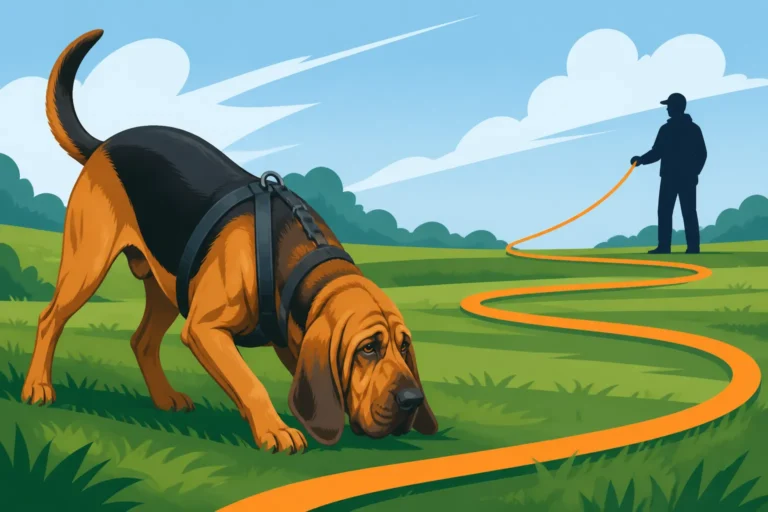
In fact, for many owners, removing the distractions of sexual drives can actually enhance their Bloodhound's focus on scent work. A male Bloodhound no longer consumed by the urge to find a female in heat might be more attentive to the human scent you're asking him to follow in a Mantrailing Is the Answer to a Bloodhound, Not Obedience session. The procedure doesn't make them less interested in sniffing; it just removes a layer of competing, primal urges. So, keep nurturing that incredible nose! Invest in fun scent games around the house, take them on "sniffari" walks where they can follow their nose to their heart's content, and consider formal mantrailing or nose work classes. Make sure you have the right gear, too. A comfortable tracking harness and a good quality, long line (you can find many durable options on Amazon) are essential for safely letting your Bloodhound explore a scent without risking a runaway scenario, as Why Off Leash Is Not a Goal With a Bloodhound is paramount for this breed.
Temperament and Personality Endure
Your Bloodhound's core personality traits—their sweet, affectionate, laid-back (indoors, anyway!), and sometimes wonderfully goofy nature—will endure after neutering or spaying. These are characteristics developed through genetics, early experiences, and ongoing socialization and training, not solely through the presence of sex hormones. While a particularly anxious or fear-aggressive dog might see a very minor calming effect from reduced hormonal surges, the surgery is not a panacea for deep-seated behavioral issues. A well-socialized and trained Bloodhound will continue to be a gentle giant, often tolerant and patient with children, and generally amiable with other animals. Their famous deep bay will still be there, too; neutering won't silence The Baying a Bloodhound Cannot Be Trained Out Of!
What this means is that your role as an owner remains crucial. You'll still need to provide consistent, positive reinforcement training, adequate socialization, and plenty of mental and physical exercise. Resources like BAXTER & Bella can be incredibly helpful for structured training that builds a strong bond and addresses typical Bloodhound challenges like leash manners and impulse control. The surgery removes some potential distractions and health risks, but it doesn't replace the foundational work of raising a well-adjusted companion. Your Bloodhound will still be your Bloodhound, with all the charming, challenging, and unique qualities that drew you to the breed in the first place.
Here's a quick comparison of what you might expect:
| Behavior/Trait | Before Neutering (Intact) | After Neutering (Spayed/Castrated) | Notes |
|---|---|---|---|
| Male-Specific | |||
| Roaming/Escape Drive | High, especially with nearby females in heat | Significantly reduced | Improves safety, reduces risk of getting lost |
| Urine Marking | Frequent, especially in new environments or indoors | Often reduced, but can persist as learned behavior | May still mark, but less intensely or frequently |
| Inter-male aggression | Possible, especially with other intact males | Often reduced, but not guaranteed to eliminate | Helps with hormone-driven aggression, not fear/learned aggression |
| Mounting (sexual) | Common when sexually stimulated | Greatly reduced, but non-sexual mounting may still occur | Play/excitement mounting may persist |
| Testicular cancer risk | Present | Eliminated | Major health benefit |
| Prostate issues | Increased risk of benign prostatic hyperplasia | Greatly reduced risk | Major health benefit |
| Female-Specific | |||
| Heat cycles | Regular cycles, with discharge, attracting males | Eliminated | No more mess, no unwanted pregnancies, no attracting males |
| Risk of Pyometra | Present (life-threatening uterine infection) | Eliminated | Major health benefit |
| Mammary cancer risk | Higher, especially with multiple heats | Greatly reduced, especially if spayed early | Major health benefit |
| General (Both Sexes) | |||
| Scenting ability | Excellent, driven | Unchanged | Bloodhound's nose remains paramount |
| Trainability | Good, but easily distracted by scent | Unchanged, but fewer hormonal distractions | Easier to focus without hormonal urges |
| Overall Energy Level | Varies by individual, often high as a younger dog | Varies by individual, may need fewer calories | Not a "calming" procedure; requires continued exercise |
| Core Temperament | Gentle, amiable, sometimes stubborn | Unchanged | Personality determined by genetics, socialization, training |
| Weight Gain Tendency | Moderate | Increased if diet/exercise not adjusted | Requires careful food management and consistent exercise |
| Joint health | Optimal if growth plates closed before surgery | Some theories suggest slightly higher risk if done too early | Discuss timing with vet, especially for large breeds like Bloodhounds |
Neutering or spaying your Bloodhound is a significant decision, bringing with it a host of health benefits and often positive behavioral changes, particularly those related to sexual drives. However, it’s not a magic fix for all behavioral challenges. Your Bloodhound’s unique nose, lovable personality, and need for consistent training and exercise will continue to define them. By understanding what to expect and what not to, you can ensure your big, droopy-eared companion thrives for years to come. Remember, the journey of owning a Bloodhound is always an adventure, and understanding their needs is the best way to enjoy every moment.
Disclaimer
This article is for general informational purposes only and does not constitute professional advice. Laws, prices and regulations vary by location and change over time. Consult a qualified professional for guidance on your specific situation.