Whether a Bloodhound Steals Food From Counters
Anyone who has shared their home with a Bloodhound knows the unique challenges that come with their incredible noses. One of the most common, and often frustrating, scenarios involves discovering your meticulously prepared dinner or a tempting treat has mysteriously vanished from the kitchen counter. It’s a common lament among Bloodhound owners: "Does my Bloodhound actually steal food from counters?" The answer, dear friends, is a resounding yes, and they often do it with a cunning that would make a master thief proud, leaving you scratching your head, wondering how on earth they managed it. This guide will delve into the whys and hows of this canine culinary heist and, more importantly, equip you with the knowledge and strategies to outsmart your scent-driven companion.
The Irresistible Pull of a Bloodhound's Nose
It’s almost impossible to overstate the power of a Bloodhound's nose. For these hounds, the world exists in a symphony of smells, and food, especially human food, often plays the loudest, most enticing note. Their entire being is geared towards following a scent, and your kitchen counter, unfortunately, becomes an accidental training ground for this innate talent.
Why Their Sense of Smell is a Double-Edged Sword
A Bloodhound’s olfactory system is legendary, boasting millions more scent receptors than most other breeds. This means that while we might only detect the faint aroma of last night's roast chicken or a freshly baked cookie, your Bloodhound is experiencing it in glorious, high-definition surround smell. That tiny crumb you missed, the lingering vapor from a cooling pie, the scent of the container that used to hold bacon – it’s all screaming "FOOD!" to their highly tuned noses. Their long, pendulous ears and wrinkled skin also play a role, sweeping and trapping scent particles close to their nose, enhancing their ability to track even the most subtle traces. This isn't just a casual sniff for them; it's a call to adventure, an irresistible puzzle that demands to be solved.
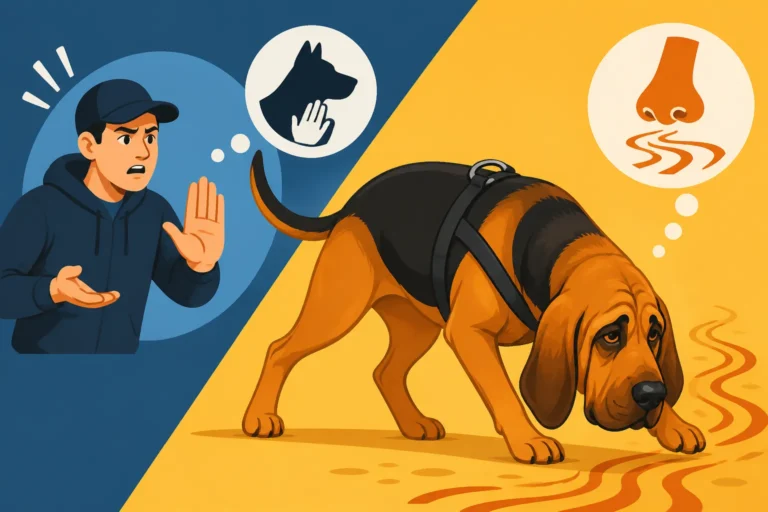
For a Bloodhound, that tantalizing scent on the counter isn't just a suggestion; it's a mission. Their genetics scream "follow that scent to its source!" and if the source happens to be a plate of cooling meatballs on the kitchen island, then so be it. This intense drive, which makes them unparalleled in tracking lost people, can sometimes make them equally unparalleled in tracking down your unguarded sandwich. It's a fundamental part of who they are, which is why redirection and management are so crucial. Understanding that A Bloodhound's Nose Outvotes Its Handler is the first step to managing their counter-surfing tendencies.
The Intelligence and Problem-Solving of a Scent Hound
Many people mistakenly believe Bloodhounds are "dumb" because they often seem to be in their own scent-driven world, sometimes appearing oblivious to human commands. However, this couldn't be further from the truth. Bloodhounds are incredibly intelligent, especially when it comes to problem-solving related to scent and obtaining desired items. They aren't just blindly sniffing; they are actively strategizing. They learn through observation and repetition. If they see you place a treat on the counter, they might watch where your hand goes, then investigate. If they successfully reach something delicious, that action is powerfully reinforced.
They can figure out how to open cabinet doors with their noses or paws, nudging them open if not completely secured. Some even learn to manipulate child locks or garbage can lids. This isn't malicious behavior; it's simply a highly motivated dog using its brain to achieve a goal. A Bloodhound who has successfully pilfered a bag of kibble from a cupboard, or snagged a forgotten piece of toast from the toaster, has just had a profound learning experience: "If I do X, I get Y." This makes consistency in your household practices absolutely vital, because they are always learning, always observing, and always, always smelling. Their determination to access a tempting scent is truly remarkable, often leading them to ignore familiar cues they know perfectly well if a high-value scent is calling to them more strongly. This is precisely Why a Bloodhound Ignores a Cue It Knows.
Anatomy and Opportunity: How a Bloodhound Reaches the Counter
It’s one thing to want something on the counter; it’s another to actually get it. Bloodhounds, being large and surprisingly agile dogs, often have the physical means to make their olfactory dreams a reality.
The Surprising Height and Reach of a Bloodhound
While they might appear cumbersome, Bloodhounds can be surprisingly adept at getting their paws where they don't belong. An adult male Bloodhound can stand well over two feet tall at the shoulder, and when they stand on their hind legs, they gain significant additional reach. Imagine your Bloodhound standing upright, with its long, muscular front legs extended. Suddenly, that kitchen counter doesn't seem quite so out of reach. They can easily paw at items, or even lean their entire upper body onto the counter to sweep items closer or simply grab them. This is often the first, most shocking realization for new Bloodhound owners: "Wow, How High a Bloodhound Can Reach on Its Back Legs is actually all the way up there!"
Beyond simply standing, Bloodhounds are clever. They might use a chair, a low bench, or even a child's toy as a step-stool to gain an extra few inches. Their heavy bone structure might suggest clumsiness, but their determination, fueled by an enticing scent, can lead to impressive feats of balance and agility. Many a pot roast has been liberated from a cooling rack because a Bloodhound found a way to bridge the gap between the floor and the counter. It's not always a graceful maneuver, but it's often an effective one.
Learning Through Reinforcement: The Accidental Thief
The vast majority of counter-surfing incidents aren't premeditated crimes; they're accidental successes. You leave a plate of cookies to cool, step away for a moment, and your Bloodhound, following the glorious scent, investigates. One experimental paw on the counter, a tentative sniff, and suddenly, a cookie falls to the floor. Jackpot! This accidental success is a huge reinforcement. The next time, they're more confident, perhaps nudging the plate directly. The time after that, they might just grab it right off the counter.
It’s a classic case of positive reinforcement. The reward (delicious food) is so high that the dog quickly learns the behavior. And here’s the kicker: even if you catch them in the act and tell them "no," the memory of the past success and the potential for future success often outweighs the mild reprimand. For them, the reward is immediate and deeply satisfying. This cycle is incredibly hard to break once established, which is why prevention is always, always easier than cure. It's a reminder that their drive to find and consume is a powerful, intrinsic motivator, and simply telling them to stop is rarely enough when that primal urge takes over.
Strategies to Keep Your Bloodhound's Paws on the Floor
So, how do you combat this furry, four-legged food bandit? The good news is, while challenging, it's not impossible. It requires consistency, vigilance, and understanding your Bloodhound's unique drives.
Management is Key: Prevention Over Punishment
The absolute best way to stop counter-surfing is to prevent it from ever happening. If your Bloodhound never succeeds, they never learn that it's a rewarding behavior. This means becoming incredibly diligent about what you leave on your counters. Think of your kitchen as a perpetually tempting buffet for a creature with an unparalleled sense of smell.
- Clear Counters: This is paramount. If it's edible and within reach, assume it will be taken. Develop a habit of putting all food away immediately, even cooling baked goods or dirty dishes with tempting scraps. Don't leave your plate unattended for "just a second." That second is all it takes for a Bloodhound.
- Secure Trash Cans: Many counter-surfers also become trash-can divers. Invest in heavy, Bloodhound-proof trash cans with secure, locking lids. Those swing-top or foot-pedal cans are often no match for a determined snout.
- Baby Gates and Crates: When you can't supervise your Bloodhound, use management tools. A sturdy baby gate can keep them out of the kitchen entirely when you're busy or away. Crating your Bloodhound when you leave the house or are unable to actively monitor them is another excellent way to prevent mischief. This isn't punishment; it's responsible management that sets them up for success. You can find durable crates and gates on platforms like Amazon that are large enough to safely contain a growing Bloodhound.
- Close Doors: If a room has tempting smells but isn't secured with a gate, simply close the door. It sounds simple, but it's often overlooked. They might even figure out Whether a Bloodhound Opens Doors and Cabinets, so make sure they latch securely.
Training Alternatives and Scent Work Outlets
While it's true that Mantrailing Is the Answer to a Bloodhound, Not Obedience in many ways, basic obedience and impulse control training can still play a vital role in preventing counter-surfing, especially when coupled with management.
- "Leave It" and "Stay": These commands are invaluable. Practice "leave it" with low-value items on the floor, gradually increasing the distraction. Then move to objects on a low table, and eventually, the counter. The key is to reward heavily when they succeed, teaching them that ignoring the tempting item brings a better reward from you. For "stay," start with short durations and gradually increase distance and time, ensuring they understand that staying put (even when tempted) is the right choice.
- Redirection: When you see them showing interest in the counter, redirect their attention to an appropriate activity. This could be a puzzle toy, a chewie, or a short training session. Make yourself more interesting and rewarding than the counter.
- Scent Work: Channeling their natural drive into appropriate outlets is crucial. Activities like mantrailing, tracking, or even basic "nose work" games at home can satisfy their incredible need to use their nose, making them less inclined to use it for illicit counter raids. If they're regularly engaged in satisfying scent work, their drive for inappropriate scent-seeking may diminish. Companies like BAXTER & Bella offer online training programs that can guide you through positive reinforcement techniques for impulse control and appropriate scent work, which can be a fantastic way to bond with your Bloodhound and give them a job to do.
- Consistent Rewards: Figure out What a Bloodhound Will Work For. Is it a high-value treat, a favorite toy, or enthusiastic praise? Use whatever motivates them most to reinforce desired behaviors and redirect undesirable ones.
The Role of Diet and Feeding Routine
Sometimes, a Bloodhound's intense focus on food can be exacerbated by hunger or an inadequate feeding routine. Ensuring your Bloodhound is appropriately fed can make a difference.
- Appropriate Portions: Consult your vet about the right caloric intake for your Bloodhound's age, weight, and activity level. A hungry dog is a motivated food-seeker. Keep them lean, not starving. You can learn more about How Much an Adult Bloodhound Eats in our related article.
- Scheduled Meals: Stick to a consistent feeding schedule. For Bloodhounds, dividing their daily food into two or three smaller meals is often recommended, not just for counter-surfing prevention, but also to help prevent a dangerous condition known as bloat. Knowing their next meal is coming at a predictable time can reduce their desperation for extra snacks. We discuss this in more detail in Feeding a Bloodhound So It Does Not Bloat.
- Slow Feeders: If your Bloodhound gobbles their food too quickly, a slow feeder bowl can make mealtime last longer and feel more satisfying. This engages their brain and makes them work for their food, potentially reducing the feeling of frantic hunger.
Dealing with the Aftermath and Long-Term Solutions
Even with the best intentions and strategies, a Bloodhound is still a Bloodhound. There will likely be times when they succeed. How you react, and your long-term commitment to prevention, will determine your success.
When Your Bloodhound Finds the Treasure
It's going to happen. You'll walk into the kitchen to find a half-eaten loaf of bread, an empty butter wrapper, or worse, something toxic.
- No Punishment After the Fact: If you didn't catch your Bloodhound in the act, there's no point in punishing them. They won't connect your anger to the act of counter-surfing that happened minutes or hours ago. They'll just associate your presence with fear, damaging your bond and making future training harder. Clean up the mess, reinforce your management strategies, and move on.
- Interruption in the Act: If you do catch them in the act, a sharp, surprising sound (like dropping a set of keys or a loud "AH-AH!") can interrupt the behavior. Immediately redirect them to something appropriate and reward them for engaging with it. The goal is to interrupt, not to scare them badly, and then offer an acceptable alternative.
- Safety First: If your Bloodhound has consumed something potentially harmful (chocolate, grapes, medications, cooked bones, etc.), contact your veterinarian immediately. Do not wait. Bloodhounds are large dogs, but some toxins are dangerous in even small amounts.
Building a Bloodhound-Proof Kitchen
Making your kitchen truly Bloodhound-proof is an ongoing process that requires everyone in the household to be on board.
- Family Consistency: Everyone who interacts with your Bloodhound must adhere to the same rules. If one family member leaves food out, the Bloodhound learns there's an opportunity. Inconsistency is a Bloodhound's best friend when it comes to breaking rules. Have a family meeting, explain the "clear counter" policy, and ensure everyone understands the consequences of not following it.
- Environmental Adjustments: Consider the layout of your kitchen. Can you rearrange things to make it harder for your Bloodhound to get leverage? Are there chairs that can be pushed in more tightly? Can you install locking mechanisms on lower cabinets where pet food or tempting items might be stored? Simple measures like ensuring there’s nothing on the edge of the counter that can be easily swiped might seem obvious, but they are surprisingly effective.
- Enrichment: A bored Bloodhound is a mischievous Bloodhound. Provide plenty of appropriate mental and physical enrichment throughout the day. This could include long walks (on a leash, of course!), puzzle toys, chew toys, and regular training sessions, perhaps even online classes from resources like BAXTER & Bella to keep their brains engaged. A tired, mentally stimulated Bloodhound is less likely to invent its own "fun" by raiding the fridge.
Counter-surfing is a natural, albeit inconvenient, behavior for a Bloodhound. By understanding their powerful drives, implementing strong management, and offering positive training alternatives, you can create a household where your dinner is safe, and your Bloodhound's amazing nose is used for good, not for raiding the cookie jar.
Counter-Surfing Prevention Methods: Pros and Cons
| Method | Pros | Cons |
|---|---|---|
| Clear Counters | Most effective preventative; no training needed from dog's side. | Requires constant vigilance from all humans; easy to forget. |
| Crating/Gating When Unsupervised | 100% effective when used; ensures safety from toxic foods. | Restricts dog's movement; requires owner consistency; initial training needed. |
| "Leave It" Training | Builds impulse control; useful for other contexts. | Requires consistent training; not 100% reliable under high temptation. |
| Scent Work/Enrichment | Channels natural drives positively; tires dog out mentally. | Requires owner participation; may not fully eliminate desire if bored. |
| Secure Trash/Cabinets | Prevents access to hidden treasures; reduces cleanup. | Requires specific products (locking cans, child locks); dog may outsmart them. |
| Consistent Feeding Schedule | Reduces hunger-driven seeking; helps prevent bloat. | Requires adherence to schedule; doesn't address non-hunger related seeking. |
Disclaimer
This article is for general informational purposes only and does not constitute professional advice. Laws, prices and regulations vary by location and change over time. Consult a qualified professional for guidance on your specific situation.