Whether a Bloodhound Should Ride Loose in a Car
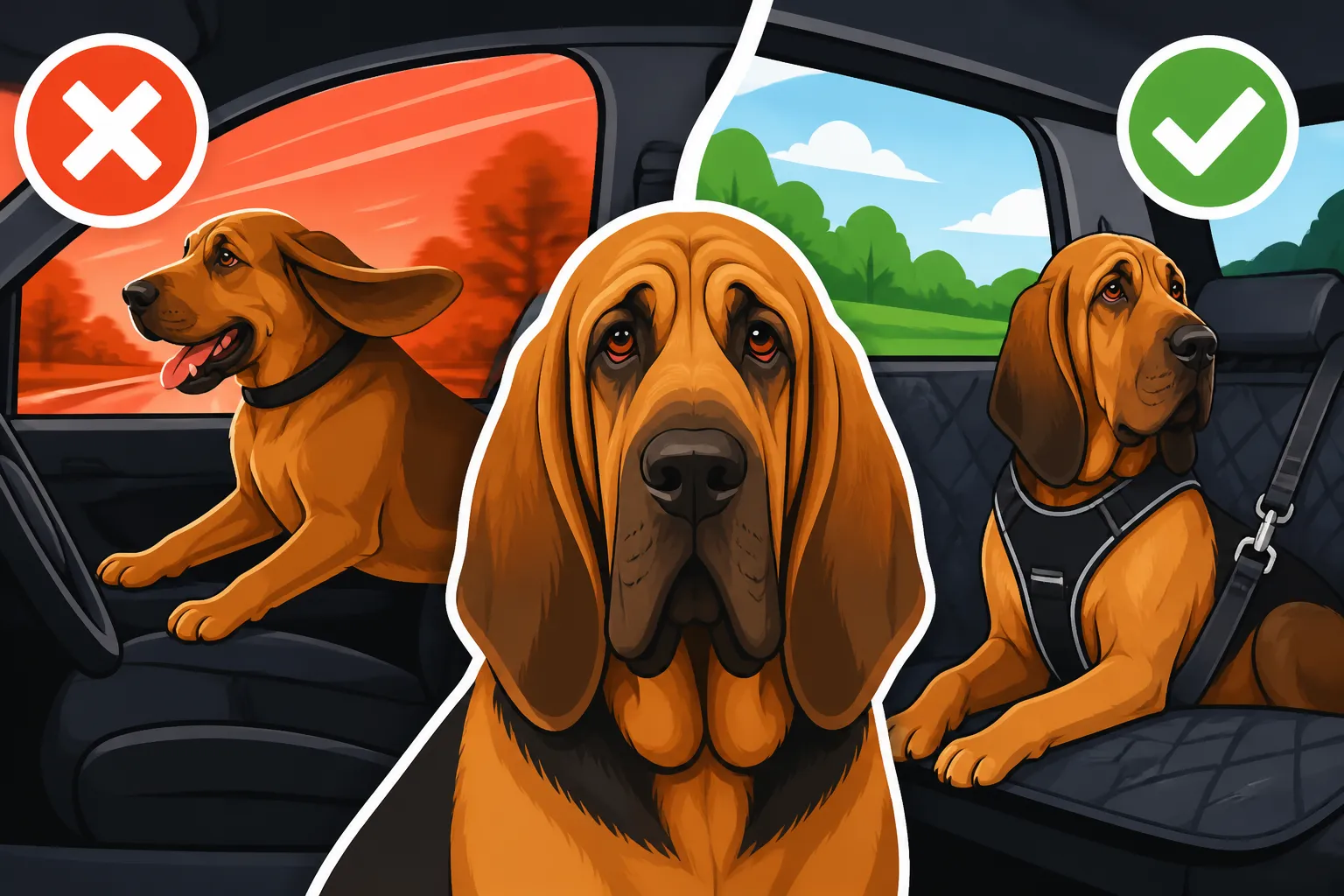
It's so tempting, isn't it? You've got this big, gentle Bloodhound, perhaps lounging peacefully on the back seat, head out the window, ears flapping in the breeze, looking like the picture of canine contentment. We've all seen those images, and many of us have let our beloved hounds ride "free" in the car at some point. But the truth is, allowing a Bloodhound to ride loose in your vehicle, no matter how calm they seem, introduces a host of risks that are often overlooked until it's too late. This guide will dive deep into why an unrestrained Bloodhound in a car is a serious safety concern for everyone involved and offer practical, safe alternatives to ensure your journeys are as secure as they are enjoyable.
The Hidden Dangers of an Unrestrained Bloodhound
While the image of a free-roaming dog in a car might evoke feelings of joy and freedom, the reality is far more perilous. For a large, heavy breed like a Bloodhound, the potential for disaster when unrestrained in a moving vehicle is significant, impacting both their safety and yours.
Injury Risk in a Collision
Imagine your Bloodhound, weighing upwards of 90 to 110 pounds, sitting in the back seat. Now, picture an unexpected, sudden stop or, worse, a collision. That majestic hound transforms into a furry, heavy projectile. The physics are simple yet terrifying: an object in motion stays in motion. At just 30 mph, a 100-pound Bloodhound can exert over 2,500 pounds of force upon impact. That's enough to cause severe, life-threatening injuries not only to your dog but also to any human occupants in the vehicle.
The potential injuries to your Bloodhound are horrific: broken bones, internal organ damage, head trauma, and spinal injuries are all too common. Even a seemingly minor fender-bender can result in catastrophic injuries that require extensive veterinary care or, tragically, lead to their untimely death. It's a risk that no loving owner wants to face, and yet, it's an avoidable one. Thinking about the sheer force involved helps put into perspective why a loose dog is never truly "safe," no matter how short the trip.
Furthermore, consider the human occupants. A Bloodhound flying forward can hit the back of a seat with immense force, causing whiplash, concussions, or even more severe injuries to passengers. In some scenarios, they could even strike the driver, causing them to lose control of the vehicle entirely. It's not just about protecting your dog; it's about protecting every precious life in your car.
Driver Distraction and Emergency Situations
Bloodhounds, with their incredible noses and deep love for their people, are often wonderfully calm, but they are still dogs. And dogs, especially scent hounds, are easily distracted by the world outside the window, or even by a crumb dropped on the floorboard. A Bloodhound riding loose can quickly become a significant driver distraction.
Picture this: you're driving down the highway, and suddenly your Bloodhound decides to stand up, nudge your arm, or try to climb into the front seat to give you a loving (but distracting) lick. Or perhaps they spot a squirrel out the window and let out a booming bay, causing you to jump. These moments, however brief, can take your eyes off the road or your hands off the wheel, even for a split second. At highway speeds, a second of distraction can mean traveling hundreds of feet blindly, with devastating consequences.
In an emergency situation, such as needing to swerve quickly to avoid debris or another vehicle, an unrestrained Bloodhound can be flung around the car, potentially getting under your pedals, blocking your view, or simply creating such chaos that you can't react effectively. After an accident, an injured, frightened, or disoriented Bloodhound could escape the vehicle and run into oncoming traffic, posing a danger to themselves and others. The instinctual drive of a Bloodhound to follow a scent, even after a traumatic event, could lead them far from the scene, making them impossible to find. A Bloodhound's Nose Outvotes Its Handler
Legal and Insurance Implications
It might surprise you, but allowing your dog to ride unrestrained in a vehicle can have legal and insurance repercussions. While there isn't a universal federal law, many states, counties, or municipalities have laws or ordinances regarding pet restraint in vehicles. These can range from laws against driving with a dog on your lap to requirements for dogs to be secured in the cargo area or restrained with a seatbelt in the passenger compartment.
If you're stopped by law enforcement and your Bloodhound is loose, you could face a citation and a fine, especially if they deem the situation a driving hazard. More seriously, if your unrestrained dog is involved in an accident, your actions could be viewed as contributing negligence. This could affect liability in a legal case, potentially leaving you responsible for damages or injuries far beyond what you might expect.
From an insurance perspective, an unrestrained dog could complicate claims. If your dog contributed to an accident by distracting you, or if they caused further injury to a passenger during a collision, your insurance company might argue that you did not take reasonable precautions to prevent such incidents. While specific policy details vary wildly, it's definitely something to consider. The last thing any Bloodhound owner wants is to be facing legal trouble or a denied insurance claim on top of the trauma of an accident.
Understanding Your Bloodhound's Car Behavior
Bloodhounds are unique, and their instincts, size, and physical traits play a significant role in how they behave in a car. Understanding these factors can help you appreciate why specific containment methods are so crucial for their safety and yours.
The Lure of the Scent Trail
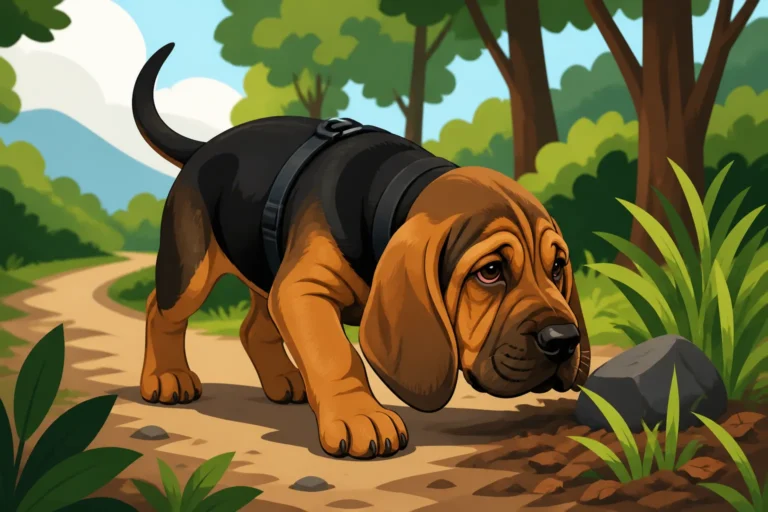
There's no getting around it: a Bloodhound's nose is their world. It's what defines them, what drives them, and what makes them such incredible trackers. But in a car, this phenomenal sense of smell can turn into a serious distraction, for them and for you. Even with windows rolled up, the world outside is a symphony of scents, each one a potential trail waiting to be investigated. With a window cracked, or worse, fully open, the temptation becomes almost irresistible.
Your Bloodhound, even if perfectly behaved at home, might start to whimper, bark, or even lunge towards an open window as a particularly interesting scent wafts by. They are hardwired to follow a trail, and the scent of a deer, a rabbit, or even another person can override almost any training in an instant. What a Bloodhound is Actually Smelling on a Trail This isn't disobedience; it's instinct. It’s why trying to call a Bloodhound off an active scent trail outdoors is so difficult, and it's no different in a moving car. They might try to jump out, or become so agitated that they create a dangerous distraction for the driver.
This powerful instinct is precisely why relying on "good behavior" alone in a car isn't enough for a Bloodhound. They are designed to seek out and follow scent, and the interior of your car, no matter how familiar, is just another vessel passing through an endlessly fascinating olfactory landscape. It means that while you might think your Bloodhound is "calm" in the car, their internal world is often buzzing with information, making them prone to sudden movements or expressions of excitement you might not anticipate.
Size and Physicality in a Moving Vehicle
Bloodhounds are big dogs. They are substantial in both height and weight, and their loose skin and long ears, while endearing, can become liabilities in a confined and moving space like a car. An average adult Bloodhound can weigh as much as a small human, and that mass is challenging to control even when they're simply walking on a leash, let alone unsecured in a vehicle.
Their considerable size means that even minor movements can take up a lot of space. A Bloodhound shifting positions in the back seat might inadvertently push against a door, activate a window switch, or accidentally step on a child or another pet. Their long, pendulous ears can flop into food or water bowls (hence the need for snoods!) and, in a car, they can become tangled or caught if they're not contained. Their loose skin, while amazing for scent collection, can also make them feel less stable on slippery car seats, leading to more shifting and potentially more distraction.
Think about a Bloodhound's typical enthusiastic greetings – a full body lean, a powerful tail wag, or a joyful leap. If this happens in a small space like a car, especially when excited by an outside stimulus, it can easily lead to chaos. Their sheer physicality means they require a containment method that accounts for their size and strength, preventing accidental injuries or unintended actions that could compromise the safety of the journey. Their natural clumsiness, combined with their bulk, means they can easily knock things over or stumble if not properly secured.
Stress and Motion Sickness
Not every dog loves car rides. While some Bloodhounds might be thrill-seekers, many can experience anxiety, stress, or even motion sickness, especially if they aren't properly acclimated to car travel from a young age. Being unrestrained can actually exacerbate these issues. A dog that feels insecure or unstable in a moving vehicle might become more anxious, trying to find a comfortable position or seeking reassurance from their human, leading to pacing, whining, or excessive drooling.
Signs of car sickness in a Bloodhound can include excessive drooling, licking lips, panting, yawning, restlessness, and ultimately, vomiting. If your Bloodhound is loose, cleaning up after a bout of car sickness becomes a much larger, messier ordeal. More importantly, it creates an unpleasant association with car travel, making future trips even more stressful for your dog.
Creating a calm, secure environment is key to helping a Bloodhound overcome car anxiety or motion sickness. A contained space, whether it's a crate or a sturdy harness, provides a sense of security and stability, which can significantly reduce stress levels. It limits their ability to pace and helps them settle down, transforming car trips from a source of dread into a routine, peaceful experience. Whether a Bloodhound Puppy Should Be Socialized to Traffic Early
Safe Alternatives for Car Travel with a Bloodhound
The good news is that ensuring your Bloodhound's safety in the car doesn't mean sacrificing comfort or enjoyment. There are excellent, responsible alternatives to letting them ride loose, designed to protect them, you, and everyone else on the road.
Crash-Tested Crates and Carriers
When it comes to paramount safety, especially for a large breed like a Bloodhound, a crash-tested travel crate is arguably the gold standard. These aren't your everyday wire crates; they are specifically designed to withstand impact and protect your dog in a collision, much like a child's car seat. Investing in one of these means providing a secure, stable, and protected space for your Bloodhound during travel.
A proper crash-tested crate for a Bloodhound needs to be large enough for them to stand up, turn around, and lie down comfortably, but not so large that they can be tossed around inside it during a sudden stop. Look for crates that have been certified by independent organizations for vehicle safety. You'll typically place these in the cargo area of an SUV or hatchback, or securely strapped into the back seat of a larger vehicle, always following the manufacturer's installation instructions.
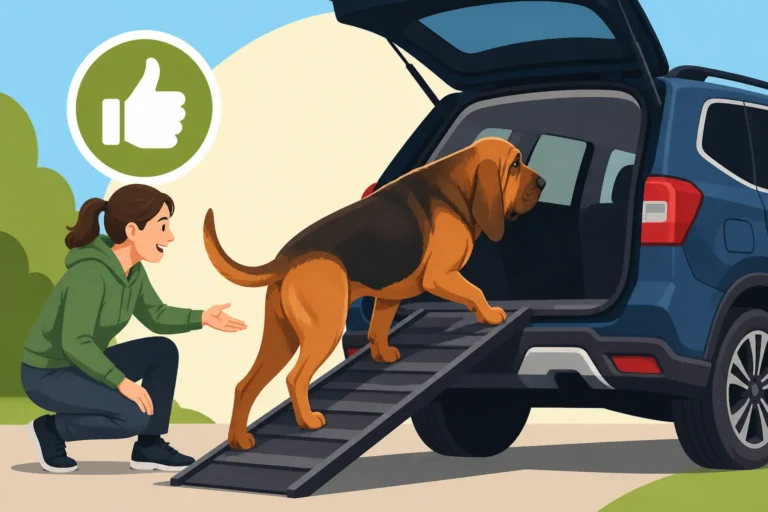
Introducing your Bloodhound to a car crate should be a positive experience. Start by having the crate in your home, making it a comfortable den with familiar bedding and toys. Encourage them to enter with treats and praise. Once they're comfortable with the crate at home, move it to the car, and start with very short, positive trips, gradually increasing duration. This process helps your Bloodhound associate the crate and car with good things, rather than confinement. Crate Training Suits a Bloodhound Puppy
Safety Harnesses and Seatbelts
For Bloodhounds who might not tolerate a crate or whose owners prefer them to have a bit more freedom of movement while still being secure, a crash-tested safety harness and seatbelt system is a fantastic option. These harnesses are engineered to distribute crash forces across your dog's chest and shoulders, rather than their neck, and then connect directly to your car's seatbelt buckle or anchor points.
It's crucial to seek out harnesses that are explicitly labeled as "crash-tested" by reputable organizations. Not all harnesses are created equal, and many simply prevent your dog from moving around without offering real protection in an accident. For a Bloodhound, look for a harness with broad, padded straps that won't dig into their skin, especially given their deep chests. Brands that focus on robust materials and rigorous testing are your best bet. A quick search on sites like Amazon can reveal a wide range of options, but always prioritize safety certifications over aesthetics.
The benefits of a good safety harness include allowing your Bloodhound to sit, lie down, or even look out the window (safely!) while preventing them from becoming a projectile or distracting the driver. They offer a good balance between freedom and security. Remember, the harness itself needs to fit properly – snug but not restrictive – and be attached correctly to the vehicle's restraint system every single time you travel. What a Mantrailing Harness and Long Line Cost
Car Seats, Barriers, and Other Containment Options
Beyond crates and harnesses, there are other tools that can contribute to safer car travel, though some are more about containment and cleanliness than crash protection.
- Car Barriers: These are typically made of metal grids or sturdy mesh and are designed to separate the cargo area from the passenger cabin in SUVs or hatchbacks. They prevent your Bloodhound from climbing into the front seats, which can be a significant distraction. While barriers are excellent for containment, it's vital to remember that they do not restrain your dog in the event of a collision. A barrier alone will not stop your Bloodhound from becoming a dangerous projectile within the cargo area. They are best used in conjunction with a securely crated dog or a dog wearing a crash-tested safety harness within the cargo space.
- Car Seats/Boosters: While more common for smaller dogs, some manufacturers offer larger car seats that elevate your dog to look out the window while being secured. These usually involve strapping the dog in with a built-in harness system. Again, verify crash-test ratings carefully, especially for a Bloodhound's weight and size, as many are designed for lighter breeds.
- Hammocks and Seat Covers: These are fantastic for keeping your car seats clean from drool, shedding hair, and muddy paws, and they can offer a slightly more stable surface for your Bloodhound to lie on. However, they are not safety devices. They provide no crash protection whatsoever and should only be used in conjunction with a proper harness and seatbelt or a secured crate. They contribute to comfort and cleanliness, which can indirectly help reduce stress for your dog and make the ride more enjoyable for you.
When considering any of these options, always weigh their primary function: is it for safety, containment, or comfort? For the safety of your Bloodhound and your family, always prioritize crash-tested solutions that offer real protection during an accident. Resources like BAXTER & Bella, while primarily a training platform, often provide excellent insights into safe travel practices and can guide you on how to best prepare your Bloodhound for these various containment methods through positive reinforcement.
Training Your Bloodhound for Safe Car Travel
Even with the best equipment, training plays a vital role in ensuring your Bloodhound is a calm, cooperative passenger. A well-prepared dog is not only safer but also makes car journeys more enjoyable for everyone.
Positive Association and Gradual Desensitization
The key to successful car travel with a Bloodhound is to make it a positive experience right from the start. Never force or scold your dog in or around the car; this can create fear and anxiety, making every future trip a battle. Instead, focus on building positive associations and gradually desensitizing them to the car and their restraint method.
Start small. Simply open the car door and let your Bloodhound investigate on their own terms, offering treats and praise. Don't even turn the car on yet. Once they're comfortable getting in and out, introduce their crate or harness. Let them explore it, perhaps feed them meals inside it, and make it a cozy, safe space. When they seem comfortable with the restraint, start with short, stationary sessions in the car. Sit in the driveway with the engine off, then with the engine on, all while offering treats and calm reassurance.
Gradually progress to very short trips – just around the block, perhaps to a fun destination like a park. The goal is to associate the car with positive outcomes. If your Bloodhound shows any signs of stress, take a step back and make the sessions shorter and more positive. Consistency and patience are paramount; Bloodhounds are intelligent but often have their own timetable for learning. How Long a Bloodhound Takes to Learn Something New
Crate Training for the Car
If you opt for a crash-tested crate, having a solid foundation in general crate training will make car travel much easier. Your Bloodhound should already view their crate as a safe, comfortable den at home. This familiarity is a huge asset when introducing the crate in the car.
Once your Bloodhound is comfortable in their home crate, move that same (or an identical travel-appropriate) crate into your vehicle. Keep it open, place favorite toys or a comforting blanket inside, and continue to use positive reinforcement to encourage them to enter. You might even feed them their meals in the car crate. The familiar scent and feel of their bedding will help them feel more at ease in the new environment.
The transition from a home crate to a car crate is all about continuity. Ensure the car crate is equally comfortable and secure. Use consistent commands ("crate," "kennel") and always reward them for calmly entering and settling down. For some Bloodhounds, a light, breathable cover over the crate can reduce visual stimulation and help them relax during the ride. Remember, the crate is not a punishment; it's their safe space on wheels. Crate Training Suits a Bloodhound Puppy
Mastering Basic Obedience in Distracting Environments
While a Bloodhound's nose will always lead the way, having a solid foundation of basic obedience cues is incredibly helpful for managing their behavior in and around the car. While off-leash reliability is typically not a realistic goal for a Bloodhound due to their powerful scent drive, cues like "sit," "stay," and "down" can be invaluable. Why Off Leash Is Not a Goal With a Bloodhound
Practice these cues in progressively more distracting environments. Start in a quiet room, then move to the backyard, then near the car, and finally, inside the stationary car. The goal is to get your Bloodhound to respond reliably even when there are tempting sights or sounds nearby. This isn't about controlling their instinct to trail, but about teaching them impulse control and focus in general scenarios. For example, if you need them to sit quietly while you buckle their harness or load them into their crate, a strong "sit-stay" cue will make the process much smoother and safer.
Bloodhounds can sometimes appear "stubborn" or slow to respond, but often they are simply processing information or prioritizing a scent. Patience and positive reinforcement are your greatest tools. Never resort to harsh corrections, as this can damage your bond and make them less likely to cooperate. Instead, use high-value treats and enthusiastic praise to reward even small steps of progress. A well-trained Bloodhound is a joy, both on a trail and in a car, even if their definition of "obedience" sometimes differs from other breeds. Why a Bloodhound Ignores a Cue It Knows
| Method | Pros | Cons | Ideal For |
|---|---|---|---|
| Loose in Car | "Freedom," perceived comfort for the dog | High injury risk, driver distraction, legal penalties | Absolutely none for safety and responsibility |
| Crash-Tested Crate | Highest safety, containment, familiar den | Takes up space, can be heavy, initial training required | Maximum safety, long trips, anxious dogs |
| Safety Harness/Seatbelt | Secure, moderate movement, allows interaction | Not all are truly crash-tested, less containment | Medium trips, dogs who dislike crates, front/back seat |
| Car Barrier (Cargo Area) | Keeps dog contained in one section, visual barrier | Does not restrain dog in impact, still a projectile risk | Keeping cargo area dog-specific, large dogs |
Disclaimer
This article is for general informational purposes only and does not constitute professional advice. Laws, prices and regulations vary by location and change over time. Consult a qualified professional for guidance on your specific situation.