What a Bloodhound Does When It Loses the Trail
Owners often feel a wave of panic and confusion when their usually focused Bloodhound suddenly seems to hit a wall on a trail, losing that intense drive they're so famous for. It's frustrating to watch them circle, lift their head, and break concentration, leaving you wondering if they've given up or simply lost their way. This comprehensive guide will delve into the nuances of why Bloodhounds lose trails, how they react, and what you, as their handler, can do to support them through these challenging moments, helping you both navigate the complexities of scent work.
Understanding the Bloodhound's Incredible Nose
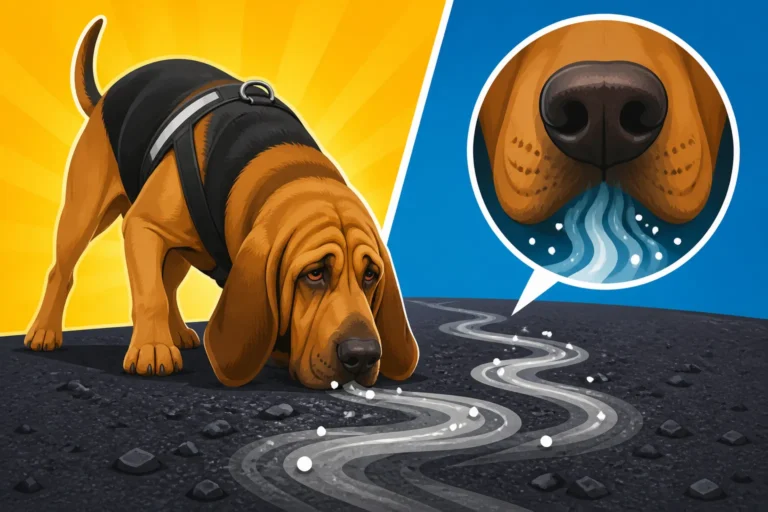
Before we talk about losing a trail, it’s crucial to truly appreciate just how phenomenal a Bloodhound’s nose is in the first place. These dogs are born detectives, with a scenting ability that puts almost every other breed to shame. Their entire physiology, from those long, sweeping ears to their heavily wrinkled skin, is designed to enhance their ability to pick up and follow even the faintest of odors. It’s this unparalleled skill that gives them their legendary status, and it’s why we expect so much from them on a trail.
The Power of Scent Discrimination
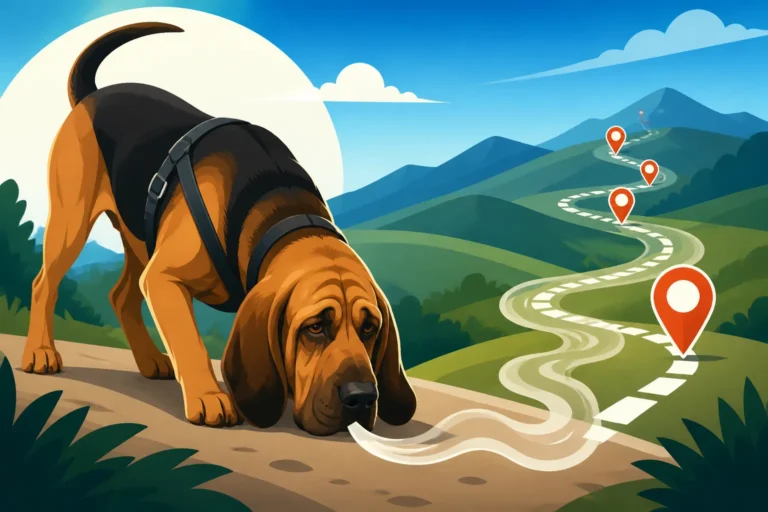
A Bloodhound doesn't just smell a scent; it smells layers of scent. Imagine walking into a busy restaurant and being able to pick out every single ingredient in every dish being cooked, every perfume worn by every patron, and even the unique scent of the cleaning products used on the floor. That's a tiny fraction of what your Bloodhound is doing when it puts its nose to the ground. They are able to isolate a specific human scent, often referred to as the "target scent," from a cacophony of other odors that would overwhelm any other animal, including us. This incredible ability to discriminate means they can follow a specific person's unique odor signature, even through crowded areas or where many others have walked. It's not just about strength of scent; it's about identifying and sticking to one distinct trail.
This fine-tuned discrimination is what makes them so valuable in search and rescue. They aren't interested in the deer that crossed the path five minutes ago, or the neighborhood cat that darted across the lawn. Their genetic programming and training guide them to focus intently on the human scent they were given, filtering out what we call "distractor" scents. This singular focus is what allows them to follow How Old a Trail a Bloodhound Can Follow, often hours or even days after a person has passed. They are truly magnificent living machines, each sniff a complex analysis of the world.
Environmental Factors Affecting Scent
Even with their extraordinary noses, Bloodhounds are still subject to the laws of physics and nature. Scent particles, though resilient, are not immune to environmental forces. Wind, rain, temperature, and even the type of terrain can significantly impact how long and how well a scent lingers. A strong gust of wind can scatter scent particles, making them harder to concentrate and follow. Heavy rain can wash away or dilute the scent, especially on hard surfaces like asphalt or concrete. Conversely, humid, still air can sometimes help a scent settle and become more accessible. Think of it like a perfume; some days it just doesn't seem to hold as well as others, even if you put on the same amount.
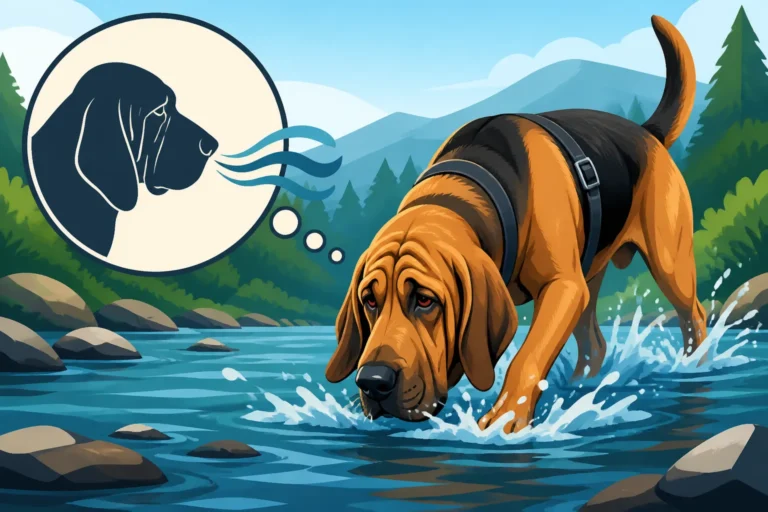
The ground itself plays a huge role. Scent will "hold" differently on various surfaces. Grassy areas or soil tend to retain scent much better than hot pavement or rocky terrain. Water can also disperse scent rapidly. The time of day can influence a trail too; cooler morning air often holds scent better than scorching afternoon temperatures where heat can cause scent molecules to dissipate more quickly. These are all factors a Bloodhound handler constantly considers, knowing that a lost trail might not be a failure of the dog, but a consequence of the environment. Sometimes, when a Bloodhound hits a patch of ground that's been baked by the sun for hours, it's akin to us trying to read a page where half the words have faded.
Initial Reactions to a Lost Trail
When a Bloodhound loses a trail, it's rarely a sudden halt followed by a shrug. Instead, it's a dynamic process, a series of characteristic behaviors that signal to the astute handler that something has changed. Recognizing these cues is paramount, as they tell you exactly what your dog is experiencing and what kind of support it might need. It's a two-way conversation, where the dog speaks through its actions, and the handler must be fluent in Bloodhound.
The "Casting" Behavior
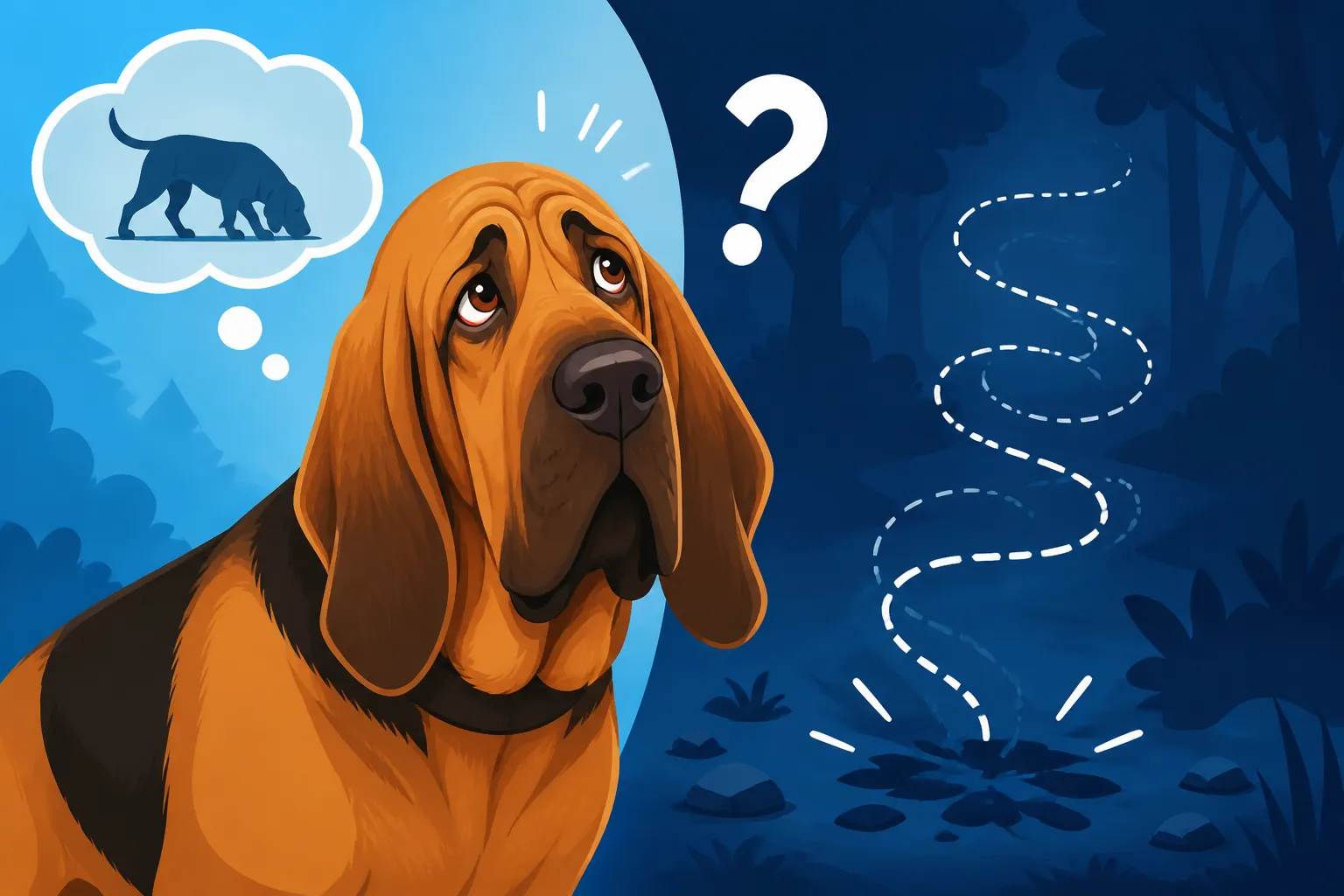
One of the most common and recognizable reactions when a Bloodhound loses a direct trail is what's called "casting." This isn't the dog giving up; it's the dog actively searching for the scent again. Your Bloodhound will typically start swinging its head from side to side, often in wider and wider arcs, moving slightly forward in a zigzag pattern. They might lift their nose briefly, take a deep sniff of the air, and then quickly drop it back to the ground, trying to pick up any stray scent particles that the wind might have carried. Imagine them painting with their nose, trying to find where the color starts again. They are essentially expanding their search radius, hoping to re-intercept the scent cone.
During this casting phase, a Bloodhound's focus remains intense, even if it appears less linear. They are processing a tremendous amount of information, trying to discern the direction the scent might have gone. If they don't pick it up quickly, they might circle back over the last known point, attempting to confirm where they last had a strong read, or they might try to push forward just a bit further, theorizing the scent has simply become faint. A good handler understands this isn't confusion but a methodical, albeit frustrated, problem-solving strategy on the dog's part. It’s part of What a Bloodhound Does When It Loses the Trail and how they're wired.
Body Language Cues
Beyond the visible casting, a Bloodhound will communicate its struggle through subtle and not-so-subtle body language. Often, their ears might perk slightly, even though they usually hang low, indicating they are trying to gather airborne scent. Their tail, typically held in a relaxed, gentle wag while trailing, might drop or become stiff. They might slow their pace, sometimes stopping entirely, raising their head higher than usual, and sniffing the air more vigorously. This "air scenting" is a sign they believe the ground scent has become unreliable or has moved upwards.
You might also notice a change in their breathing; it might become shallower or more rapid as they concentrate, or they might let out a soft whine or huff of frustration. Their expressions, though often hidden by their loose skin, can betray a look of deep concentration mixed with slight bewilderment. A particularly subtle cue can be when they glance back at their handler, a momentary break in their intense focus, as if asking for guidance or confirmation. Knowing these subtle signals is critical for a handler. It’s their way of saying, "Hey, I had it right here, but now it's gone, and I need a moment to figure it out." Learning to interpret these signs helps handlers avoid inadvertently distracting or correcting their dog at a critical juncture.
Common Causes for Losing a Trail
It's tempting to think of a Bloodhound's nose as infallible, an unblinking, perfect instrument. But just like any tool, it has its limits and can be impacted by external forces. Understanding why a trail might disappear or become challenging is crucial for managing expectations and effectively assisting your dog. It's rarely the Bloodhound's 'fault' and almost always a combination of environmental factors and, sometimes, human oversight.
Scent Degradation and Contamination
Scent isn't static; it's a dynamic entity that degrades over time and is easily influenced by its surroundings. The primary reason a Bloodhound loses a trail is simply that the scent particles have degraded or been overwhelmed. Every time a person walks, they shed skin cells (rafts) containing their unique odor. These cells are microscopic and fragile. Over time, they break down, disperse, and are carried away by air currents or moisture. The longer the elapsed time since the trail was laid, the fainter the scent becomes. This is especially true on trails that are How Old a Trail a Bloodhound Can Follow.
Beyond natural degradation, contamination is a huge factor. Imagine the target scent as a single violin playing in a quiet room. Now, imagine a full orchestra suddenly bursting into sound – that's what happens when a trail crosses an area with overwhelming competing odors. Heavy foot traffic, exhaust fumes from vehicles, strong industrial smells, or even an animal carcass can contaminate the trail, making it incredibly difficult for the Bloodhound to isolate the target scent. Even areas recently cleaned with strong detergents can present a challenge. A good handler learns to anticipate these 'dead zones' or 'noisy' areas and understand why their dog might struggle through them.
Handler Error and Misinterpretation
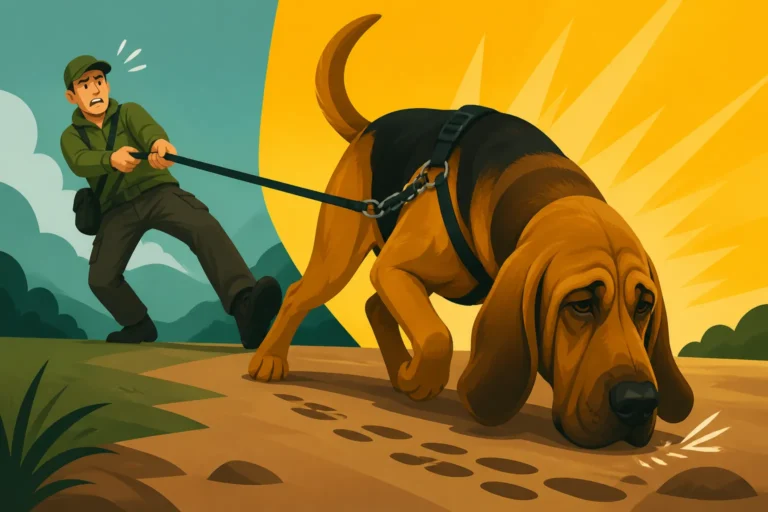
While the Bloodhound's nose is incredible, the human element in trailing is equally vital. Sometimes, a trail is lost not because the scent is truly gone, but because the handler has inadvertently contributed to the problem or misinterpreted the dog's signals. One common error is pulling the dog forward too quickly when it begins to cast, instead of allowing it the time and space to work through the lost scent on its own. Rushing a Bloodhound during a cast can break its concentration and make it even harder for it to re-establish the trail. It's like trying to rush someone solving a complex puzzle – you'll only make them more flustered.
Another aspect of handler error can involve misjudging the wind direction or the dog's head turns. If a Bloodhound is trying to air scent, and the handler consistently pulls them back down to the ground, they might miss the subtle cues the dog is giving about where the scent has drifted. It's also possible for a handler to give inconsistent verbal cues or to unconsciously tighten the leash, signaling tension and uncertainty to the dog, which can erode confidence. That's why consistent training, often with resources from places like BAXTER & Bella that emphasize clear communication, is so important for both ends of the leash. Trust and clear signals are paramount. Understanding What a Bloodhound Will Work For also helps handlers provide appropriate rewards and encouragement during challenging moments.
| Factor Affecting Trail | Description | Impact on Bloodhound | Handler Action |
|---|---|---|---|
| Wind | Scatters scent particles, especially in open areas. | Scent becomes diffuse, harder to follow a clear line. | Observe wind direction, allow dog to cast upwind/downwind. |
| Rain/Humidity | Rain washes scent; high humidity can hold scent. | Trail can disappear or become very strong. | Adjust expectations based on weather; allow wider casting in rain. |
| Temperature | Heat dissipates scent; cold preserves it. | Scent strength varies greatly throughout the day. | Work in cooler parts of day if possible; give extra breaks in heat. |
| Terrain Type | Scent holds differently on grass, pavement, water. | Requires different search strategies by the dog. | Anticipate changes, prepare for dog to slow or change gait. |
| Contamination | Overwhelming background odors from other sources. | Dog struggles to isolate target scent from 'noise'. | Move past area, give dog time to process, don't rush. |
| Time Elapsed | Scent naturally degrades over hours/days. | Trail becomes progressively fainter and harder. | Realistic expectations, celebrate small successes, know when to quit. |
How Handlers Support a Bloodhound on a Lost Trail
The role of the handler is not passive. When a Bloodhound loses a trail, the handler becomes a vital partner, offering support, guidance, and encouragement without interfering with the dog's natural process. It's a delicate balance, requiring observation, patience, and a deep understanding of their dog's individual quirks. This partnership is what transforms a challenging moment into a successful recovery of the trail, or at least a valuable learning experience.
Reading the Dog and Offering Encouragement
The first and most important step for a handler is to calmly observe their Bloodhound. Don't immediately assume the worst or get frustrated. Instead, watch their body language intently. Are they casting? Are they air-scenting? Are they showing signs of frustration like a dropped tail or quick glances back? This is where your deep bond and understanding of your specific dog come into play. A handler needs to recognize Signs a Bloodhound's Heart Is Failing or Signs a Bloodhound's Thyroid Is Low for overall health, but during a trail, it's those subtle behavioral cues that matter most.
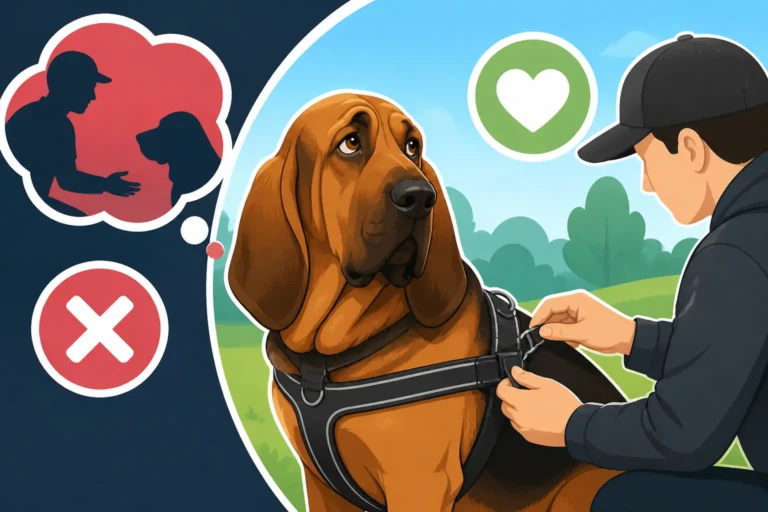
Once you've assessed their state, offer quiet, calm encouragement. A gentle "Good dog, find it," or a soft stroke if they turn to you can reassure them without directing them. Avoid shouting or making sudden movements, which can break their concentration even further. Sometimes, just holding still and allowing the long line to stay slack, giving the dog maximum freedom to work, is the best form of support. They need to know you trust their nose, even when they're struggling. This confidence from you can give them the mental space to regroup and try again. Investing in quality gear like a comfortable harness and a long line from a reputable source, perhaps found on Amazon, can also make the physical act of handling smoother and less distracting for the dog.
Strategic Rerouting and Re-establishing the Scent
If a Bloodhound has been casting for a significant period without success, it might be time for the handler to strategically intervene. This doesn't mean dragging the dog back to the start or forcing a direction. Instead, it involves gently guiding them to a slightly different area where the scent might be more accessible. For example, if the dog lost the scent near a busy road, the handler might suggest moving a few yards into a calmer, less contaminated area nearby, theorizing the scent may have drifted. Or, if they were working upwind, the handler might try moving them slightly downwind to see if the scent cone is wider there.
Another technique is to gently guide the dog back to the last place you're confident they had the scent strongly. This allows the Bloodhound to "reset" and re-evaluate the direction from a known point. It's about giving them a controlled opportunity to retry, without adding pressure. Always let the dog be the one to pick up the scent again. Your role is to present the possibilities, not dictate the outcome. It's a dance between trust and gentle guidance, allowing the Bloodhound to ultimately prove Whether a Bloodhound Can Be Wrong.
The Mental and Physical Toll on a Bloodhound
Trailing, even when successful, is incredibly demanding work for a Bloodhound. It requires immense mental focus and physical exertion. When a trail is lost, these demands can intensify, leading to frustration and fatigue for the dog. It’s important for handlers to recognize these signs, not just for the dog’s well-being, but also to understand that pushing a tired or frustrated dog rarely yields positive results.
Frustration and Fatigue
Imagine concentrating intensely on a complex task for hours, only for the crucial information you need to suddenly vanish. That's the frustration a Bloodhound experiences when a trail goes cold. You might see them huff, paw at the ground, or even lie down for a moment. This isn't laziness; it's a sign of mental fatigue and exasperation. Their incredible scenting abilities are their superpower, and when that superpower seems to fail them, it can be deeply disheartening for the dog. They're working incredibly hard, literally trying to reconstruct a scent picture in their minds.
Physically, trailing is no walk in the park. Bloodhounds use a tremendous amount of energy, constantly moving, sniffing, and processing. Their long ears, which Why a Bloodhound's Ears Sweep Scent Toward Its Nose, can also get tangled or catch debris. Extended periods of intense focus and physical activity without a clear reward can lead to genuine exhaustion. This fatigue can manifest as a slower gait, less enthusiastic casting, or a general lack of drive. A tired Bloodhound is more prone to making errors or simply giving up, not because they don't want to work, but because their reserves are depleted. Handlers must be mindful of How Long a Bloodhound Can Work Before It Tires and plan breaks accordingly.
Knowing When to Call It Quits
One of the hardest decisions for any handler is knowing when to stop a search. The desire to find the target is powerful, but pushing a Bloodhound past its physical and mental limits is counterproductive and unfair to the dog. If your Bloodhound is showing clear signs of extreme fatigue, deep frustration, or is simply no longer engaging with the scent picture, it's time to call it a day. Continuing to push them when they are past their limit can create negative associations with trailing and damage their confidence and drive in the long run.
Calling it quits doesn't mean failure. It means you're being a responsible, empathetic handler who prioritizes the well-being of their partner. Sometimes, resting and returning to the trail fresh the next day, if conditions allow, can yield better results. There will always be other trails, other opportunities. The bond and trust you share with your Bloodhound are far more important than any single outcome. Recognizing when to stop is a sign of good judgment and a deep respect for your dog. It's an essential part of The First Year With a a Bloodhound That Already Wants to Trail and throughout their working life.
Training to Handle Lost Trails More Effectively
While you can't prevent every lost trail, you can certainly train your Bloodhound, and yourself, to handle these situations more effectively. Proactive training builds confidence, sharpens problem-solving skills, and reinforces the partnership between dog and handler. It's about equipping your Bloodhound with the tools to navigate challenges, rather than just hoping they never encounter one.
Building Confidence in the Dog
A confident Bloodhound is a more effective Bloodhound. Part of building this confidence involves early and consistent exposure to a variety of scenting environments. Start with easy trails in simple, low-distraction areas, and gradually introduce more complex scenarios. Praise and reward heavily for any effort your dog makes, especially when they're working through a difficult patch or casting to find a lost scent. Positive reinforcement builds enthusiasm and teaches them that even when things get tough, they're on the right track with you.
Another aspect of confidence building is allowing the dog to make and recover from mistakes. Don't immediately jump in to "fix" it if they lose the trail temporarily. Give them a few minutes to work it out themselves, casting and searching. When they do re-establish the scent on their own, the reward should be huge. This teaches them resilience and self-reliance, important traits for a working hound. Training should always be a positive experience, focusing on success and celebrating effort, not just perfect execution. Consider structured online courses or local workshops that emphasize positive training methods, like those sometimes offered through platforms that collaborate with trainers such as BAXTER & Bella, to build a strong foundation.
Practicing Trail Restart Techniques
Specific training exercises can help both you and your Bloodhound practice handling lost trails. One effective technique is to intentionally "break" a trail. Have your scent layer abruptly turn a sharp corner and hide, or cross a small creek where scent might dissipate. When your Bloodhound loses the scent, practice letting them cast, waiting for their cues, and then gently guiding them back to the last known point if they struggle. The goal is to teach them that losing the scent isn't the end, but a temporary setback that they can overcome with focus.
Vary the conditions of these broken trails – try different surfaces, times of day, and levels of contamination. Practice working trails where you know the scent will be faint or gappy. This simulates real-world challenges and helps your Bloodhound develop a systematic approach to searching when the scent isn't clear. It also helps you, the handler, refine your observational skills and learn to trust your dog's process. Remember to always use appropriate gear, such as a well-fitting tracking harness and a durable long line, easily available from retailers on Amazon, to ensure comfort and control during these training sessions. The more you practice these scenarios, the more prepared you both will be when a genuine lost trail occurs in the field. This systematic practice is far more effective than just hoping your Bloodhound won't lose the trail in the first place, and it reinforces the critical skills necessary for successful mantrailing.
Disclaimer
This article is for general informational purposes only and does not constitute professional advice. Laws, prices and regulations vary by location and change over time. Consult a qualified professional for guidance on your specific situation.