Whether Accident Only Cover Suits a Bloodhound
One of the most pressing anxieties for any Bloodhound owner is the specter of a sudden, catastrophic vet bill. We all want to protect our beloved, droopy-faced companions, and pet insurance often seems like the logical solution, but the array of options can be bewildering. Specifically, many wonder if "accident-only" coverage is enough to safeguard their unique hounds. This guide will delve deep into the realities of accident-only pet insurance for Bloodhounds, helping you understand its limitations and whether it truly aligns with the specific health challenges our wonderful breed faces.
Understanding Accident-Only Pet Insurance: What It Is and Isn't
When you're first looking into pet insurance, the phrase "accident-only" can sound incredibly appealing. It’s often presented as a more affordable, straightforward option, and who doesn't want to save a little money while still having a safety net for those unexpected mishaps? But for a Bloodhound, understanding precisely what this type of coverage entails – and, more critically, what it explicitly doesn't cover – is absolutely vital.
The Basic Premise: Covering the Unexpected Tumble
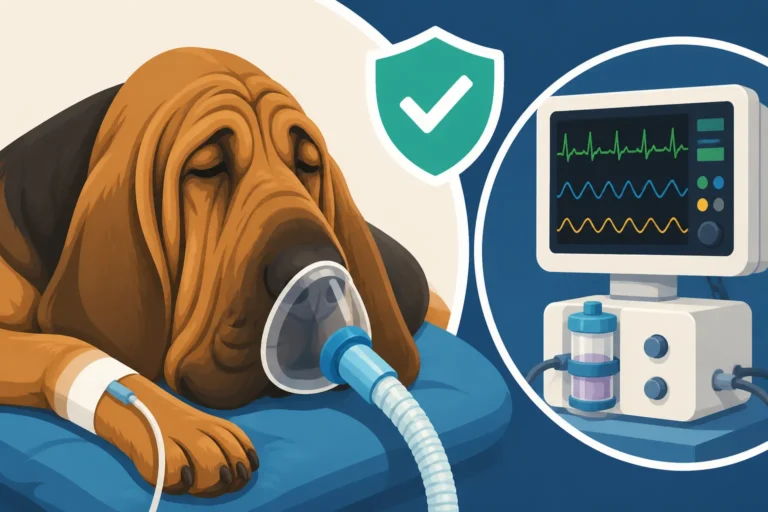
At its heart, accident-only pet insurance is designed to cover injuries that result from sudden, unforeseen incidents. Think of it as a bare-bones policy focused solely on trauma. This can include a wide range of unfortunate events: your Bloodhound might break a leg after a misstep during a joyous romp, suffer a laceration from an encounter with a sharp object while investigating a scent, or perhaps ingest a foreign object that requires emergency removal. It could also cover injuries from a car accident, a fall, or even a sudden allergic reaction to an insect bite.
The allure here is the promise of lower monthly premiums compared to more comprehensive plans. For many, the idea is that their dog is generally healthy, so they only need protection for the "what ifs" – the truly freak accidents that no one can predict. It offers a sense of security for those truly dramatic, acute emergencies that immediately come to mind when you think of a vet visit.
The Major Exclusions: Where Accident-Only Stops Short
Here's where the rubber meets the road, especially for a breed like the Bloodhound. The biggest, most glaring exclusion in an accident-only policy is any illness coverage. This isn't just a minor detail; it's a monumental difference. If your Bloodhound develops an ear infection – and let's be honest, that's a near certainty for our long-eared friends – accident-only insurance won't touch it. The same goes for chronic conditions like skin fold dermatitis, which Bloodhounds are famously prone to, or even something as serious as hip dysplasia.
Consider what this means for diagnostic tests: if your Bloodhound starts coughing and needs X-rays and bloodwork to figure out why, those costs fall squarely on your shoulders. If they're diagnosed with an illness requiring medication, none of those prescriptions will be covered. Routine wellness visits, vaccinations, and parasite prevention are also typically excluded, though many comprehensive plans don't cover these either unless you opt for an additional wellness rider. The crucial point is that the vast majority of common, ongoing, and expensive veterinary care for a Bloodhound stems from illness and chronic conditions, not just accidents.
Differentiating From Comprehensive Plans
To truly grasp the limitations of accident-only, it helps to understand what a more comprehensive "accident and illness" plan brings to the table. These plans, while carrying a higher monthly premium, provide a much broader safety net. They cover everything accident-only plans do, but crucially, they also cover diagnoses and treatments for illnesses, chronic conditions, genetic conditions, and sometimes even behavioral therapies.
For a Bloodhound owner, this means that the inevitable ear infections, the dermatological flare-ups in those adorable but problematic wrinkles, the potential for bloat, and the management of conditions like hip or elbow dysplasia are all potentially covered. Providers like Healthy Paws and those offered through platforms like Chewy understand the need for this wider scope. While you might pay more upfront each month, the potential for substantial savings on expensive illness-related treatments can be immense. It's truly a matter of weighing the immediate cost of premiums against the very real and frequent costs associated with a Bloodhound's predisposed health issues. Understanding the fine print of both types of policies is paramount before making a decision that could leave you financially exposed.
The Bloodhound's Unique Health Landscape: Why "Accident Only" Might Fall Short
Bloodhounds are magnificent dogs, full of charm and an unrivaled nose. But owning one means accepting their unique physical attributes, which, while endearing, often come with a predisposition to certain health challenges. It's precisely these breed-specific traits that make accident-only pet insurance a risky gamble for a Bloodhound owner. These aren't just minor inconveniences; they are significant health concerns that can lead to substantial veterinary bills, and crucially, they are almost never considered "accidents."
The Shadow of Bloat: A Common, Expensive, and Not Accidental Emergency
If there's one word that sends shivers down a Bloodhound owner's spine, it's "bloat," or Gastric Dilatation-Volvulus (GDV). This is a terrifying, life-threatening condition where the stomach fills with gas and can twist, cutting off blood supply. It's excruciatingly painful and can kill a dog in a matter of hours. Bloat Is What Kills Most Bloodhounds, and its potential for rapid progression means immediate veterinary attention is critical.
The absolute key here is that bloat is an illness-related emergency, not an accident. It's a physiological event, often linked to the Bloodhound's deep, narrow chest conformation, eating habits, or stress, not a sudden injury from external forces. The costs associated with emergency bloat surgery are astronomical. We're talking about multiple thousands of dollars for the surgery itself, plus post-operative care, diagnostics, and potentially a stay in intensive care. What Emergency Bloat Surgery Costs on a Bloodhound can easily reach into figures that would challenge most household budgets. An accident-only policy would provide absolutely no financial relief in this all-too-common and devastating scenario, leaving you to bear the full burden of an urgent and expensive procedure. This alone makes accident-only coverage a very poor fit for a Bloodhound. Many owners even consider a preventive surgery called a gastropexy to tack the stomach in place. The Gastropexy Decision Every Bloodhound Owner Faces is a choice that highlights the constant concern around bloat.
Chronic Conditions: Ears, Eyes, and Skin Folds That Require Ongoing Care
Beyond bloat, Bloodhounds are practically poster children for several chronic conditions that require consistent, often expensive, veterinary care. And guess what? None of these are "accidents."
First up, those glorious, pendulous ears. While perfect for sweeping scent, they also create a warm, moist, dark environment that's an absolute paradise for yeast and bacteria. Ear infections are not a matter of if but when, and how often. A Bloodhound's Ears Are a Standing Infection Risk is a reality that owners know all too well. Treating an ear infection often requires vet visits, diagnostics to identify the pathogen, and specific prescription ear drops. Chronic cases can escalate to needing sedated cleanings or even costly surgery.
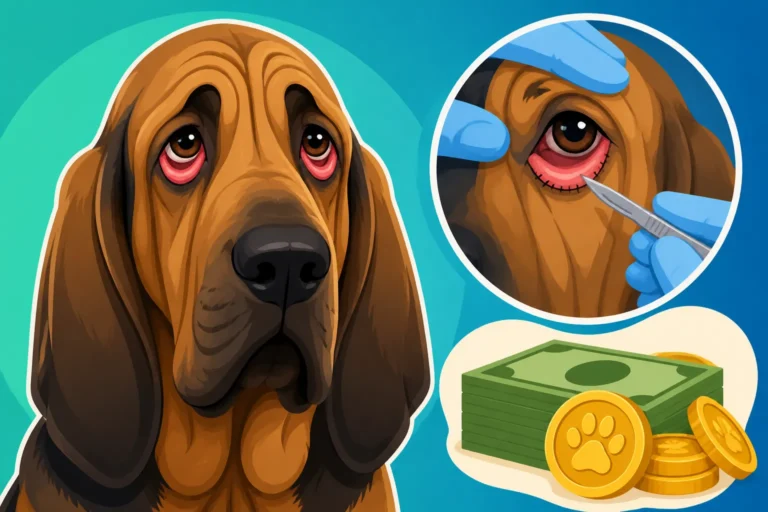
Then there are their eyes. The loose skin that gives them their soulful, mournful expression also makes them prone to various eye issues. Ectropion (where the lower lid rolls outward, exposing the haw) and entropion (where the eyelid rolls inward, causing lashes to scratch the cornea) are common. The Four Eye Problems a Bloodhound Is Born Toward can range from irritating to vision-threatening, and often require surgical correction or daily management with prescribed drops. These are inherited conformational issues, not injuries.
Finally, let's talk about those wonderfully wrinkly faces and bodies. While adorable, those deep skin folds trap moisture, dirt, and bacteria, leading to a condition called skin fold dermatitis. This can manifest as red, itchy, sometimes infected patches, particularly around the lips, neck, and tail. Skin Fold Dermatitis on a Bloodhound is another chronic battle that requires medicated wipes, shampoos, and often antibiotics or antifungals. All of this care, from medicated washes to antibiotics, falls under illness treatment and would be excluded by an accident-only policy. It becomes very clear that Everything on a Bloodhound Hangs Down and Has to Be Cleaned for a reason, and that reason often incurs costs.
Orthopedic Concerns: Hip and Elbow Dysplasia
Bloodhounds are large, heavy dogs, and with that size often comes a genetic predisposition to orthopedic issues, particularly hip and elbow dysplasia. These are developmental abnormalities of the joints that can lead to pain, lameness, and debilitating arthritis over time. Hip and Elbow Dysplasia in a Bloodhound is a serious concern for the breed, and responsible breeders screen for it.
The diagnosis of dysplasia involves x-rays and veterinary consultation, followed by a management plan that could include pain medication, joint supplements, physical therapy, or even complex and expensive surgeries like total hip replacement. None of these are accidental injuries. They are genetic or developmental conditions that manifest over time. An accident-only policy would offer no assistance with the substantial costs associated with diagnosing and treating these conditions, leaving owners to shoulder the entire financial burden for their dog's comfort and mobility.
When Accident-Only Could Be a Viable Option for a Bloodhound
While I've painted a rather bleak picture of accident-only coverage for a Bloodhound, there are very specific, narrow circumstances where it might be considered. It's crucial, however, to approach these scenarios with a realistic understanding of the significant risks involved and what you might be sacrificing in terms of financial protection.
A Safety Net for the Unforeseeable Catastrophe
Let's be honest, accidents do happen, even to the most careful Bloodhound and owner. Despite their generally calm demeanor indoors, a Bloodhound's powerful nose can lead them into unexpected trouble outdoors. They might bolt after a scent and get hit by a car, fall awkwardly and suffer a fracture, or chew something they shouldn't have ingested, leading to a dangerous blockage. These are genuinely accidental, acute traumas that require immediate, often expensive, emergency care.
In such truly catastrophic, sudden injury scenarios, an accident-only policy would indeed provide coverage, offering a critical financial buffer. For owners who are absolutely convinced they can manage all other illness-related costs out of pocket, but are utterly terrified of the "worst-case-scenario" physical injury, this type of plan can serve as that very specific, limited safety net. It's a decision rooted in a very particular risk assessment, acknowledging that it covers only a fraction of the potential problems.
Supplementing a Robust Emergency Fund (But Be Realistic)
Some highly disciplined individuals might maintain a substantial emergency fund specifically earmarked for their Bloodhound's health. In theory, an accident-only policy could act as a supplementary layer of protection on top of this fund. The idea here is that your emergency fund is large enough to cover the common and costly Bloodhound illnesses – like bloat, chronic ear infections, or unexpected cancer diagnoses – while the accident-only insurance handles only the truly unforeseen physical accidents.
However, this requires an enormous amount of financial discipline and a truly robust fund. Bloodhound illnesses are not cheap, and they are not rare. Whether a Bloodhound Owner Needs an Emergency Fund is a question that highlights how crucial it is to have significant savings for this breed. The cumulative cost of managing chronic conditions or a single emergency illness like bloat can quickly deplete even a well-stocked fund. Relying on an emergency fund for illnesses while only insuring for accidents means you need to be prepared for regular, significant out-of-pocket expenses that an accident-only policy won't touch. This approach demands a level of financial foresight and liquid assets that many people simply don't have readily available.
Considering the Age and Health of Your Bloodhound
The stage of your Bloodhound's life and their current health status can also influence the perceived suitability of accident-only coverage, though again, with caveats.
- Puppies and Young Adults: A young Bloodhound puppy might seem like a good candidate for accident-only coverage because they're typically in peak health, and the idea of illness seems far off. They are, however, often prone to clumsy puppy antics that could lead to accidental injuries. But even young Bloodhounds carry the genetic predispositions for things like hip and elbow dysplasia, and the risk of bloat starts young. By the time they hit six years old, Bloodhounds are already considered senior, and new health issues become much more common. Aging in a Bloodhound Starts at Six, marking a point where comprehensive care becomes even more critical.
- Older Bloodhounds: For an older Bloodhound, accident-only coverage is even less advisable. By this point, most dogs have developed some pre-existing conditions, which would likely be excluded by any new policy, whether accident-only or comprehensive. However, older dogs are also significantly more prone to new illnesses, chronic conditions worsening, and age-related health issues that would not be covered by an accident-only plan. In these cases, the already slim benefit of accident-only insurance shrinks even further.
Ultimately, while accident-only plans offer a cheaper premium, for a Bloodhound, that lower cost almost always comes with a disproportionately high risk of uncovered, incredibly expensive veterinary care for issues that are characteristic of the breed.
Beyond Accident-Only: Exploring More Comprehensive Coverage for Your Bloodhound
Given the inherent predispositions and potential health challenges faced by our beloved Bloodhounds, moving beyond accident-only coverage isn't just a recommendation; for many, it's a financial imperative for true peace of mind. Comprehensive accident and illness plans, while a larger upfront investment in terms of premiums, offer a far more appropriate safety net for a breed with such specific and often costly health needs.
The Peace of Mind of Illness & Accident Plans
Opting for an accident and illness plan means you're investing in protection for the full spectrum of potential veterinary costs. This includes all the "accidents" we've discussed – broken bones, lacerations, foreign body ingestion – but crucially, it also covers the vast array of illnesses and chronic conditions that Bloodhounds are genetically predisposed to.
Imagine the relief of knowing that if your Bloodhound suffers from bloat, the most devastating of breed-specific emergencies, the substantial bill for diagnosis, emergency surgery, and recovery care will be largely covered. This type of plan also provides financial support for managing chronic ear infections, undergoing surgery for eye conditions like ectropion or entropion, treating skin fold dermatitis, and dealing with orthopedic issues like hip or elbow dysplasia. Even unexpected illnesses like cancer, heart disease, or diabetes, which can strike any dog, would fall under this comprehensive umbrella.
When looking at providers, many offer robust accident and illness plans. Companies like Healthy Paws are known for their comprehensive coverage, often with unlimited annual benefits, which can be a huge comfort with a breed prone to serious conditions. Even platforms like Chewy offer various pet insurance options that include illness coverage, allowing you to compare plans that truly cater to a Bloodhound's needs. Pairing such a plan with a commitment to good nutrition, perhaps exploring the benefits of fresh, high-quality dog food from a brand like Ollie, can contribute to your Bloodhound's overall well-being, but the insurance is there for the unpredictable medical needs.
Understanding Deductibles, Reimbursement, and Annual Limits
Even with a comprehensive plan, it's essential to understand how pet insurance works in practice. This means getting to grips with a few key terms:
- Deductible: This is the amount you pay out of pocket before your insurance coverage kicks in each policy term (often annually). Common deductibles can range significantly, and choosing a higher deductible usually means a lower monthly premium. However, for a Bloodhound with frequent health issues, a lower deductible might make more financial sense in the long run, as you'll reach it faster. The Deductible a Bloodhound Owner Should Choose is a personal financial decision that needs careful thought.
- Reimbursement Percentage: After you meet your deductible, the insurance company will reimburse you a certain percentage of the covered veterinary costs. This typically ranges from 70% to 90%. So, if you have an 80% reimbursement rate, you're still responsible for 20% of the bill after your deductible.
- Annual Limit: Some policies have a cap on how much they will pay out in a single policy year. While some plans offer unlimited annual benefits (which is highly desirable for a Bloodhound given the potential for major surgeries or chronic conditions), others might have limits that could be quickly exhausted by a severe illness or multiple issues.
It’s a balancing act: a lower premium might come with a higher deductible, lower reimbursement, or a smaller annual limit. Conversely, a higher premium typically offers more generous coverage. Reviewing these factors carefully and simulating potential scenarios (e.g., "What if my Bloodhound gets bloat and an ear infection in the same year?") can help you choose a plan that truly protects your finances.
When to Enroll and What to Look For
The absolute best time to enroll your Bloodhound in pet insurance is when they are a puppy, as early as possible. Why? Because pet insurance, like human health insurance, generally excludes "pre-existing conditions." If your Bloodhound develops an ear infection, ectropion, or shows signs of hip dysplasia before you enroll or during the policy's waiting period, those specific conditions will likely not be covered in the future. By enrolling a healthy puppy, you maximize the chances that any future illness or injury will be covered.
When shopping for an accident and illness plan for your Bloodhound, here’s what to prioritize:
- Coverage for Hereditary and Congenital Conditions: This is non-negotiable for a Bloodhound. Many of their breed-specific issues (dysplasia, certain eye problems) are considered hereditary. Ensure the policy explicitly states coverage for these conditions.
- Coverage for Chronic Conditions: Bloodhounds are prone to ongoing issues. Look for policies that cover long-term management of conditions like allergies, arthritis, and recurrent ear or skin infections.
- No Breed-Specific Exclusions: While rare, some policies might have specific exclusions for certain breeds or conditions. Always double-check this in the fine print.
- Reputation and Customer Service: Read reviews and choose a company with a strong reputation for processing claims fairly and efficiently. Dealing with a sick pet is stressful enough without battling your insurance provider.
- Short Waiting Periods: Look for reasonable waiting periods for both accidents and illnesses.
By carefully considering a comprehensive accident and illness plan, you're not just buying insurance; you're investing in peace of mind, knowing that you can provide your Bloodhound with the best possible veterinary care without facing debilitating financial strain.
| Feature | Accident-Only Plan | Accident & Illness Plan |
|---|---|---|
| Purpose | Covers unexpected injuries from accidents. | Covers accidents AND a wide range of illnesses/conditions. |
| Bloodhound Bloat | NOT COVERED (considered an illness). | Typically Covered (as an emergency illness). |
| Ear Infections | NOT COVERED (an illness). | Typically Covered (as an illness). |
| Ectropion/Entropion | NOT COVERED (a genetic/congenital condition). | Typically Covered (if not pre-existing). |
| Skin Fold Dermatitis | NOT COVERED (a chronic skin condition/illness). | Typically Covered (as an illness). |
| Hip/Elbow Dysplasia | NOT COVERED (a developmental/genetic condition). | Typically Covered (if not pre-existing). |
| Broken Bones | Covered. | Covered. |
| Foreign Object Ingestion | Covered (if accidental). | Covered. |
| Vet Exam Fees (for illness) | Not covered. | Typically covered. |
| Medications (for illness) | Not covered. | Typically covered. |
| Wellness/Routine Care | Not covered (rarely in any plan unless add-on). | Not covered (rarely in any plan unless add-on). |
| Monthly Premium | Lower. | Higher. |
| Overall Value for Bloodhound | Low, significant financial risk. | High, comprehensive protection. |
Disclaimer
This article is for general informational purposes only and does not constitute professional advice. Laws, prices and regulations vary by location and change over time. Consult a qualified professional for guidance on your specific situation.