Whether a Bloodhound’s Cherry Eye Repair Is Separate
It's incredibly unsettling to notice that bright red "cherry" peeking out from the corner of your beloved Bloodhound's eye. Your immediate thoughts probably jump to surgery, recovery, and of course, the big question: is this a one-and-done fix, or are we signing up for a series of procedures? This guide aims to clear up the confusion around cherry eye repair in Bloodhounds, specifically addressing whether it's typically treated as a standalone issue or if it often comes tangled with other ocular concerns.
Understanding the Bloodhound's Unique Eye Structure and Cherry Eye
Bloodhounds are magnificent creatures, instantly recognizable by their deeply wrinkled faces, long droopy ears, and those characteristic "sad" eyes. While these features are part of their charm and enhance their incredible scenting ability, they also unfortunately predispose them to a host of unique health challenges, particularly when it comes to their eyes. When you see that red blob, it's natural to panic, but understanding what's going on helps immensely.
What Exactly is Cherry Eye?
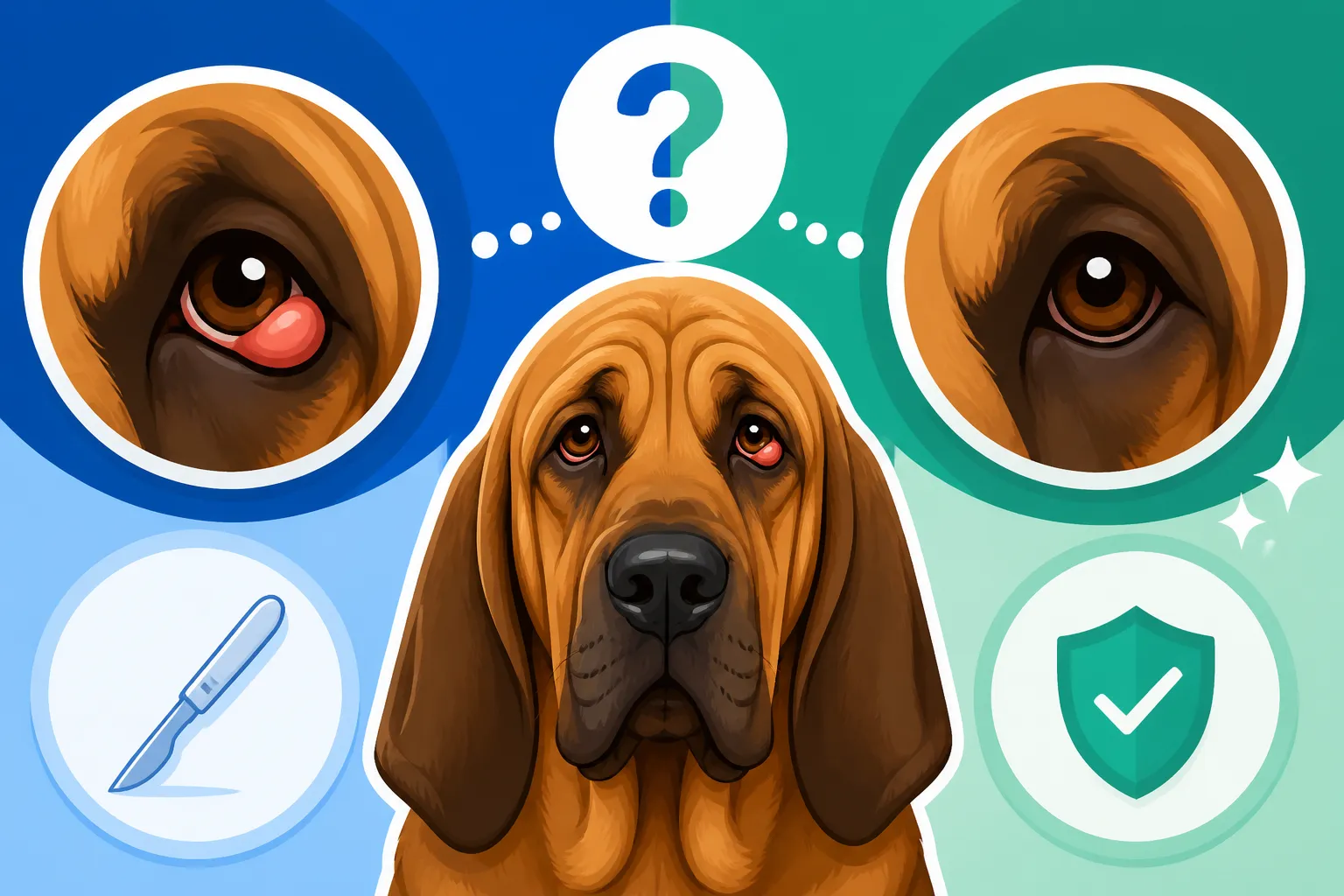
"Cherry eye" is the common term for a prolapse of the nictitating membrane's gland. The nictitating membrane, often called the "third eyelid," is a protective layer of tissue located in the inner corner of your Bloodhound's eye, closer to their nose. It contains a small tear-producing gland that is crucial for keeping the eye moist and healthy. Normally, this gland is tucked away, out of sight. However, in some dogs, the ligament that holds this gland in place can weaken or tear, causing the gland to pop out, or prolapse. When it prolapses, it looks like a small, red, fleshy mass – much like a cherry – hence the name.
It's not just a cosmetic issue. When that gland is exposed, it can become irritated, inflamed, and even dry out, potentially leading to discomfort and further eye problems down the line. It's a condition that requires prompt attention, not just for your Bloodhound's comfort, but for their long-term eye health. You can read more about the specifics of the condition in Cherry Eye in a Bloodhound.
Why Bloodhounds are Prone to It
The Bloodhound's distinctive facial structure plays a significant role in its susceptibility to cherry eye. Their loose skin, often referred to as "lewes," and their deep-set eyes contribute to a predisposition for various eye conditions. The delicate ligaments and tissues around the third eyelid can be weaker or more prone to stretching in breeds like Bloodhounds. It's not necessarily a fault in breeding, but rather an anatomical quirk that comes with their unique look.
Think of it like this: that magnificent, droopy skin, while fantastic for sweeping scent towards their nose on a trail, also means there's a lot of give and take around their eyes. This laxity can impact the structures that hold the third eyelid gland firmly in place. Genetics also play a part, and responsible breeders are always mindful of this. It's not uncommon for a Bloodhound to develop cherry eye in one or both eyes, sometimes even at different times.
The Surgical Approach to Cherry Eye Repair in Bloodhounds
When your veterinarian diagnoses cherry eye, surgery is almost always the recommended course of action. Unlike some other eye conditions, there aren't many non-surgical options that offer a permanent solution for a prolapsed gland. The goal of surgery isn't just to make the eye look better; it's to preserve the function of that vital tear gland.
The Goal of Cherry Eye Surgery: Repairing, Not Removing
One of the most important things for Bloodhound owners to understand is that the primary goal of cherry eye surgery is to reposition and secure the prolapsed gland, not to remove it. That little gland is responsible for producing a significant portion of your Bloodhound's tears, and removing it can lead to a condition called "dry eye" (keratoconjunctivitis sicca or KCS) later in life. Dry eye is a chronic, uncomfortable condition that requires lifelong medication and can severely impact your dog's quality of life. The veterinary community strongly advocates for gland preservation techniques.
There are a couple of common surgical techniques used. The most popular is often referred to as the "tucking" or "imbricking" method, where the gland is carefully tucked back into its proper position and secured with sutures beneath the conjunctiva (the lining of the eyelid). This essentially creates a new pocket to hold the gland in place. Another method is the orbital rim tacking technique, which involves suturing the gland to the orbital rim to keep it in place. The best approach will depend on your individual Bloodhound's specific anatomy and the severity of the prolapse. It's always best to discuss these options thoroughly with your vet or a veterinary ophthalmologist. You might be interested in What a Bloodhound's Cherry Eye Should Be Tucked or Removed for more detail on this critical decision.
The Repair Process and Post-Op Care
The surgery itself is relatively straightforward for an experienced veterinary surgeon, often performed under general anesthesia. Your Bloodhound will likely go home the same day or spend one night in the clinic for monitoring. Post-operative care is crucial for a successful outcome. This usually involves:
- E-collar: Your Bloodhound will need to wear an Elizabethan collar (the "cone of shame") for several weeks to prevent them from rubbing or scratching at the surgical site. This is non-negotiable, no matter how much they protest!
- Eye Drops/Ointments: You'll be given anti-inflammatory and antibiotic eye drops or ointments to administer multiple times a day. This helps with healing and prevents infection. Getting these into a Bloodhound's eyes can be a challenge, but consistency is key.
- Restricted Activity: Your Bloodhound will need to avoid strenuous exercise, rough play, and anything that could cause a sudden increase in head pressure or allow them to bump their head. Leash walks for potty breaks are usually all that's permitted.
- Follow-up Visits: Several follow-up appointments will be scheduled to monitor healing and remove any external sutures if necessary.
Keeping up with medications and managing an active Bloodhound during recovery can be a real test of patience, but it's vital for preventing complications and recurrence. Stores like Chewy often have a good selection of various types of E-collars and can provide easy access to prescribed medications and supplies.
Is Cherry Eye Repair a Standalone Procedure for Bloodhounds?
This is the million-dollar question for many Bloodhound owners. The good news is, yes, cherry eye repair is very often a standalone procedure. In many cases, a Bloodhound develops cherry eye, it's surgically corrected, and they go on to live a happy, healthy life without further eye complications directly related to that specific issue. However, it's not always quite that simple, and there are nuances Bloodhound owners should be aware of.
Often a Primary and Isolated Concern
For many Bloodhounds, the prolapsed gland is the primary ocular issue they present with. It's a distinct event, and the surgery focuses solely on correcting that particular problem. The vet isn't usually "fixing" anything else in the eye unless there's an obvious, pre-existing, and concurrent issue that was diagnosed during the initial examination. The entire focus of the surgery is to return that gland to its rightful place and prevent future prolapse.
However, even when it's a standalone issue, there's always the possibility of it recurring in the same eye or developing in the other eye. This is largely due to the underlying genetic and anatomical predispositions that make Bloodhounds prone to cherry eye in the first place. You can find more information about this in Whether a Bloodhound's Cherry Eye Comes Back.
Potential Concurrent or Subsequent Eye Issues
While cherry eye repair itself is a targeted procedure, Bloodhounds are indeed prone to a range of eye conditions due to their unique anatomy. It’s possible for your Bloodhound to have or develop other eye problems that are distinct from cherry eye, even if they appear related because they affect the same organ.
The loose, heavy skin and characteristic "lewes" around a Bloodhound's eyes can contribute to:
- Ectropion: This is when the lower eyelid rolls outward, exposing the delicate conjunctiva and globe to environmental irritants, dust, and debris. It can lead to chronic irritation, infections, and dry eye. Many Bloodhounds have some degree of ectropion as a breed characteristic, but severe cases require surgical correction. You can identify this condition by reading What Ectropion Looks Like on a Bloodhound.
- Entropion: The opposite of ectropion, entropion occurs when the eyelid rolls inward, causing the eyelashes and fur to rub against the cornea. This is incredibly painful and can lead to corneal ulcers, scarring, and even vision loss if left untreated. This is a serious condition you can learn about in What Entropion Does to a Bloodhound's Eye.
- Dry Eye (KCS): As mentioned, if the tear gland is removed (which should be avoided) or damaged, KCS can develop. Even without cherry eye, some Bloodhounds can develop KCS.
- Corneal Ulcers: These can arise from chronic irritation, trauma, or conditions like entropion or severe dry eye.
If your Bloodhound presents with cherry eye and also has significant ectropion or entropion, your vet might discuss addressing these other issues in a separate, or sometimes combined, surgical procedure. However, it's important to differentiate: the repair of the cherry eye is its own procedure. The decision to fix other issues alongside it or at a later date would be based on comprehensive evaluation. It's not that cherry eye repair includes fixing ectropion, but rather that your Bloodhound might need two distinct surgeries for two distinct problems. In some cases, if timing and anesthesia protocols allow, a veterinary ophthalmologist might perform both procedures in one session to minimize anesthetic risk for the dog, but they are still billed and considered separate repairs. Whether Entropion and Ectropion Appear on the Same Bloodhound is a good resource for understanding this.
Financial Considerations and Insurance Coverage
Understanding that cherry eye repair is often a standalone procedure has significant implications for your wallet and pet insurance. Generally, if your Bloodhound is diagnosed with cherry eye, the surgery and associated costs (pre-op bloodwork, anesthesia, medications, follow-ups) will be specific to that condition.
Here's how it often works:
- Single Procedure Cost: You'll receive a bill detailing the cost of the cherry eye repair. This is typically a significant expense, as any specialized veterinary surgery is.
- Other Eye Surgeries are Separate: If your Bloodhound also needs surgery for ectropion or entropion, those would be separate procedures with their own associated costs, even if performed on the same day. Your vet should provide a clear breakdown of estimated costs for each condition. Eyelid Surgery Is the Bill Bloodhound Owners Do Not Expect provides a good overview of the financial landscape for these types of issues.
- Pet Insurance: This is where having pet insurance like Healthy Paws can be incredibly helpful. If cherry eye isn't considered a pre-existing condition (meaning it wasn't present or showing signs before your policy started), the costs for the surgery and recovery are usually covered, subject to your deductible and reimbursement rate. However, if your Bloodhound later develops, say, entropion, that would be a new claim. If the insurer deems the conditions related due to breed predisposition, it might get complex, but generally, each distinct surgical repair is treated on its own merits. It's crucial to review your specific policy details.
- Planning with Your Vet: Always ask for a detailed estimate for each procedure if multiple eye conditions are present. Don't be afraid to ask questions about potential combination surgeries and how they impact cost.
Planning for Your Bloodhound's Ocular Health Journey
Navigating veterinary care for a Bloodhound can feel like a full-time job sometimes, especially with their unique health predispositions. Proactive planning and a close relationship with your vet are your best tools.
Pre-Surgical Evaluation and Comprehensive Eye Exam
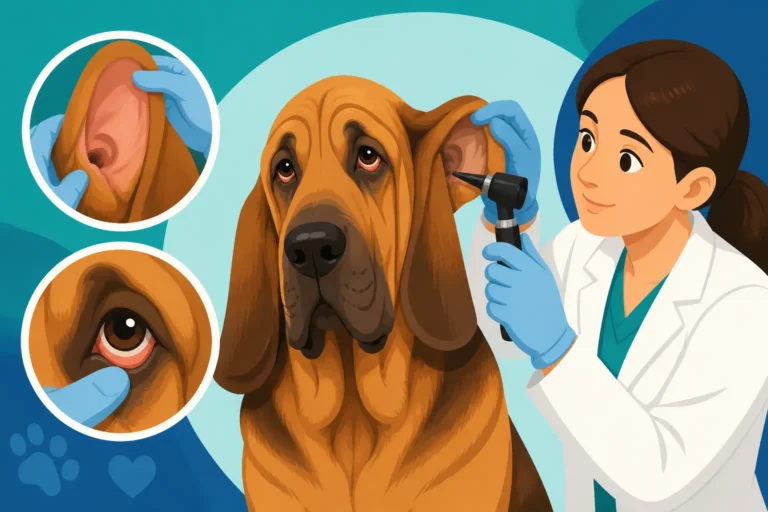
Before any surgery, a thorough examination is paramount. For cherry eye, this means not just assessing the prolapsed gland but also conducting a comprehensive eye exam. Your general practice veterinarian may perform this, or they might recommend a consultation with a board-certified veterinary ophthalmologist. An ophthalmologist has specialized equipment and expertise to evaluate the entire eye health, including tear production, corneal health, and the presence of other eyelid abnormalities.
This comprehensive evaluation helps confirm that cherry eye is indeed the primary issue, or if there are other underlying or concurrent conditions that should be considered. For example, they might test for dry eye even before surgery to establish a baseline, or note early signs of entropion that might become problematic later. This holistic approach ensures all bases are covered, leading to the best possible outcome for your Bloodhound. When your vet recommends a specialist, it's usually for the most precise diagnosis and treatment plan. You can consider Whether a Bloodhound's Eyelid Surgery Needs a Specialist for more information on specialist care.
Post-Operative Care and Long-Term Monitoring
As we discussed, diligent post-operative care is essential. But the journey doesn't end when the E-collar comes off. Long-term monitoring is crucial, especially for Bloodhounds. Keep a watchful eye on your dog's eyes for any signs of recurrence of the cherry eye or the development of new problems.
Signs to watch for include:
- Redness or Swelling: Any unusual inflammation in or around the eye.
- Discharge: Excessive tearing or unusual discharge from the eye.
- Squinting or Pawing: Indicating pain or irritation.
- Change in Appearance: If the "cherry" reappears, or if the eyelids start to roll in or out abnormally.
- Dryness: If the eye appears dull, lacks luster, or has thick, mucous-like discharge, it could be a sign of dry eye.
Regular veterinary check-ups are also important to catch any issues early. Be sure to mention any subtle changes you've noticed, even if they seem minor. Early detection often means easier and more successful treatment.
Preventative Measures and Daily Care
While you can't entirely prevent genetic predispositions like cherry eye, you can take steps to maintain your Bloodhound's overall eye health and quickly address any developing issues.
- Daily Visual Checks: Make it a habit to look at your Bloodhound's eyes every day. Check for redness, discharge, irritation, or any changes in appearance. This is part of Daily Eye Care for a Bloodhound.
- Gentle Cleaning: If your Bloodhound has discharge or debris around their eyes, gently wipe it away with a soft, damp cloth or a vet-approved eye cleaner. Avoid rubbing the eye itself.
- Environmental Management: Protect your Bloodhound from irritants like dust, strong winds (especially when riding in the car), and harsh chemicals. If they spend a lot of time outdoors in dusty or brushy environments, consider protective eyewear (like dog goggles) if they tolerate it.
- Balanced Diet: A healthy diet supports overall health, including eye health. Brands like Ollie provide fresh, balanced meals that can contribute to your Bloodhound's general well-being.
- Regular Vet Visits: Don't skip those annual check-ups. Your vet can spot subtle signs of eye problems that you might miss.
By being vigilant and proactive, you can significantly contribute to your Bloodhound's comfort and long-term ocular health, even with their unique anatomical challenges.
Comparison of Common Bloodhound Eye Conditions
To help visualize how different eye conditions in Bloodhounds are typically approached, here's a brief comparison:
| Condition | Description | Often Standalone Procedure? | Potential Concurrent Issues | Typical Treatment |
|---|---|---|---|---|
| Cherry Eye | Prolapse of the third eyelid gland | Yes | Ectropion, mild irritation | Surgical tucking/repositioning of the gland |
| Ectropion | Lower eyelid rolls outward, exposing inner lid | Yes | Chronic irritation, dryness | Surgical tightening/reconstruction of the eyelid |
| Entropion | Eyelid rolls inward, causing lashes to rub the cornea | Yes | Corneal ulcers, pain | Surgical correction to roll the eyelid outward |
| Dry Eye (KCS) | Insufficient tear production | Yes | Corneal ulcers | Lifelong eye drops (stimulate tear production), surgery in severe cases |
| Corneal Ulcer | Open sore on the surface of the eye | Can be (if minor) | Entropion, dry eye, trauma | Eye drops (antibiotics/pain), surgery for deep ulcers |
While the chart illustrates the common approach, remember that every Bloodhound is an individual, and a comprehensive veterinary examination is always necessary to determine the best course of action. The key takeaway is that cherry eye surgery is specifically for the prolapsed gland, and while other issues might be present or develop, they would generally be treated as separate, distinct concerns requiring their own diagnostic and treatment plans.
Disclaimer
This article is for general informational purposes only and does not constitute professional advice. Laws, prices and regulations vary by location and change over time. Consult a qualified professional for guidance on your specific situation.