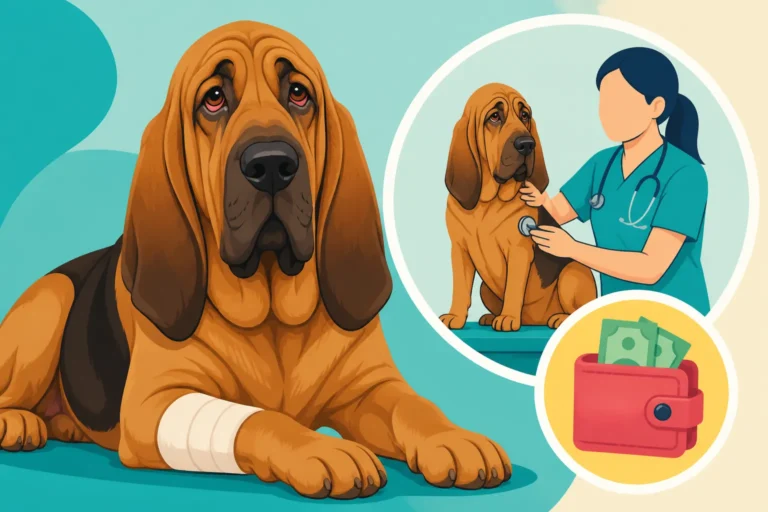
Whether a Bloodhound Owner Can Finance Emergency Surgery
Facing an emergency with your beloved Bloodhound is a terrifying experience, and one of the most immediate anxieties, right after your dog's health, is how you'll manage the often-astronomical veterinary bills. Many owners find themselves completely blindsided by the financial strain, feeling helpless when their furry family member needs urgent, life-saving care. This guide dives deep into the options available for Bloodhound owners when unexpected, high-cost emergency surgeries arise, helping you understand how to navigate the financial strain during such a critical time and what steps you can take both immediately and proactively.
The Harsh Reality of Bloodhound Emergency Surgery Costs
Let's be honest, owning a Bloodhound is a commitment, not just in time and love, but financially. These magnificent hounds, with their deep chests, long ears, and soulful eyes, are unfortunately prone to certain health issues that can, without warning, become incredibly expensive emergencies. It's a truth that hits hard when you're standing in an emergency vet clinic at 2 AM, faced with a diagnosis that demands immediate action and an eye-watering estimate.
Why Bloodhound Emergencies are Often Costly
Bloodhounds, more than many other breeds, are predisposed to specific, life-threatening conditions that often require urgent surgical intervention. Gastric Dilatation-Volvulus (GDV), more commonly known as bloat, is a prime example. This condition, where the stomach twists, is an absolute medical emergency that can kill a dog within hours if not addressed surgically. The procedure itself, including anesthesia, surgical staff, and post-operative care, runs into thousands of dollars. It’s not just the surgery; it’s the intense diagnostics leading up to it, the specialized drugs, and the round-the-clock monitoring required afterward. You can read more about What Emergency Bloat Surgery Costs on a Bloodhound to get a clearer picture of the financial scale.
Beyond bloat, Bloodhounds are susceptible to chronic ear infections due to their long, heavy ears, which, if left untreated or become severe, can sometimes lead to surgical interventions like a total ear canal ablation, especially if the ear canal itself becomes permanently damaged. Eye issues, such as entropion or ectropion, can also require surgery to prevent vision loss and discomfort. While not always emergency, if a corneal ulcer develops rapidly from an untreated eyelid issue, it quickly becomes urgent. These aren't minor expenses; they're substantial financial events that often come with no warning.
The Sticker Shock of Veterinary Bills
When you get that estimate at the emergency vet, it's rarely just one line item. The bill for emergency surgery is a complex tapestry of services and supplies, each adding to the final sum. You'll see charges for the initial emergency exam, blood work, radiographs, potentially an ultrasound, intravenous fluids, pain medication, antibiotics, and then the actual surgical fee itself. This surgical fee encompasses the surgeon's time, the use of the operating room, and the specialized equipment.
Post-operative care is another significant component. Your Bloodhound will likely need to stay hospitalized for several days, receiving constant monitoring, further medications, and IV fluids. Night differential charges often apply, making those middle-of-the-night emergencies even more expensive. It's truly a moment of intense stress, where you're grappling with your beloved dog's health while simultaneously calculating how you'll cover a bill that might resemble a small car payment. Understanding What a Bloodhound's Bloat Surgery Bill Comes To really highlights how quickly these costs can escalate.
Immediate Solutions When Crisis Strikes
When you're caught in the whirlwind of a Bloodhound emergency, the need for immediate funds is paramount. You don't have time to wait for loan approvals or insurance claim processing; your dog needs help now. This is where a few critical options come into play, each with its own advantages and potential drawbacks.
Tapping into Your Emergency Savings
In a perfect world, every pet owner would have a dedicated emergency fund specifically for their animals. This is, without a doubt, the cleanest and least stressful way to handle unexpected vet bills. An emergency fund means you can focus solely on your Bloodhound's recovery, without the added burden of worrying about how you’re going to pay. While we often preach the importance of saving for a rainy day, it's easy for life to get in the way, and many people find themselves without that financial safety net when they need it most.
However, if you do have savings set aside, whether it’s a general emergency fund or one specifically for your pet, this is the moment to utilize it. There’s no interest to pay back, no credit applications, just immediate access to the funds your Bloodhound needs. It alleviates an immense amount of stress during an already traumatic time. It’s why experts often recommend having a liquid fund, perhaps around How Much a Bloodhound Owner Should Keep Liquid, specifically for such scenarios.
The Pros and Cons of Personal Credit Cards
For many, personal credit cards become the default immediate solution when faced with a sudden, high vet bill. The biggest pro, of course, is instant access to funds. If you have available credit, you can use it right away, allowing your Bloodhound to get the necessary treatment without delay. This can be a lifesaver in a true emergency.
However, the cons can be significant. Standard credit cards often come with high interest rates, meaning that if you can't pay off the balance quickly, the cost of your Bloodhound's surgery could increase substantially over time. It's vital to consider your ability to repay. If you're going to use a credit card, try to put together a solid plan for paying it down as quickly as possible to minimize interest accrual. Be wary of opening a new card just for the emergency if your credit isn't stellar, as the approval process might not be fast enough, and the rates could be punitive.
Borrowing from Friends or Family
In times of desperate need, turning to your personal network can be a viable option. Friends and family who care about you and your Bloodhound might be willing to lend you the money, often without interest or with very flexible repayment terms. This can provide a huge relief, allowing you to bypass the complexities and costs associated with traditional lending.
The key to making this work without damaging relationships is clear communication. Be upfront about the amount you need, when and how you plan to repay it, and if possible, put it in writing. Even a simple, informal agreement can prevent misunderstandings down the road. Remember, while it feels like a personal favor, it's still a financial transaction that should be treated with respect and diligence.
Understanding Veterinary-Specific Financing Programs
Beyond your own resources, specialized financial tools exist that are designed specifically for veterinary and medical expenses. These programs can bridge the gap between what you have on hand and the full cost of an emergency surgery, offering terms that are often more favorable than a standard credit card.
How Vet-Specific Credit Works
Companies like CareCredit are specifically tailored for health and wellness expenses, including veterinary care. They function much like a credit card but are accepted primarily by healthcare providers. The major draw of these programs is often their promotional financing offers, which can include interest-free periods if the balance is paid in full within a set timeframe (e.g., 6, 12, or 18 months). This can be a game-changer for a Bloodhound owner facing a large, unexpected bill.
Applying for these cards is usually straightforward, often with an online application that provides an instant decision. This speed is crucial in an emergency situation, allowing you to make financial arrangements while your Bloodhound is being prepped for surgery. Many veterinary clinics are already partners with these financing providers, making the process even smoother during a stressful time.
Navigating Approval and Terms
While vet-specific credit offers attractive promotional periods, it's essential to understand the fine print. Approval is still based on your credit score and financial history, so not everyone will qualify, or they might qualify for different terms. If you don't pay off the entire balance before the promotional period ends, you'll likely be hit with deferred interest, meaning interest is calculated from the original purchase date, which can quickly inflate your balance.
Always read the terms and conditions carefully. Understand the standard interest rate that kicks in after the promotional period, as well as any fees. These programs are an excellent tool when used responsibly and with a clear plan for repayment within the interest-free window. They provide immediate access to necessary funds without the immediate burden of high interest, but they demand discipline.
Comparing Options for Your Bloodhound's Care
When you're presented with a bill, it's wise to quickly assess which financial tool makes the most sense for your situation. Here’s a quick overview of common financing avenues:
| Financing Option | Pros | Cons | Best For |
|---|---|---|---|
| Emergency Fund | Immediate, no interest, no credit check. | Requires prior savings, may not be available for everyone. | Owners with sufficient savings for unexpected large expenses. |
| Personal Credit Card | Immediate access, flexible use, potential for rewards. | High interest rates if not paid quickly, can impact credit score. | Short-term borrowing, if you can pay off the balance quickly. |
| Vet-Specific Credit | Promotional interest-free periods, instant approval, widely accepted. | Deferred interest if not paid in full, credit-based approval. | Mid-range expenses, if you can commit to paying off within the promotional period. |
| Pet Insurance | Reimbursement for covered costs, peace of mind, budget predictability. | Upfront payment required, waiting periods, pre-existing conditions. | Long-term protection, especially for chronic issues and future emergencies, ideally enrolled before issues arise. |
This table can help you make a quick, informed decision during a crisis, allowing you to choose the path that aligns best with your financial health and your Bloodhound's immediate needs.
The Role of Pet Insurance in Bloodhound Emergencies
For many Bloodhound owners, pet insurance isn't just a nice-to-have; it's a financial lifeline that can make the difference between approving life-saving surgery and making an agonizing decision. While it requires foresight and regular premiums, its value truly shines when an emergency strikes.
The Lifeline of a Good Policy
Imagine this scenario: your Bloodhound, known for its playful if clumsy demeanor, suddenly shows signs of bloat. You rush to the emergency vet, and they confirm GDV, requiring immediate surgery. Instead of immediately panicking about the thousands of dollars, you can breathe a small sigh of relief knowing your pet insurance policy is in place. Pet insurance works by reimbursing you for a percentage of eligible veterinary expenses after you've met your deductible. This means that while you typically pay upfront, you'll get a significant portion back, making those massive bills much more manageable.
A robust policy can offer immense peace of mind, knowing that your Bloodhound can receive the best possible care without you having to make financial compromises. Companies like Healthy Paws are well-known for their comprehensive coverage, which can be invaluable for a breed with specific health predispositions. Having a policy in place means you can focus on your dog's recovery rather than scrambling to find funds. It's worth researching What Insurance Will and Will Not Cover on a Bloodhound to understand the nuances.
Understanding Deductibles, Reimbursement, and Caps
To fully leverage pet insurance, it’s crucial to understand its core components. The deductible is the amount you pay out of pocket before your insurance starts reimbursing you. This can be annual or per-incident, depending on your policy. Reimbursement levels determine the percentage of covered costs the insurer pays back, typically ranging from 70% to 90%. So, if you have an 80% reimbursement level and a $1,000 bill after your deductible, you'd get $800 back. Finally, many policies have annual or lifetime caps, which are the maximum amounts the insurer will pay out over a year or over the dog's life.
A critical consideration for Bloodhounds is pre-existing conditions. Most policies will not cover conditions that were present before the policy started or during a waiting period. This means if your Bloodhound already has a documented history of, say, The Four Eye Problems a Bloodhound Is Born Toward or Hip and Elbow Dysplasia in the Bloodhound, those specific issues might be excluded from coverage. This is why enrolling your Bloodhound as a puppy, before any health issues arise, is highly recommended. You can learn more about Whether Insuring a Bloodhound Puppy Early Is Cheaper and why it's a smart long-term strategy.
What to Look For in a Bloodhound-Friendly Policy
When selecting pet insurance for your Bloodhound, you need to consider the breed’s unique health profile. Look for policies that offer strong coverage for conditions common in Bloodhounds, such as bloat (GDV), hip and elbow dysplasia, eye conditions (entropion, ectropion), and chronic ear infections. Some policies may have specific exclusions or lower caps for these breed-specific ailments, so read the policy documents meticulously.
Beyond specific conditions, consider the customer service reputation of the insurer and their claims process. You want a company that is responsive and efficient when you're in an emergency situation. Providers like Healthy Paws, with their robust offerings, are often a good starting point for research. Ensure the policy covers emergency visits, specialist consultations, and hospitalization. Don't be afraid to call and ask detailed questions about how they handle claims for conditions your Bloodhound is prone to; it’s an investment that can truly pay off.
Exploring Alternative Financial Avenues
Even with emergency funds, credit, and pet insurance, sometimes the costs are still daunting, or you might find yourself without all those safety nets. It’s important to know there are other avenues for financial assistance, often from unexpected sources, that can help lighten the load during a tough time.
Assistance Programs and Charities
A surprising number of non-profit organizations and charities exist specifically to help pet owners with vet bills, especially for emergency or life-saving procedures. These programs often have specific eligibility requirements, such as income limitations or requiring a specific diagnosis, but they can provide grants that don't need to be repaid. Many are disease-specific, while others are broader. For instance, there are organizations dedicated to helping with cancer treatment costs, or those focused on specific breeds.
Your local animal shelters or humane societies might also have emergency funds or be able to point you toward local resources. Breed-specific rescue groups, like those associated with the American Bloodhound Club, sometimes maintain emergency funds for Bloodhounds in need. It requires a bit of research and application time, but these programs can offer a much-needed financial boost when you're feeling overwhelmed. Don't be afraid to ask your veterinary team if they know of any local or national programs that could apply to your Bloodhound's situation.
Crowdfunding Platforms
In the age of social media, crowdfunding has become a popular and effective way for individuals to raise money for various causes, including pet medical emergencies. Platforms like GoFundMe allow you to create a campaign, share your Bloodhound's story, and solicit donations from friends, family, and even sympathetic strangers. The power of a shared network can be incredible, and many people are genuinely moved to help when a beloved pet is in crisis.
While crowdfunding can be highly effective, it does require effort on your part. You'll need to share your campaign widely, provide regular updates, and be transparent about your Bloodhound's condition and the funds needed. It also helps if you have a strong social media presence or a supportive community. Beyond the financial aspect, these platforms can also provide a huge emotional support system, connecting you with others who understand the bond you share with your Bloodhound.
Discussing Payment Plans Directly with Your Vet
While less common for true emergencies where immediate payment or a substantial deposit is required, it’s always worth having an open conversation with your veterinary clinic about payment options. Some clinics, particularly those where you have an established relationship, might be willing to work out an internal payment plan for a portion of the bill, especially for follow-up care or less urgent, but still significant, procedures.
It's important to remember that veterinary clinics are businesses, and they have their own operational costs. They cannot always afford to offer extensive payment plans, especially for large emergency bills. However, during a less critical phase of care, or if you can cover a significant portion upfront, they might be more flexible. Always ask respectfully and be prepared to discuss your financial situation openly. You might be surprised at the compassion and willingness to help you find a solution.
Proactive Planning to Safeguard Your Bloodhound's Future
The best way to handle a Bloodhound emergency is to be prepared before it happens. While we can’t predict every twist and turn of life, we can certainly put strategies in place that make the financial impact of a health crisis far less devastating. Proactive planning is not just about saving money; it’s about ensuring your Bloodhound receives the care it needs, when it needs it.
Building a Dedicated Pet Emergency Fund
We've touched on this before, but it bears repeating: a dedicated pet emergency fund is your strongest defense against unexpected veterinary costs. Think of it as an insurance policy you pay into yourself, with no deductibles, no reimbursement rates, and no waiting periods. Start small, perhaps by setting up an automatic transfer of a modest amount from your checking account to a separate savings account each payday. Even $20 or $50 a week adds up quickly.
Having this fund means that when your Bloodhound needs urgent care, you can make decisions based solely on what's best for their health, not on your ability to pay. Consider it an essential part of responsible Bloodhound ownership, as important as quality food and regular exercise. It provides unparalleled peace of mind. You might even find it makes sense to bank the savings from a preventive procedure, as discussed in Whether a Bloodhound Owner Should Bank the Gastropexy Savings, to build this fund.
Considering a Preventive Gastropexy
For breeds like the Bloodhound, which are at a significantly elevated risk for bloat, a preventive gastropexy can be a literal lifesaver and a financial game-changer. A gastropexy is a surgical procedure that tacks the stomach to the abdominal wall, preventing it from twisting. While it doesn't prevent the stomach from dilating (filling with gas), it drastically reduces the risk of the more dangerous volvulus (twisting), which is what makes bloat so deadly and costly.
Elective gastropexy, often performed at the same time as a spay or neuter, is significantly less expensive and much safer than emergency bloat surgery. This single proactive decision can save you thousands of dollars in a future emergency, not to mention sparing your Bloodhound immense suffering and potentially saving its life. It's a prime example of how an upfront, planned expense can avert a far larger, more stressful, and costly crisis down the line. To learn more, check out The Case for Tacking a Bloodhound's Stomach Down Early and What a Preventive Gastropexy Costs on a Bloodhound.
The Power of Regular Health Screenings
Preventative care is always cheaper than emergency care. Regular veterinary check-ups for your Bloodhound allow your vet to catch potential issues early, before they escalate into full-blown emergencies requiring costly surgeries. This includes routine physical exams, vaccinations, parasite control, and breed-specific screenings. For Bloodhounds, this means being diligent about ear cleaning and monitoring for eye issues, as well as being aware of early signs of orthopedic problems.
Reputable Bloodhound breeders will often perform health screenings on their breeding stock for conditions like hip and elbow dysplasia, as well as certain eye and heart conditions. It's crucial for owners to continue this proactive approach throughout their dog's life. The American Bloodhound Club provides excellent guidelines on What the American Bloodhound Club Asks Breeders to Screen, and this information can guide your conversations with your vet about ongoing preventative care. Even simple things like ensuring your Bloodhound gets high-quality food, perhaps through convenient services like Chewy or Ollie, can contribute to overall health and potentially prevent diet-related issues that might lead to vet visits. By staying ahead of potential problems, you not only ensure a healthier, happier life for your Bloodhound but also protect your wallet from unforeseen, major expenses.
Disclaimer
This article is for general informational purposes only and does not constitute professional advice. Laws, prices and regulations vary by location and change over time. Consult a qualified professional for guidance on your specific situation.