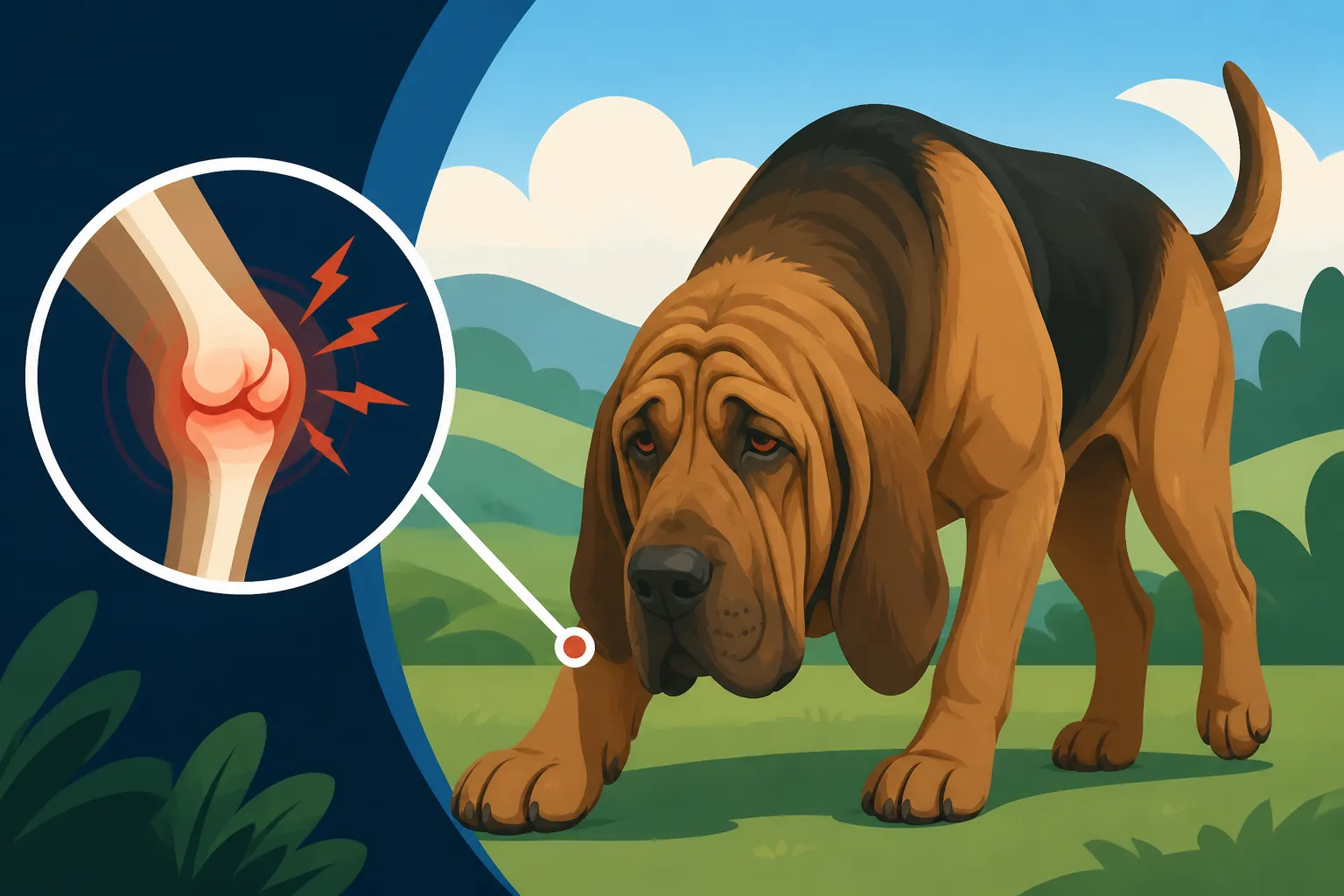
Whether Arthritis Slows a Bloodhound at Six
It's heartbreaking to see your usually robust Bloodhound, who once bounded with tireless enthusiasm, start to slow down. When they hit that six-year mark, many owners wonder if this newfound stiffness or reluctance to play is just a normal part of aging. While some slowing is natural, often, what you’re witnessing is the subtle, insidious creep of arthritis, a common and often painful condition that demands our attention and care. This guide will walk you through recognizing and managing arthritis in your beloved Bloodhound as they approach their senior years.
Understanding Arthritis in Bloodhounds at Six Years Old
Arthritis, or osteoarthritis, is a degenerative joint disease characterized by the breakdown of cartilage within the joints. This protective cartilage, which acts as a cushion between bones, wears down over time, leading to bone-on-bone friction, inflammation, and pain. For a breed as large and weighty as a Bloodhound, hitting the six-year mark often coincides with the onset or noticeable progression of this condition.
At six years old, a Bloodhound is generally considered to be entering its senior years. This age isn't just a number; it's a physiological shift where the wear and tear of years of active life begin to manifest more prominently. Their impressive size and substantial weight put significant stress on their joints, particularly their hips, elbows, and spine, which are already predisposed to issues like Hip and Elbow Dysplasia in the Bloodhound. If your Bloodhound had any underlying joint instabilities from puppyhood, even if they never seemed to bother them much before, six years old is often when these issues catch up and develop into full-blown arthritis. It's not uncommon for owners to suddenly see a noticeable decline, mistaking it for just "getting old" when in reality, it's a manageable medical condition.
Recognizing the Subtle Signs of Arthritis in Your Six-Year-Old Bloodhound
Bloodhounds are incredibly stoic animals. They were bred for tireless work, often ignoring discomfort to stay on a scent. This means they often hide their pain until it becomes quite severe, making it incredibly challenging for owners to spot the early signs of arthritis. You might not see obvious limping right away; instead, the signs can be much more subtle and easily dismissed as normal aging.
One of the first things you might notice is a change in their morning routine. Does your Bloodhound take longer to get up after a nap? Do they seem stiff when they first stand, perhaps with a slight wobble or a slower pace for the first few steps? This "warm-up" stiffness is a classic early sign. You might also observe a reluctance to do things they once loved, like jumping into the car, tackling stairs, or even greeting you with their usual enthusiastic pounce. They might hesitate at curbs or opt for a longer, flatter route on walks. Sometimes, the change is simply a decrease in their overall activity level or a lack of interest in prolonged play sessions.
Behavioral changes can also be a tell-tale sign. An arthritic Bloodhound might become a bit grumpier, less tolerant of handling, or even snap if touched in a painful area. They might spend more time grooming or licking at a specific joint, trying to soothe the discomfort. Their sleeping patterns might change, perhaps finding it harder to get comfortable or waking more frequently. Pay close attention to their gait; rather than a fluid, powerful stride, you might notice a slightly shorter stride, a bit more shuffling, or a subtle favoring of one leg. Even shifts in weight, where they put more pressure on one side to alleviate pain on the other, can indicate discomfort. Observing these small, often overlooked cues is crucial for early intervention.
Managing Arthritis: Practical Steps to Support Your Aging Bloodhound
Once you suspect arthritis, the good news is there's a lot you can do to help your Bloodhound maintain a good quality of life. Management is multi-faceted, involving veterinary care, environmental adjustments, and careful exercise.
Veterinary Diagnosis and Treatment Options
Your first step should always be a visit to your veterinarian. They can perform a thorough physical examination, feeling for joint swelling, decreased range of motion, and pain response. Often, X-rays are recommended to confirm the presence and severity of arthritis, which allows the vet to see the joint spaces and any bone changes.
Once diagnosed, your vet will work with you to create a tailored treatment plan. Non-steroidal anti-inflammatory drugs (NSAIDs) are a cornerstone of pain management, helping to reduce inflammation and pain. Medications like carprofen (Rimadyl), meloxicam (Metacam), or robenacoxib (Onsior) are commonly prescribed. Sometimes, other pain relievers like gabapentin are added, especially for chronic pain. Beyond daily medications, a range of other treatments exist. Injectable joint supplements, such as polysulfated glycosaminoglycans (PSGAGs), can help protect cartilage and reduce inflammation. Regenerative therapies like Platelet-Rich Plasma (PRP) or stem cell therapy are becoming more accessible, offering potential long-term relief by promoting healing within the joint. Acupuncture and laser therapy are also options gaining traction for their pain-relieving benefits. It's a journey, and what works best for one Bloodhound might not be ideal for another, so open communication with your vet is key.
Environmental Adjustments for Comfort
Making your home arthritis-friendly can significantly improve your Bloodhound's daily comfort. Think about where they rest: a firm, orthopedic bed that supports their joints and prevents pressure sores is a must-have. Brands like Big Barker and K9 Ballistics offer excellent options designed for large breeds. Place these beds in easily accessible, warm areas, away from drafts.
Consider their movement around the house. Slick floors can be incredibly challenging and even dangerous for arthritic dogs, leading to slips and further injury. Lay down non-slip mats or runners, especially in high-traffic areas or where they need to get up from rest. Ramps can be invaluable for helping them get into and out of cars, onto furniture (if they're allowed), or navigating stairs if stairs are unavoidable. Small adjustments, like providing an elevated food and water bowl, can reduce strain on their neck and front legs during mealtime. This simple change can make a big difference in their comfort, though it's worth noting some studies suggest that for bloat-prone breeds like Bloodhounds, elevated bowls may slightly increase bloat risk, so discuss this with your vet in the context of your dog's specific health. For more on feeding to prevent bloat, you can check out Feeding a Bloodhound So It Does Not Bloat.
Gentle Exercise and Weight Management
Exercise is a delicate balance for arthritic Bloodhounds. Too much can exacerbate pain and inflammation, but too little can lead to muscle loss, stiffness, and weight gain, making the problem worse. The goal is consistent, low-impact activity. Short, frequent walks on soft surfaces like grass are far better than one long, strenuous hike. Swimming is often an ideal exercise because it provides excellent cardiovascular and muscle conditioning without putting stress on the joints. Even just 10-15 minutes of gentle movement a few times a day can help keep their joints mobile and muscles strong.
Perhaps one of the most impactful things you can do for an arthritic Bloodhound is to maintain a lean body condition. Every extra pound puts additional strain on already compromised joints. Even a modest weight loss can lead to a significant improvement in comfort and mobility. Your vet can help you determine an ideal weight and calculate a feeding plan. This often involves reducing calorie intake and increasing gentle exercise. This isn't just about aesthetics; it's a critical component of pain management and improving their quality of life. For detailed advice on this, consider reading Keeping a Bloodhound Lean on Purpose.
Here's a quick overview of symptoms and corresponding management strategies:
| Symptom Category | Specific Manifestations | Management Strategies |
|---|---|---|
| Mobility Changes | Stiffness after rest, difficulty rising, reluctance for stairs/jumps, decreased activity, limping | NSAIDs, joint supplements, ramps, orthopedic beds, gentle exercise, weight management, physical therapy |
| Pain & Discomfort | Licking/chewing joints, flinching when touched, grumpiness, changes in posture, reduced enthusiasm | Pain medication (NSAIDs, gabapentin), laser therapy, acupuncture, warm compresses, soft bedding, regular vet check-ups |
| Behavioral Shifts | Increased irritability, withdrawal, reluctance to play or interact, changes in sleeping patterns | Address pain, provide quiet rest areas, maintain routine, gentle interaction, ensure comfort, consult vet for behavioral modifications if needed |
| Physical Signs | Muscle atrophy (especially in hindquarters), swollen joints, altered gait, weight shifts, difficulty balancing | Vet assessment (X-rays), strength-building exercises, massage, supportive harnesses, non-slip surfaces |
Proactive Care and Long-Term Outlook for Arthritic Bloodhounds
Living with an arthritic Bloodhound means embracing a proactive approach to their care. It’s about being observant, consistent, and always ready to adapt. While arthritis is a progressive condition, it doesn't mean a diminished life; it means a managed one.
The Role of Nutrition and Supplements
Beyond maintaining a healthy weight, specific nutritional components and supplements can play a significant role in managing arthritis. Many high-quality large breed dog foods are now formulated with joint health in mind, often containing higher levels of omega-3 fatty acids, glucosamine, and chondroitin. Omega-3s, particularly EPA and DHA, are powerful natural anti-inflammatories that can help reduce joint pain. You might find them as fish oil supplements or in specific veterinary diets.
Supplements containing glucosamine and chondroitin are widely used, believed to help support cartilage health and reduce its breakdown. Other ingredients like MSM (methylsulfonylmethane) and green-lipped mussel extract also show promise in reducing inflammation and supporting joint function. Always discuss any supplements with your veterinarian before adding them to your Bloodhound's regimen, as they can sometimes interact with medications or not be suitable for all dogs. A holistic approach to their diet can significantly support their joints from the inside out.
Quality of Life and When to Re-evaluate
Managing arthritis in a Bloodhound is a long-term commitment. It requires continuous monitoring of their comfort levels, pain, and overall quality of life. What works today might need adjustment in six months or a year as the disease naturally progresses. Regular check-ups with your vet are essential, typically every 3-6 months, to assess their pain management plan, check for new issues, and make necessary changes.
It’s crucial to be honest with yourself and your vet about your Bloodhound's happiness and ability to engage in activities they enjoy, even if modified. Arthritis will rarely take away their incredible nose, so activities like scent work, even modified in a home environment, can still provide immense mental stimulation. Consider reading Mantrailing Is the Answer to a Bloodhound, Not Obedience for ideas on engaging their natural talents.
The financial aspect of long-term care for arthritis can also be a concern. Medications, supplements, and specialized therapies can add up. This is where pet insurance, like policies from Healthy Paws, can be invaluable. Many owners find that having a good pet insurance plan helps them make care decisions based on what's best for their Bloodhound, rather than solely on cost. It’s worth exploring options like Healthy Paws when your Bloodhound is younger, before pre-existing conditions like arthritis might be excluded. For a deeper dive into financial planning for your Bloodhound's health, check out Whether Pet Insurance Is Worth It on a Bloodhound.
Ultimately, your goal is to keep your Bloodhound as comfortable and happy as possible for as long as possible. Their profound loyalty and unwavering spirit deserve nothing less than our diligent care as they age.
Disclaimer
The information provided in this article is for educational purposes only and is not intended to be a substitute for professional veterinary advice, diagnosis, or treatment. Always seek the advice of your veterinarian or other qualified animal health provider with any questions you may have regarding a medical condition.