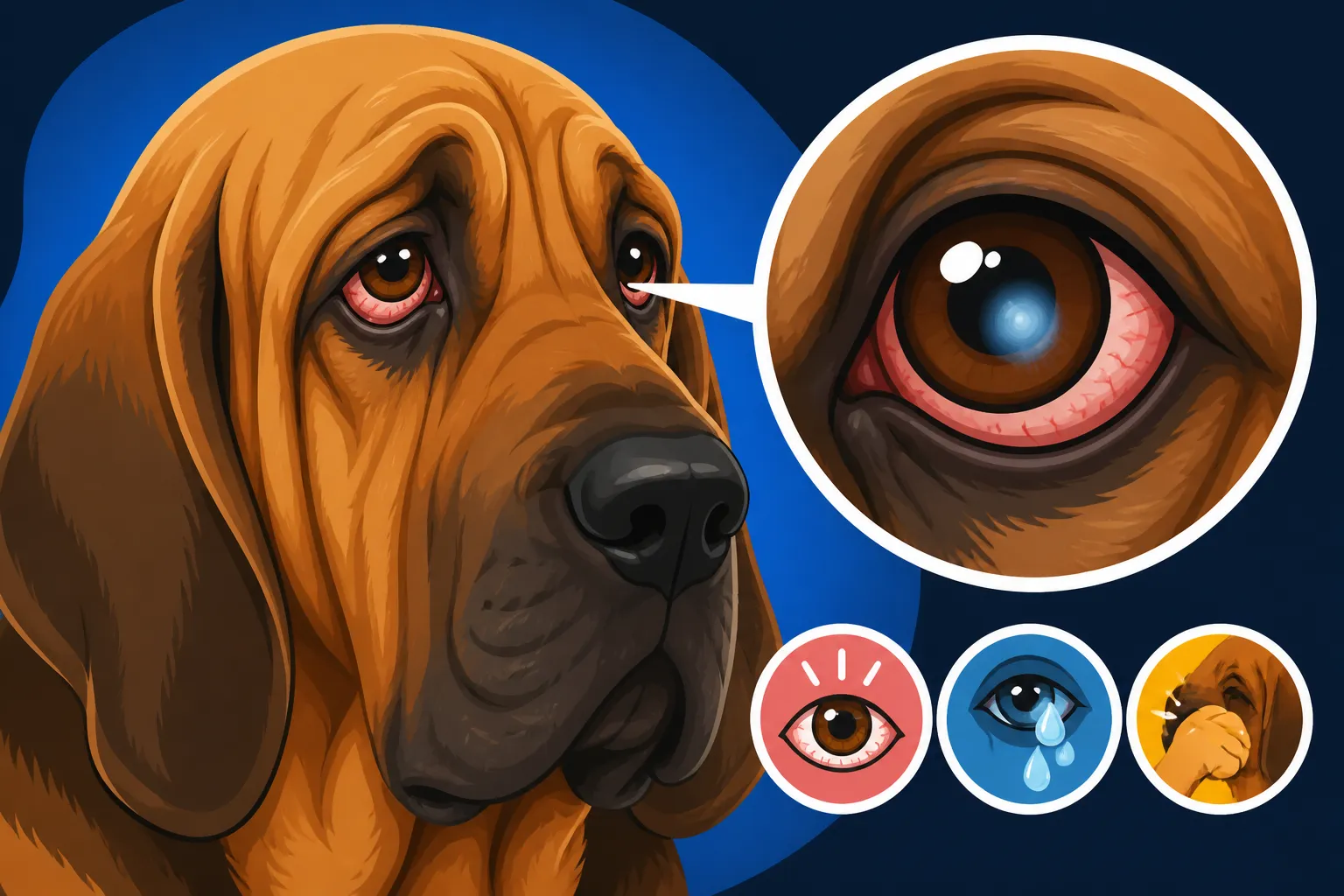
Signs a Bloodhound Has a Corneal Ulcer
It’s truly heartbreaking when your magnificent Bloodhound, with those soulful, expressive eyes, starts showing signs of discomfort. Anyone who's owned these wonderful hounds knows their eyes are a delicate feature, prone to various issues that can cause a lot of worry for us owners. When you see your big buddy squinting or pawing at their face, a corneal ulcer is one of those serious concerns that often jumps to mind. This guide will walk you through what a corneal ulcer is, the tell-tale signs to look for, and why quick action is absolutely essential for your Bloodhound’s vision and comfort.
Understanding What a Corneal Ulcer Is in Your Bloodhound
First things first, let's talk about what we're dealing with. The cornea is the clear, outermost layer at the front of your Bloodhound’s eye, essentially like the clear windowpane that covers the iris and pupil. It’s incredibly important because it protects the inner structures of the eye and helps focus light for vision. When we talk about a corneal ulcer, we're referring to an open sore or wound on this protective layer. Think of it like a scrape or an abrasion on your own skin, but on a much more sensitive and critical part of the body.
Bloodhounds, bless their hearts, are particularly susceptible to eye problems, and corneal ulcers are unfortunately quite common in the breed. Their characteristic loose skin, deep-set eyes, and long, pendulous ears all contribute to potential issues. The very features that make them so unique and beloved can, at times, become a source of trouble. Their droopy lower eyelids, for instance, can expose more of the eye to the environment, making it easier for foreign objects to get in.
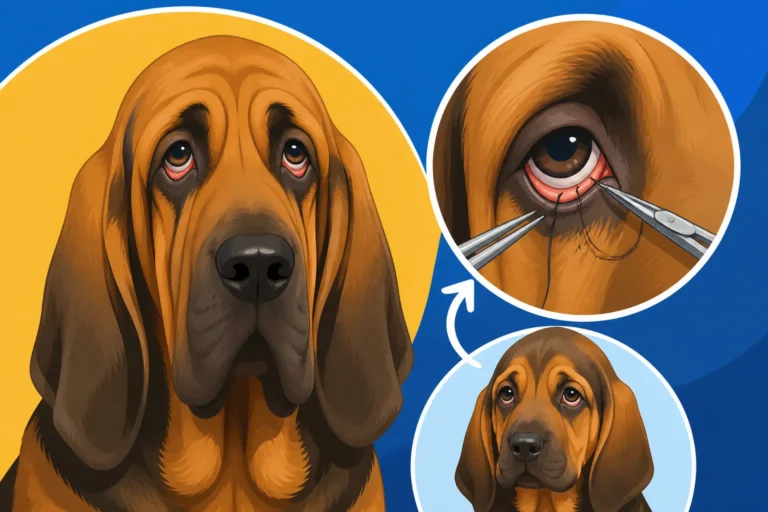
These ulcers can form for a variety of reasons. Sometimes it's something as simple as a piece of dust or grit getting blown into the eye on a windy day, or a playful paw swipe going a bit too far and scratching the surface. Other times, they can be caused by more insidious issues like an ingrown eyelash, chemical irritants, or even bacterial or fungal infections. Breeds like Bloodhounds are also prone to conditions like entropion, where the eyelid rolls inward, causing eyelashes to constantly rub against the cornea, or ectropion, where the lower lid sags and can lead to chronic exposure and irritation. Both of these conformational issues can predispose a Bloodhound to recurrent corneal ulcers, making preventative care or corrective surgery, as discussed in When a Bloodhound's Eyelids Need Surgery, a vital consideration.
Key Signs Your Bloodhound Might Have a Corneal Ulcer
Recognizing the signs of a corneal ulcer early can make a huge difference in the outcome for your Bloodhound. These aren't always subtle indicators, and your observant nature as a Bloodhound owner will be your best friend here. It's not just about looking directly at the eye, but also noticing changes in their behavior and overall demeanor.
Ocular Pain and Discomfort
One of the most immediate and noticeable signs of a corneal ulcer is pain. A healthy cornea has a rich supply of nerve endings, so any damage to it is going to be incredibly uncomfortable for your dog.
You'll likely see your Bloodhound squinting, which veterinarians refer to as blepharospasm. This isn't just a casual blink; it's a persistent, often intense clamping shut of the eyelids, sometimes only on the affected eye. They might be trying to protect the painful eye from light or further irritation. Along with squinting, you'll probably notice excessive tearing, or epiphora. The eye will water relentlessly as it tries to flush out whatever is causing the irritation, or simply as a reaction to the pain. This can lead to wetness and staining down their cheek, which might be particularly noticeable on a lighter-colored Bloodhound. Don't be surprised if your Bloodhound is also rubbing or pawing at their eye, trying to relieve the discomfort. While this is a natural reaction, it's also quite dangerous as they can inadvertently make the ulcer worse or introduce secondary infections, which only complicates matters. It’s crucial to prevent them from rubbing, perhaps with an Elizabethan collar, until they can see a vet.
Changes in Eye Appearance
Beyond the behavioral signs of pain, the eye itself will often give strong visual cues that something is amiss. A healthy Bloodhound eye should be clear and bright, but an ulcer can change that rapidly.
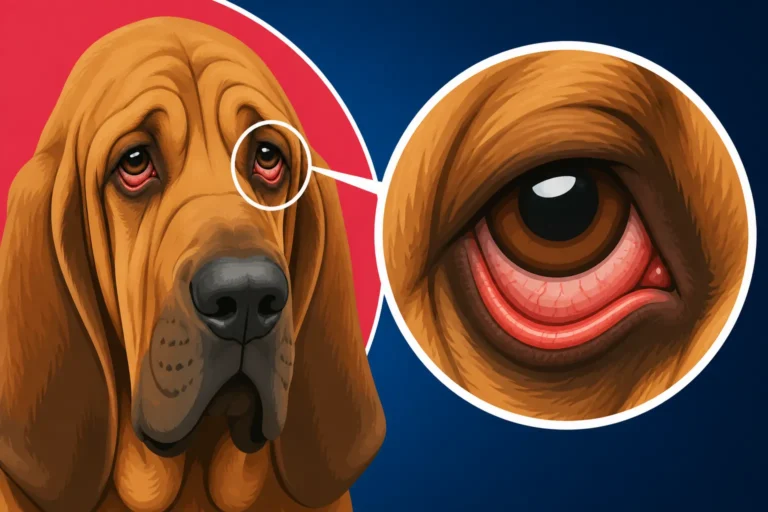
You'll probably see redness of the conjunctiva, the pink tissue lining the inside of the eyelids and covering the white part of the eye. This redness, often referred to as conjunctivitis, indicates inflammation and irritation. More specifically, look for cloudiness or a hazy appearance on the cornea itself. This might range from a subtle dullness to a distinctly opaque, bluish-white film over part of the eye. In some cases, if the ulcer is deep enough, you might even be able to spot a visible defect or divot on the surface of the cornea. It might look like a small crater or an irregular area where the surface isn't smooth. Sometimes, there might be swelling around the eye, making the eyelids look puffy or inflamed. This is another sign of significant irritation and potential infection. You might also notice discharge from the eye; while clear tearing is common, a yellowish or greenish discharge is a strong indicator of a secondary bacterial infection. This is a critical point for intervention, as infections can rapidly worsen and threaten vision. Many of the issues we see with Bloodhound eyes, including why the eyelids may need surgery twice (Whether a Bloodhound Needs Eyelid Surgery Twice), often stem from their unique facial structure, making careful observation key to their long-term health.
Behavioral Shifts
When a Bloodhound is in pain, especially from something as sensitive as an eye injury, it can affect their entire demeanor. They might not be able to tell you directly what's wrong, but their actions will speak volumes.
A Bloodhound suffering from a painful corneal ulcer might become noticeably lethargic or show a reduced interest in their usual activities. The typically enthusiastic greeting might be dampened, or they might just want to lie down and sleep more than usual. The joy they usually find in their daily walks or even just sniffing around the yard might be overshadowed by their discomfort. You might also notice a loss of appetite. Pain and discomfort can certainly put a damper on anyone's desire to eat, and a Bloodhound is no exception. If your food-motivated hound is turning up their nose at mealtime, it's a huge red flag that something serious is going on. Finally, they might start avoiding bright light, a condition known as photophobia. They might seek out darker rooms, hide under furniture, or keep their head turned away from windows. This is another instinctual response to protect a painful, sensitive eye from further irritation.
What to Do If You Suspect a Corneal Ulcer
If you notice any of these signs, the most important thing you can do is seek immediate veterinary attention. A corneal ulcer is not something to "wait and see" about. Even a seemingly minor scratch can quickly escalate into a severe infection or a deeper ulcer, potentially leading to permanent vision impairment or even loss of the eye if not treated promptly.
When you get to the vet, they will typically perform a full ophthalmic examination. One of the most common and effective diagnostic tools is a fluorescein stain test. This involves applying a special orange dye to the surface of the eye. If there's an ulcer, the dye will stick to the exposed deeper layers of the cornea, turning a bright green under a blue light. This allows your veterinarian to easily visualize the ulcer, determine its size, and assess its depth. They might also check tear production, eye pressure, and look for any foreign bodies or other underlying causes.
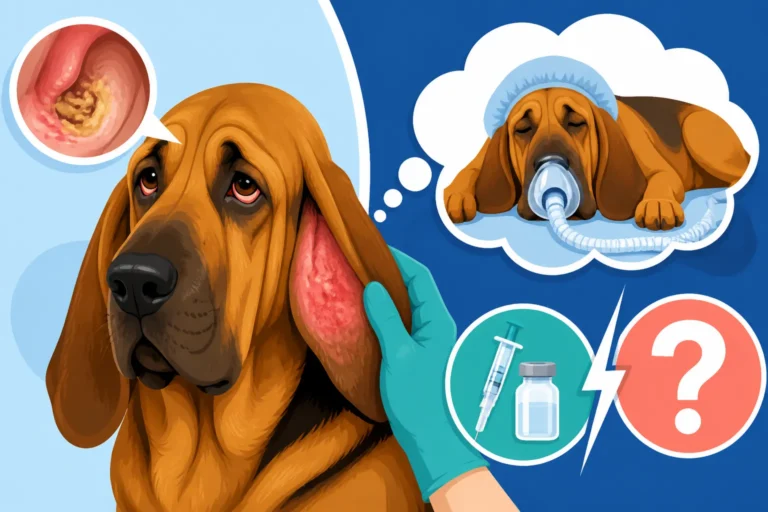
Treatment for a corneal ulcer depends entirely on its severity and cause. For simple, superficial ulcers, your vet will likely prescribe topical antibiotic eye drops or ointment to prevent infection, and possibly pain medication or atropine drops to dilate the pupil and reduce spasms, making your Bloodhound more comfortable. These drops need to be administered diligently, often several times a day, exactly as prescribed. If the ulcer is deeper or infected, more aggressive treatment might be necessary, potentially including systemic antibiotics, anti-inflammatories, or even a trip to a veterinary ophthalmologist. In very severe or non-healing cases, surgical intervention might be required. This could involve debridement to remove loose tissue, a grid keratotomy to encourage healing, or even conjunctival flap surgery where a piece of the conjunctiva is surgically attached over the ulcer to provide blood supply and support healing. The costs of these procedures can add up quickly, which is why having pet insurance like Healthy Paws can be a real lifesaver, covering a significant portion of unexpected veterinary bills. Learning about What Treating a Bloodhound's Corneal Ulcer Costs can help you prepare.
Follow-up care is just as crucial as the initial treatment. Your vet will want to recheck the eye frequently to monitor healing and adjust medications as needed. It’s a process that requires patience and dedication, but your Bloodhound's comfort and vision are absolutely worth it. This comprehensive approach is part of understanding the myriad of challenges, like The Four Eye Problems a Bloodhound Is Born Toward, that come with owning these wonderful dogs.
| Sign of Corneal Ulcer | Description | What It Looks Like | Urgency Level |
|---|---|---|---|
| Squinting (Blepharospasm) | Persistent closing or partially closing of the affected eyelid due to pain. | Your Bloodhound is noticeably keeping one eye shut, or mostly shut. | High |
| Excessive Tearing (Epiphora) | Constant watering of the eye, often leaving a wet streak down the cheek. | Tears running down their face, potentially staining the fur. | High |
| Redness of Conjunctiva | Inflammation of the pink tissues around the eye. | The white of the eye and inner eyelids appear distinctly red or bloodshot. | Moderate to High |
| Cloudiness/Haziness | A dull or opaque appearance on the clear surface of the eye. | A localized grey, white, or bluish film on the cornea. | High |
| Visible Defect/Divot | A noticeable indentation or rough spot on the cornea. | A small "crater" or irregular surface when looking closely at the eye. | Very High |
| Rubbing/Pawing at Eye | Your Bloodhound frequently touches or scratches the affected eye. | Repeatedly pawing at their face, rubbing against furniture, or on the ground. | High (can worsen injury) |
| Discharge (Yellow/Green) | Thick, colored discharge from the eye. | Pus-like material accumulating in the corner of the eye or along the lid. | Very High (sign of infection) |
| Light Sensitivity (Photophobia) | Avoiding bright lights, seeking dark areas. | Hiding, staying in dim rooms, turning head away from light sources. | Moderate |
| Lethargy/Loss of Appetite | General decrease in energy and interest in food. | Your normally active, hungry Bloodhound is quiet and not eating. | Moderate to High (indicates significant discomfort) |
Disclaimer
The information provided in this guide is intended for educational purposes only and should not be considered a substitute for professional veterinary advice. If you suspect your Bloodhound has a corneal ulcer or any other medical condition, please consult with a qualified veterinarian immediately. Early diagnosis and treatment are crucial for your pet's health and well-being.