How to Tell If a Bloodhound Has Been Gastropexied
Bringing a new Bloodhound into your life, whether as a puppy or an adult rescue, is incredibly exciting, but it also comes with a lot of questions about their health history and what preventative care might have already been done. One of the biggest anxieties for any Bloodhound owner is the risk of bloat, and knowing if your beloved hound has had a gastropexy can offer immense peace of mind, or prompt you to schedule this crucial procedure. This comprehensive guide will walk you through the physical and record-based clues to determine if your Bloodhound has been gastropexied, helping you understand their health status and plan for their future.
Understanding the Importance of Gastropexy for Bloodhounds
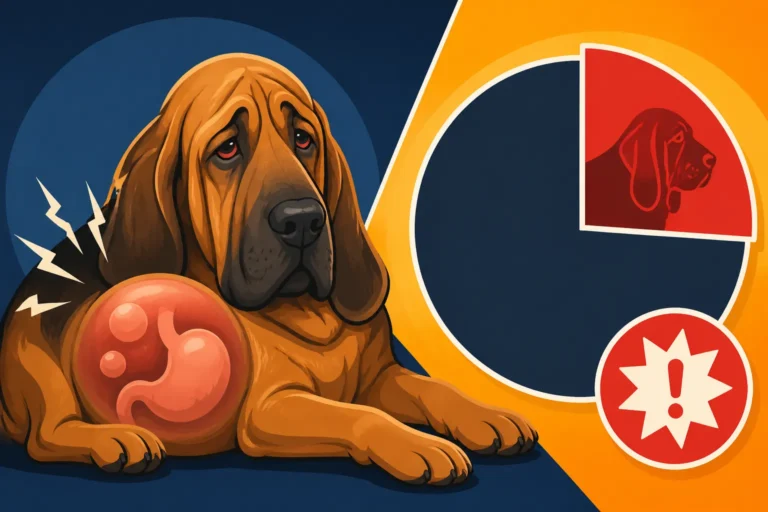
Before we dive into how to identify a gastropexy, it’s vital to understand why this procedure is such a significant topic for Bloodhound owners. These magnificent dogs, with their deep chests and often relaxed demeanor, are unfortunately predisposed to a life-threatening condition known as gastric dilatation-volvulus, or GDV, more commonly called bloat. This isn't just an upset stomach; it's a critical emergency where the stomach rapidly fills with gas and often twists, cutting off blood supply and quickly leading to shock and death.
The mere thought of bloat sends shivers down the spine of any Bloodhound guardian. It’s a terrifying race against time, where minutes can literally mean the difference between life and death. Because of this, a preventative measure like gastropexy becomes a beacon of hope, significantly reducing the most severe risks associated with bloat. Knowing whether your hound has had this surgery isn't just curiosity; it's essential information for their ongoing health and your peace of mind.
What Gastropexy Actually Does
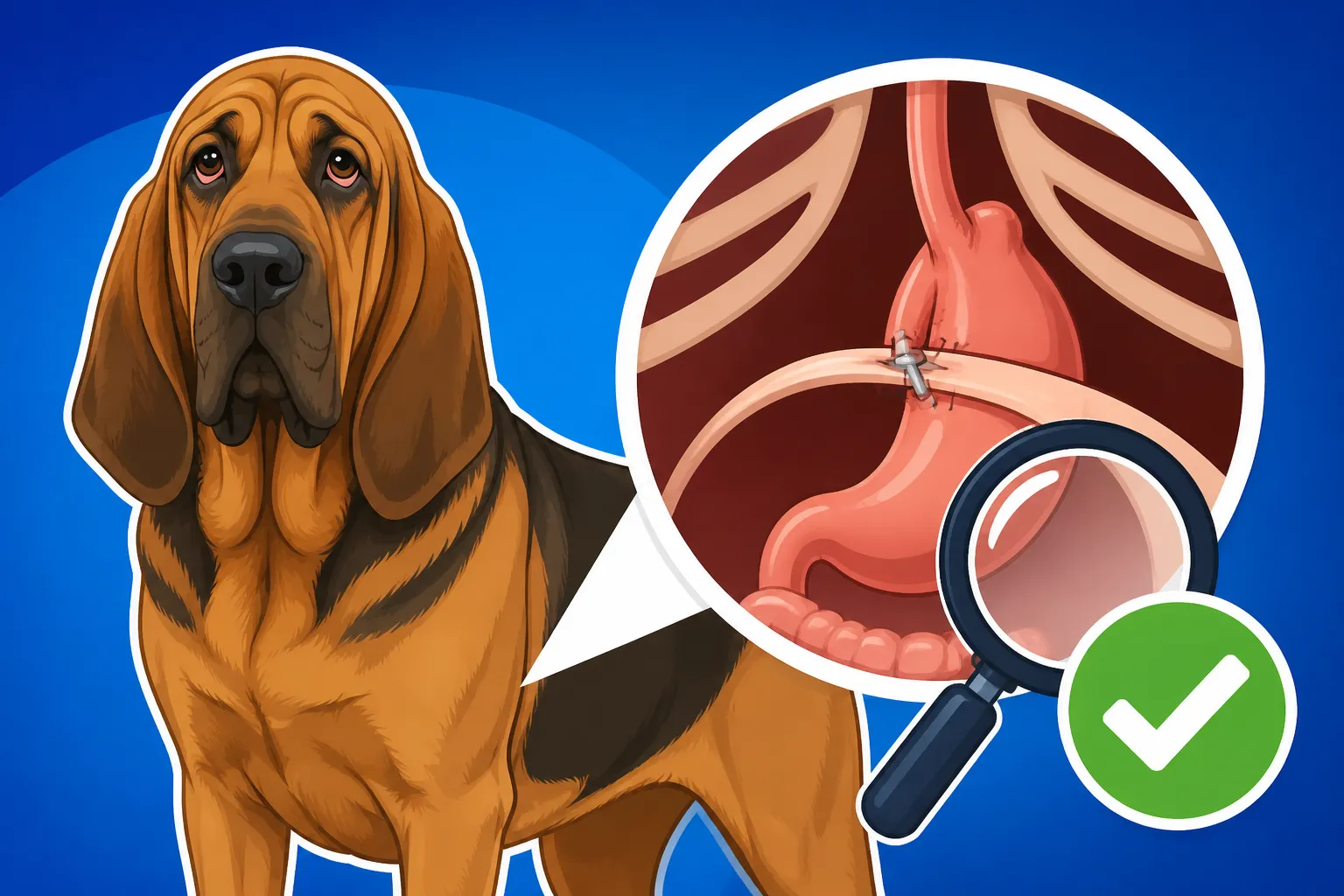
At its core, a gastropexy is a surgical procedure that permanently attaches the stomach to the abdominal wall. Think of it like tacking down a loose carpet. The goal isn't to prevent the stomach from filling with gas – that can still happen – but to prevent it from twisting. It's the twisting, or volvulus, that causes the rapid deterioration and high mortality rate associated with bloat. If a stomach can't twist, the worst effects of GDV are averted, buying precious time and often preventing a fatal outcome.
This attachment can be done in a few ways: traditionally, with a full incision; laparoscopically, which is less invasive; or even at the same time as a spay or neuter, often making it more convenient and sometimes more affordable for owners. The specific technique can sometimes influence the type of scar you might find, which we'll discuss later. Regardless of the method, the underlying principle remains the same: secure the stomach to save a life.
Why Bloat is a Major Concern for Bloodhounds
Bloodhounds, like many other large, deep-chested breeds, face an elevated risk of bloat compared to their smaller canine counterparts. Their unique physique, characterized by a deep and narrow chest, creates a perfect storm for the stomach to distend and flip. It's a cruel irony that such a beloved and gentle breed is so susceptible to such a brutal condition. Many owners live in constant vigilance, always watching for Signs a Bloodhound Is Bloating.
Factors like eating too quickly, vigorous exercise after meals, stress, and even genetics can all play a role in triggering an episode. This is why pet insurance, like plans from Healthy Paws, often highlights the importance of preventative care and emergency coverage for conditions like bloat, which can lead to incredibly high veterinary bills. It's not just a 'what if' scenario; unfortunately, for Bloodhound owners, it's often a 'when' scenario, making any preventive step invaluable. Understanding Bloat Is What Kills Most Bloodhounds truly underscores why this surgery is so critical.
Physical Signs of a Previous Gastropexy
The most direct way to try and figure out if your Bloodhound has had a gastropexy is to look for physical evidence. While not always definitive on its own, a thorough examination of their abdomen can provide strong clues. Remember, every dog's body is different, and surgical scars can vary widely based on the technique used, the dog's healing, and the time that has passed since the surgery.
It's common for owners to feel a bit awkward about this kind of examination, but understanding your dog's body is a vital part of responsible pet ownership. Gently handling their belly, feeling for bumps or ridges, and checking for any changes can become a regular bonding experience, and it’s especially important when you’re trying to understand past medical history.
Examining the Abdomen for Scars
The first place to look is your Bloodhound's belly for surgical scars. If your dog had a traditional open gastropexy, you might find a linear scar running down the midline of their abdomen. This scar would typically be similar in appearance to a spay scar, though it might be a bit lower or off-center depending on the exact surgical approach. Over time, these scars can fade and become quite subtle, sometimes appearing as just a slight discoloration or a thin line of different textured fur. For instance, my own Bloodhound, Barnaby, had a noticeable scar from his neuter and gastropexy, which was performed together. It was about two inches long, just below his belly button, and while the fur grew back, the skin underneath always felt a little firmer there.
If a laparoscopic gastropexy was performed, the scars would be much smaller – often just two or three tiny puncture marks, usually less than an inch long. These are much harder to spot, especially on a deep-chested, often wrinkled Bloodhound. They might be located higher up on the side of the abdomen rather than the midline. Sometimes, these small scars can blend in with the natural skin folds, making them nearly invisible to the untrained eye. It's like trying to find a needle in a haystack if you don't know exactly where to look or what you're feeling for.
Palpating the Stomach Area
Beyond just looking, you can try gently palpating, or feeling, your Bloodhound's abdomen. A gastropexy creates an adhesion between the stomach and the body wall. In some cases, especially if it was a larger incision or if there's significant scar tissue, you might be able to feel a ridge or a firm area in the upper abdomen, typically on the right side. This is where the stomach is usually tacked down. It won't feel like a movable lump, but rather a fixed, firm area against the ribs or abdominal wall.
When you're doing this, make sure your dog is relaxed and comfortable. Start with very light pressure and gradually increase it, always watching for any signs of discomfort. If they tense up, pull away, or show any pain, stop immediately. It’s important not to confuse a healthy, firm abdomen with surgical adhesions. The key is to feel for an unusual firmness or a distinct ridge that isn't present elsewhere or doesn't seem to be part of their normal anatomy. If you're unsure, or if your Bloodhound shows any sign of pain, it's always best to consult with your veterinarian. They have the trained hands and experience to distinguish between normal anatomy and surgical changes.
Non-Physical Ways to Confirm a Gastropexy
Sometimes, physical examination isn't enough, or perhaps your Bloodhound is a rescue with an unknown past, and you're not finding any clear scars. In these situations, you'll need to rely on more definitive methods to confirm if a gastropexy has been performed. This usually involves reaching out to previous owners, veterinarians, or using diagnostic tools. This detective work can be crucial, particularly when you're making decisions about future preventative care.
Remember, a gastropexy is a significant and beneficial procedure for Bloodhounds, and knowing your dog's status allows you to make informed choices about their diet, exercise, and overall health management. If you are unsure, and especially if your Bloodhound hasn't had the procedure, scheduling The Age a Bloodhound Should Have a Gastropexy is a proactive step that could save their life down the road.
Reviewing Veterinary Records
The most reliable way to confirm a gastropexy is by obtaining and reviewing your Bloodhound's veterinary records. These records should clearly state any surgeries performed, including the date, type of procedure, and the veterinary clinic that performed it. If you adopted your Bloodhound from a reputable breeder or rescue organization, they should provide you with these records. They often have a detailed health history that includes vaccinations, microchipping, and any major surgeries.
If you don't have the full records, reach out to the previous owner or the rescue. They can often provide the name of the previous veterinary clinic, which you can then contact to request the records. Most veterinary clinics require the owner's permission to release records, so you might need to coordinate this with the previous owner. If your Bloodhound came from a large rescue operation, they often have a centralized database of medical procedures performed on their animals. Organizations often aim to be transparent about these things, especially given the seriousness of bloat in the breed.
Utilizing Imaging Techniques
If records are unavailable or incomplete, your veterinarian can use imaging techniques to determine if a gastropexy has been performed. The most common and effective method is an abdominal X-ray. A gastropexy creates a permanent adhesion, and this can often be visualized on a radiograph, especially if there's any residual scar tissue or if the stomach's position is clearly fixed. Sometimes, the veterinarian might recommend a contrast study, where your dog ingests a liquid that shows up on X-ray, allowing for a clearer view of the stomach's attachment points.
Ultrasound can also be a helpful tool. While perhaps less definitive than an X-ray for outright confirming the presence of an adhesion, it can show the stomach's relationship to the abdominal wall and any changes in tissue density that might indicate past surgery. These imaging techniques are generally non-invasive and can provide a conclusive answer when other methods fall short. While there's a cost associated with these diagnostics, platforms like Healthy Paws can often help cover these expenses, highlighting the importance of comprehensive pet insurance for Bloodhound owners who face potentially high medical bills.
Speaking with Former Owners or Rescues
If you've exhausted physical examination and records, the next best step is to directly speak with the Bloodhound's former owners, the rescue organization, or the breeder. They are the primary source of information regarding your dog's past medical procedures. A good breeder will be meticulous about their health records and would certainly know if such a vital procedure as a gastropexy was performed, particularly if it was done alongside a spay/neuter before the puppy went to its new home.
Rescue organizations, especially those specializing in Bloodhounds, are also excellent resources. They often conduct thorough health checks on their animals and might even arrange for a gastropexy for at-risk breeds before adoption. Don't be shy about asking specific questions, such as "Was a gastropexy performed?" and "When and where was the surgery done?" Most responsible previous owners or organizations understand the gravity of bloat for Bloodhounds and will be eager to provide any information that helps ensure the dog's future health. This communication is key, not just for confirming a gastropexy, but for building a full picture of your Bloodhound's history. It helps you avoid The Two Surgeries a Bloodhound Owner Should Expect unnecessarily, or ensures you get one done if it's needed.
Summarizing Gastropexy Identification Methods
To give you a clear overview, here's a table summarizing the different methods you can use to determine if your Bloodhound has had a gastropexy, along with their reliability and typical cost. This can help you decide the best approach based on your specific situation and the information you already have.
| Method | Description | Reliability | Typical Cost (Estimate) | Notes |
|---|---|---|---|---|
| Visual Scar Inspection | Looking for linear (open surgery) or small puncture (laparoscopic) scars on the abdomen. | Low to Medium | Free | Scars can fade, be hidden by fur, or be very small. Requires good lighting and a cooperative dog. |
| Abdominal Palpation | Gently feeling the upper right abdomen for a fixed, firm ridge or area indicating an adhesion. | Low to Medium | Free | Requires experience to differentiate from normal anatomy. Stop if dog shows discomfort. |
| Reviewing Vet Records | Obtaining and checking official veterinary documents for surgical history. | High | Free to Low (records transfer fee) | Most definitive non-invasive method. Requires access to previous clinic/owner info. |
| Abdominal X-ray | Radiographs to visualize the stomach's position and look for signs of permanent attachment. | High | $100 – $300+ | Often combined with a physical exam. May require sedation for best views. |
| Abdominal Ultrasound | Sound waves to image the stomach and surrounding tissues for adhesions or scar tissue. | Medium to High | $200 – $500+ | Can be more detailed for soft tissue but might not definitively confirm adhesion without prior knowledge. |
| Direct Owner/Rescue Inquiry | Speaking directly with the breeder, previous owner, or rescue organization. | High | Free | Relies on honest and accurate information from previous custodians. |
As you can see, combining several approaches often yields the most confident answer. While Healthy Paws may cover various diagnostic costs, starting with the least invasive and most accessible methods like record review and physical examination is always a good first step.
The Gastropexy Decision Every Bloodhound Owner Faces
If, after all your investigations, you determine that your Bloodhound has not had a gastropexy, then you're faced with an important decision. This isn't just a minor elective procedure; it's a potentially life-saving one for a breed where bloat is a constant and terrifying threat. Many owners find themselves grappling with the question of whether to proceed with this surgery, weighing the benefits against the risks of anesthesia and recovery.
The peace of mind that comes with knowing your Bloodhound's stomach is securely tacked down is truly invaluable. It doesn't mean you can ignore preventative measures like feeding multiple small meals, but it drastically reduces the immediate, fatal danger should bloat occur. This is truly The Gastropexy Decision Every Bloodhound Owner Faces.
Proactive Steps if Your Bloodhound Isn't Gastropexied
If your Bloodhound hasn't undergone a gastropexy, it's not a reason to panic, but it is a call to action. The absolute best thing you can do is schedule a consultation with your veterinarian to discuss the procedure. They can assess your Bloodhound's overall health, discuss the optimal timing for surgery (especially if they are still young), and explain the different surgical options available, such as traditional open surgery or a minimally invasive laparoscopic approach. Don't delay this conversation; the sooner you address it, the better.
Beyond surgery, you'll want to be extra vigilant with preventative care:
- Feeding Habits: Consider feeding multiple small meals throughout the day instead of one or two large ones. This can help prevent the stomach from distending too much at once.
- Post-Meal Activity: Avoid vigorous exercise or play immediately before or after meals. Give your Bloodhound at least an hour to rest and digest.
- Stress Reduction: Try to minimize stress around meal times. A calm environment can contribute to better digestion.
- Dietary Choices: Discuss your Bloodhound's diet with your vet. While no diet completely prevents bloat, some believe certain ingredients or food types might play a role.
- Recognizing Symptoms: Educate yourself thoroughly on the signs of bloat. Knowing How Fast Bloat Kills a Bloodhound means every second counts. Be prepared to act immediately if you suspect a problem.
Being proactive means having a plan and being prepared for any eventuality.
The Benefits of a Preventive Gastropexy
Deciding to go ahead with a preventive gastropexy, even if your Bloodhound is healthy, offers significant benefits that far outweigh the risks for this breed. The primary benefit, of course, is drastically reducing the likelihood of the stomach twisting if bloat occurs. This means if your Bloodhound does experience gastric distension, it's less likely to become a deadly emergency. Instead of facing a 50% chance of survival with emergency surgery, their prognosis improves dramatically. What a Preventive Gastropexy Does for a Bloodhound is truly life-changing.
Think about the emotional and financial cost of an emergency bloat surgery. These surgeries are often performed in the middle of the night, are incredibly complex, and involve extensive post-operative care. What a Bloodhound's Bloat Surgery Bill Comes To can easily be thousands of dollars, a massive financial strain that many owners struggle to absorb. By opting for a preventive gastropexy, you're not only investing in your Bloodhound's life but potentially saving yourself immense stress and financial burden in the long run. Many pet insurance providers, like Healthy Paws, offer coverage for preventative procedures like gastropexy, or at least for emergency bloat treatment, which can be a huge relief if the worst happens. It’s an investment in both health and peace of mind.
Disclaimer
This article is intended for informational purposes only and does not constitute veterinary advice. Always consult with a qualified veterinarian for any health concerns or before making any decisions about your Bloodhound's medical care.