Whether a Bloodhound Breeder Arranges the Gastropexy
Bringing home a Bloodhound puppy is an incredibly exciting time, full of dreams of long walks, endless snuggles, and that unforgettable scent-driven focus. But beneath the joy, many new and prospective owners carry a quiet worry about the breed's unique health challenges, particularly the terrifying risk of bloat. This guide will walk you through the often-unspoken question: whether your Bloodhound breeder will arrange or even facilitate a preventive gastropexy for your new family member, and what steps you need to take to ensure your beloved hound's safety.
Understanding the Gastropexy and Bloat Risk in Bloodhounds
It’s no secret that Bloodhounds, with their deep chests and often relaxed demeanor, are unfortunately prone to Gastric Dilatation-Volvulus, or GDV, more commonly known as bloat. This isn't just an upset stomach; it's a life-threatening emergency where the stomach fills with gas and can then twist, cutting off blood flow and quickly becoming fatal. The thought alone is enough to send shivers down any Bloodhound owner's spine, and it’s why preventive measures are so often on our minds.
The Silent Threat of Gastric Dilatation-Volvulus (GDV)
Bloat is a rapid killer, and it strikes without much warning. One moment your Bloodhound might be resting comfortably after dinner, and the next, they could be restless, pacing, attempting to vomit without producing anything, and showing signs of discomfort. The window for intervention is incredibly small; a Bloodhound showing symptoms of bloat often has only a few hours, if that, before the situation becomes irreversible. Many owners describe the experience as one of the most terrifying moments of their lives, rushing their beloved dog to an emergency veterinary clinic in the dead of night, knowing every second counts. It's a cruel reality that Bloat Is What Kills Most Bloodhounds.
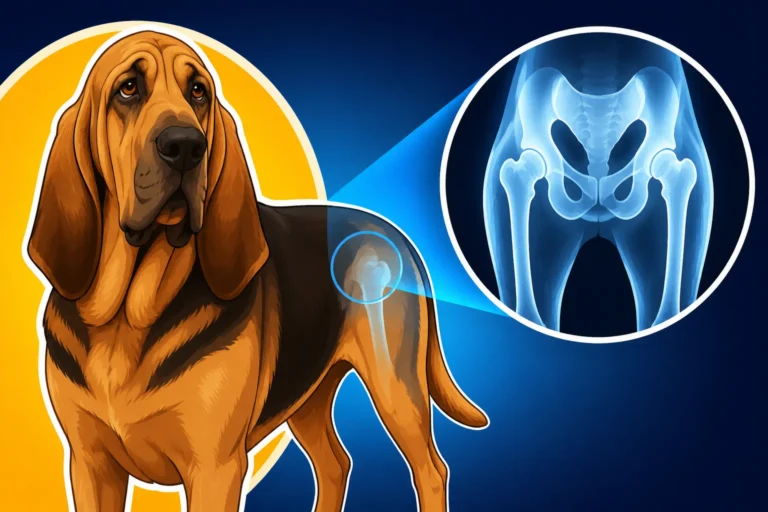
The breed's specific anatomy, particularly their deep and narrow chest cavity, plays a significant role in this predisposition. It creates ample space for the stomach to shift and twist. While we can implement feeding strategies like multiple small meals and using slow-feeder bowls, these are only preventative measures, not guarantees. The emotional toll of constantly worrying about bloat is immense, and it’s why many owners, myself included, look for more definitive solutions.
Why a Preventive Gastropexy Offers Peace of Mind
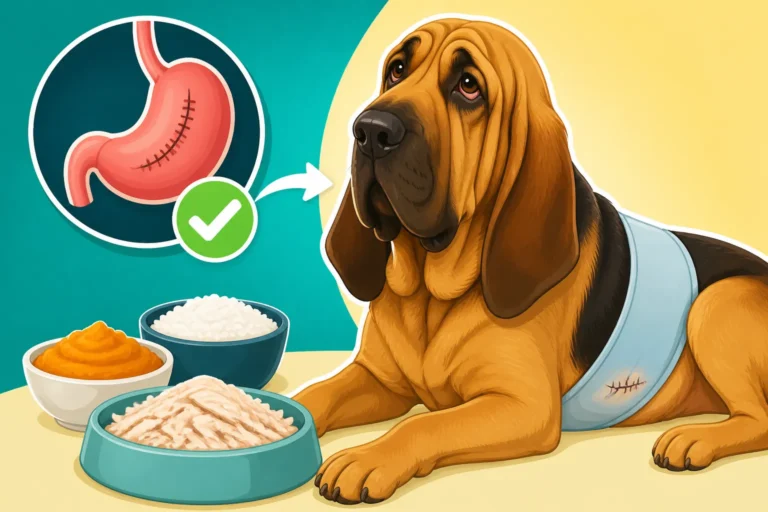
A preventive gastropexy is a surgical procedure where the stomach is permanently tacked or sewn to the abdominal wall. This crucial step prevents the stomach from twisting, which is the most dangerous aspect of bloat. While a gastropexied dog can still experience gastric dilatation (the stomach filling with gas), it cannot undergo the life-threatening volvulus (twisting). This distinction is critical; it turns a dire emergency into a treatable, albeit still serious, condition. Knowing that your Bloodhound’s stomach is secured can provide an incredible amount of peace.
For many, The Gastropexy Decision Every Bloodhound Owner Faces is one of the most important choices they'll make for their dog's long-term health. It significantly reduces the risk of fatal bloat episodes and the associated high costs of emergency surgery. Many veterinarians recommend performing the gastropexy at the same time as spaying or neutering, as it minimizes the need for additional anesthesia and recovery time. This foresight can literally be a lifesaver, offering a proactive approach to a very real and present danger for our beloved hounds.
The Breeder's Role in Health and Preventive Care Discussions
When you bring a Bloodhound into your life, you're hoping for a responsible breeder who prioritizes the health and well-being of their puppies. A good breeder isn't just selling you a dog; they're acting as a steward of the breed, aiming to produce healthy, well-adjusted companions. This often extends to discussions about known breed-specific health concerns like bloat and the option of a gastropexy. However, what one breeder offers can vary wildly from another, so clear communication is key.
What Responsible Bloodhound Breeders Typically Offer or Recommend
Responsible Bloodhound breeders are generally very knowledgeable about bloat, as it is such a prevalent issue in the breed. They will often discuss the risks of GDV with prospective puppy buyers and recommend a preventive gastropexy. Some breeders may even have clauses in their contracts recommending or requiring the procedure be performed by a certain age. However, the actual arrangement of the surgery is where things can differ significantly.
- Recommendation Only: Most breeders will highly recommend the procedure, advising you to discuss it with your veterinarian. They might provide educational materials or even direct you to vets familiar with the breed who perform gastropexies.
- Facilitation at Their Vet: A smaller number of breeders, especially those who prioritize comprehensive health, might offer to have the gastropexy done by their own trusted veterinarian before the puppy goes to its new home, or as part of a litter's spay/neuter. This is often an added cost passed on to the buyer, but it provides a convenient and seamless solution, ensuring the puppy receives the procedure from a vet experienced with the breeder's lines. For instance, a dedicated breeder might partner with a reputable clinic in a specific area, like those in the greater Philadelphia region or central California, to offer this service.
- No Direct Involvement: Some breeders, while still educating about bloat, might leave the entire arrangement to the new owner and their chosen veterinarian. This is not necessarily a sign of an irresponsible breeder, but it does place the full burden of research, scheduling, and cost directly on your shoulders.
It's paramount to understand that very few breeders include the cost of a gastropexy in the initial puppy price unless it's explicitly stated as a package deal or a requirement. The procedure is an elective surgery, and its cost is typically separate. When considering What a Health Tested Bloodhound Puppy Costs, remember that the gastropexy will be an additional investment in your puppy's future well-being.
Communicating Your Expectations with a Bloodhound Breeder
Open and honest communication with your breeder from the very beginning is crucial. Don't be shy about asking direct questions regarding their stance on gastropexies and what support, if any, they provide. Here are some key questions to consider:
- "What are your thoughts on preventive gastropexies for your puppies?"
- "Do you include information about bloat and gastropexy in your puppy packet or contract?"
- "Do you have a preferred veterinarian you work with for these procedures, and if so, would it be possible to arrange the gastropexy through them before I pick up my puppy?"
- "If not, what age do you recommend the gastropexy be done, and do you have any specific recommendations for vets experienced with Bloodhounds and the procedure?"
A breeder's willingness to discuss these topics thoroughly is a good indicator of their commitment to the breed's health. If a breeder dismisses your concerns or seems unknowledgeable about bloat or gastropexies, it might be a red flag. Ultimately, you want a breeder who is a partner in your Bloodhound’s long-term health journey. They should be a resource for information and guidance, even if they don't directly handle the surgical arrangements themselves.
Here's a quick overview of potential breeder involvement:
| Breeder Involvement Level | Description | Pros for Owner | Cons for Owner |
|---|---|---|---|
| Direct Arrangement | Breeder schedules and potentially coordinates surgery with their vet. | Convenience, often done with littermates, experienced vet. | Less choice of vet, potentially higher upfront puppy cost. |
| Strong Recommendation | Breeder educates on bloat and highly recommends gastropexy. | Informed decision-making, access to breeder's knowledge. | Owner responsible for finding vet, scheduling, and managing all logistics. |
| Minimal Discussion | Breeder mentions bloat but offers little guidance or facilitation. | Potentially lower initial puppy cost (if not health-focused, but buyer beware). | Full burden on owner for research, scheduling, and potential lack of expertise guidance. |
Taking Proactive Steps for Your Bloodhound's Health
Even if your breeder doesn't directly arrange the gastropexy, you, as the future owner, have every opportunity to be proactive. Educating yourself and planning ahead can make a world of difference in mitigating the risks associated with bloat and ensuring your Bloodhound leads a long, healthy life. This involves working closely with your veterinarian and considering the financial aspects.
Discussing Gastropexy with Your Veterinarian
The moment you choose your veterinarian, ideally before your Bloodhound puppy even comes home, schedule a consultation to discuss What a Preventive Gastropexy Does for a Bloodhound. Ask about their experience with the procedure, their preferred technique (open versus laparoscopic), and what age they recommend for the surgery. Many vets suggest performing it when the dog is spayed or neutered, which typically happens around 6 months to a year of age. This combines two surgical events into one recovery period, making it less stressful for your puppy and often more cost-effective.
Don't hesitate to ask for a detailed estimate of the procedure's cost. This will help you plan your finances. Some clinics, like those in larger metropolitan areas such as Chicago or Atlanta, may offer a wider range of options or specialists. Be sure to ask about pre-anesthetic bloodwork, pain management protocols, and post-operative care instructions. Understanding all aspects of the surgery and recovery will help you feel prepared and confident in your decision. It's an investment in preventing a truly devastating emergency.
Financial Planning and Pet Insurance Considerations
Let's be realistic: owning a Bloodhound can be expensive, and medical costs can quickly escalate, especially with emergencies. What a Preventive Gastropexy Costs on a Bloodhound can range significantly depending on your location, the veterinary clinic, and whether it's performed laproscopically or with traditional open surgery. These costs can vary from a few hundred dollars to upwards of $1,000 or more. This is a significant sum, but it pales in comparison to the potential cost of emergency bloat surgery, which can easily run into several thousands of dollars if your dog needs overnight intensive care.
This is where planning for unexpected veterinary bills becomes critical. Establishing an emergency fund specifically for your pet is a smart move. Another excellent option is pet insurance. Providers like Healthy Paws offer comprehensive coverage that can be a lifesaver. Enrolling your Bloodhound in a plan like Healthy Paws when they are young, ideally before any pre-existing conditions develop, can provide financial peace of mind. While a preventive gastropexy might not always be fully covered as an elective procedure, having insurance for accidents and illnesses means that if your Bloodhound were to experience bloat despite a gastropexy (which is rare but still possible for the dilatation component), or any other unforeseen medical issue, you wouldn't be facing the full financial burden alone. Many Bloodhound owners will attest that Whether Pet Insurance Is Worth It on a Bloodhound often comes down to this kind of life-saving protection.
Think of it this way: the preventive gastropexy is one of the best proactive investments you can make. Combine that with a robust pet insurance plan from a provider like Healthy Paws, and you've created a strong safety net for your beloved hound. Being prepared for these costs ensures that you can always make the best medical decisions for your Bloodhound, without financial stress adding to an already difficult situation. The peace of mind alone, knowing you're ready for whatever comes, is invaluable.
Preparing Your Home and Lifestyle for a Bloodhound's Needs
Beyond the medical considerations, integrating a Bloodhound into your life requires adapting your home and daily routines. These hounds are unique, and understanding their specific needs, from exercise to slobber management, will ensure a harmonious existence for everyone. It’s about creating an environment where their distinct traits are celebrated, not tolerated.
Managing the Bloodhound's Unique Anatomy and Messes
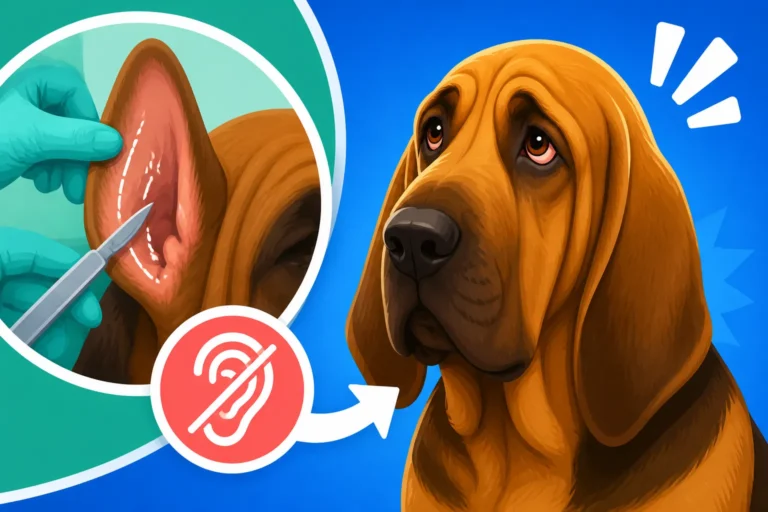
Bloodhounds are undeniably charming, but they come with their own set of… unique challenges, largely due to their signature loose skin, long ears, and jowls. These features, while essential for their incredible scenting ability, also require diligent care to prevent common health issues and manage everyday messes. You'll quickly learn that Everything on a Bloodhound Hangs Down and Has to Be Cleaned. Their long, pendulous ears, for example, are prone to infections because they trap moisture and limit airflow. This means Cleaning a Bloodhound's Ears Every Week for Life becomes a non-negotiable part of your routine.
Furthermore, those beautiful, droopy jowls are fantastic for catching scent, but they also excel at catching food, water, and slobber, which can then be flung with surprising force across your kitchen or living room. Invest in deep, narrow bowls or even a snood to help keep their ears out of their food and water. You'll also want to keep plenty of towels handy for quick clean-ups after meals and drinks. Their skin folds, particularly around the face and neck, can also trap moisture and debris, leading to irritation or infection if not regularly wiped and kept dry. Wiping a Bloodhound's Folds Before They Sour should be a daily ritual. Embrace the charming mess, but be prepared for it.
Exercising and Mentally Stimulating Your Scent Hound
Many people mistakenly believe Bloodhounds are lazy couch potatoes because of their calm indoor demeanor. While they can be relaxed inside, they are working dogs at heart, bred for endurance and a relentless drive to follow a scent. Ignoring this fundamental need can lead to boredom, destructive behaviors, and even anxiety. A Bloodhound needs more than just a casual stroll around the block; they need to use their nose, which is their primary way of interacting with the world.
Instead of endless forced marches, focus on activities that engage their incredible sense of smell. Mantrailing, tracking, or even simple "nose work" games in your backyard or home are far more enriching and tiring for a Bloodhound than pure physical exercise alone. Mantrailing Is the Answer to a Bloodhound, Not Obedience is a philosophy many Bloodhound owners live by. Even twenty minutes of focused scent work can be more mentally exhausting than an hour of walking. When they are out walking, be prepared for their nose to take over. You will learn Walking a Bloodhound That Has Found a Scent is a unique experience that requires a strong leash and your full attention! Providing appropriate outlets for their natural instincts will result in a much happier, calmer, and better-behaved companion, ensuring they thrive both physically and mentally.
Disclaimer
The information provided in this article is for general educational purposes only and is not a substitute for professional veterinary advice. Always consult with a qualified veterinarian regarding your Bloodhound's specific health concerns and before making any decisions about medical treatments or procedures.