Whether a Bloodhound Can Be Decompressed at Home
The moment you realize your beloved Bloodhound is showing signs of bloat, a wave of sheer panic can wash over you. Your mind races, desperately searching for anything you can do, right now, to help them. It’s natural to wonder if there’s some immediate, at-home intervention you can perform. This guide is here to deeply explore why attempting to decompress a bloated Bloodhound at home is incredibly dangerous and often futile, and what truly needs to happen instead.
Understanding the Dire Urgency of Canine Bloat
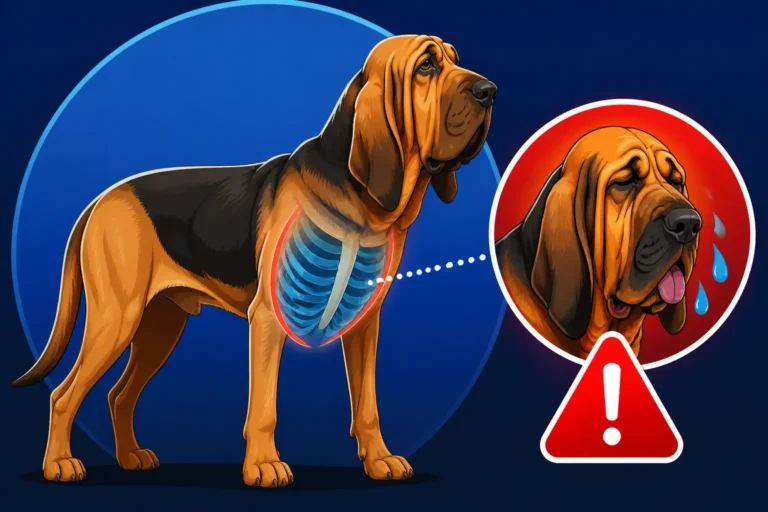
Bloat, scientifically known as Gastric Dilatation-Volvulus (GDV), is arguably the most terrifying and rapidly fatal emergency a large, deep-chested breed like a Bloodhound can face. It’s a condition that goes from "my dog seems a little off" to "my dog is dying" in an alarmingly short period, often mere minutes to hours. This isn't just an upset stomach; it's a critical, life-threatening situation demanding immediate, professional medical intervention.
Why Bloat is a Veterinary Emergency
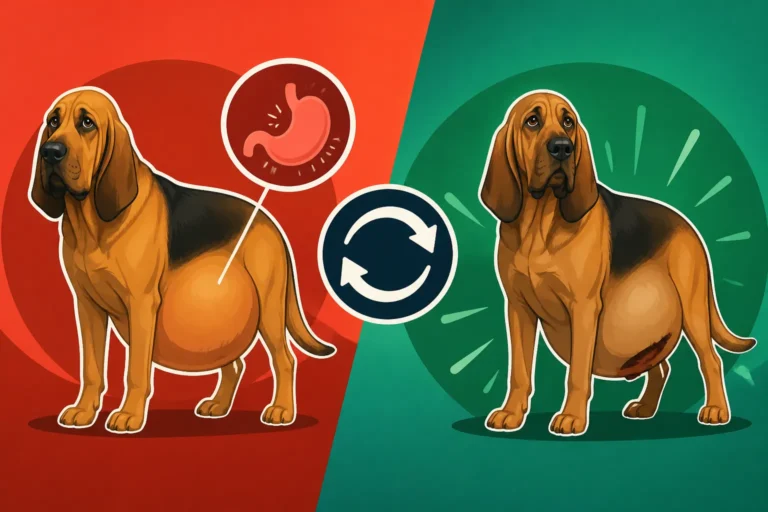
When a Bloodhound's stomach first begins to bloat, it rapidly fills with gas, food, or fluid, distending like an overinflated balloon. This distension alone causes immense pain and pressure. Imagine the discomfort, the sheer agony, your gentle giant is experiencing. This expanded stomach presses against other vital organs, like the diaphragm, making it incredibly difficult for your Bloodhound to breathe properly. The increased pressure can also compromise blood flow to major vessels, sending your dog into shock. This initial phase, gastric dilatation, is bad enough, but it’s often a precursor to something far worse: the stomach twisting on its axis.
When that twist happens – the "volvulus" part of GDV – it's a catastrophic event. The blood supply to the stomach is completely cut off, causing tissue death. At the same time, the entrance and exit of the stomach are sealed shut, trapping the gas and contents inside, making the distension even more severe. Toxins begin to build up in the dying stomach tissue and can leach into the bloodstream, leading to systemic shock and multi-organ failure. The clock starts ticking the moment this happens, and without swift action, the outcome is almost always fatal. It's truly why so many of us Bloodhound owners live in fear of this silent killer. You can learn more about how dire this situation truly is by reading about Bloat Is What Kills Most Bloodhounds.
The Dangers of Gastric Dilatation-Volvulus GDV
Gastric Dilatation-Volvulus isn't just about a painful, distended belly; it's a cascade of severe physiological consequences. The twisting action of the stomach, often 180 to 360 degrees, can pull the spleen along with it, damaging or even rupturing this vital organ. The obstructed blood flow starves the stomach tissue of oxygen, leading to necrosis (tissue death), which is excruciatingly painful and releases dangerous toxins into your dog’s system.
This twisted stomach also impedes the vena cava, a major vein that carries blood back to the heart. When this vein is compressed, it reduces the blood return to the heart, causing a rapid drop in blood pressure and circulatory shock. This is often why you see a bloating Bloodhound appear weak, pale, and eventually collapse. The heart struggles to pump blood effectively, and arrhythmias (irregular heartbeats) are common, often leading to cardiac arrest. The sheer speed with which a Bloodhound can deteriorate from the initial signs to a full-blown crisis is terrifying. Every minute counts, and understanding How Fast Bloat Kills a Bloodhound truly underscores the urgency.
The Illusion of Home Decompression
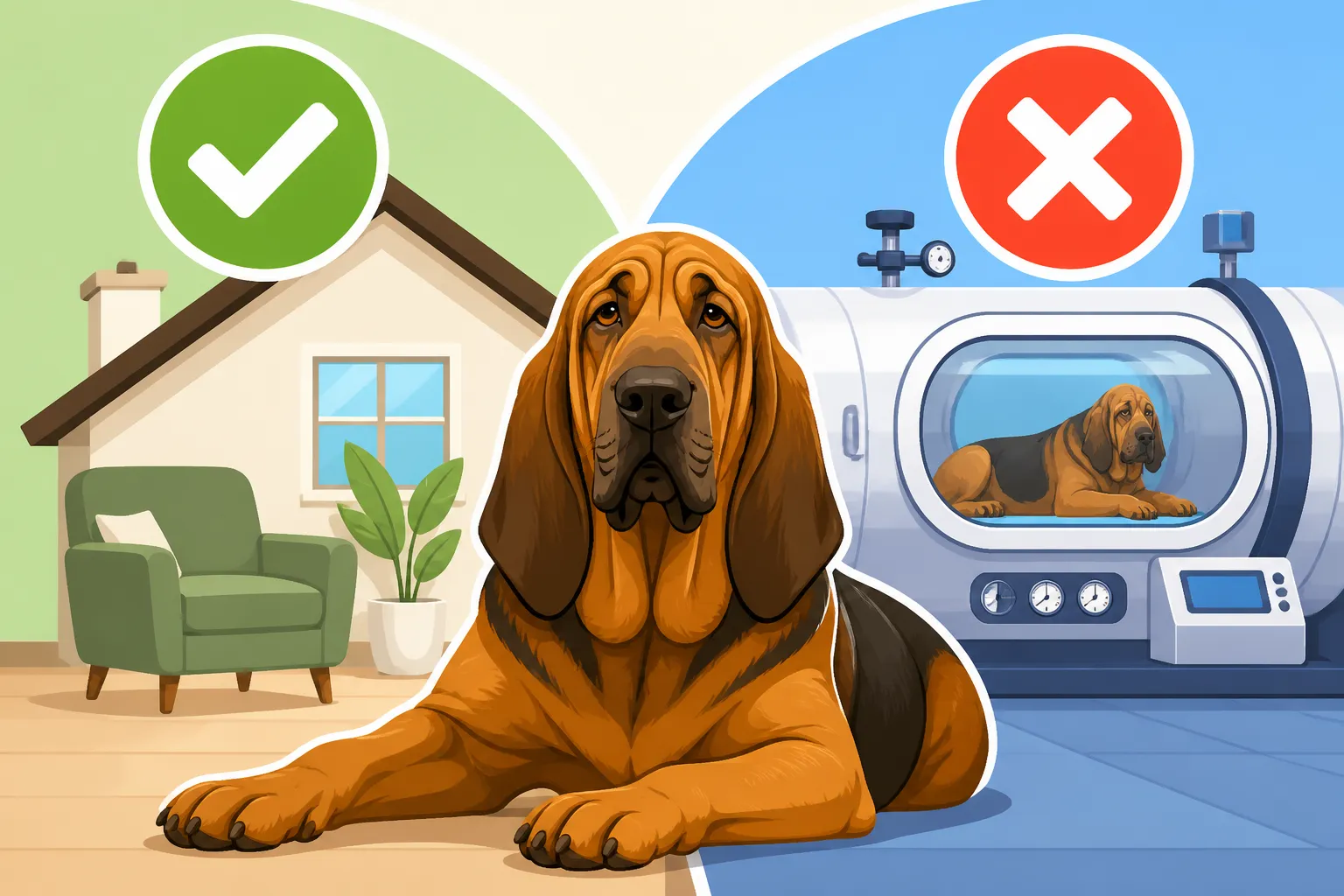
When faced with a bloating Bloodhound, the instinct to do something is incredibly powerful. You might envision some simple, quick fix, like releasing the gas yourself. However, the reality of bloat and the complex anatomy involved make any attempt at home decompression not just ineffective, but potentially lethal. This isn't a problem that can be solved with a home remedy or a DIY approach.
Why Puncturing the Abdomen is Extremely Risky
The idea of puncturing your Bloodhound's abdomen to release gas might seem logical in a moment of panic. After all, if the stomach is distended with gas, wouldn't letting it out help? But this isn't a simple balloon. Your Bloodhound's abdomen contains multiple vital organs: the liver, pancreas, intestines, kidneys, and large blood vessels, all packed closely together. Attempting to "trocarize" (puncture the stomach to release gas) without precise knowledge of anatomy and sterile technique is like throwing a dart in the dark.
The risk of accidentally hitting an intestine, the spleen, the liver, or a major artery or vein is incredibly high, leading to internal bleeding, peritonitis (a severe abdominal infection), or other catastrophic injuries. Even if you somehow managed to hit the stomach, a non-sterile puncture would introduce bacteria into the abdominal cavity, leading to a life-threatening infection. Furthermore, a simple puncture would not address the underlying torsion if the stomach has already twisted. It would offer a false sense of security while your dog continues to decline internally. Veterinary professionals use specific landmarks, sterile equipment, and often X-rays to guide their decompression, a level of precision impossible to replicate safely at home.
The Ineffectiveness of Oral Remedies
Many well-meaning owners might reach for common household remedies or over-the-counter medications hoping to alleviate their Bloodhound's bloat symptoms. Antacids, gas-reducing tablets like simethicone, or even attempts to force vomiting are often considered in a desperate moment. However, these are largely ineffective and can even be counterproductive in a true GDV emergency.
When the stomach has twisted, both the entrance (esophagus) and exit (duodenum) are blocked. This means anything given orally, whether water, medication, or food, cannot pass through. It will simply add more volume to an already dangerously distended stomach, exacerbating the problem. Forcing vomiting is particularly dangerous as it can increase the risk of aspiration (inhaling vomit into the lungs), which can lead to pneumonia, and it puts further strain on the already compromised circulatory system. Even if the stomach hasn't twisted yet, these remedies won't stop the progression of the distension or prevent the subsequent torsion. They simply delay critical professional care, wasting precious time your Bloodhound doesn't have. For genuine relief and definitive care, immediate veterinary attention is the only viable path forward.
What to Do When Your Bloodhound is Bloating
Recognizing bloat and knowing what to do immediately is paramount. This is a situation where quick, decisive action can literally mean the difference between life and death for your Bloodhound. You are your dog's first line of defense, and being prepared for this emergency is crucial.
Recognizing the Signs of Bloat
The first step in saving your Bloodhound from bloat is recognizing the signs promptly. This is not always easy, as early symptoms can be subtle. Initially, your Bloodhound might seem restless, pacing, or unable to get comfortable. They might look at their side or abdomen, indicating discomfort. A hallmark sign, however, is unproductive retching or dry heaving – your Bloodhound looks like they're trying to vomit but nothing, or very little, comes up. This is because the twisted stomach has sealed off the exit.
As the condition progresses, you’ll notice a visibly distended abdomen, which will feel tight and hard to the touch, especially on the left side behind the last rib. They might appear hunched over or take on what's known as the "prayer position" – front legs down, rear end up – as if trying to relieve pressure. Other signs include excessive drooling, labored breathing, pale gums, weakness, and eventually, collapse. If you see any combination of these signs, especially the unproductive retching and a distended belly, consider it an absolute emergency. Time is not on your side. Understanding these cues, including The Prayer Position a Bloating Bloodhound Takes, is vital.
Immediate Actions and the Race to the Vet
Once you suspect bloat, there is only one course of action: get to an emergency veterinary clinic immediately. Do not delay for a second. This is not a "wait and see" situation. Call your veterinary clinic or the nearest emergency animal hospital while you are getting your Bloodhound into the car. Tell them you suspect GDV, and describe your dog’s symptoms clearly. This gives them a critical head start to prepare for your arrival, gather their team, and get equipment ready. Every minute saved in preparation can translate to a better outcome for your dog.
During the drive, try to keep your Bloodhound as comfortable and calm as possible, but do not attempt any interventions yourself. Focus solely on safe, swift transport. Avoid sudden stops or turns if you can, as jostling might increase discomfort. Once you arrive, be prepared for a rapid intake process. The veterinary team will understand the gravity of the situation and will likely rush your Bloodhound directly into treatment. Having pet insurance, like a plan from Healthy Paws, can certainly alleviate some of the financial stress during such an urgent and potentially expensive emergency, allowing you to focus entirely on your dog's care. Remember, you might only have The Half Hour a Bloating Bloodhound Has to reach the vet for the best chance of survival. This swift action is the most important thing you can do for your dog.
Veterinary Intervention is Key
Unlike the desperate but dangerous attempts at home, veterinary intervention for bloat is a highly skilled, multi-stage process designed to stabilize your Bloodhound, decompress the stomach, and ultimately correct the underlying issue. This is why a well-equipped veterinary hospital with an experienced team is non-negotiable in a bloat emergency.
The Professional Decompression Process
Upon arrival at the emergency clinic, the veterinary team will immediately assess your Bloodhound's stability. They'll start intravenous fluids to combat shock and administer pain medication. The primary goal is to decompress the stomach to relieve pressure and allow better blood flow. This is typically done in one of two ways, or sometimes both.
The first method is orogastric intubation: a lubricated tube is carefully passed down your Bloodhound’s esophagus into the stomach. This allows the trapped gas to escape and for the stomach contents to be flushed out. This procedure is delicate and requires expertise to ensure the tube enters the stomach, not the lungs, and to navigate around the potential twist. If the stomach is severely twisted, passing a tube might not be possible. In such cases, the vet might perform a trocarization, which involves carefully inserting a large-bore needle or catheter directly into the stomach through the body wall. This is a temporary measure to release gas and stabilize the patient before surgery. Both procedures are performed under strict sterile conditions, with the dog's vital signs closely monitored. These are not procedures that can be replicated safely or effectively outside of a clinical setting.
Beyond Decompression: Addressing the Torsion
Decompression is a critical first step, but it’s often just that – a first step. If the stomach has twisted (volvulus), merely releasing the gas does not solve the underlying problem. The stomach remains in an abnormal position, its blood supply still compromised, and it's highly likely to twist again, even immediately. This is why surgical intervention is almost always necessary for GDV.
During surgery, the veterinary surgeon will carefully de-rotate the stomach back to its normal anatomical position. They will then assess the viability of the stomach tissue; if parts have died due to lack of blood flow, these sections may need to be removed. A crucial part of this surgery for Bloodhounds is the gastropexy. This procedure involves permanently attaching the stomach to the abdominal wall to prevent future twisting. While a gastropexy doesn't prevent bloat (gas distension), it dramatically reduces the risk of the stomach twisting, which is the most lethal aspect of GDV. This proactive measure is often recommended even for Bloodhounds who haven't bloated yet, especially given The Gastropexy Decision Every Bloodhound Owner Faces. Without this surgical correction and preventative measure, the survival rate for GDV plummets.
Comparing Home vs. Professional Intervention for Bloat
When your Bloodhound is suffering from bloat, the decision-making process is fraught with emotion and urgency. Understanding the stark differences between attempting to handle this crisis at home versus seeking immediate professional veterinary care is critical. The table below outlines why home intervention is never a safe or effective option.
| Feature | Home Intervention (e.g., puncturing abdomen, oral remedies) | Professional Veterinary Care (e.g., intubation, surgery) |
|---|---|---|
| Safety | Extremely dangerous; high risk of injury, infection, internal bleeding, further complications. | Performed by trained professionals in a sterile environment; minimized risks. |
| Effectiveness | Largely ineffective; does not address torsion; may worsen condition or delay critical care. | Effectively decompresses stomach, corrects torsion, and prevents recurrence (with gastropexy). |
| Tools/Techniques | Non-sterile, improvised tools; lack of anatomical knowledge. | Specialized medical equipment (trocars, tubes, surgical instruments); imaging guidance. |
| Underlying Cause | Does not address the stomach twist (volvulus) or compromised blood supply. | Directly addresses stomach torsion, assesses tissue viability, and performs gastropexy. |
| Monitoring | None; inability to assess vital signs or internal damage. | Continuous monitoring of heart rate, blood pressure, oxygen levels, pain. |
| Outcome Likelihood | Very low chance of survival; high likelihood of severe complications or death. | Significant chance of survival with timely intervention; improved long-term prognosis with gastropexy. |
As this table clearly illustrates, there is no substitute for prompt, professional veterinary care when your Bloodhound is experiencing bloat. Any attempt to manage this emergency at home not only fails to address the severity of the condition but actively places your beloved companion in greater peril.
Proactive Measures and Long-Term Care for Bloat Risk
While we've focused on the immediate, critical response to a bloat emergency, it's equally important to consider proactive measures to reduce your Bloodhound's risk and ensure their long-term health. Given that Bloodhounds are predisposed to this condition due to their deep, narrow chests, owners must be vigilant and proactive.
Preventing Future Bloat Incidents
The best "treatment" for bloat is prevention. For Bloodhounds, this often means seriously considering a prophylactic gastropexy. This surgical procedure, which can often be done concurrently with spay or neuter, tacks the stomach to the abdominal wall, significantly reducing the risk of deadly gastric volvulus (the twisting part of bloat). While it doesn't prevent the stomach from dilating with gas, it stops the life-threatening twist. Many owners find immense peace of mind in knowing their Bloodhound has had this procedure.
Beyond surgery, feeding practices play a crucial role. Splitting your Bloodhound’s daily food intake into two or three smaller meals instead of one large one can help. Avoid intense exercise immediately before or after meals. Using a slow feeder bowl can prevent rapid eating and gulping of air. Ensuring fresh water is always available but preventing guzzling large amounts of water right after eating is also important. Some studies suggest that elevated food bowls might increase risk for some breeds, while others show no clear correlation. Discuss these feeding strategies with your vet, especially considering Why a Deep Narrow Chest Puts a Bloodhound at Risk and how it contributes to GDV susceptibility.
The Role of Pet Insurance and Emergency Preparedness
Even with the best preventative measures, emergencies can still happen. This is where comprehensive pet insurance can be an absolute lifesaver. Providers like Healthy Paws offer robust coverage that can significantly offset the substantial costs associated with bloat surgery, which can easily run into thousands of dollars. Having a plan in place means you can make decisions based on your Bloodhound's needs, not your wallet, during a terrifying crisis.
Beyond insurance, preparedness means knowing the location and contact information for your nearest 24-hour emergency veterinary hospital. Have their number saved in your phone and ideally, on a physical note near your door. Discuss bloat with your regular veterinarian at routine check-ups. Ask them about the specific signs to look for and what their emergency protocol is. Make sure anyone who cares for your Bloodhound, whether a family member, pet sitter, or dog walker, is also aware of the signs of bloat and knows what to do in an emergency. Being prepared mentally and financially can make all the difference when those critical moments arise, ensuring you can provide the fastest, most effective care for your beloved companion.
Disclaimer
The information provided in this article is for educational and informational purposes only and does not constitute veterinary advice. Always consult with a qualified veterinarian for any health concerns or before making any decisions about your Bloodhound's care. In the event of a suspected bloat emergency, seek immediate veterinary attention.