Whether a Bloodhound Bloats More After Six
The sudden onset of bloat in a Bloodhound is one of the most terrifying experiences an owner can face, often leaving us scrambling for answers and fearing for our beloved hound's life. Many of us worry if our Bloodhound's risk of this life-threatening condition increases significantly as they age, especially once they pass that six-year mark. This comprehensive guide will delve into the relationship between a Bloodhound's age and its susceptibility to bloat, exploring whether older hounds truly face a higher danger and what you can do to protect them.
Understanding Gastric Dilatation-Volvulus (GDV) in Bloodhounds
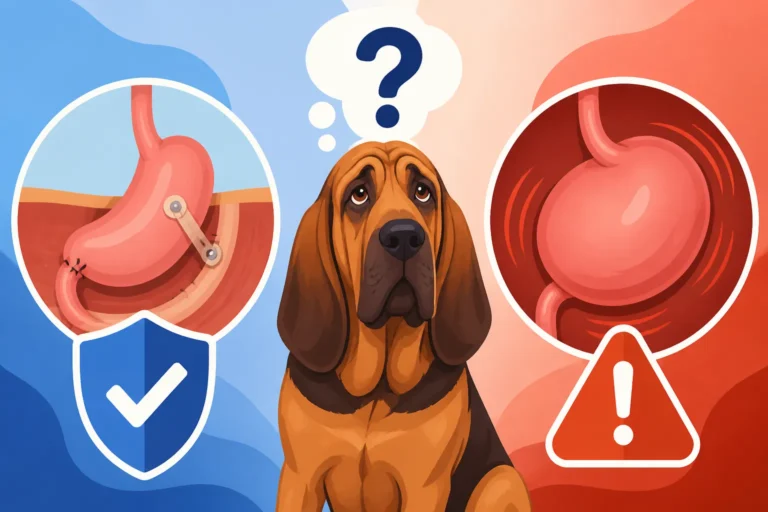
Gastric Dilatation-Volvulus, or GDV, is the medical term for bloat, and it's a condition that strikes fear into the heart of every large dog owner, especially those of deep-chested breeds like our Bloodhounds. It’s not just a bad stomachache; it’s a rapidly progressing, life-threatening emergency where the stomach first fills with gas and then often twists on its axis, cutting off blood flow and trapping everything inside. This twisting motion is what makes it so deadly, and it happens with alarming speed.
Why Bloodhounds Are Particularly Prone to Bloat
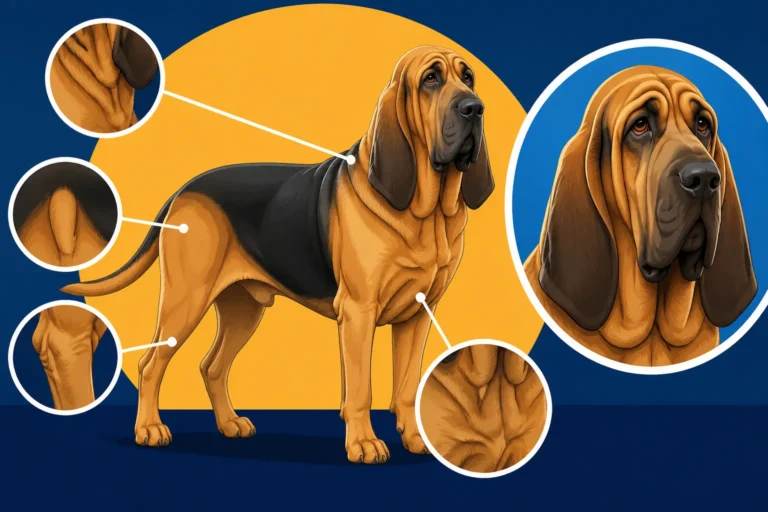
Bloodhounds, with their distinctive deep and narrow chests, are unfortunately predisposed to bloat. This unique physique, while part of their breed standard and built for stamina and scent work, creates an internal environment where the stomach has more room to swing and twist. It's a cruel irony that one of their defining physical characteristics is also their Achilles' heel when it comes to this devastating condition.
Many factors contribute to this predisposition. Their large size means a larger stomach, which can accumulate more gas. Their sometimes frantic eating habits, gulping down food and air, also play a role. Beyond the physical structure, temperament and stress can also be contributors. An anxious Bloodhound might be more prone to gobbling food or experiencing digestive upset, both of which can increase bloat risk. You might be surprised to learn that Bloat Is What Kills Most Bloodhounds and it's a factor we constantly have to be vigilant about.
The Immediate Danger of Bloat
When a Bloodhound's stomach twists, it's not just discomfort they feel. The trapped gas causes immense pressure, affecting breathing and blood circulation. It prevents blood from returning to the heart, leading to shock. Toxins begin to build up in the dying stomach tissue, and if the spleen, which is often attached to the stomach, also twists, it adds another layer of complexity and danger. Time is of the essence; without immediate veterinary intervention, GDV is almost always fatal. Owners need to recognize Signs a Bloodhound Is Bloating quickly and act fast. We often hear stories of how quickly things escalate, underscoring just How Fast Bloat Kills a Bloodhound.
Age as a Risk Factor for Bloat in Bloodhounds
The question of whether a Bloodhound's bloat risk increases after six years old is a significant one for many owners, and the answer, unfortunately, leans towards yes. While bloat can strike at any age, studies and veterinary observations consistently point to an increased incidence in middle-aged to senior dogs.
The Data on Age and Bloat Incidence
Research, including the well-known Purdue Bloat Study, has shed considerable light on the factors contributing to GDV. While the study didn't focus exclusively on Bloodhounds, its findings on large and giant breeds are highly relevant. Generally, the risk of bloat tends to rise with age, with a peak incidence typically observed between seven and twelve years old. This doesn't mean a younger Bloodhound is immune, but rather that the probability increases as they mature into their senior years. What the Purdue Bloat Study Found About Bloodhounds provides more detailed insights into this complex issue.
Why does age play such a role? It's not entirely clear, but several theories exist. Older dogs might have reduced gastric motility, meaning their stomachs don't empty as efficiently. Their abdominal ligaments and tissues might also become laxer over time, potentially allowing the stomach more freedom to twist. Additionally, other age-related health issues could contribute to overall stress on the body, making them more vulnerable.
The "After Six" Threshold
For Bloodhounds, the "after six" mark often coincides with what many consider the start of their senior years. While some breeds age slower, for a large breed like a Bloodhound, six years old is a significant milestone. It's around this time that we start noticing subtle changes in their energy levels, their coat, and even their joint health. This period is also often when the cumulative effects of various risk factors begin to converge, making bloat a more pressing concern. Aging in a Bloodhound Starts at Six covers more comprehensively the changes to expect around this age.
It's not that a Bloodhound will bloat simply because they turn six, but rather that the foundational risk factors, which might have been present but latent in their younger years, become more pronounced. This increased vigilance isn't meant to cause alarm but to empower owners to be more proactive in managing their older Bloodhound's health.
Other Factors Influencing Bloat Risk in Older Bloodhounds
While age is a significant risk factor, it rarely acts in isolation. A complex interplay of genetics, diet, feeding habits, stress, and overall health status all contribute to a Bloodhound's susceptibility to bloat, especially as they get older. Understanding these additional factors allows us to implement a more holistic preventative strategy.
Genetics and Family History
Genetics play a undeniable role in bloat predisposition. If a Bloodhound's parents or close relatives experienced bloat, their offspring might have an elevated risk, regardless of age. This genetic component underscores the importance of choosing a responsible breeder who is transparent about the health history of their lines. Even in older dogs, this inherent genetic predisposition remains a constant background factor, interacting with age-related changes to elevate risk further.
It's a difficult truth, but sometimes we inherit more than just good looks and a keen nose from our beloved hounds' lineage. Responsible breeding practices, including screening for conditions and tracking occurrences of bloat in family lines, can help reduce the incidence over generations, but for our existing companions, understanding their personal genetic blueprint is key.
Diet and Feeding Practices
How and what your Bloodhound eats can significantly impact their bloat risk, and this becomes even more crucial as they age.
- Meal Frequency: Splitting daily food rations into two or three smaller meals instead of one large one can reduce the amount of gas ingested and the stomach's distension at any given time. This is a practice highly recommended for all large breeds, but particularly older Bloodhounds.
- Eating Speed: Fast eaters tend to gulp more air along with their food. Slow-feeder bowls or placing obstacles in a regular bowl can encourage a more measured pace.
- Food Type: While the debate over specific ingredients continues, avoiding sudden dietary changes and feeding a high-quality, consistent diet is generally advised. Some studies suggest certain ingredients or kibble types might be associated with higher risk, but more definitive research is needed.
- Water Intake: Ensuring access to fresh water is important, but preventing excessive water consumption immediately before or after meals or heavy exercise can also be a consideration.
- Pre- and Post-Meal Activity: Vets generally recommend avoiding strenuous exercise or excited play for at least an hour before and two hours after meals. This allows the stomach to digest food without excessive movement or jostling.
Stress and Anxiety Levels
Stress and anxiety can have a profound impact on a dog's digestive system. Anxious dogs might eat more quickly, leading to increased air intake. Chronic stress can also affect gut motility and overall digestive health. A Bloodhound with an anxious disposition, or one experiencing significant life changes (like moving, loss of a companion, or new household members), might face an additional layer of bloat risk. Maintaining a calm, predictable environment and addressing underlying anxiety can be a part of a comprehensive prevention strategy. Some experts even believe Whether an Anxious Bloodhound Bloats More is a valid concern.
Overall Health and Underlying Conditions
As Bloodhounds age, they become more susceptible to other health issues, such as heart disease, hypothyroidism, or joint problems. These conditions, while not directly causing bloat, can contribute to overall systemic stress or alter digestive function, potentially increasing vulnerability. For example, a Bloodhound with advanced arthritis might be more sedentary, which can also affect gut health. Regular veterinary check-ups are paramount for older Bloodhounds to monitor for these conditions and manage them effectively.
Mitigating Bloat Risk in Senior Bloodhounds
Preventing bloat in any Bloodhound is a top priority, but for our senior hounds, the stakes are even higher. Proactive measures and careful management can significantly reduce their risk, offering both them and us a greater sense of security.
Dietary Adjustments and Feeding Strategies
As we discussed, diet plays a massive role. For an older Bloodhound, these adjustments become even more critical:
- Multiple Small Meals: Aim for at least two, preferably three, small meals spread throughout the day. This reduces the volume of food in the stomach at any one time and minimizes gulping air.
- Slow Feeder Bowls: Invest in a good quality slow feeder bowl. Brands like Outward Hound offer various designs that make eating more challenging and thus slower. This forces your Bloodhound to take smaller bites and ingest less air.
- Consistent Schedule: Feed your Bloodhound at roughly the same times each day. Predictability can reduce anxiety around meal times, which in turn can help prevent rapid eating.
- Avoid Extreme Exercise Around Meals: Never feed your senior Bloodhound immediately before or after heavy exercise or vigorous play. Give them at least an hour to settle before eating and two hours afterward to digest peacefully. A gentle stroll is fine, but no running or jumping.
- Hydration Control: Provide fresh water consistently but monitor gulping after meals or exercise. You might temporarily restrict large gulps right after a meal by offering smaller amounts more frequently.
The Role of Preventive Gastropexy
For many owners of deep-chested breeds, a preventive gastropexy is the ultimate peace of mind. This surgical procedure permanently attaches the stomach to the abdominal wall, preventing it from twisting. While it doesn't stop the stomach from filling with gas (dilatation), it eliminates the deadly twist (volvulus).
For a senior Bloodhound, the decision for a gastropexy can be more complex due to anesthesia risks associated with age. However, the benefits often outweigh the risks, especially if the dog is otherwise healthy. Discuss this thoroughly with your veterinarian. They can assess your Bloodhound's overall health and determine if they are a good candidate. Many owners find that deciding The Gastropexy Decision Every Bloodhound Owner Faces is one of the most important ones. If you're considering it, learning What a Preventive Gastropexy Does for a Bloodhound can help.
A gastropexy can be performed laproscopically, which is less invasive and typically results in a faster recovery, potentially making it a more viable option for older dogs. While the upfront cost is an investment, it pales in comparison to the emergency surgery for bloat, which can run into thousands of dollars. Having a pet insurance plan from a provider like Healthy Paws can be incredibly beneficial in offsetting these costs, whether for a preventive procedure or, heaven forbid, an emergency.
Regular Veterinary Care and Monitoring
Consistent veterinary care is non-negotiable for senior Bloodhounds. Regular check-ups allow your vet to:
- Monitor Overall Health: Address any age-related conditions promptly, which indirectly supports digestive health.
- Discuss Concerns: Talk about any changes in eating habits, energy levels, or behavior that might signal an increased risk of bloat or other health issues.
- Weight Management: Keeping your Bloodhound at a healthy, lean weight is crucial. Obesity can contribute to many health problems, including potentially increasing abdominal pressure. Your vet can guide you on proper nutrition for a senior hound.
- Medication Review: Review any medications your Bloodhound is on. Some drugs can affect gastric motility or overall digestive health.
Managing Stress and Anxiety
As Bloodhounds age, they might become more sensitive to changes in their environment or routine. Minimize stressors where possible:
- Consistent Routine: Older dogs thrive on routine. Maintain consistent feeding times, walk schedules, and bedtime rituals.
- Comfortable Environment: Ensure your Bloodhound has a quiet, comfortable space to retreat to.
- Gentle Exercise: Continue with appropriate, gentle exercise to keep their muscles strong and digestive system active without overexertion. Avoid high-impact activities that might cause their stomach to jostle.
- Enrichment: Continue to provide mental stimulation, such as puzzle toys or gentle scent games, to keep their minds engaged and reduce boredom-induced anxiety.
| Factor | Impact on Bloat Risk (General) | Specific Considerations for Older Bloodhounds |
|---|---|---|
| Age | Increases with age | Significant increase after 6-7 years |
| Deep Chest | High risk | Remains a constant, non-modifiable factor |
| Eating Speed | Faster eating = higher risk | May become more frantic with age or competition |
| Meal Frequency | Fewer large meals = higher risk | More crucial to split into multiple small meals |
| Exercise Around Meals | High activity = higher risk | Rest periods become even more vital |
| Stress/Anxiety | Higher anxiety = higher risk | May increase with age-related changes or discomfort |
| Genetics | Inherited risk | Remains a constant factor throughout life |
| Overall Health | Poor health = higher risk | Other age-related conditions add to overall risk |
Taking these steps provides a robust defense against bloat for your aging Bloodhound. Pet insurance providers like Healthy Paws often cover emergency bloat surgery, and it’s always a good idea to understand your policy’s specifics before an emergency strikes. Being prepared is the best gift you can give your cherished companion.
What to Do if You Suspect Bloat in an Older Bloodhound
Even with the most diligent preventative measures, bloat can still happen. Recognizing the signs and acting immediately is absolutely critical, especially with an older Bloodhound who may have less physiological reserve to cope with such a severe medical crisis.
Immediate Action and Emergency Contact
The moment you suspect bloat, you need to initiate your emergency plan. This means:
- Contact Your Vet or Emergency Clinic Immediately: Do not wait to see if symptoms improve. Time is literally a matter of life and death. Call ahead to let them know you are coming and describe your Bloodhound's symptoms. This allows them to prepare for your arrival, potentially saving precious minutes. Have the phone numbers for your regular veterinarian and the nearest 24/7 emergency veterinary hospital easily accessible.
- Head to the Clinic: Transport your Bloodhound calmly but quickly. If possible, have someone else drive so you can monitor your dog. Keep them as comfortable as possible. Avoid trying to "fix" it yourself by giving antacids or trying to induce vomiting, as this can worsen the situation or cause aspiration.
- Stay Calm (as much as possible): Your Bloodhound will pick up on your stress, which can exacerbate their own. While terrifying, try to remain as calm and reassuring as you can for your dog.
Recognizing the Signs, Especially in Older Dogs
Older Bloodhounds might exhibit the classic signs of bloat, but sometimes their presentation can be more subtle. Key symptoms to watch for include:
- Retching without producing anything: This is a hallmark sign. Your Bloodhound will look like they're trying to vomit but nothing comes up, or only foamy saliva.
- Distended abdomen: The belly will appear visibly swollen, tight, and painful to the touch.
- Restlessness and discomfort: Pacing, unable to lie down comfortably, stretching, looking at their flank.
- Pain: Whining, groaning, or showing signs of discomfort when touched around the abdomen.
- Drooling and pale gums: Signs of shock.
- Weakness and collapse: In later stages, they may become weak or collapse.
Remember, older dogs might not be as outwardly vigorous in their symptoms due to general malaise or other concurrent conditions, making your keen observation even more important. Any sudden change in behavior coupled with abdominal discomfort should raise a red flag. The Prayer Position a Bloating Bloodhound Takes is a specific posture to look out for.
The Importance of Prompt Veterinary Care
Once at the clinic, the veterinary team will work quickly to stabilize your Bloodhound. This typically involves:
- Decompression: Releasing the gas from the stomach, often with a tube or needle.
- Fluid Therapy: Administering intravenous fluids to combat shock.
- Pain Management: Providing medication to ease their pain.
- X-rays: To confirm the diagnosis of GDV and assess the degree of twist.
- Surgery: If GDV is confirmed, emergency surgery is usually necessary to untwist the stomach and perform a gastropexy to prevent recurrence. This is where a plan with your vet and potentially your pet insurance, like Healthy Paws, comes into play, as the costs can be substantial. What Emergency Bloat Surgery Costs on a Bloodhound is an important consideration.
The prognosis for bloat significantly improves with rapid intervention. Every minute counts, and your swift action can make all the difference in your senior Bloodhound's survival.
Disclaimer
This article is intended for informational purposes only and is not a substitute for professional veterinary advice. Always consult with a qualified veterinarian for any health concerns or before making any decisions about your Bloodhound's care.