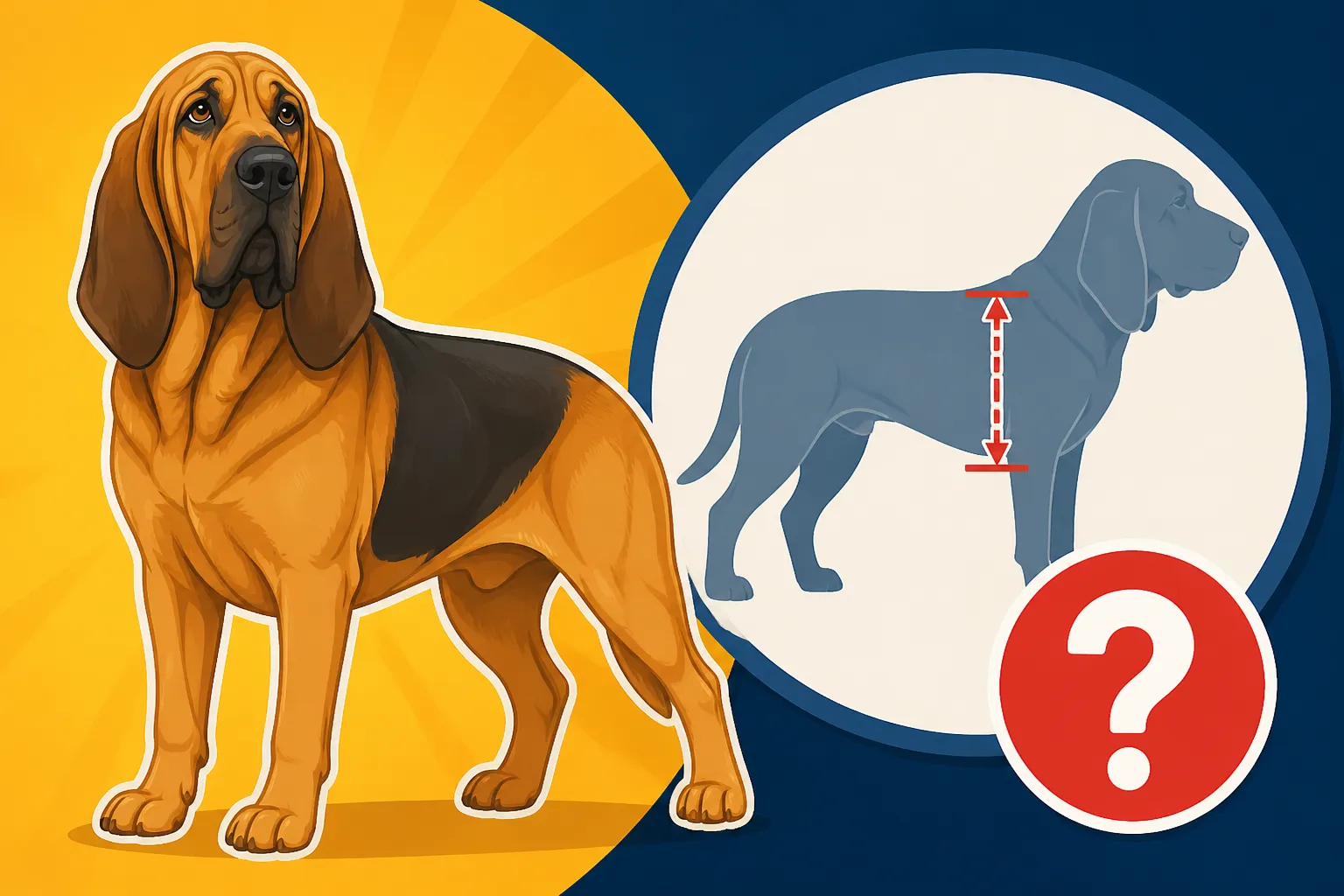
Whether a Bloodhound’s Chest Depth Can Be Measured
One of the most terrifying fears for any Bloodhound owner is bloat, a life-threatening condition that can strike with alarming speed. We often hear that our beloved hounds are prone to it because of their deep, narrow chests, leaving us wondering if there's a way to actually measure this risk. This guide will delve into whether a Bloodhound's chest depth can truly be measured and what that means for understanding and mitigating bloat risk.
Understanding the Bloodhound's Unique Anatomy and Bloat Risk
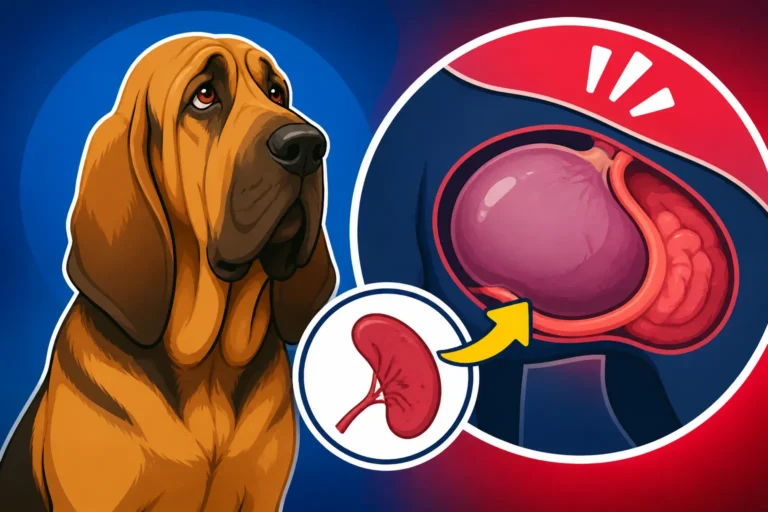
Bloodhounds are magnificent dogs, known for their incredible noses and distinctive, regal appearance. Part of that signature look includes a notably deep chest, a characteristic that, unfortunately, comes with a significant health concern: Gastric Dilatation-Volvulus, or GDV, commonly known as bloat. It's a cruel twist of nature that a breed trait so integral to their identity can also be such a deadly vulnerability.
The Deep, Narrow Chest Conundrum: Why It Matters for Bloodhounds
When we talk about a "deep, narrow chest" in Bloodhounds, we're referring to a chest cavity that extends far down, often past their elbows, while not being exceptionally broad from side to side. This conformation creates more space for the stomach to twist and flip on itself, an event that cuts off blood supply and traps gas. It's not just a casual observation; this specific body shape is a known risk factor, heavily implicated in studies like the groundbreaking Purdue Bloat Study. For us owners, it's a constant, nagging worry, knowing that this inherent physical trait puts our dogs at a higher risk. You might look at your dog sprawling on the living room floor and just know their chest is deep, but the question remains: is it deep enough to be a problem, and can you put a number on that? The frustration comes from feeling like this crucial risk factor is something you can see but not quantify easily. Understanding Why a deep narrow chest puts a Bloodhound at risk is the first step in addressing this concern.
Visual Assessment vs. Precise Measurement: What You Can and Cannot Do at Home
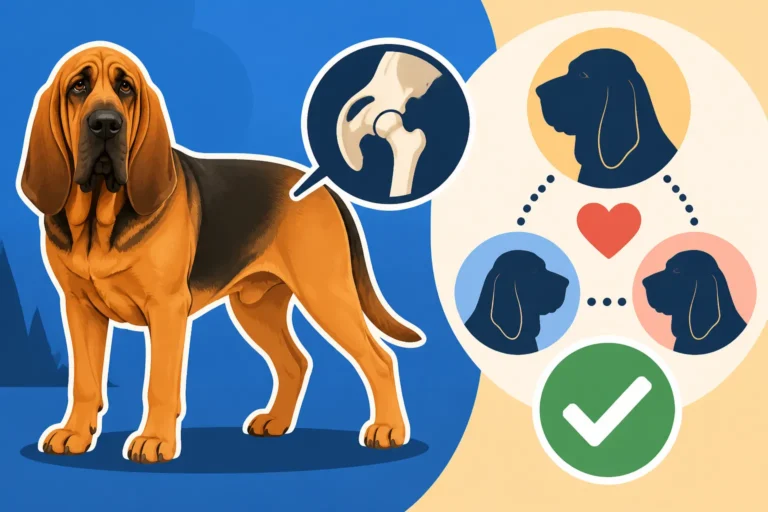
Visually assessing your Bloodhound's chest is something you do every day, probably without even thinking about it. You can easily see how deep their ribcage extends, often observing that it goes well past their elbows. You might even compare them to other breeds, noting how different their silhouette is from, say, a Labrador. This visual check offers a general understanding, but it lacks the precision needed for a true risk assessment.
At home, you can use a tape measure to get some basic numbers. You can measure the circumference of their chest right behind the front legs, and then try to measure the depth from the top of their spine down to the bottom of their sternum. However, getting an accurate depth measurement can be tricky. A dog won't stand perfectly still, their skin and fur can make it hard to find consistent landmarks, and even slight changes in posture can skew the results. These home measurements are fantastic for tracking growth or overall fitness, but they aren't typically used by veterinarians to predict bloat risk with clinical accuracy. The nuanced understanding of Whether a Bloodhound's chest depth can be measured lies in recognizing the limitations of home assessments versus professional diagnostic tools.
Methods for Measuring Chest Depth in Bloodhounds
So, while your trusty tape measure might give you a general idea, true, clinically relevant measurements of a Bloodhound's chest depth often require more specialized tools and techniques. This is where veterinary science steps in, offering methods that provide a much clearer picture of their internal anatomy.
The Role of Veterinary Imaging: X-rays and Specialized Tools
When it comes to precisely measuring chest depth and its relationship to bloat risk, veterinary imaging is the gold standard. X-rays, in particular, allow veterinarians to get a clear, two-dimensional view of your Bloodhound's internal thoracic and abdominal structures. From these images, a vet can accurately measure the depth of the chest relative to its width, generating a chest depth-to-width ratio. This ratio is often a more telling indicator than simple depth alone, as it considers the overall proportion of the chest cavity.
For instance, a veterinary specialist, perhaps at a referral center like the Cummings School of Veterinary Medicine at Tufts University, might take specific radiographic views to best assess these dimensions. They aren't just looking at the absolute numbers but how they relate to each other. While this isn't a routine procedure for every Bloodhound owner, it could be part of a broader diagnostic workup if there are other concerns, or even in research settings focused on breed-specific health issues. For pet owners concerned about such diagnostics, it's worth noting that pet insurance providers like Healthy Paws can often help with the costs of these more advanced imaging techniques, making critical health decisions more accessible. This kind of precise measurement helps us understand Why a Bloodhound's chest shape causes Bloat on a deeper, more scientific level.
Practical Home Measurement: What Owners Can Realistically Gauge
While precise, clinically relevant measurements for bloat risk are best left to veterinary professionals, that doesn't mean you can't observe and take some practical measurements at home. As a Bloodhound owner, you're already intimately familiar with your dog's build, and a simple tape measure can offer a useful baseline for your own records.
To take a basic chest depth measurement at home, have your Bloodhound stand squarely on all four legs. Locate the highest point of their back, just behind their shoulder blades, and the lowest point of their sternum, which is typically just behind their elbows. Carefully run a flexible tape measure from the top point straight down to the bottom point. It’s a good idea to do this a few times and average the results, as your dog might shift. You can also measure the circumference of their chest right behind their front legs.
While these numbers won't give you a clinical bloat risk ratio, they can be valuable for:
- Tracking Growth: For puppies, these measurements help you monitor their development and ensure they're growing at a healthy rate.
- Monitoring Weight: Changes in these measurements, especially circumference, can indicate weight gain or loss, helping you keep your Bloodhound at a healthy, lean weight, which is important for overall health and potentially for reducing bloat risk.
- General Observation: Having these numbers can give you a better feel for your individual dog's build and any subtle changes over time.
Remember, the goal here isn't to diagnose or predict bloat but to better understand your own dog's physical characteristics. You're trying to get a sense of your dog's proportions, not to compare them against a universal bloat-risk chart. It's one piece of the puzzle in taking proactive care, alongside measures like Feeding a Bloodhound So It Does Not Bloat and regular vet check-ups.
Interpreting Chest Depth Measurements and Bloat Prevention
Even with precise measurements, it's crucial to understand that chest depth is just one piece of a very complex puzzle when it comes to bloat. While it's a significant risk factor, no single measurement can definitively predict whether your Bloodhound will suffer from GDV. Our focus as owners should always be on a multi-faceted approach to prevention and preparedness.
What a "High-Risk" Chest Might Look Like
When veterinarians discuss a "high-risk" chest for bloat, they're not usually pointing to a specific measurement in inches or centimeters. Instead, they often refer to the chest depth-to-width ratio derived from X-rays. A higher ratio, meaning a chest that is significantly deeper than it is wide, is generally considered to be a contributing anatomical factor to increased bloat risk. Think of it like a long, narrow hallway that allows for more movement and potential twisting compared to a wide, shallow room.
However, even with this scientific approach, it's not a simple cut-off point. There isn't a magic number that guarantees bloat, nor one that ensures complete safety. The Purdue Bloat Study, for example, highlighted this anatomical predisposition in deep-chested breeds like the Bloodhound, but it also identified other factors, such as eating speed, diet, stress, and even genetics. So, while your vet might use phrases like "deep-chested conformation" to describe your Bloodhound, they're typically indicating a general predisposition rather than a precise prediction based solely on measurement. It's about cumulative risk, not a single metric. This is why knowing Whether a Bloodhound Bloats More After Six or if specific environmental factors contribute is just as important.
Proactive Steps Beyond Measurement: Diet, Exercise, and Preventative Surgery
While measuring chest depth provides some insight, the real power lies in the proactive steps you can take to manage your Bloodhound's overall risk for bloat. This isn't just about understanding the anatomy; it's about daily care and forward-thinking decisions.
First, dietary management plays a huge role. Instead of feeding one large meal, splitting your Bloodhound's food into two or even three smaller meals a day can reduce the amount of gas and food in the stomach at any one time, lowering immediate risk. Many owners find that using a slow-feeder bowl or puzzle feeder helps to prevent their Bloodhound from gulping down food too quickly, another known risk factor. Consider a conversation with your vet about How Many Meals a Day a Bloodhound Should Eat to tailor a feeding plan.
Second, managing exercise around meal times is critical. Avoid strenuous exercise or rough play for at least an hour before and two hours after meals. A full, active stomach is much more likely to twist. Similarly, ensure access to fresh water but prevent excessive gulping immediately before or after eating.
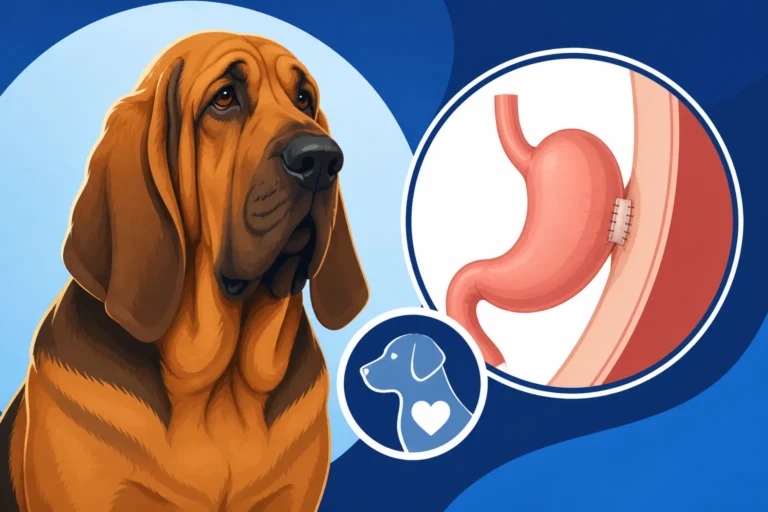
Third, and perhaps most significantly, is the option of a preventative gastropexy. This surgical procedure tacks the stomach to the abdominal wall, preventing it from twisting – the most dangerous aspect of bloat. It doesn't prevent the stomach from dilating (filling with gas), but it largely prevents the life-threatening volvulus. Many Bloodhound owners choose to have this procedure done when their dog is spayed or neutered, or as a standalone surgery, usually around one to two years of age. It's a decision every Bloodhound owner faces, and understanding The Gastropexy Decision Every Bloodhound Owner Faces can literally be a lifesaver. While it comes with a cost, some pet insurance plans, like those from Healthy Paws, may cover a portion of preventative surgeries if deemed medically necessary, making it a viable option for many.
Being vigilant for Signs a Bloodhound Is Bloating is also non-negotiable. Knowing the symptoms can mean the difference between life and death, even if you’ve taken all preventative measures. Ultimately, while chest depth measurement helps us understand a predisposition, it's the combination of careful management, mindful feeding, and preventative medical intervention that truly offers your beloved Bloodhound the best chance against bloat. If you're wondering about the financial aspect, remember What a Preventive Gastropexy Does for a Bloodhound and compare it to What Emergency Bloat Surgery Costs on a Bloodhound.
Here's a quick look at the differences between how we might assess chest depth:
| Feature | Home Visual/Tape Measure Assessment | Veterinary Radiographic Measurement |
|---|---|---|
| Purpose | General observation, tracking growth/weight, personal understanding. | Clinical risk assessment, diagnostic aid for specific conditions, research. |
| Accuracy | Subjective, prone to error, affected by fur/movement. | Objective, precise, uses anatomical landmarks. |
| Information | Raw depth/circumference numbers. | Depth-to-width ratio, internal organ relationships. |
| Bloat Risk | Provides a general sense of "deep-chested" conformation. | Contributes to a multi-factor risk assessment by a professional. |
| Accessibility | Easily done by any owner at home. | Requires veterinary visit, specialized equipment (X-ray). |
| Cost | Free (if you have a tape measure). | Involves veterinary fees for consultation and imaging. |
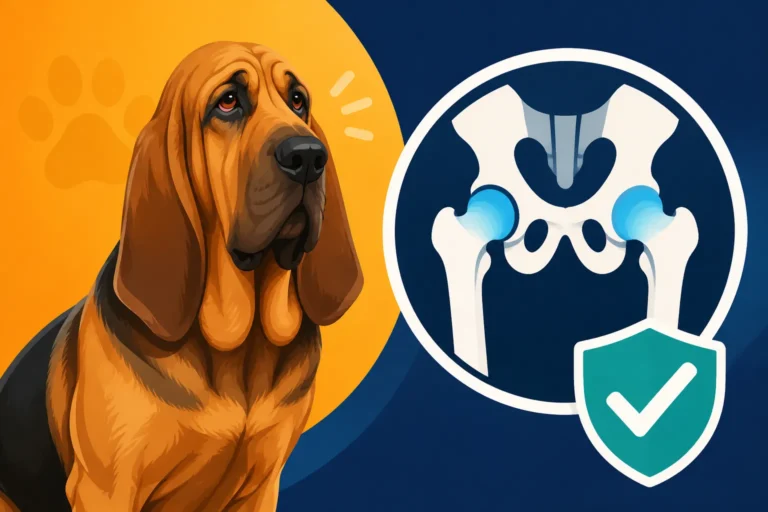
A final thought: owning a Bloodhound is a deeply rewarding experience, but it also comes with a unique set of responsibilities. Understanding their predispositions and taking proactive steps is part of being a good guardian. Just like you'd plan for other potential health issues, like Hip and Elbow Dysplasia in the Bloodhound, anticipating and acting on bloat risk is paramount. It’s why many owners ensure they have an Whether a Bloodhound Owner Needs an Emergency Fund in place or robust pet insurance coverage.
Disclaimer
The information provided in this guide is for general educational purposes only and should not be considered a substitute for professional veterinary advice. Always consult with a qualified veterinarian for any health concerns or before making any decisions related to your Bloodhound's care.