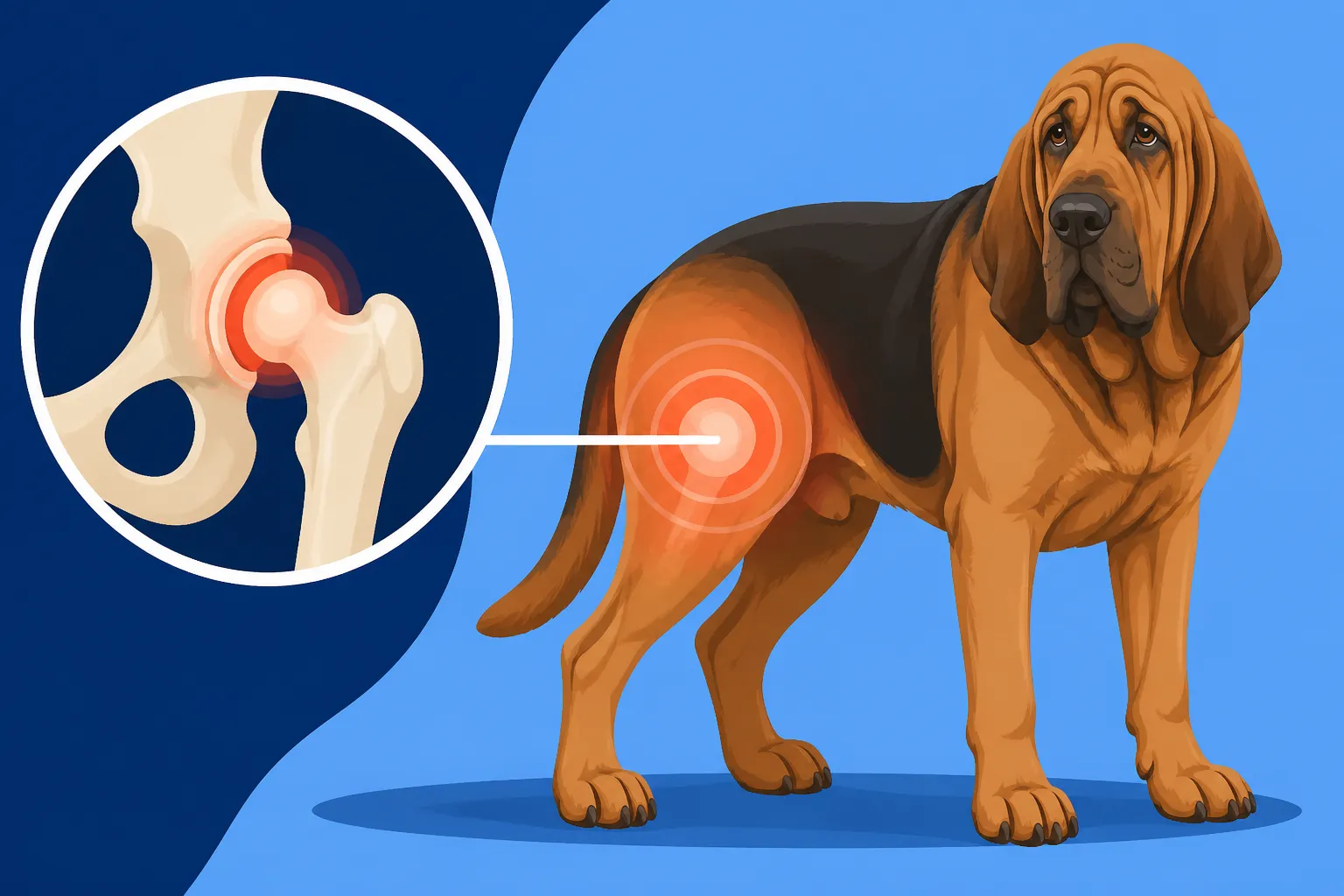
Hip Dysplasia in a Bloodhound
Bringing a Bloodhound into your life is an incredible journey filled with loyalty, laughter, and a whole lot of drool. But let's be honest, it also comes with its fair share of worries, especially when it comes to their health. One of the biggest fears for any large breed owner is seeing their beloved companion struggle with mobility, and for Bloodhounds, hip dysplasia looms large as a common and often painful reality. This guide is here to walk you through everything you need to know about hip dysplasia in Bloodhounds, from understanding what it is to managing it and even preventing it.
Understanding Hip Dysplasia in Bloodhounds
It's a scary term, "hip dysplasia," and hearing it associated with your Bloodhound can feel like a punch to the gut. But by understanding exactly what we're up against, we can better prepare to face it head-on. This isn't just about a little limping; it's a significant structural issue that can severely impact your hound's quality of life.
What Exactly Is Hip Dysplasia?
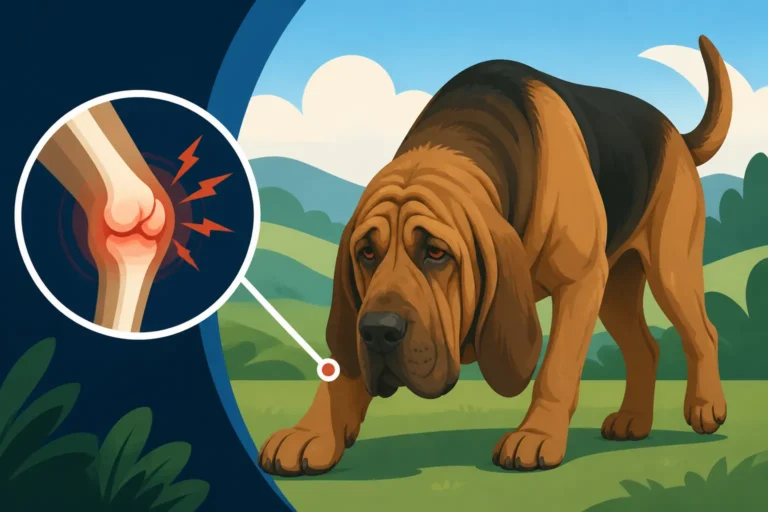
At its core, hip dysplasia is a malformation of the hip joint. In a healthy hip, the head of the femur (thigh bone) fits snugly into the acetabulum, which is the cup-shaped socket in the pelvis. It's like a perfectly smooth ball-and-socket joint, allowing for fluid, pain-free movement. However, with hip dysplasia, this fit isn't quite right. The socket might be too shallow, the femoral head might be misshapen, or the ligaments that hold them together might be too loose.
This poor fit means the joint isn't stable. Instead of gliding smoothly, the bones rub and grind against each other. Over time, this friction leads to cartilage damage, inflammation, pain, and eventually, degenerative joint disease or osteoarthritis. Imagine trying to walk with a shoulder that keeps popping out of its socket – that's a bit what it's like for a dog with severe hip dysplasia. The discomfort can range from mild to debilitating, affecting everything from their playful zooms to simply standing up from a nap.
Why Bloodhounds Are Prone to It
Bloodhounds, like many other large and giant breeds, have a genetic predisposition to hip dysplasia. It’s not just bad luck; it’s often written in their genes. Their massive size and rapid growth during puppyhood are significant contributing factors. A Bloodhound puppy can pack on pounds at an astonishing rate, sometimes growing faster than their bones and joints can properly develop and solidify. This rapid growth can exacerbate any underlying genetic tendency for loose joints.
Their conformation, which we adore – that deep chest and heavy, powerful build – also places immense stress on their hip joints throughout their lives. Every step, every bounce, every time they stand up, their hips are bearing a significant load. While genetics load the gun, environmental factors like diet, exercise, and even slippery surfaces can pull the trigger, influencing how severely the condition manifests. It's a complex interplay, and understanding this helps us realize that managing their environment from a young age can make a big difference.
The Different Grades of Dysplasia
When a veterinarian or specialist evaluates a Bloodhound for hip dysplasia, they often assign a "grade" to describe the severity of the condition. This grading is typically done using standardized radiographic evaluations, like those from the Orthopedic Foundation for Animals (OFA) or PennHIP. These systems offer different ways to assess the joint laxity and degenerative changes present. For instance, you might hear about scores like "Excellent," "Good," "Fair," "Borderline," "Mild," "Moderate," or "Severe" from OFA.
A "mild" grade might mean there's some slight laxity in the joint and minimal changes to the bone, potentially causing intermittent pain, especially after strenuous activity. A "moderate" grade indicates more significant laxity and noticeable arthritic changes, often leading to more consistent pain and reduced mobility. "Severe" dysplasia means profound joint instability and extensive degenerative changes, resulting in chronic pain, significant lameness, and a severely compromised quality of life. Understanding these grades helps guide treatment decisions, from conservative management to complex surgical options, as discussed in What an OFA Hip Score Means for a Bloodhound.
Recognizing the Signs and Symptoms
Catching hip dysplasia early in your Bloodhound can make a world of difference in managing the condition and preserving their mobility. Sometimes the signs are subtle, almost imperceptible, especially in stoic hounds who hide their discomfort. Other times, it's tragically obvious. As their primary caregiver, you are their best advocate for detecting these changes.
Early Warning Signs in Puppies
It’s heartbreaking to think of a puppy in pain, but hip dysplasia can begin to show its face even in young Bloodhounds. Early signs might not be as dramatic as a full-blown limp. Instead, you might notice a subtle lameness, especially after they've been playing hard or just woken up from a nap. They might hesitate before jumping, be reluctant to climb stairs, or seem unusually tired after moderate activity. Watch them run: a classic sign of hip dysplasia in puppies is a "bunny hop" gait, where they use both back legs simultaneously, like a rabbit, to minimize the impact on their hips.
They might also exhibit a decreased range of motion in their hind legs, or you might notice a general stiffness in their hindquarters. Some puppies might even show an unusual way of sitting, often sitting squarely on one side rather than symmetrically. Don't dismiss these subtle cues as just "puppy clumsiness." If you have any concerns, it's always best to bring them up with your vet right away.
Symptoms in Adolescent and Adult Bloodhounds
As Bloodhounds mature, the symptoms of hip dysplasia often become more pronounced due to the ongoing wear and tear on the joints and the progression of osteoarthritis. You'll likely notice increasing stiffness, particularly after periods of rest, such as first thing in the morning or after a long nap. They might struggle to stand up from a lying position, taking a few awkward attempts before getting steady. Pain after exercise is another common complaint; a Bloodhound who usually loves a good run might be reluctant or overtly limping after even a short play session.
They might shift their weight forward to alleviate pressure on their hips, leading to an exaggerated sway in their gait. Over time, you may observe a loss of muscle mass in their hindquarters, as they naturally use those muscles less due to pain, while the muscles in their front legs might appear overdeveloped as they compensate. Some dogs become irritable or withdrawn due to chronic pain, affecting their overall demeanor. If you notice your typically gregarious hound becoming withdrawn or less enthusiastic about their favorite activities, pain could be a significant factor. Remember, Aging in a Bloodhound Starts at Six, and joint issues can certainly become more prevalent as they get older.
When to Consult Your Veterinarian
The moment you suspect something isn't quite right with your Bloodhound's gait or comfort level, it's time to call your veterinarian. Don't wait for the symptoms to become severe or constant. Early diagnosis allows for earlier intervention, which can significantly slow the progression of the disease and manage pain more effectively. Even if the signs are intermittent or subtle, they warrant investigation.
Your vet will conduct a thorough physical examination and discuss your observations. Be prepared to describe exactly what you're seeing – when the symptoms occur, how long they last, and what seems to make them better or worse. This detailed information is crucial for your vet to piece together the full picture and recommend the appropriate diagnostic steps. Remember, your vet is your partner in your Bloodhound's health journey.
Diagnosing Hip Dysplasia in Your Bloodhound
Once you've noticed the tell-tale signs, the next step is a formal diagnosis. This usually involves a combination of physical examination and imaging techniques. It's a critical process, as an accurate diagnosis dictates the most effective treatment plan and helps you understand the road ahead for your loyal companion.
The Role of Physical Examination
When you bring your Bloodhound to the vet with concerns about their hips, the first thing they'll do is a comprehensive physical exam. This isn't just a quick look-over. Your vet will observe your dog's gait, how they stand, and how they sit. They'll then carefully palpate (feel) the hip joints, looking for any signs of pain, swelling, or crepitus (a grinding sensation). They'll also assess the range of motion in each hip, gently extending and flexing the legs to see if there's any discomfort or limitation in movement.
One key test they might perform, particularly in younger, more relaxed Bloodhounds, is the Ortolani sign. This test involves gently manipulating the hip joint to assess for laxity. If the femoral head can be felt popping in and out of the socket, it indicates significant joint looseness, a hallmark of hip dysplasia. Sometimes, sedation is required to get an accurate assessment during these physical maneuvers, as tense muscles can mask the true degree of laxity.
The Importance of X-rays
While a physical exam can raise strong suspicions, X-rays are the gold standard for definitively diagnosing hip dysplasia. These radiographs allow your veterinarian to visualize the bone structure of the hips and evaluate the degree of joint laxity and any arthritic changes. For accurate X-rays, especially when submitting to organizations like OFA, your Bloodhound will need to be sedated or anesthetized. This ensures they are perfectly positioned, relaxed, and still, preventing any movement that could obscure the view or lead to a misdiagnosis.
During the X-ray process, several specific views are typically taken. A standard ventrodorsal extended view (dog on its back, legs extended straight) is common, but your vet might also take a "frog-leg" view (dog on its back, knees bent, and hips rotated outward) or stress views to better assess joint laxity. These images are then carefully evaluated for factors such as the depth of the acetabulum, the coverage of the femoral head, and the presence of any secondary osteoarthritic changes like bone spurs. We highly recommend getting X-rays done at The Age a Bloodhound's Hips Are X-Rayed for the best diagnostic clarity.
Advanced Imaging and Specialist Consultations
In some complex cases, or when a clearer picture is needed for surgical planning, your veterinarian might recommend advanced imaging techniques. Computed Tomography (CT) scans and Magnetic Resonance Imaging (MRI) can provide a more detailed, three-dimensional view of the bone, cartilage, and soft tissues around the hip joint, offering insights that traditional X-rays might miss. These technologies can reveal subtle changes or co-existing conditions that might influence the overall treatment strategy.
Additionally, a referral to a board-certified veterinary orthopedic specialist might be recommended. These specialists have extensive training and experience in diagnosing and treating musculoskeletal conditions. They can offer a second opinion, interpret complex imaging, and discuss the full spectrum of treatment options, especially if surgery is being considered. They often have access to cutting-edge techniques and rehabilitation protocols that your general practice vet might not. This collaborative approach ensures your Bloodhound receives the most informed and comprehensive care possible.
Managing and Treating Hip Dysplasia
Receiving a diagnosis of hip dysplasia can feel overwhelming, but it's important to remember that there are many ways to manage the condition and help your Bloodhound live a comfortable, fulfilling life. Treatment approaches range from conservative methods focused on pain management and lifestyle adjustments to more invasive surgical interventions. The best path will depend on the severity of the dysplasia, your dog's age, overall health, and your family's resources.
Conservative Management Strategies
For many Bloodhounds with mild to moderate hip dysplasia, or for those not ideal surgical candidates, conservative management is the first line of defense. The cornerstone of this approach is weight control. Keeping your Bloodhound at a lean, healthy weight is paramount, as every extra pound puts immense strain on already compromised joints. Even a few pounds can make a significant difference in their comfort level.
Exercise modification is also key. While activity is important for muscle maintenance, high-impact activities like jumping, intense running on hard surfaces, or prolonged rough play should be minimized. Instead, focus on low-impact activities like leash walks, swimming, or carefully controlled playtime on soft surfaces. This also ties into How Much Exercise a Bloodhound Actually Needs to ensure they are getting appropriate activity without overexertion.
Pain management involves a combination of approaches. Non-steroidal anti-inflammatory drugs (NSAIDs) are often prescribed to reduce pain and inflammation. Other medications, like gabapentin or amantadine, might be used to target neuropathic pain or complement NSAIDs. Additionally, many owners find success with joint supplements containing ingredients like glucosamine, chondroitin, MSM, and omega-3 fatty acids. While these supplements don't cure dysplasia, they can help support cartilage health and reduce inflammation, contributing to overall joint comfort. Always discuss supplements with your vet to ensure they're appropriate for your Bloodhound and don't interact with other medications.
Surgical Interventions for Hip Dysplasia
When conservative management isn't enough to maintain a good quality of life, surgery becomes a viable option. There are several surgical procedures, each suited to different situations and severities of dysplasia.
One common procedure, especially for smaller dogs or those with unilateral (one side) severe dysplasia, is a Femoral Head Ostectomy (FHO). In an FHO, the head and neck of the femur are removed. The body then forms a "false joint" of scar tissue, and while the dog technically has no hip joint, the pain from bone-on-bone rubbing is eliminated. It's a salvage procedure and typically requires significant physical therapy afterward to build muscle and regain function.
For younger Bloodhounds (typically under a year old) with significant joint laxity but minimal arthritic changes, a Double Pelvic Osteotomy (DPO) or Triple Pelvic Osteotomy (TPO) might be considered. These procedures involve cutting the pelvic bone in multiple places and rotating the segments to improve the coverage of the femoral head by the acetabulum, essentially reshaping the socket for a better fit. This is a complex surgery with a long recovery but aims to restore more normal hip function.
The most comprehensive surgical option, particularly for older dogs with severe, debilitating osteoarthritis, is a Total Hip Replacement (THR). Similar to human hip replacement, this involves replacing the damaged femoral head and acetabulum with prosthetic components made of metal and plastic. A successful THR can completely eliminate hip pain and restore excellent function. However, it is an expensive and specialized surgery, often done at a referral center, and there's a good reason why A Bloodhound's Money Is Spent in the Operating Room is a well-known adage for owners.
Post-Surgical Care and Rehabilitation
No matter which surgical path is chosen, the journey doesn't end when your Bloodhound leaves the operating room. Post-surgical care and rehabilitation are absolutely crucial for a successful outcome. This phase is often demanding, requiring patience and dedication from owners. Your vet will provide detailed instructions, which typically include strict confinement for a period, controlled leash walks, and medication for pain and inflammation.
Physical therapy, or "rehab," is a vital component. This can include a variety of modalities such as hydrotherapy (swimming or underwater treadmill), therapeutic exercises to strengthen muscles and improve range of motion, massage, and cold laser therapy. A certified canine rehabilitation therapist can design a tailored program for your Bloodhound, guiding you through each step. The goal of rehabilitation is to regain strength, flexibility, and overall mobility, helping your Bloodhound return to as normal a life as possible. This phase can be lengthy, sometimes lasting several months, but it significantly impacts the long-term success of the surgery.
Prevention and Responsible Breeding Practices
While hip dysplasia often has a genetic component, there are proactive steps both breeders and owners can take to minimize its risk and impact. Prevention starts even before a Bloodhound puppy is born and continues throughout its most critical growth stages.
Screening Parents with OFA and PennHIP
For prospective Bloodhound owners, one of the most powerful tools for prevention lies in responsible breeding practices. This means choosing a breeder who rigorously health tests their breeding stock. The two most widely recognized methods for hip evaluation in dogs are the Orthopedic Foundation for Animals (OFA) and PennHIP. Both provide objective assessments of hip joint quality, but they do so in different ways.
OFA uses standard X-rays, typically taken after the dog is 24 months old, to evaluate the conformity of the hip joint and the presence of any degenerative changes. Their scores range from Excellent to Severe. PennHIP, on the other hand, evaluates hip laxity (looseness) using a series of specialized X-rays that require specific positioning and training. PennHIP can be performed on dogs as young as 16 weeks and provides a quantitative measure of laxity, giving a percentile ranking for the breed. Understanding Whether PennHIP or OFA Suits a Bloodhound can help you ask the right questions when looking for a puppy.
A responsible breeder will openly provide documentation of OFA or PennHIP clearances for both parent dogs, demonstrating their commitment to reducing the incidence of hip dysplasia in their lines. These clearances indicate that the parents have hips that are structurally sound and unlikely to pass on severe dysplasia to their offspring. This is crucial for protecting the health of the breed and future generations of Bloodhounds. This directly relates to Whether a Bloodhound Should Be Screened Before Breeding.
Here's a quick comparison of OFA and PennHIP:
| Feature | OFA (Orthopedic Foundation for Animals) | PennHIP (University of Pennsylvania Hip Improvement Program) |
|---|---|---|
| Minimum Age | 24 months for final certification | 16 weeks (can predict risk at a younger age) |
| Method | Standard radiographs (X-rays), qualitatively scored by 3 vets | Specialized radiographs, quantitatively measures hip laxity |
| Evaluation | Scores based on conformational quality (Excellent to Severe) | Distraction Index (DI) measurement for laxity, percentile ranking |
| Information | Pass/fail for breeding (Excellent, Good, Fair) | Continuous scale of risk, allows for selection within normal range |
| Anesthesia | Often recommended for optimal positioning | Required for precise measurements |
| Goal | Reduce incidence by identifying poor hips | Identify dogs with genetic predisposition to laxity, even if normal looking |
Nutritional Considerations for Growing Puppies
For Bloodhound puppies, proper nutrition plays a significant role in skeletal development and can influence the expression of hip dysplasia. The key is to support slow, steady growth, rather than rapid weight gain. Feeding a high-quality large breed puppy food is crucial. These formulas are specifically designed with appropriate calcium and phosphorus ratios, and often slightly lower calorie densities, to prevent excessive growth spurts that can put undue stress on developing joints.
Overfeeding a Bloodhound puppy, even with a suitable large breed formula, can lead to accelerated growth and increased risk of joint problems. It's essential to follow feeding guidelines closely and monitor your puppy's body condition regularly, keeping them on the lean side. Resist the urge to let them get chubby, as puppy fat can put extra strain on their forming hips. Many breeders and vets will emphasize keeping large breed puppies on their food until at least 18-24 months of age to support their extended growth phase. Consider what A Bloodhound's First Two Years Cost and how vital proper nutrition is during this time.
Environmental Factors and Lifestyle Choices
Beyond genetics and nutrition, the environment and lifestyle choices you make for your Bloodhound puppy can also impact their hip health. During their critical growth period (up to 18-24 months), it’s important to avoid activities that put excessive stress on their joints. This includes:
- Avoiding excessive jumping: Limit jumping off high furniture, out of cars, or intense fetch sessions involving hard landings.
- Minimizing slippery surfaces: Floors like tile, hardwood, or laminate can cause puppies to splay out, stressing their joints. Use rugs or runners, especially in high-traffic areas, to provide better traction.
- Controlled exercise: While exercise is necessary, avoid forced, prolonged exercise like long runs on concrete. Short, frequent play sessions on soft ground are preferable.
Even as adults, continue to provide an environment that supports joint health. Investing in orthopedic beds, especially as they age, can provide crucial support and comfort. Regular, moderate exercise helps maintain muscle strength around the hips, but always be mindful of overexertion, particularly in hot weather. Thinking about these proactive measures can make a significant difference in minimizing the impact of potential hip issues.
Living with a Bloodhound with Hip Dysplasia
A diagnosis of hip dysplasia isn't the end of the world for your Bloodhound, but it does mean adapting your life and theirs. It's a journey that requires commitment, empathy, and sometimes, a little financial planning. Knowing how to adjust your home and having support systems in place can make this journey much smoother.
Adapting Your Home Environment
Making your home a safe and comfortable haven for a Bloodhound with hip dysplasia is paramount. Small changes can have a huge impact on their daily comfort and ability to move around independently. Start by addressing slippery floors. Lay down non-slip rugs or runners on hardwood, tile, or laminate surfaces, especially in areas where your dog eats, sleeps, and walks most often. This prevents them from slipping and potentially injuring their hips further.
Consider investing in ramps for getting into and out of cars, or for accessing furniture if your Bloodhound is allowed on couches or beds. This eliminates the jarring impact of jumping, which is incredibly painful for dysplastic hips. An orthopedic dog bed is also a non-negotiable. These beds offer superior support and cushioning compared to standard dog beds, relieving pressure on aching joints and promoting better rest. Place multiple beds around the house so your Bloodhound always has a comfortable place to lie down without having to travel far. Raised food and water bowls can sometimes help, but discuss this with your vet, as some studies suggest elevated bowls might increase bloat risk for deep-chested breeds.
The Emotional Toll on Owners
Let's be real, dealing with a chronic condition like hip dysplasia in your beloved Bloodhound takes an emotional toll. It's perfectly normal to feel a mix of frustration, sadness, worry, and even guilt. You might second-guess every decision you've made, wondering if you could have done something differently. Watching your once-active hound struggle to get up or limp after a short walk can be heartbreaking. The financial burden, too, can be a major stressor – the cost of diagnostics, medications, supplements, and potentially surgery can quickly add up. This is where the importance of pet insurance, like Healthy Paws, comes into play, as it can help alleviate some of the financial pressure during these challenging times.
It's okay to acknowledge these feelings. Give yourself grace. You're doing the best you can for your dog. Remember that your Bloodhound feeds off your emotions, so try to remain positive and consistent in their care. Focus on the good days, celebrate small victories, and cherish the bond you share.
Finding Support and Resources
You don't have to navigate the complexities of hip dysplasia alone. Your veterinary team, including your general practitioner and any specialists, is your primary resource for medical advice and treatment plans. Don't hesitate to ask questions, voice concerns, and explore all available options. They can also connect you with certified canine rehabilitation therapists who can guide you through physical therapy exercises and modalities.
Beyond medical professionals, look for support groups, both online and local, for owners of dogs with mobility issues. Sharing experiences, tips, and frustrations with others who understand can be incredibly validating and empowering. Organizations like the American Bloodhound Club may also offer resources or connect you with experienced owners. Finally, revisit your pet insurance options. Providers like Healthy Paws often cover a significant portion of diagnostic tests, medications, and even surgery for conditions like hip dysplasia, provided it's not a pre-existing condition. Planning ahead with insurance can provide immense peace of mind.
Disclaimer
The information provided in this article is for general informational purposes only and is not intended as a substitute for professional veterinary advice. Always consult with a qualified veterinarian regarding any medical concerns or before making any decisions about your Bloodhound's health and treatment plan.