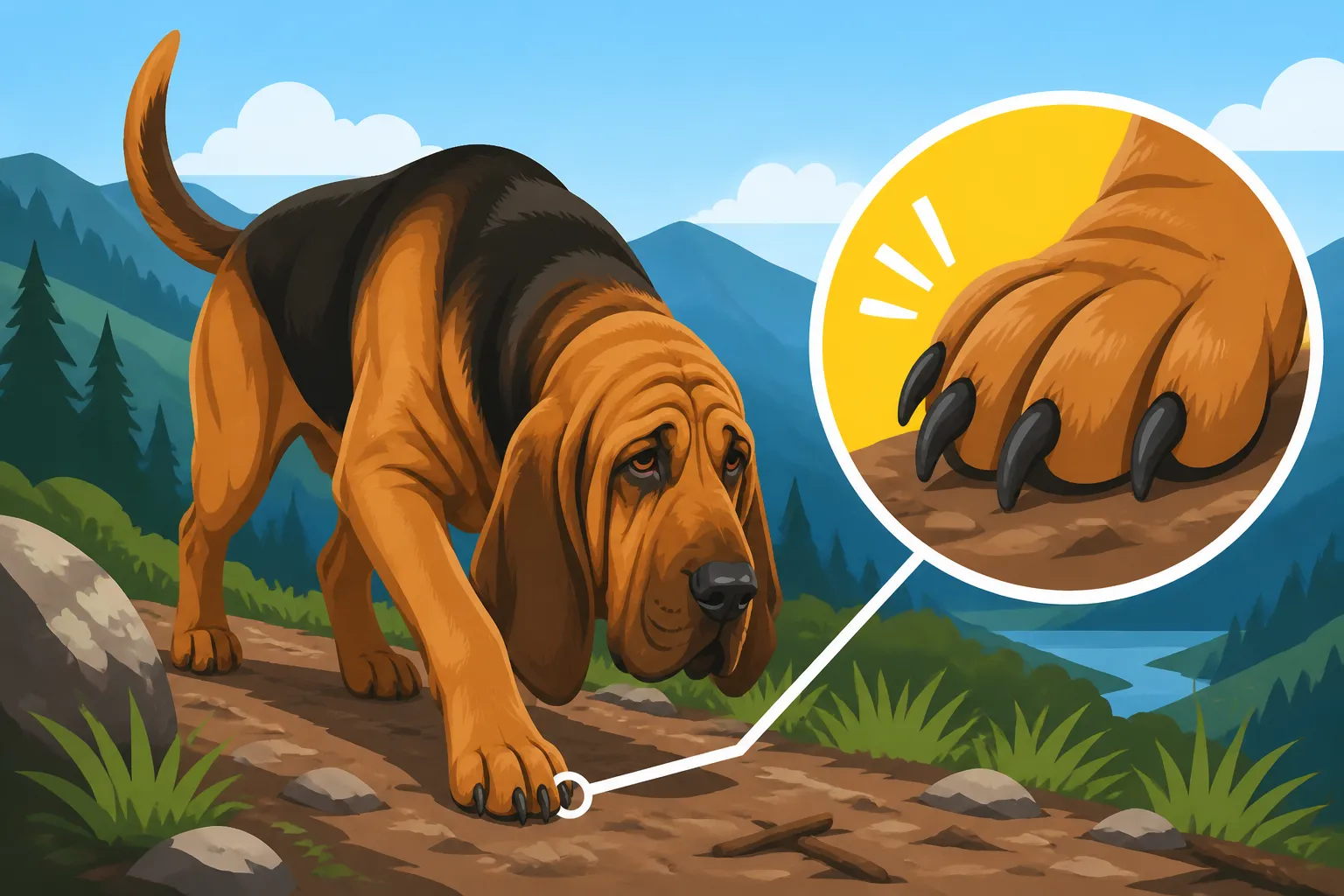
Whether a Bloodhound’s Nails Wear Down on Trail
It's a common hope among Bloodhound owners, especially those active in scent work or contemplating it, that all that pounding the pavement and dirt will magically keep those formidable nails perfectly trimmed. We picture our noble hounds working hard, and in doing so, wearing down their nails naturally, saving us from the struggle of regular clippings. But the reality is often quite different, and the question of whether a Bloodhound's nails truly wear down enough on a trail is a nuanced one that deserves a deep dive. For most Bloodhounds, even those with significant trail time, natural wear simply isn't enough to keep their nails at a healthy length, and relying solely on it can lead to discomfort, pain, and even serious health issues. This guide will explore why this is often the case and what proactive measures you, as a dedicated Bloodhound owner, need to take.
The Nature of Bloodhound Nails and Their Growth
Bloodhound nails are robust, designed for digging and traction, but they grow continuously, much like our own. Understanding their structure and growth patterns is crucial to appreciating why passive wear isn't typically sufficient.
Understanding the "Quick" and Nail Structure
Every one of your Bloodhound's nails contains something called the "quick." This isn't just a funny name; it's a living part of the nail, containing blood vessels and nerves. If you've ever accidentally cut into the quick, you know the immediate pain it causes your dog and the subsequent bleeding. It's a truly upsetting experience for both of you. The quick actually grows along with the nail, extending further down as the nail gets longer. This is why if a Bloodhound's nails are allowed to grow excessively long, the quick grows with them, making it nearly impossible to trim them back to a healthy length without causing pain.
Think of it this way: if your dog's nails are routinely too long, the quick will recede very slowly, if at all. This creates a vicious cycle. The longer the nails, the longer the quick, and the more challenging it becomes to trim them without fear of injury. This is why consistent, even weekly, short trims are often recommended to encourage the quick to recede, allowing the nail itself to be kept shorter. It's not about making a single, drastic cut, but about gradually training the quick to pull back.
The Impact of Genetics and Diet on Nail Health
Just like with coat or overall bone structure, genetics can play a role in the quality and growth rate of your Bloodhound's nails. Some Bloodhounds naturally have incredibly hard, thick nails that seem almost impervious to wear, while others might have nails that are a bit softer and might show more wear. Beyond genetics, diet certainly contributes. A balanced, high-quality diet provides the necessary nutrients for strong, healthy nails, skin, and coat. If a Bloodhound is on a diet lacking essential vitamins and minerals, it could potentially impact nail strength, leading to more brittle nails prone to splitting or breaking, or conversely, nails that become even harder and more difficult to trim.
However, even with the perfect diet and ideal genetics for strong nails, you shouldn't assume that this strength translates into self-sufficiency when it comes to trimming. Healthy nails still grow, and that growth still needs to be managed. There’s no magic kibble that makes nail trimming obsolete, no matter what fantastic claims you might read. The best diet supports overall health, but the mechanics of nail growth remain consistent.
The Myth of Self-Grinding Nails in Large Breeds
It's an appealing thought: you have a big, active dog, and surely all that moving around means their nails will grind themselves down, right? Unfortunately, this is largely a myth, especially when it comes to dogs like Bloodhounds. While they are large and active, their gait, paw structure, and the common surfaces they encounter often don't provide the consistent, abrasive friction needed to keep nails at an optimal length.
For nails to wear down effectively, they need to be making firm, consistent contact with a hard, abrasive surface as the dog moves. When a Bloodhound walks with properly trimmed nails, their paws land flat, and the nails barely touch the ground. It's only when the nails are already too long that they start to make contact, clicking on hard floors or causing the toes to splay. By that point, they're already overdue for a trim. Also, consider the soft pads on their feet. Their pads are designed to cushion and protect, which means the nails are often lifted slightly from the most abrasive parts of the ground. This combination means that even a lot of outdoor activity isn't a substitute for a good set of clippers or a dremel.
Trail Surfaces and Their Effect on Nail Wear
The type of terrain your Bloodhound is trailing on significantly impacts how much natural wear their nails receive. A Bloodhound working in varied environments will have different needs than one primarily walking on suburban sidewalks.
Hard, Abrasive Surfaces vs. Soft, Natural Terrain
Let's break down the surfaces. Walking a Bloodhound regularly on concrete, asphalt, or rough gravel will contribute to some nail wear. These surfaces act like sandpaper, slowly filing down the nail as your dog moves. If you're consistently walking your Bloodhound on city sidewalks or paved paths, you might notice slightly less growth than if they were exclusively on grass. However, even these surfaces rarely provide enough consistent, even wear across all nails to maintain a perfect length. The dewclaws, for example, often don't touch the ground at all and will require regular trimming no matter what.
On the other hand, soft, natural terrain like grassy fields, forest floors, dirt paths, or even deeply bedded sand offers very little abrasive quality. A Bloodhound working a scent trail through a dense forest or a muddy field will experience almost no natural nail wear. Their nails will simply push into the soft ground, providing traction but not friction for filing. This is a critical distinction because many Bloodhounds, especially those engaged in actual trailing work, spend a significant amount of time on these softer surfaces. You might be out for hours, thinking the activity is taking care of their nails, when in reality, they're just getting longer. This is also why Conditioning a Bloodhound's Feet for Trail Work is so important—it’s not just about tough pads, but also ensuring nails are short enough not to hinder movement or get snagged.
The Realities of Varied Trailing Environments
Bloodhounds are often deployed in a wide array of environments, from urban settings with concrete and debris to wild, rugged landscapes. A single trailing session might take your Bloodhound across asphalt, through overgrown bushes, into muddy ditches, and then onto a grassy lawn. This variety means that while some sections of the trail might offer a bit of nail wear, it's rarely consistent enough across all four paws (and all twenty nails!) to truly make a difference.
Imagine your Bloodhound diligently following a scent down a busy street, then through a park, and finally into a residential backyard. The street portion might offer some gentle grinding, but the park and yard will offer almost none. The nails on the outside of the paw might wear differently than those on the inside. This inconsistent wear can even lead to uneven nail lengths, which can cause discomfort or alter your Bloodhound's gait over time. Plus, sharp rocks or pavement can cause chips or cracks in nails that are too long, leading to painful injuries. It’s a bit like hoping that walking barefoot on a few rough patches will eliminate the need for toenail clippers for yourself; it simply doesn't add up to proper maintenance.
When Trail Work Isn't Enough for Nail Maintenance
The bottom line is that for the vast majority of Bloodhounds, even those engaged in rigorous trailing activities, relying on natural wear alone is a recipe for overgrown nails. The length of time a Bloodhound works, the intensity of the work, and the specific surfaces encountered are usually insufficient to keep nails at an ideal, healthy length.
Overly long nails can cause a surprising number of problems. They can splay the toes, putting undue pressure on the paw structure and leading to joint pain or even arthritis over time. They can snag and tear, which is excruciatingly painful and often requires a vet visit. They can also make it harder for your Bloodhound to get proper traction, leading to slips and falls, especially on smooth surfaces. Furthermore, if the nails are so long they are constantly pushing up into the nail bed when your Bloodhound stands or walks, it can be incredibly uncomfortable, akin to walking with pebbles perpetually stuck in your shoes. This discomfort can even impact their willingness to trail or their performance, as every step becomes a little less pleasant. This is a common issue that contributes to the ownership expenses for a Bloodhound owner.
Proactive Nail Care for the Working Bloodhound
Given that trailing isn't a magical nail-trimming solution, proactive and consistent nail care becomes an absolutely essential part of owning a Bloodhound, especially one that works. It's not just about aesthetics; it's about comfort, health, and performance.
The Importance of Regular Trimming and Grinding
Regular trimming or grinding is perhaps the most overlooked, yet critical, aspect of Bloodhound care. We often focus on their ears, their drool, their scenting abilities, but those nails are vital for their overall well-being. The goal is to keep the nails short enough so they don't touch the ground when your Bloodhound is standing naturally. This allows their paws to bear weight correctly and prevents all the secondary issues mentioned above.
How regular is "regular"? For many Bloodhounds, it means weekly, or at least bi-weekly, attention. If you're trimming just the tip, you can often do it more frequently. If you're aiming to shorten the quick, frequent small trims are far more effective than trying to take off a large amount at once, which is almost guaranteed to hit the quick. Think of it as a continuous maintenance task, just like Cleaning a Bloodhound's Ears Every Week for Life. It's a small investment of time that pays huge dividends in your dog's comfort and long-term joint health. This is part of The Weekly Routine a Bloodhound Owner Cannot Skip.
Tools and Techniques for Bloodhound Nail Maintenance
When it comes to trimming, you have a couple of main options: clippers or a grinder.
- Nail Clippers: There are various types, but sturdy, sharp scissor-style clippers are often preferred for Bloodhounds due to their thick nails. Guillotine-style clippers can sometimes crush thicker nails rather than cutting cleanly. When using clippers, always make sure they are sharp. Dull clippers can splinter the nail, causing pain and damage. Take off only a small amount at a time, looking at the cross-section of the nail. You'll see the white outer nail, and as you get closer to the quick, a small grey or pink dot will appear. Stop before you hit that. It’s better to take off too little than too much.
- Nail Grinders (Dremels): Many owners find grinders, like those found on Amazon or specialized pet supply sites like Chewy, to be less stressful for both themselves and their Bloodhounds. A grinder files the nail down slowly, allowing you to gradually approach the quick without the risk of a sudden cut. It also creates a smoother, blunter nail edge, which can be beneficial for active dogs who might otherwise snag sharp edges. The key with a grinder is to introduce it slowly, using positive reinforcement. The noise and vibration can be intimidating at first. Work on one nail for a few seconds, then praise and treat, gradually increasing the duration.
Regardless of the tool, ensure you have styptic powder on hand. Even with the utmost care, accidents happen, and a quicked nail will bleed. Styptic powder will stop the bleeding quickly. This is part of being prepared, which helps avoid larger bills later on, like needing to pay an emergency clinic deposit up front (Whether an Emergency Clinic Charges a Bloodhound Deposit Up Front) for a badly injured nail.
Conditioning a Bloodhound's Pads and Nails for Trail Work
Beyond just keeping nails short, you can also condition your Bloodhound's paws for the rigors of trailing. Healthy pads are tough pads, less prone to cracking, blistering, or injury on rough terrain.
- Pad Protection: Regular walks on varied, gradually increasing terrain will naturally toughen pads. However, for extreme conditions (very hot pavement, icy ground, or extremely rocky trails), paw balms or protective waxes can provide an extra layer of defense. Products like Musher's Secret or other paw waxes are widely available on Amazon and can be very effective. They create a breathable barrier that moisturizes pads and protects against environmental stressors.
- Routine Checks: Make it a habit to inspect your Bloodhound's paws after every significant trail session. Look for cuts, scrapes, thorns, burrs, or any signs of injury. Check between the toes for debris that might cause irritation. This is especially important for any skin folds (Where a Bloodhound's Skin Folds Sit), which can get infected, similar to how ears need constant checking. Early detection of a problem can prevent it from becoming a major issue.
By integrating consistent nail trimming and general paw care into your Bloodhound's routine, you're not just preventing problems, you're ensuring they can perform their best on the trail, comfortably and confidently.
Recognizing and Addressing Nail Issues
Despite our best efforts, sometimes issues arise with a Bloodhound's nails. Knowing what to look for and when to seek professional help can save your dog discomfort and prevent more serious complications.
Signs of Overgrown or Injured Nails
It's actually pretty easy to tell if your Bloodhound's nails are too long, even if you don't realize it at first. The most obvious sign is a distinct "click-clack" sound when your dog walks on hard floors. If you can hear their nails touching the ground with every step, they are definitely overdue for a trim. Other signs include:
- Splayed Toes: Long nails push the toes apart, giving the foot a splayed appearance. This disrupts the natural alignment of the paw and can lead to discomfort and joint strain over time.
- Limping or Reluctance to Walk: If your Bloodhound is suddenly favoring a paw, limping, or seems less enthusiastic about walks or trailing, overgrown or injured nails could be the culprit. The pain from nails pushing into the quick or from a split nail can be significant. This could even look like Signs a Bloodhound Puppy Has Elbow Dysplasia or other joint issues, when it's just their feet.
- Cracks or Breaks: Overly long nails are more prone to catching and breaking or cracking, especially if your Bloodhound is active on varied terrain. These can be incredibly painful, often bleeding and potentially exposing the quick to infection.
- Obsessive Licking or Chewing: A Bloodhound who constantly licks or chews at their paws, particularly the nails, might be experiencing pain or irritation from an overgrown or injured nail.
- Altered Gait: Long nails can force your Bloodhound to shift their weight differently, affecting their balance and natural stride. This can be subtle at first but can lead to long-term orthopedic problems.
It's important to remember that these signs indicate your Bloodhound is already experiencing discomfort. The goal of proactive care is to prevent them from ever reaching this point.
When to Seek Professional Help
Sometimes, home care isn't enough, or an injury is severe enough to warrant professional intervention. Don't hesitate to reach out to your veterinarian or a professional groomer in these situations:
- Severely Overgrown Nails (Curled Under): If your Bloodhound's nails have become so long that they are curling under and potentially growing into the paw pad, this is beyond a routine trim. This often requires sedation at the vet's office to safely trim the nails and treat any resulting infections or wounds. Trying to do this at home could be extremely painful for your dog and risky for you.
- Bleeding, Painful, or Infected Nail Injuries: If your Bloodhound has a nail that is bleeding profusely, is obviously broken near the quick, or shows signs of infection (swelling, redness, pus, foul odor), a vet visit is imperative. They can clean the wound, administer pain relief, and prescribe antibiotics if needed. An untreated nail injury can lead to serious infections that track up the paw and leg.
- Persistent Limping or Paw Sensitivity: If you've trimmed the nails and your Bloodhound is still limping or showing sensitivity, there might be a deeper issue, like a sprain, fracture, or other paw injury that requires veterinary diagnosis and treatment.
- Fear or Aggression During Trimming: If your Bloodhound has developed a strong aversion to nail trimming, to the point of fear or aggression, attempting to force the issue can damage your bond and make future trims even harder. A professional groomer who specializes in fearful dogs, or your vet (who might offer mild sedation for trims), can help. They often have techniques and tools that can make the process less stressful, potentially allowing you to re-introduce home trimming more successfully later.
Remember, your Bloodhound relies on their paws for everything they do, especially their incredible scent work. Keeping their nails in top condition is a fundamental part of their overall health and happiness. While trailing gives them purpose and exercise, it rarely negates the need for consistent, hands-on nail care. Being diligent about regular trimming, using the right tools, and knowing when to call for backup ensures your Bloodhound remains comfortable, pain-free, and ready for their next big adventure. You're their best advocate, and their paws are literally in your hands.
| Nail Condition | Signs to Look For | Recommended Action |
|---|---|---|
| Slightly Overgrown | "Clicking" sound on hard floors | Regular trimming/grinding (weekly/bi-weekly) |
| Moderately Overgrown | Toes splayed, slight discomfort | Consistent, small trims to recede quick |
| Severely Overgrown | Nails curled, growing into pad, limping | Veterinary intervention (possibly sedation) |
| Broken/Cracked Nail | Bleeding, pain, visible damage to nail | Veterinary exam and treatment |
| Infected Nail Bed | Swelling, redness, pus, foul odor, licking/chewing | Veterinary exam and antibiotics |
| Fearful/Aggressive Dog | Resistance, biting, shaking during trimming | Professional groomer or vet (sedation if needed) |
Disclaimer
This article is for general informational purposes only and does not constitute professional advice. Laws, prices and regulations vary by location and change over time. Consult a qualified professional for guidance on your specific situation.