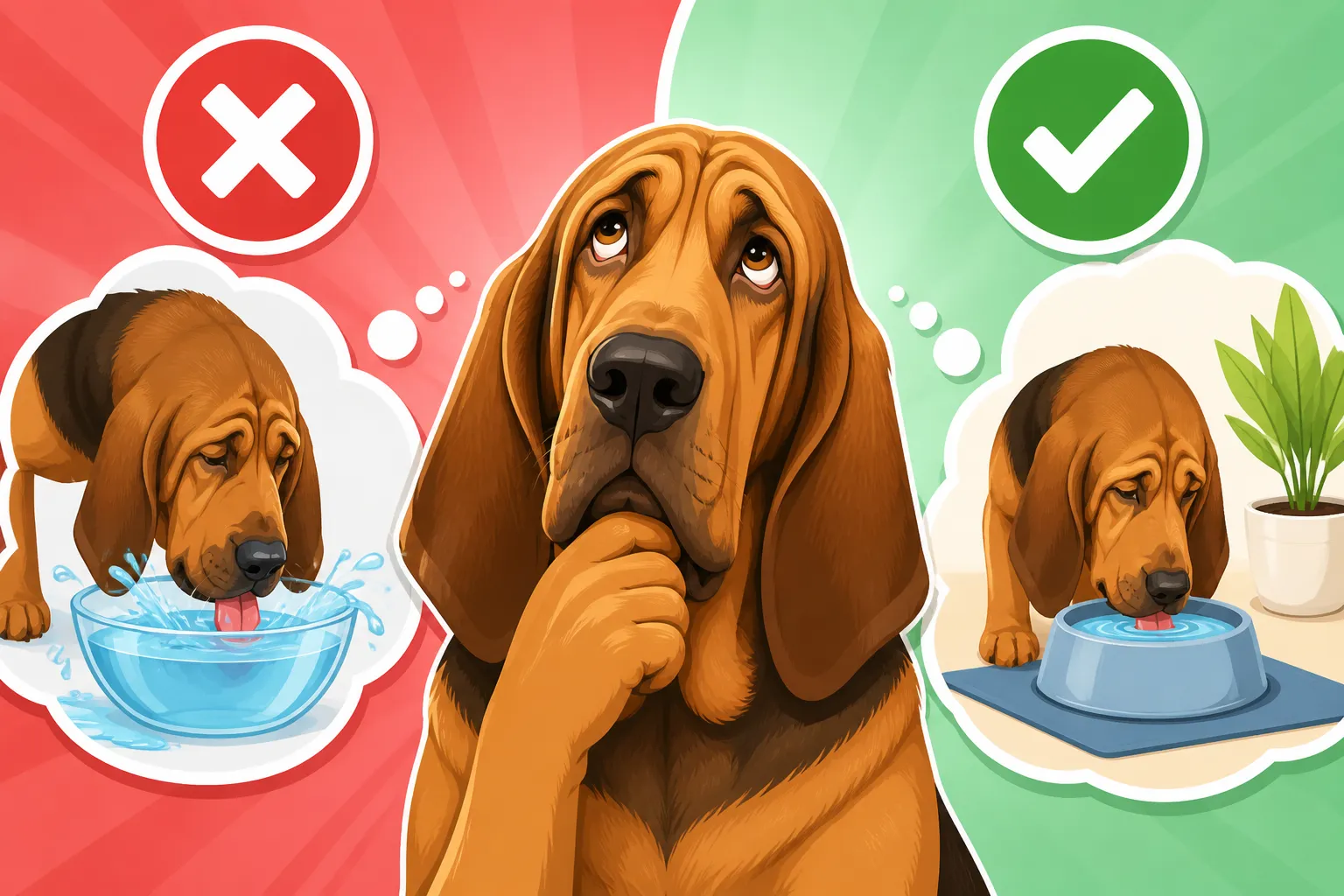
Whether a Bloodhound Should Drink a Lot After a Meal
It's a common sight, isn't it? You put down your Bloodhound's meal, they inhale it in about three gulps, and then immediately make a beeline for the water bowl, drinking with the same frantic urgency. This isn't just a quirky habit; for us Bloodhound owners, that post-meal gulping often triggers a quiet, nagging worry. Are they drinking too much? Is it going to cause trouble? This guide will dive deep into why your Bloodhound might be doing this, the potential risks involved, and most importantly, practical strategies to help manage their hydration safely and ease your mind about one of our breed's biggest health concerns.
The Deep Connection Between Post-Meal Drinking and Bloat Risk
When you see your big hound lap up water like it's been in a desert for a week right after a meal, it's natural to feel a pang of concern. For Bloodhounds, this isn't just about making a mess or getting a tummy ache; it taps directly into the serious, life-threatening risk of bloat, also known as Gastric Dilatation-Volvulus (GDV). This condition is terrifyingly swift and silent, and sadly, it's what often claims the lives of our beloved hounds.
Why Bloodhounds Are Particularly Prone to Bloat
Bloodhounds, with their deep, narrow chests, are unfortunately built in a way that makes them highly susceptible to bloat. It's not just their size; it's the specific proportions of their ribcage and abdomen that create a "perfect storm" for the stomach to twist. When a dog experiences bloat, their stomach first fills with gas and fluid (dilatation). This alone is extremely painful and puts pressure on vital organs. But the real danger comes if the stomach then twists (volvulus), cutting off blood flow and trapping everything inside. This requires emergency surgery, and even then, the survival rate isn't guaranteed. You can learn more about Why a Deep Narrow Chest Puts a Bloodhound at Risk in another article.
Rapid ingestion of food and, critically, water, can introduce excess air into the stomach. Imagine your Bloodhound gulping down air with each frantic lap of water. That air, combined with the food already in their stomach, creates the perfect environment for expansion. The theory is that this sudden expansion, especially after the stomach has been weighted down by food, increases the chance of it rotating on its axis. It's a cruel irony that something as essential as drinking water can, in certain circumstances, contribute to such a devastating condition.
The Role of Gulping Water in Bloat Development
It’s important to distinguish between simply drinking water and gulping it down. A Bloodhound taking a few calm sips after a meal is usually not a concern. The worry arises when they drink copious amounts of water very quickly, almost inhaling it. This rapid intake is what potentially introduces a lot of air into the stomach. Think about how a human might drink too fast and get hiccups – that’s essentially air being swallowed. For our deep-chested hounds, this swallowed air, combined with expanding kibble, can create a dangerous pressure cooker.
This isn't to say that water causes bloat, but rather that the manner in which it's consumed in the immediate post-meal period can be a contributing factor. The goal isn't to dehydrate your dog, but to manage their intake in a way that minimizes risk. We've all heard the stories, or perhaps even experienced the terror firsthand, of discovering our dog in distress. Recognizing the signs of bloat, such as restlessness, unproductive retching, a distended abdomen, and pain, is critical because time is absolutely of the essence. Signs a Bloodhound Is Bloating can develop alarmingly fast, and you might only have The Half Hour a Bloating Bloodhound Has to get your dog to emergency care. It's why this particular worry about post-meal drinking feels so heavy for us Bloodhound parents.
Understanding Your Bloodhound's Thirst Signals and Digestive Habits
Bloodhounds are unique in many ways, and their approach to eating and drinking is definitely one of them. It’s not just their exceptional nose that sets them apart; their physiological makeup and inherent behaviors play a significant role in their hydration needs and digestive processes.
The Instinctive Urgency of a Bloodhound's Eating and Drinking
Our hounds often approach their food and water bowls with an almost primal urgency. They're bred for stamina and drive, and that intense focus can translate to mealtime, where they often eat as if it might be their last meal, and drink with similar gusto. This isn't necessarily a sign of true dehydration or starvation, but rather an ingrained behavioral pattern.
Dry kibble, which forms the basis of many dogs' diets, naturally contributes to post-meal thirst. Kibble contains very little moisture, usually around 10% or less. Compare this to a wild canine's diet, which would be rich in moisture from prey. After consuming a bowl of dry kibble, the body immediately signals a need for hydration to aid digestion and process the food. This creates a natural and legitimate thirst. However, the intensity of this thirst, combined with the Bloodhound's predisposition for gulping, is where the challenge lies.
Furthermore, some Bloodhounds can exhibit anxiety around mealtime or water access. If they've ever experienced competition for resources, even in a multi-dog household, they might feel compelled to eat and drink rapidly. This anxiety can exacerbate the gulping behavior, making the risk factors for bloat even more pronounced. Understanding Whether an Anxious Bloodhound Bloats More is a valid concern for many owners. Observing your dog's demeanor around food and water can offer valuable clues about underlying stress.
The Importance of Consistent Water Access, Managed Thoughtfully
While we're discussing managing post-meal drinking, it's absolutely crucial to emphasize that your Bloodhound needs consistent access to fresh, clean water throughout the day. Dehydration is dangerous, and restricting water entirely is never the answer. The goal is strategic management, not deprivation.
Think about the bigger picture: a Bloodhound expends a lot of energy, even a pet one. A good, long walk, a scent game in the yard, or even just patrolling the perimeter of the house can work up a considerable thirst. It's normal and healthy for them to drink regularly in response to activity and environmental factors. The specific concern we're addressing here is the volume and speed of water intake directly following a large meal, particularly dry kibble.
Consider the temperature and humidity of your home and environment. On a warm day, or after an energetic play session, your Bloodhound will naturally need more water. This is where multiple water bowls strategically placed around the house can be helpful, ensuring they always have a source of hydration without having to "tank up" excessively at one go. Just make sure these aren't right next to their food bowl during designated meal times if you're trying to manage post-meal drinking. Providing fresh water is a fundamental aspect of their care, and it’s about finding that balance between unrestricted access and mindful management.
Practical Strategies for Managing Post-Meal Hydration
Managing your Bloodhound’s drinking habits right after a meal might sound complicated, but it's really about implementing a few common-sense strategies that can significantly reduce the risks associated with bloat. The good news is that these methods are often simple to integrate into your daily routine.
Timing is Everything: Regulating Water Access Around Meals
One of the most effective ways to prevent excessive post-meal gulping is to control when your Bloodhound has immediate access to large volumes of water.
- Before Meals: Consider removing the water bowl about 30-60 minutes before you feed your Bloodhound. This ensures they aren't completely full of water before eating, which could mix with the food and increase stomach contents prematurely.
- During and Immediately After Meals: While they are eating, you can keep the water bowl away. Once they've finished their meal, wait a specific period – generally 30-60 minutes – before offering water again. When you do offer it, start with a smaller amount and allow them to drink calmly, rather than presenting a full, overflowing bowl that might encourage frantic lapping. Gradually increase the amount available over the next hour or two.
- Observation is Key: Every Bloodhound is different. Some might cope better with a shorter waiting period, while others might need more time. Observe your dog's behavior. Are they excessively panting or showing signs of discomfort during the waiting period? Adjust the timing as needed, always prioritizing their comfort and well-being.
- Meal Frequency: Instead of one or two huge meals, consider feeding your Bloodhound smaller, more frequent meals throughout the day. This reduces the amount of food in the stomach at any one time, potentially lessening post-meal thirst and the overall risk of bloat. How Many Meals a Day a Bloodhound Should Eat is a topic worth exploring further for bloat prevention.
Slowing Down the Intake: Food and Water
The speed at which your Bloodhound eats and drinks is a major factor in how much air they ingest. Slowing them down can make a world of difference.
- Slow Feeder Bowls: These are fantastic tools. They have ridges or obstacles that make it impossible for your Bloodhound to gulp down large mouthfuls of kibble. Many reputable pet retailers like Chewy or Amazon offer a wide variety of slow feeder bowls specifically designed for large breeds. You might even find puzzle feeders that engage their brain while slowing their eating pace.
- Ice Cubes or Toys in Water: For water intake, you can place a few large, clean ice cubes or a robust, pet-safe toy (like a Kong) into their water bowl. This forces them to drink around the obstruction, naturally slowing down their lapping. Just ensure the ice cubes are large enough not to be swallowed whole and become a choking hazard.
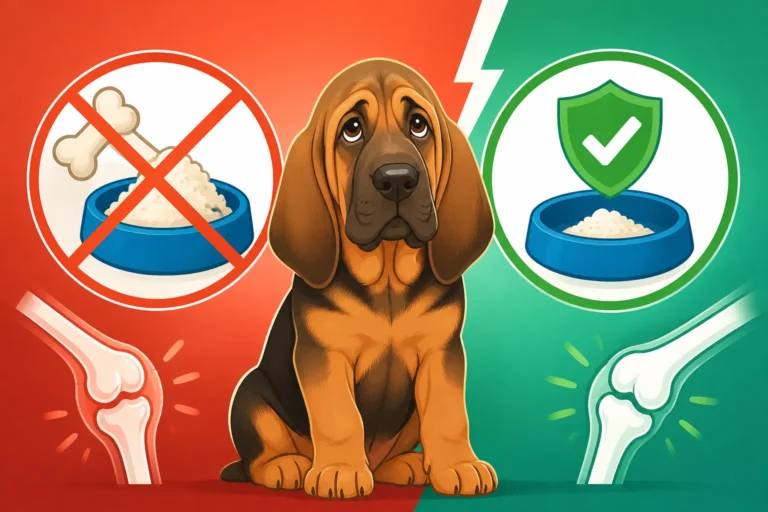
- Adding Water to Kibble: This is a game-changer for many Bloodhound owners. By adding warm water or low-sodium broth to your Bloodhound’s dry kibble, you increase the moisture content of the meal itself. This not only aids digestion but also pre-hydrates them, potentially reducing that frantic post-meal thirst. Make sure the kibble is fully softened before feeding. This strategy also reduces the volume of dry kibble that will expand in the stomach. You might be surprised at how much water dry kibble can absorb! Whether Soaking a Bloodhound's Kibble Helps is a question many owners ponder, and the answer is often a resounding yes for bloat prevention.
- Considering Fresh Food Options: While dry kibble is convenient, some owners explore fresh food diets, like those offered by services such as Ollie. These foods naturally contain a much higher moisture content, significantly reducing post-meal thirst and potentially alleviating some of the bloat risk factors associated with dry kibble. This isn't a silver bullet, but it's another avenue to consider if you're looking to maximize moisture in their diet.
Managing Exercise and Activity Around Meals
Another crucial piece of the puzzle is understanding how exercise impacts digestion and bloat risk. Intensive exercise too close to meal times can be hazardous for Bloodhounds.
- Before Meals: Avoid strenuous exercise for at least an hour before a meal. A calm walk is fine, but anything that gets them panting heavily can increase swallowed air right before eating.
- After Meals: This is perhaps even more critical. Do not allow your Bloodhound to engage in strenuous exercise, vigorous play, or even running around the yard for at least one to two hours after eating a meal. Jumping, rolling, or running can all contribute to the stomach shifting, especially when it's full. A quiet rest period is essential. How Long Before Exercise a Bloodhound Should Eat and How Long After Exercise a Bloodhound Should Eat are vital questions to ask yourself daily.
By thoughtfully implementing these strategies, you can create a safer environment for your Bloodhound, reducing the likelihood of dangerous post-meal complications and promoting healthier digestion and hydration habits.
Here's a quick comparison of common practices versus safer alternatives for Bloodhound feeding and drinking:
| Practice | Risk Level | Safer Alternative | Benefit |
|---|---|---|---|
| Full water bowl immediately after meal | High (Bloat) | Delay water for 30-60 min; offer smaller amounts | Reduces rapid water intake and swallowed air |
| Eating one large meal a day | Medium (Bloat) | Two to three smaller meals | Less food in stomach at once, easier digestion |
| Gulping dry kibble | High (Bloat, Indigestion) | Use slow feeder bowl, add water/broth to kibble | Slows eating, increases moisture, aids digestion |
| Intense exercise after meal | High (Bloat) | Rest for 1-2 hours after eating | Prevents stomach movement, reduces stress on digestive system |
| Water available freely during/after eating | Medium (Gulping) | Remove water bowl 30-60 min before and after eating | Encourages planned, calm hydration |
When to Seek Veterinary Advice and Emergency Care
Despite all our best efforts, sometimes things go awry, or your Bloodhound might display symptoms that warrant professional attention. As Bloodhound owners, we live with the constant underlying awareness of bloat, but it’s also important not to become overly anxious about every little burp. Knowing when to simply adjust your routine and when to drop everything and call the vet is crucial.
Recognizing the Urgent Signs of Bloat
This cannot be stressed enough: bloat is an absolute emergency. It progresses rapidly and can be fatal within hours, sometimes even less. As a Bloodhound parent, you need to be familiar with the classic signs and prepared to act immediately.
Emergency Signs Requiring Immediate Veterinary Attention:
- Unproductive Retching: Your dog tries to vomit but nothing comes up, or only foamy saliva. This is one of the most common and telling signs.
- Distended or Swollen Abdomen: The belly may appear visibly larger, especially on one side, and feel hard or taut to the touch.
- Restlessness and Pacing: Your Bloodhound can't get comfortable, constantly shifting, standing, and lying down.
- Pain or Tenderness: Whining, groaning, or guarding their abdomen when touched.
- Weakness or Collapse: In advanced stages, they may become weak, lethargic, or even collapse.
- Excessive Drooling: Often a sign of nausea and discomfort.
- Rapid, Shallow Breathing: Due to the pressure on the diaphragm.
If you observe any of these symptoms, do not wait. Call your veterinarian or the nearest emergency animal hospital immediately. Inform them you suspect bloat and are on your way. Time is literally life in these situations. Learning What Most Bloodhounds Actually Die Of clearly highlights bloat as a primary cause, emphasizing why this knowledge is so vital. If you find yourself in this terrifying situation, remember What to Do on the Drive With a Bloating Bloodhound to maximize their chances.
Non-Emergency Concerns and When to Consult Your Vet
Beyond acute bloat, there are other situations regarding your Bloodhound's drinking habits that might not be an emergency but still warrant a conversation with your vet.
- Persistent Excessive Thirst: If your Bloodhound seems unusually thirsty all the time, regardless of recent meals or activity levels, it could be a sign of an underlying medical condition such as diabetes, kidney disease, or Cushing's disease. Keep a mental note or even a log of their water intake for a few days to provide your vet with concrete information.
- Changes in Appetite or Energy: Any significant changes in your Bloodhound's eating, drinking, or energy levels should always prompt a call to your vet. These can be vague indicators of various health issues.
- Regurgitation or Vomiting: While bloat causes unproductive retching, actual vomiting or regurgitation (bringing food back up relatively soon after eating, often undigested) could indicate other digestive issues that need investigation.
- Chronic Gastrointestinal Upset: If your Bloodhound frequently has diarrhea, soft stools, or seems to have a consistently upset stomach, discuss this with your vet. Their diet or digestive health might need adjustment, which can in turn affect their thirst and eating habits.
Considering Preventive Measures: The Gastropexy Decision
Given the grave risk of bloat for Bloodhounds, many owners opt for a preventive surgical procedure called a gastropexy. This surgery permanently tacks the stomach to the abdominal wall, preventing it from twisting. While it doesn't stop the stomach from dilating (filling with gas), it eliminates the more dangerous volvulus (twisting), which is the life-threatening component of bloat.
A gastropexy is often performed at the same time as spaying or neutering, particularly in younger Bloodhounds, as they are already under anesthesia. This can be a significant decision for any Bloodhound owner, and it's one you should discuss thoroughly with your veterinarian. They can walk you through the pros, cons, and what to expect. The Gastropexy Decision Every Bloodhound Owner Faces is a critical conversation for all Bloodhound parents, offering a peace of mind that many owners find invaluable. Even with a gastropexy, continuing the practices discussed in this guide – like managing rapid eating and drinking – remains important for overall digestive health.
Being a Bloodhound owner means being hyper-aware of their unique health challenges. By understanding the risks, implementing smart management strategies, and knowing when to seek urgent care, you can help ensure your magnificent hound lives a long, happy, and healthy life.
Disclaimer
This article is for general informational purposes only and does not constitute professional advice. Laws, prices and regulations vary by location and change over time. Consult a qualified professional for guidance on your specific situation.