Whether a Damp Bloodhound Should Be Towel Dried
If you've ever had a Bloodhound, you know that a damp dog isn't just a minor inconvenience; it's a potential invitation for a whole host of skin and ear issues. Whether it's after a refreshing bath, a joyful romp in the rain-soaked backyard, or an accidental splash, the question of how to properly dry your big, wrinkly friend is a valid and often frustrating one. You can't just let them shake it off and call it a day, not with all those gorgeous, deep folds and impossibly long ears. This guide will walk you through the essential steps and considerations for thoroughly drying your Bloodhound, ensuring their comfort and, more importantly, their health.
The Unique Challenges of Drying a Bloodhound
Drying a Bloodhound isn't like drying a Labrador. Their distinctive physical characteristics, which make them such exceptional scent hounds, also make them particularly challenging to get truly dry. It's a battle against nature, and if you don't win it, your Bloodhound could end up paying the price with discomfort and costly vet visits.
Their Loose Skin and Deep Folds
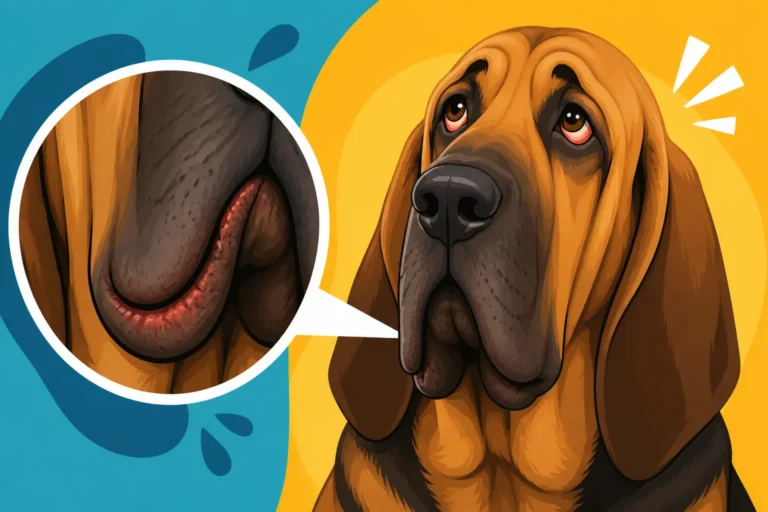
Ah, the glorious wrinkles! They're part of what we adore about Bloodhounds, but they are also absolute magnets for moisture. These deep folds of skin, especially around the face, neck, and jowls, are designed to catch and funnel scent towards their incredibly powerful noses. Unfortunately, they also catch and trap water. When these areas stay damp for too long, they create a warm, moist, dark environment – basically, a spa day for bacteria and yeast.
Imagine trying to dry a pleated blanket without unfolding each pleat. That's essentially what you're up against with a Bloodhound's folds. Simply rubbing a towel over the surface won't penetrate these hidden pockets, leaving residual dampness that quickly becomes problematic. This trapped moisture can very rapidly lead to irritation, redness, and eventually full-blown Skin Fold Dermatitis on a Bloodhound. It's a common affliction, and frankly, a painful one for your dog, all stemming from something as simple as not getting completely dry.
Their Long, Pendulous Ears
Then there are those magnificent, sweeping ears. They're incredible tools for scenting, dragging across the ground to stir up and collect scent molecules. But just like their skin folds, they are also incredibly efficient at trapping moisture. After a bath or any contact with water, the inside of a Bloodhound's ear canal, which runs surprisingly deep, becomes a humid, airless chamber. This is practically a five-star resort for ear infections.
The sheer length and weight of their ear leather mean that air circulation is naturally restricted, making it incredibly difficult for moisture to evaporate on its own. This is a primary reason why A Bloodhound's Ears Are a Standing Infection Risk and Why a Bloodhound's Ear Canal Stays Damp. Owners often express frustration about how frequently their Bloodhound develops ear issues, but understanding this anatomical predisposition is key. Regular cleaning and, critically, thorough drying are your first lines of defense against those recurring, itchy, and often painful ear infections.
Their Dense, Water-Resistant Coat
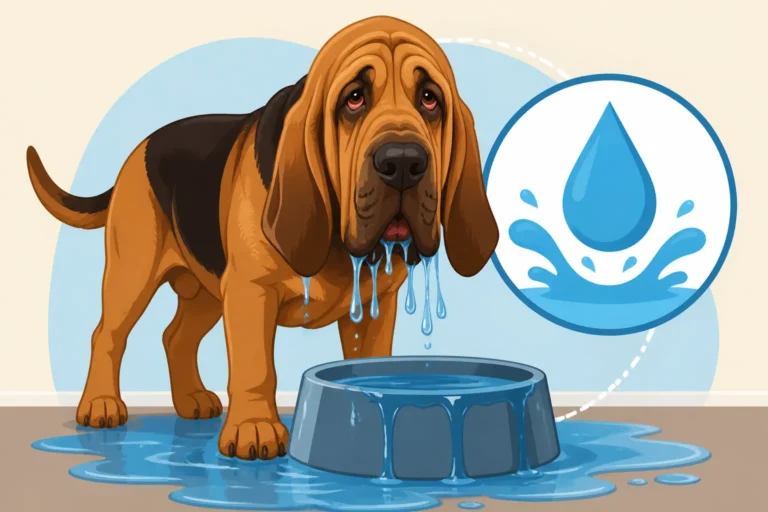
While a Bloodhound's coat is short, it's remarkably dense and actually quite water-resistant. This isn't like a fluffy Golden Retriever's coat, but more akin to a double coat that can hold a significant amount of water close to the skin. You might think a short coat dries quickly, but with a Bloodhound, that's often a deceptive illusion. The water can cling to the undercoat and remain trapped there, especially if not actively absorbed or blown away.
This density, coupled with their loose skin, means that simply letting them "air dry" can take an astonishingly long time, far longer than is safe or healthy. You might feel their topcoat and think they're dry, only to find the skin underneath still cool and clammy. This lingering dampness, particularly after a full bath, contributes to skin issues and can even exacerbate that characteristic "houndy" smell we sometimes associate with the breed.
Why Thorough Drying Isn't Just for Comfort — It's for Health
It might seem like a lot of fuss for just being a little wet, but for a Bloodhound, ignoring proper drying protocols can lead to serious health problems. It's more than just preventing wet spots on your furniture; it's about safeguarding their well-being.
Preventing Skin Infections and Hot Spots
As we touched on, those lovely wrinkles and folds, when left damp, are prime breeding grounds for bacterial and yeast infections. These can manifest as skin fold dermatitis, characterized by redness, irritation, a foul odor, and even oozing. These infections are incredibly uncomfortable for your dog, often leading to excessive scratching, rubbing, and licking, which only makes the problem worse. This self-trauma can quickly escalate into "hot spots," which are acute moist dermatitis lesions that appear almost overnight.
Hot spots are notoriously painful, rapidly growing, and require immediate veterinary attention. They involve shaving the area, antiseptic cleaning, and often antibiotics and anti-inflammatory medications. All of this could be avoided with diligent drying. The goal isn't just to get the top layer of fur dry, but to ensure every crease, every fold, every hidden pocket of skin is completely free of moisture. It's about breaking the cycle where dampness leads to irritation, irritation leads to scratching, and scratching leads to infection.
Guarding Against Ear Infections
A Bloodhound's ears are a common source of chronic issues, and dampness is a huge culprit. The natural shape and position of their ears create a warm, humid, and poorly ventilated environment within the ear canal. When water enters this space, whether from a bath, rain, or swimming, it becomes trapped. This trapped moisture is the perfect incubator for the bacteria and yeast that normally live harmlessly on the skin to multiply out of control, leading to an infection.
Signs of an ear infection include head shaking, scratching at the ears, redness, discharge, and a foul odor. It's a painful condition that often requires prescription ear drops, sometimes oral antibiotics, and repeat vet visits to resolve. Untreated or chronic ear infections can lead to more severe problems, including hematomas (blood blisters from excessive head shaking) or even surgical intervention in extreme cases. Protecting your Bloodhound's ears by thoroughly drying them after any contact with water is paramount in reducing their risk of developing How Often a Bloodhound Gets an Ear Infection and keeping them comfortable.
Avoiding That "Hound Smell"
Let's be honest, Bloodhounds have a distinctive odor. It's part of their charm, right? But that "hound smell" can intensify and become truly unpleasant if they're perpetually damp. That musky scent often comes from a combination of natural skin oils, accumulated dirt, and, crucially, the growth of yeast and bacteria that thrive in moist conditions on their skin and in their folds and ears.
A thoroughly dried Bloodhound, whose skin and coat are clean and aired out, will naturally smell much better than one left to air dry incompletely. While you can't eliminate their natural scent entirely, proper grooming, including meticulous drying, goes a long way in managing it. If you're constantly battling an overpowering "hound smell," especially one that seems a bit sour or yeasty, inadequate drying is often a major contributing factor. It impacts how comfortable they are in your home and how pleasant they are to cuddle.
Practical Steps for Drying Your Damp Bloodhound
So, how do you actually get a Bloodhound dry? It's a process, not a quick wipe. Approach it methodically, focusing on absorption and airflow, especially in those problematic areas.
Initial Toweling and Squeeze-Drying
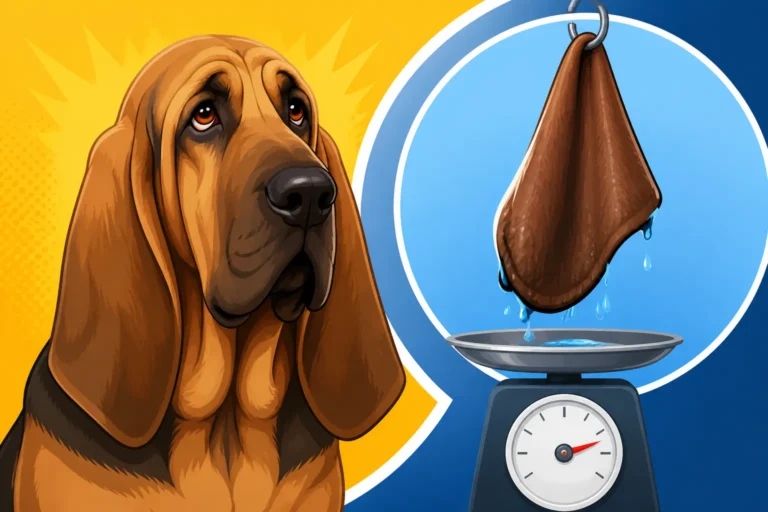
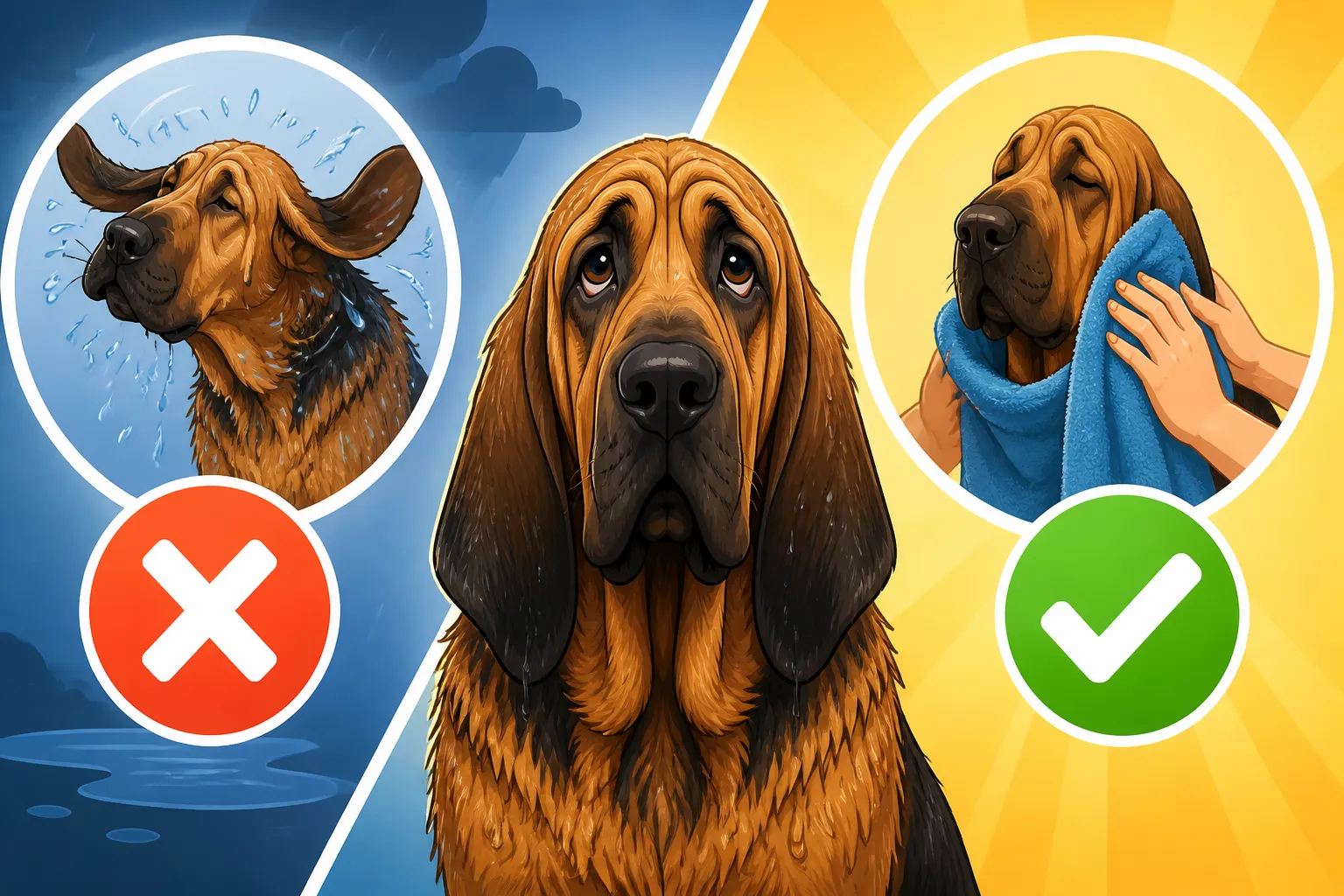
The very first step, immediately after bathing or coming in from the rain, is aggressive, yet gentle, toweling. Don't just rub haphazardly. Instead, use highly absorbent towels to blot and squeeze the water out of their coat and off their skin. Start with their back and sides, pressing the towel firmly against their body to draw out as much moisture as possible.
For their long ears, don't forget to gently squeeze the ear leather from top to bottom, using the towel to wick away water. Pay special attention to their legs and tail, which can hold surprising amounts of water. You're aiming to get off the majority of the surface water here, reducing the amount of work for the next steps. Consider having several clean, dry towels ready, as one large Bloodhound can easily saturate two or three.
Targeted Drying for Problem Areas
This is where the real work begins, and it's absolutely critical for Bloodhounds. Once the initial toweling is done, you need to address those specific areas prone to trapping moisture:
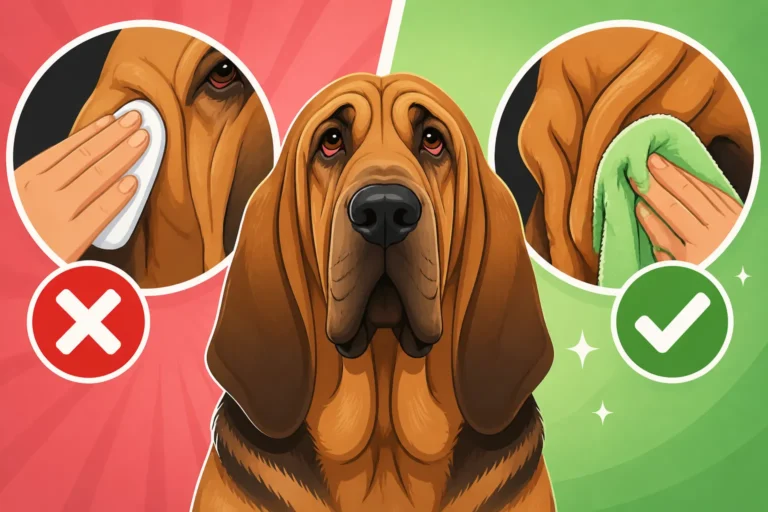
- Face and Jowls: Gently pull back their facial wrinkles and jowls, one section at a time. Use a smaller, dry cloth, like a soft washcloth or a cotton pad, to meticulously wipe and blot inside each fold. Make sure to get into the crevices around their eyes, nose, and lips. You'd be amazed how much dampness can hide there. This is also where you might apply a small amount of a vet-approved drying powder or medicated wipe if your Bloodhound is prone to fold dermatitis.
- Ears: After the initial squeeze with a towel, gently lift their ear leather and use a soft, dry cotton ball or gauze to carefully wipe the visible parts of the inner ear flap. Never insert anything into the ear canal itself; you're just getting the visible moisture. You can use an ear-drying solution specifically formulated for dogs – many owners find this indispensable for Bloodhounds – to help evaporate any residual dampness deep inside. Follow the product instructions, which usually involve applying a few drops and gently massaging the base of the ear.
- Armpits and Groin: Don't forget these often-overlooked areas! The skin in the armpits and groin can also form folds and remain damp, leading to irritation. Gently spread these areas and blot them dry with a clean cloth.
- Between Paw Pads: Their large paws can also trap moisture between the pads and toes, which can lead to yeast infections. Take the time to gently separate their toes and blot dry.
The key here is thoroughness. It's not about speed, but about making sure no pocket of moisture is left behind.
Air Drying vs. Forced Air
For a Bloodhound, complete air drying after a full bath or a significant drenching is generally not recommended. The risks of leaving moisture trapped in their folds and ears far outweigh any convenience. While a quick roll in dry grass after a light sprinkle might be fine, a full air dry for a truly damp Bloodhound is an invitation for trouble.
Forced air drying, on the other hand, is your best friend. This means using a dryer.
- Human Hair Dryers: If you use a human hair dryer, it must be on the lowest heat setting (or cool shot) and held a safe distance from their skin to avoid burns. Keep the airflow moving constantly, never focusing on one spot.
- Pet Grooming Dryers: Ideally, invest in a dedicated pet grooming dryer. These are designed with powerful airflow and often have no heat or very low heat settings, making them much safer and more efficient. They are fantastic for pushing water out of the coat and drying those hard-to-reach areas like armpits and groin folds, as well as providing crucial airflow into and around their ear flaps.
The goal with forced air is to not just dry the surface, but to gently separate the fur and direct airflow right down to the skin and into the folds, promoting evaporation and ensuring no dampness remains. Always ensure your Bloodhound is comfortable with the sound and sensation of the dryer, introducing it slowly and using positive reinforcement.
Tools and Techniques for Effective Drying
Having the right tools can make all the difference in turning the chore of drying a Bloodhound into an efficient and effective process.
The Right Towels and Absorbent Materials
Forget those thin, standard bath towels you use for yourself. For a Bloodhound, you need towels with serious absorbency.
- Microfiber Towels: These are fantastic. They are super absorbent and can soak up much more water than traditional cotton towels. Brands readily available on sites like Chewy or Amazon offer large, plush microfiber towels specifically designed for pets. Having a dedicated set of these for your Bloodhound's grooming routine is a smart investment.
- Chamois Cloths: Synthetic chamois cloths, similar to those used for drying cars, can also be highly effective for their wicking properties. They can absorb a lot of water and can be squeezed out repeatedly.
- Small, Soft Cloths/Gauze Pads: For those intricate folds and inner ear flaps, small, soft washcloths, cotton balls, or sterile gauze pads are essential. They allow you to get into the tightest crevices without causing irritation.
Remember, the technique of blotting and squeezing is more effective than aggressive rubbing, regardless of the towel type. Rubbing can also irritate sensitive skin and even cause matting in longer-coated breeds, though less of a concern for Bloodhounds, it's still good practice.
Grooming Dryers and Their Safe Use
As mentioned, a dedicated pet grooming dryer is a game-changer for Bloodhound owners. Unlike human hair dryers, they focus on high volume airflow rather than high heat, which is much safer for your dog's skin and coat.
When using any dryer:
- Temperature Control: Always use the coolest setting possible. Even pet dryers with low heat can still get too warm if held too close or for too long in one spot. Regularly check the skin with your hand to ensure it's not getting too hot.
- Distance and Movement: Keep the nozzle a few inches away from the coat and constantly move the dryer. Never concentrate the air on one area for an extended period.
- Ear Protection: The noise of a high-velocity dryer can be intense for a dog's sensitive ears. Consider using cotton balls (placed gently in the outermost part of the ear canal, easily removable) or dog-specific ear muffs to reduce the sound during drying.
- Positive Association: Introduce the dryer slowly. Start with short bursts, offering treats and praise. Make it a positive experience so your Bloodhound learns to tolerate or even enjoy it. You might even find a quiet model on Amazon that suits your hound better.
Specialty Products for Folds and Ears
Beyond towels and dryers, there are specific products that can aid in moisture management for Bloodhounds:
- Ear Cleaning and Drying Solutions: These are formulated to clean and dry the ear canal effectively. Many contain agents that help evaporate moisture, acidifiers to maintain a healthy pH, and sometimes anti-yeast or antibacterial ingredients. Your vet can recommend a suitable one for your Bloodhound, especially if they are prone to A Bloodhound's Ears Are a Standing Infection Risk.
- Skin Fold Wipes or Cleansers: For routine maintenance of wrinkles, particularly on the face and around the lips, medicated wipes or gentle cleansers can be very helpful. These often contain ingredients like chlorhexidine or witch hazel to keep bacteria and yeast at bay. Products like these can be found at local pet supply stores or online through retailers like Chewy.
- Drying Powders: In very deep or problematic folds, a light dusting of a veterinary-approved drying powder can help absorb residual moisture. Be careful not to use human talcum powder, which can contain irritating ingredients or be inhaled. Always use a product specifically made for pets, and only if recommended by your vet.
| Drying Method | Pros | Cons | Best for Bloodhounds |
|---|---|---|---|
| Air Drying | No equipment needed, natural | Very slow, high risk of skin/ear infections, leaves "hound smell" | Not recommended for full body drying; only for very light dampness |
| Towel Drying | Readily available, gentle, good for initial water removal | Doesn't get to the skin/folds completely, can be laborious for large dogs | Essential first step, critical for delicate areas like face and ears |
| Human Hair Dryer | Readily available, provides forced air | High risk of burns (if too hot), can be loud/scary, less efficient airflow | Use with extreme caution (coolest setting, constant movement, distance) |
| Pet Grooming Dryer | High airflow, low heat, efficient, designed for dogs | Initial investment, can be loud for some dogs (requires desensitization) | Highly recommended for thorough, safe, and efficient drying |
| Specialty Wipes/Solutions | Targeted, antiseptic, help prevent infections | Not a primary drying method, specific purpose | Crucial for folds and ears, used after initial drying |
By understanding your Bloodhound's unique anatomy and equipping yourself with the right knowledge and tools, you can transform the process of drying them from a dreaded task into a routine that actively contributes to their long-term health and comfort. It's an investment of time, yes, but one that prevents future headaches and vet bills.
Disclaimer
This article is for general informational purposes only and does not constitute professional advice. Laws, prices and regulations vary by location and change over time. Consult a qualified professional for guidance on your specific situation.