Whether Two People Are Needed to Clean a Bloodhound’s Ears
Anyone who has ever tried to clean a Bloodhound's ears understands the unique challenge it presents. These incredible dogs, with their famously long, pendulous ears, require meticulous care to prevent discomfort and serious infections. The question of whether you need one or two people for this task is a very real one that many Bloodhound owners grapple with, and the truth is, while a single determined owner can certainly manage, having an extra set of hands can often turn a wrestling match into a much calmer, more efficient process for everyone involved. This guide will explore the specific hurdles Bloodhound ears present and offer practical strategies for making ear cleaning a less daunting routine, whether you're flying solo or working as a team.
The Anatomy and Temperament That Makes Bloodhound Ears Tricky
Let's be honest, Bloodhound ears are magnificent, but they are also a full-time job. Their unique structure and your Bloodhound's inherent personality can turn what should be a simple grooming task into a real test of patience and physical strength. Understanding these underlying factors is the first step toward finding a successful routine.
The Deep, Damp, and Dangly Bits
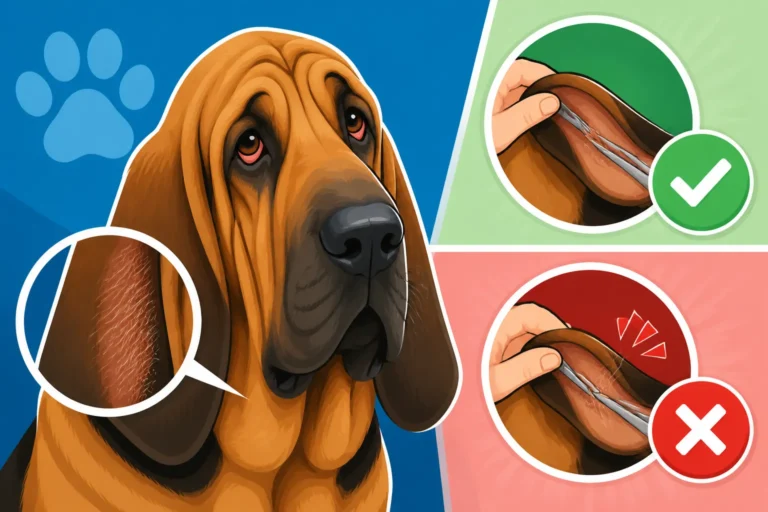
The sheer size and construction of a Bloodhound's ears are a major contributing factor to the challenges of keeping them clean. These aren't just any floppy ears; they are exceptionally long, thick, and heavy. When your Bloodhound is on the move, those ears sweep the ground, dragging through everything from dust and dirt to mud and grass. It's like having two furry mops attached to their head. This means they're constantly picking up debris and allergens, which then get trapped in the folds and crevices of the ear leather.
Beyond the external surface, the internal structure is equally problematic. Bloodhounds have a deep, convoluted ear canal that doesn't get much airflow. Picture a long, winding tunnel with a heavy curtain (their ear flap) pulled across the entrance. This lack of ventilation creates a warm, moist environment – a veritable paradise for yeast and bacteria to thrive. Owners often wonder How Deep a Bloodhound's Ear Canal Runs because it feels like you're cleaning forever. This deep, damp environment is precisely Why a Bloodhound's Ear Canal Stays Damp, making them incredibly prone to chronic ear infections. The skin inside the ear canal can also be quite delicate, and if it becomes inflamed, it's not only painful but also harder to clean without causing further irritation.
The Wiggle Factor
Beyond their physical ear structure, a Bloodhound's temperament can add another layer of complexity to ear cleaning. While generally good-natured and gentle, Bloodhounds are powerful dogs with an independent streak, driven by their incredible noses. When their nose tells them there's something more interesting to investigate, holding them still can become a monumental task. They can weigh upwards of 100 pounds, and their strength is deceptive. A casual head shake can send ear cleaner (and drool!) flying across the room.
Younger Bloodhounds, especially puppies, often haven't learned to tolerate handling, and their natural curiosity or fear can lead to a lot of squirming and resistance. Even older, well-trained Bloodhounds can be particular about their ears, especially if they've had a painful infection in the past. They might associate the ear cleaning process with discomfort, making them wary and difficult to manage. Getting a large, strong dog to remain calm and cooperative while you're trying to manipulate delicate ear tissue can feel like a losing battle, prompting many owners to wonder if they're doing something wrong or if two people are simply a necessity. It’s not uncommon to need strategies for How to Hold a Bloodhound Still for Ear Cleaning, and even then, it’s a dance.
Strategies for a Solo Bloodhound Ear Cleaning Mission
While having an extra pair of hands is often beneficial, it’s entirely possible to manage your Bloodhound's ear cleaning by yourself. The key lies in thorough preparation, a calm approach, and consistent positive reinforcement. Think of it as a carefully orchestrated solo performance rather than a spontaneous act.
Preparation is Your Best Friend
Before you even call your Bloodhound over, get everything you need ready and within arm's reach. This isn't the kind of task you want to stop mid-way to hunt for cotton balls. You’ll need a good quality ear cleaner specifically formulated for dogs – your vet can recommend one, and you can often find excellent options on Chewy or Amazon. Make sure to have plenty of cotton balls or gauze pads, and a towel or two, because things can get messy! High-value treats are non-negotiable; something truly irresistible that your Bloodhound only gets during ear cleaning sessions. Maybe a special soft treat from a brand like Ollie or their absolute favorite piece of cheese.
Choose a quiet time and location where you won't be interrupted. A bathroom or kitchen with easy-to-clean floors is ideal, but wherever you choose, minimize distractions. If your Bloodhound associates the area with positive experiences, even better. A non-slip mat can also help them feel more secure, especially if they are on a table or elevated surface (which might be necessary for your back, given their height). Having everything laid out means you can work quickly and efficiently, reducing the overall stress and duration of the task for your dog. Remember, the less time they have to worry, the better.
The Art of Distraction and Positive Reinforcement
Once you have your supplies and location sorted, it’s time to engage your Bloodhound. Start with a positive tone, lots of praise, and immediately offer a treat just for coming to you. The goal is to make ear cleaning a neutral, or even pleasant, experience, not a punishment.
When you begin cleaning, offer treats liberally and continuously. Some owners find it helpful to smear a spoonful of peanut butter (xylitol-free, of course!) on a lick mat or even the bathroom wall to keep their dog preoccupied. As you work on one ear, keep offering small, high-value treats and gentle praise. After cleaning one ear, take a short break, praise them, give a jackpot of treats, and let them shake their head before moving to the other ear. This helps break the process into manageable chunks. Even if they wiggle a little, don't scold them. Simply pause, wait for them to settle, and then resume with a calm voice and more treats. Consistency is crucial; if you start Whether Ear Cleaning Should Start in Puppyhood for a Bloodhound, they'll learn to accept it much better as adults. Over time, your Bloodhound should learn that ear cleaning means good things (delicious treats!) and less resistance. It might take a while, but Whether a Bloodhound Learns to Accept Ear Cleaning is definitely a "yes" with patience and the right approach.
When an Extra Pair of Hands Makes All the Difference
Let's be real: sometimes, even with the best preparation and a mountain of treats, a Bloodhound's size and independent nature make a solo ear cleaning session feel like an Olympic sport. This is where a second person can truly be a game-changer, turning a potentially stressful encounter into a much smoother operation for both you and your beloved hound.
Who Does What
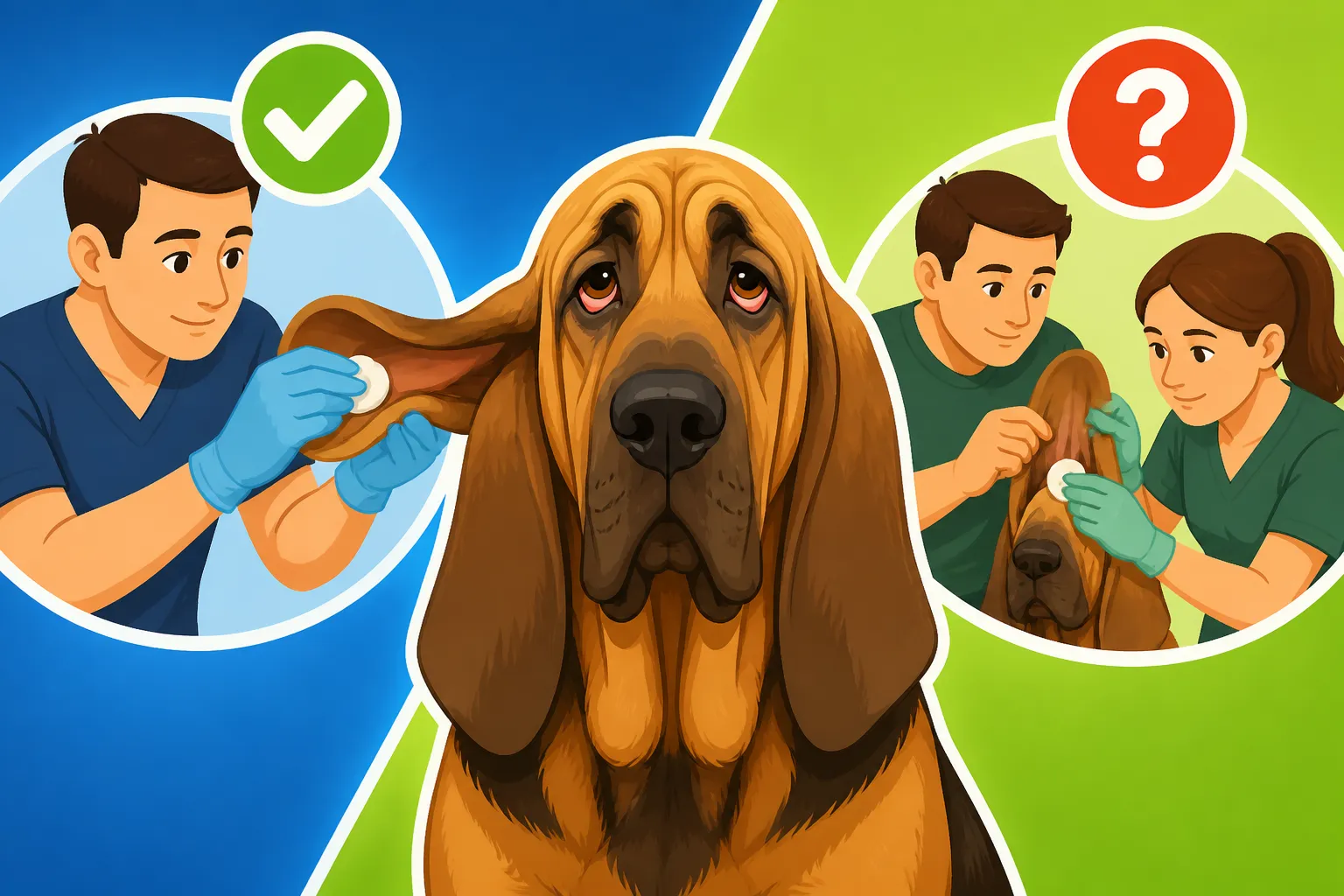
When you have a helper, you can assign specific roles, which vastly improves efficiency and reduces the chances of frustration or accidental injury.
The Holder's Role:
The primary job of the holder is to provide gentle but firm restraint and a calming presence. This isn't about pinning your Bloodhound down; it's about stability. The holder should stand or kneel beside the dog, with an arm draped over their back or a hand gently but firmly under their chin, preventing them from turning their head too much or backing away. Their other hand can be used to hold up the ear leather (the long, floppy part) to give the cleaner better access to the ear canal. The holder is also often the primary treat dispenser, keeping a continuous stream of rewards going directly into the dog's mouth. Their calm voice and reassuring touch are just as important as their physical presence, helping to keep the Bloodhound relaxed. This person acts as the dog's anchor, ensuring they feel secure and less likely to struggle.
The Cleaner's Role:
With the Bloodhound held steadily, the cleaner can focus entirely on the delicate task of getting those ears spotless. They can gently fold back the ear flap, apply the ear cleaner into the canal as instructed by their vet (usually a good squeeze), and then massage the base of the ear to help break up debris. After the massage, the cleaner uses cotton balls or gauze wrapped around a finger to wipe out the visible parts of the ear canal and all the nooks and crannies of the ear leather. They can reach those tricky folds and ensure no gunk is left behind. This division of labor means the cleaner isn't battling a wiggling head while also trying to apply solution and wipe carefully, making the process faster and more thorough. It allows for a more detailed cleaning, which is especially important given How Many Ear Infections a Bloodhound Averages a Year.
Scenarios Where Two Are Better Than One
There are several situations where calling in a second person isn't just helpful, but almost essential for effective and stress-free ear care:
- Puppyhood Training: Starting early is key. When you're introducing a young Bloodhound puppy to ear cleaning, having two people can make all the difference. One person can hold and offer treats, creating positive associations, while the other gently handles the ears. This lays the groundwork for a lifetime of easier grooming. Whether Ear Cleaning Should Start in Puppyhood for a Bloodhound is an emphatic yes, and two people can make those initial experiences positive.
- Nervous or Reactive Dogs: If your Bloodhound is particularly sensitive, anxious, or has had a bad experience in the past, a second person can provide vital emotional support and physical stability. Their calm presence can greatly reduce the dog's stress levels, preventing them from becoming overwhelmed or defensive.
- Active Infections or Pain: When a Bloodhound has an active ear infection, their ears are often tender and painful. Trying to clean them alone can be incredibly difficult, as the dog will naturally try to pull away to avoid discomfort. In these cases, two people can work together to ensure the cleaning is done as gently and quickly as possible, minimizing distress for the dog while ensuring medication (like prescription drops, which you might find Whether Prescription Ear Drops Are Cheaper in Bulk for a Bloodhound) can be administered effectively.
- First-Time Owners: If you're new to Bloodhounds or large breeds in general, the sheer size and strength can be intimidating. Having an experienced friend or family member help out for the first few sessions can build your confidence and teach you proper techniques.
- Difficult to Reach Areas: Sometimes, the folds and crevices of a Bloodhound's ear are just exceptionally tricky. With one person holding the ear flap up and steady, the other can maneuver cotton balls more precisely, ensuring a more thorough clean, which is critical for preventing issues like What Fold Dermatitis Does to a Bloodhound.
| Task Element | Solo Cleaning Strategy | Two-Person Strategy |
|---|---|---|
| Restraint | Gentle leaning, body weight, secure positioning. | One person physically holds and stabilizes the dog. |
| Distraction | Lick mat, peanut butter smear, continuous verbal praise. | One person focuses solely on treat delivery and calming voice. |
| Ear Access | One hand holds ear flap, other applies/wipes. | One person holds ear flap, other uses both hands to clean. |
| Speed/Efficiency | Can be slower due to dog's movement, requires pauses. | Generally faster and more thorough due to coordinated effort. |
| Stress Level | Can be higher for both owner and dog if dog resists. | Often lower as roles are clear, dog feels more secure. |
| Thoroughness | Good, but challenging in deep folds if dog wiggles. | Excellent, allows for meticulous cleaning of all areas. |
Beyond the Cleaning Session: Ongoing Ear Health and Habits
Cleaning your Bloodhound's ears isn't just a one-time event; it's an ongoing commitment to their health and comfort. Establishing a consistent routine and knowing when to seek professional help are paramount to preventing the chronic ear issues these wonderful hounds are so prone to.
Consistency is Key
Regularity is the cornerstone of good Bloodhound ear health. Waiting until you notice an odor or your dog starts shaking their head is often too late – an infection might already be brewing. Many Bloodhound owners find that a weekly ear check and clean is the minimum needed to stay on top of things. You might wonder How Often a Bloodhound's Ears Need Cleaning, and the answer really is often, especially if they've been out tracking in wet or dirty conditions. Make it a routine, like brushing your teeth. Pick a day of the week and stick to it. This consistency helps your Bloodhound get used to the process, making each session progressively easier.
Beyond cleaning, ensure their ears dry properly, especially after baths or swimming. You can gently blot the inside of the ear leather with a soft cloth, but avoid pushing anything deep into the ear canal. Sometimes, even simple things like a snood (a fabric tube that covers their ears) during meal times can help keep their long ears out of their food and water, reducing the accumulation of moisture and debris. Maintaining good overall hygiene for your Bloodhound, including Wiping a Bloodhound's Folds Before They Sour and ensuring their coat is clean, also contributes to their general skin health, which can impact ear health.
Knowing When to Call the Vet
Despite your best efforts, Bloodhounds are still highly susceptible to ear infections. Knowing the signs that something is wrong and seeking veterinary attention promptly can prevent minor issues from becoming painful, chronic problems that are much harder and more costly to treat. Be vigilant for any of these signs:
- Excessive Head Shaking or Scratching: This is often the first and most obvious indicator of ear discomfort.
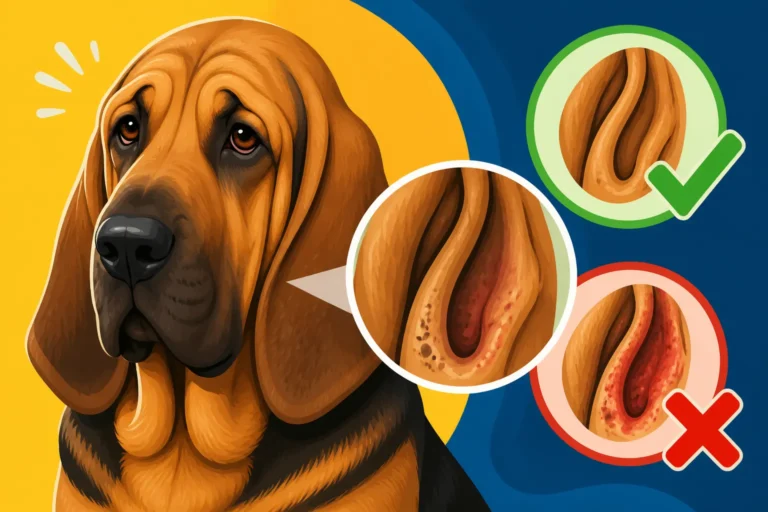
- Redness or Swelling: Inspect the inside of the ear flap and visible ear canal for any inflammation.
- Foul Odor: A strong, yeasty, or otherwise unpleasant smell emanating from the ears is a red flag.
- Discharge: Yellow, brown, or black discharge, especially if it's thick or resembles coffee grounds, is a clear sign of infection.
- Pain or Sensitivity: If your Bloodhound cries out or becomes aggressive when you touch their ears, they are likely in pain.
- Changes in Behavior: Lethargy, loss of appetite, or general irritability can also sometimes indicate an ear infection, especially if it's severe.
If you observe any of these symptoms, don't try to self-diagnose or treat with home remedies. It's crucial to contact your veterinarian. They can properly diagnose the type of infection (bacterial, yeast, mites, or a combination) and prescribe the appropriate medication. Ignoring an ear infection can lead to chronic pain, hearing loss, or even require complex surgery like a total ear canal ablation in severe, untreated cases. Early intervention is always best for your Bloodhound's comfort and your peace of mind. Regular vet check-ups are also a good time to discuss any ear concerns, adding to the comprehensive care that prevents problems before they start. The commitment to their ear health is significant, and truly, What a Bloodhound's Chronic Ear Care Costs Over a Lifetime can be substantial if not managed proactively.
Disclaimer
This article is for general informational purposes only and does not constitute professional advice. Laws, prices and regulations vary by location and change over time. Consult a qualified professional for guidance on your specific situation.