Why a Bloodhound Dies Younger Than Its Size Predicts
It’s a truly perplexing reality for many Bloodhound owners: you bring home this magnificent, powerful, and deeply loving dog, expecting a long life typical of many large breeds, only to discover their time with us is often unexpectedly short. This can be a huge emotional blow, leaving families wondering why such a robust animal might leave them sooner than anticipated. This comprehensive guide will delve into the specific health challenges and unique predispositions that contribute to a Bloodhound’s shorter lifespan, helping you understand, prepare, and provide the best possible care for your cherished companion.
The Heartbreaking Reality of Bloodhound Lifespan
When you look at a Bloodhound, with their imposing size, powerful build, and seemingly indestructible nature when they're on a scent, it’s easy to assume they’d be around for a good decade or more. The sheer presence of these dogs suggests longevity. Yet, the statistics tell a different, often sobering, story. It’s a common misconception that larger dogs automatically live longer; in fact, the opposite is frequently true, and Bloodhounds are a prime example of this trend, sometimes even surpassing other large breeds in their brevity.
The Median Age for a Bloodhound
The reality is that the median age for a Bloodhound typically falls somewhere between 7 to 10 years, with many living to about 8. While there are always exceptions – some fortunate souls will see their Bloodhound companions into their early teens – this range is significantly shorter than what many prospective owners expect or hope for. For comparison, a Labrador Retriever, a similarly large and popular breed, often lives 10-12 years, sometimes even longer. This disparity often catches people off guard, highlighting the importance of understanding the breed-specific health issues that contribute to this reduced lifespan. Knowing How Long a Bloodhound Lives can help you set realistic expectations and focus on quality of life from day one.
The heartbreak of this shorter window is something many Bloodhound families grapple with. Each year with them feels precious, and the thought of saying goodbye sooner than anticipated underscores the need for proactive health management. It’s not just about the number of years, but the quality of those years, ensuring every moment is as happy and healthy as possible for these devoted hounds. Their unique blend of gentle nature and powerful drive makes every moment with them truly special, intensifying the sadness when their time comes to an end.
Comparing Bloodhound Lifespan to Other Large Breeds
When we look across the spectrum of large dog breeds, we find a wide range of lifespans. Breeds like Great Danes or Irish Wolfhounds, often considered "giant breeds," also face shorter lifespans, sometimes even less than Bloodhounds. However, many other large breeds, such as German Shepherds, Rottweilers, or even giant breeds like the Bernese Mountain Dog, often have a median lifespan that matches or exceeds that of the Bloodhound. This makes the Bloodhound’s situation particularly poignant. It's not just that they are a large breed with a shorter life; it's that their specific genetic predispositions and physical characteristics amplify certain health risks that directly impact their longevity.
The assumption that "big dog equals big, long life" simply doesn't hold true for Bloodhounds. Their immense musculature, deep chests, and unique conformation, while perfect for scent work, unfortunately come with a set of physiological challenges. These challenges mean that while they might look robust and sturdy, they are susceptible to conditions that can swiftly and severely impact their health, often shortening their overall journey with us. Understanding these distinctions is crucial for anyone considering bringing a Bloodhound into their home, as it prepares you for the dedicated care and potential medical interventions that might be needed.
Gastrointestinal Woes: The Silent Killer
One of the most terrifying and sadly common culprits behind the Bloodhound's shortened lifespan is a condition known as gastric dilatation-volvulus, more commonly referred to as bloat. This isn’t just a simple upset stomach; it’s a sudden, rapidly progressing, and highly fatal condition that disproportionately affects deep-chested breeds like the Bloodhound. The speed at which it can strike and its devastating consequences make it a leading cause of premature death in the breed, often leaving owners reeling from the sudden loss of their beloved companion.
Gastric Dilatation-Volvulus (GDV) or Bloat
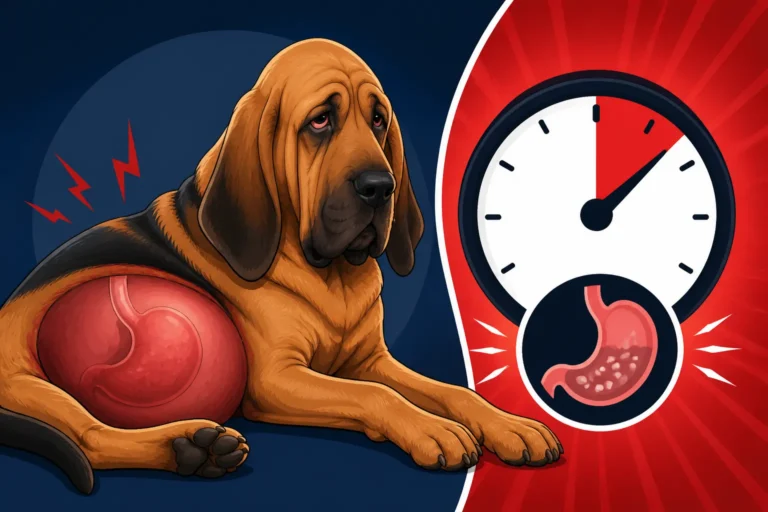
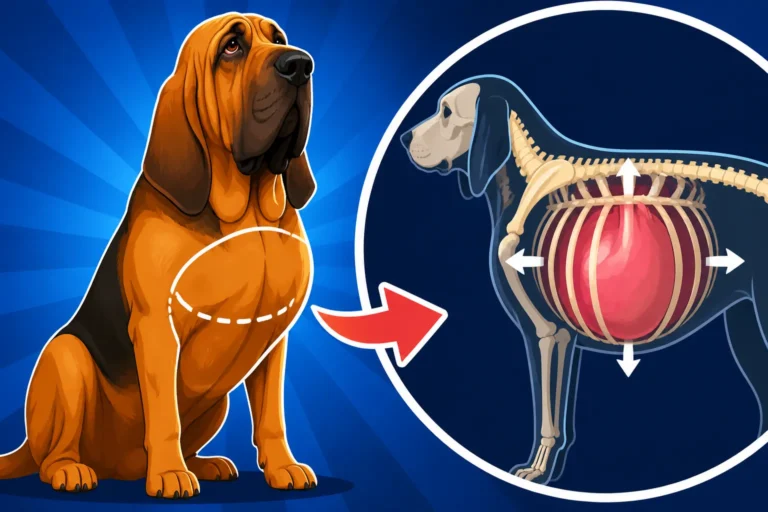
Gastric Dilatation-Volvulus occurs when the stomach fills with gas and twists upon itself, cutting off blood supply and trapping the gas. This rotation (volvulus) is the critical, life-threatening component, distinct from simple bloat where the stomach just distends. For a Bloodhound, their deep, narrow chest conformation is a significant anatomical predisposition. This chest shape, while aiding their incredible lung capacity for sustained trailing, unfortunately creates the perfect internal environment for the stomach to distend and twist. It’s a cruel irony that one of their defining physical traits also puts them at such grave risk.
The onset of bloat is terrifyingly rapid. A dog can go from seemingly normal to critically ill within minutes to an hour. Symptoms include restlessness, pacing, unproductive retching (trying to vomit but nothing comes up), excessive drooling, and a visibly distended abdomen that feels hard to the touch. The pain is intense, and the dog will quickly go into shock. This condition is an absolute emergency, requiring immediate veterinary intervention. Without swift action, the outcome is almost invariably fatal. It’s no exaggeration to say that Bloat Is What Kills Most Bloodhounds, making it a constant, low-level anxiety for many Bloodhound owners.
Every Bloodhound owner needs to be intimately familiar with the signs of bloat and have an emergency plan in place. This includes knowing the fastest route to an emergency veterinary clinic and having their number on speed dial. The window for successful intervention is incredibly small, often just an hour or two from the onset of symptoms. It's a race against time where every minute counts, and even with the best efforts, the prognosis remains guarded.
The Cost and Impact of Bloat
Beyond the immediate threat to life, bloat carries a tremendous financial and emotional burden. Emergency surgery for GDV is complex and costly, often ranging from several thousand dollars, especially if it occurs late at night or on a weekend. The procedure involves untwisting the stomach, assessing for tissue damage, and often performing a gastropexy – a preventative measure where the stomach is surgically attached to the abdominal wall to prevent future twisting. Even with successful surgery, there’s a significant recovery period, and complications can arise. Many pet insurance providers, like Healthy Paws, offer policies that can help offset these unexpected, steep veterinary bills, providing a critical safety net for Bloodhound owners.
The emotional toll on owners is immense. The suddenness of bloat means there’s often little time to process or prepare, plunging families into a stressful, high-stakes situation. Even if the dog survives, the experience can be traumatic for both pet and owner. The financial pressure, coupled with the worry for their beloved companion, can be overwhelming. This is why many veterinarians recommend a prophylactic gastropexy for Bloodhounds, particularly when they are undergoing a spay or neuter. While not a 100% guarantee against bloat, it significantly reduces the risk of the stomach twisting, which is the most dangerous aspect of the condition. The Gastropexy Decision Every Bloodhound Owner Faces is one of the most critical discussions a Bloodhound owner will have with their vet. Knowing What Emergency Bloat Surgery Costs on a Bloodhound can help you plan for this potential crisis.
| Factor | Without Gastropexy (Emergency GDV) | With Preventive Gastropexy |
|---|---|---|
| Risk of Stomach Twisting | High | Extremely Low |
| Survival Rate (GDV) | 50-80% (if reaches surgery in time) | N/A (prevents volvulus) |
| Recovery Time | Extended, critical | Shorter, less complicated |
| Cost | High (emergency surgery) | Moderate (planned surgery) |
| Emotional Impact | Severe stress, fear, grief | Peace of mind |
Orthopedic Challenges That Reduce Mobility and Quality of Life
The Bloodhound's sturdy frame and powerful legs are built for endurance, but they are also susceptible to a range of orthopedic issues that can significantly impact their quality of life and, in some cases, lead to a shorter overall lifespan. Managing chronic pain and mobility limitations in a large dog is a serious commitment, both physically and financially, and can weigh heavily on both the dog and their human family.
Hip and Elbow Dysplasia
Hip and elbow dysplasia are unfortunately common in Bloodhounds, as they are in many large and giant breeds. These conditions are developmental abnormalities of the joints where the ball and socket (in the hip) or the bones of the elbow don't fit or develop correctly. Over time, this poor fit leads to grinding, pain, and eventually degenerative joint disease (arthritis). For a heavy dog like a Bloodhound, carrying all that weight on poorly formed joints is incredibly painful and debilitating.
Symptoms often begin in puppyhood or adolescence, appearing as lameness, a reluctance to play or jump, difficulty rising, or a distinct "bunny hop" gait when running. As the condition progresses, the pain worsens, mobility decreases, and the dog's overall activity level plummets. While not directly fatal, the chronic pain and severe reduction in quality of life associated with advanced dysplasia can lead to difficult decisions for owners, sometimes necessitating euthanasia when pain can no longer be managed effectively. Responsible breeders will always screen their breeding stock for these conditions through organizations like the Orthopedic Foundation for Animals (OFA) to try and reduce their prevalence. Hip and Elbow Dysplasia in the Bloodhound is a well-known concern in the breed.
Managing dysplasia can involve a lifelong regimen of medication, joint supplements, weight management, and controlled exercise. In more severe cases, surgical interventions, ranging from corrective procedures to total joint replacements, might be considered. These surgeries are highly specialized, expensive, and require significant recovery time. Even with intervention, the goal is often pain management and improved function, rather than a complete cure.
Arthritis and Chronic Pain
The long-term consequence of unmanaged or severe dysplasia is often debilitating arthritis. Even Bloodhounds with good joint health can develop arthritis as they age, simply due to the wear and tear on their large frames. However, for those predisposed to dysplasia, arthritis can set in much earlier and progress more aggressively. Imagine a dog that lives for its nose and its ability to cover ground, suddenly struggling to even stand up or walk across a room without visible discomfort. This is the harsh reality for many Bloodhounds in their later years.
Chronic pain from arthritis not only diminishes their physical capabilities but also affects their mental well-being, leading to depression, anxiety, and a general decline in their zest for life. The daily struggle to move, find a comfortable resting position, or even eat can become overwhelming. Management involves a multimodal approach, including anti-inflammatory medications, pain relievers, physical therapy, acupuncture, hydrotherapy, and supplements like glucosamine and chondroitin. Maintaining a lean body weight is absolutely crucial to minimize stress on their joints, but this can be challenging in an older, less active dog. Ensuring your Bloodhound receives regular check-ups, especially as Aging in a Bloodhound Starts at Six, allows for early detection and management of arthritis, helping to extend their comfortable years.
The emotional toll on owners witnessing their once-vigorous hound struggling with chronic pain is immense. It requires a deep commitment to ongoing care, often involving significant financial outlays for medications and therapies. Making the decision about when the pain is too much, and the quality of life too low, is one of the hardest aspects of owning a large breed predisposed to these conditions.
Cardiac Concerns: A Heavy Heart to Bear
While bloat and orthopedic issues often grab the spotlight due to their visible and acute nature, heart conditions are another significant factor contributing to the Bloodhound's shorter lifespan. These diseases can progress silently, often showing subtle signs until they reach an advanced stage, making early detection challenging but critical. A healthy heart is foundational to a long and active life, and when it falters, the entire system is impacted.
Dilated Cardiomyopathy (DCM)
Dilated Cardiomyopathy (DCM) is one of the most concerning heart conditions seen in Bloodhounds. This disease involves the weakening and enlargement of the heart muscle, particularly the ventricles, which are responsible for pumping blood out to the body and lungs. As the heart muscle thins and stretches, it becomes less efficient at pumping blood, leading to a build-up of fluid, reduced oxygen delivery, and eventually, heart failure. It’s a progressive disease, and while treatment can help manage symptoms and slow progression, it is ultimately fatal.
Symptoms of DCM can be insidious at first, including lethargy, reduced exercise tolerance, coughing (especially at night or after exertion), weight loss, and difficulty breathing. As the condition worsens, fluid can accumulate in the lungs (pulmonary edema) or abdomen (ascites), leading to more severe respiratory distress. Diagnosis typically involves a combination of physical examination, chest X-rays, an electrocardiogram (ECG), and an echocardiogram (ultrasound of the heart), which allows a veterinary cardiologist to visualize the heart's structure and function. Heart Disease in the Bloodhound is a serious concern that warrants proactive screening.
Treatment for DCM aims to improve heart function, manage fluid retention, and alleviate symptoms. Medications like diuretics, ACE inhibitors, and positive inotropes are commonly prescribed. Despite advancements in veterinary cardiology, the prognosis for DCM is often guarded, and it remains a significant cause of early mortality in affected breeds, including Bloodhounds. The commitment to daily medication, frequent vet visits, and careful monitoring is substantial for owners.
Other Heart Conditions
Beyond DCM, Bloodhounds can be susceptible to other less common but still impactful heart conditions. These might include various arrhythmias (irregular heartbeats), subvalvular aortic stenosis (SAS), a narrowing of the outflow tract from the left ventricle, or other congenital heart defects. While not as frequently documented as DCM, any structural or functional abnormality of the heart can compromise their cardiovascular health and contribute to a reduced lifespan.
Some of these conditions might be present from birth but only manifest symptoms later in life, while others develop with age. The key to managing any heart disease is early detection. Regular veterinary check-ups, especially for a breed known to have cardiac predispositions, should include listening to the heart carefully for murmurs or abnormal rhythms. If a murmur is detected, further diagnostic testing by a cardiologist is highly recommended. This proactive approach allows for earlier intervention, potentially extending both the quantity and quality of life for an affected Bloodhound.
It is heartbreaking to witness a Bloodhound, a breed known for its incredible stamina and endurance, slowly lose its vitality due to a failing heart. The love and dedication these dogs offer make every effort to prolong their comfortable life worthwhile, but the reality is that cardiac disease is a formidable opponent.
Chronic Infections and Skin Issues: Constant Battles
The very features that give the Bloodhound its distinctive, charming, and highly effective scenting ability – their long, droopy ears and abundant loose skin – also make them prone to chronic infections and skin issues. While these conditions are rarely fatal on their own, they contribute significantly to discomfort, reduce quality of life, and require persistent, often costly, care. The constant battle against these ailments can take a toll on both the dog and the owner, sometimes impacting overall health and contributing to a general decline.
Persistent Ear Infections
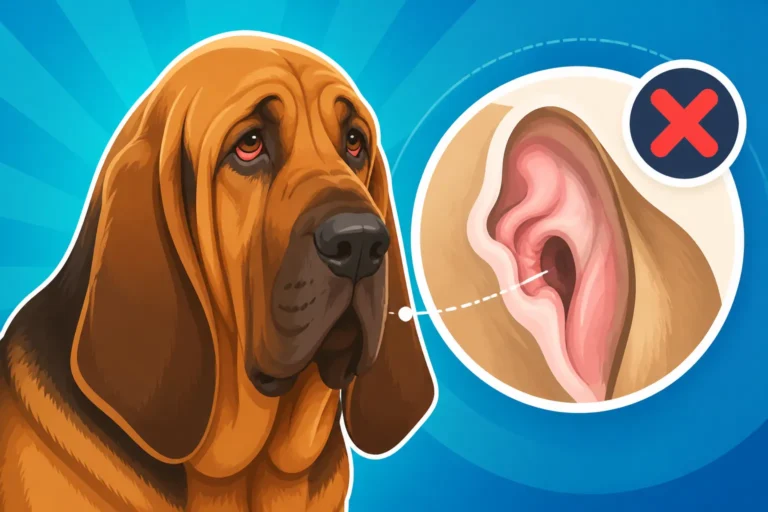
A Bloodhound’s ears are truly magnificent, sweeping scent towards their powerful nose, but they are also anatomical marvels of potential trouble. Their long, heavy ear leathers hang close to the side of their head, covering the ear canal and significantly restricting airflow. This creates a warm, moist, and dark environment – the perfect breeding ground for bacteria, yeast, and ear mites. Add to that the fact that Bloodhounds often have naturally hairy ear canals and are prone to allergies, and you have a recipe for chronic otitis externa, or ear infections.
These infections are incredibly uncomfortable for the dog, leading to head shaking, scratching, redness, swelling, discharge, and a foul odor. If left untreated, or if they become chronic, the inflammation can lead to permanent changes in the ear canal, such as thickening and narrowing, making future infections even harder to treat. In severe, intractable cases, a total ear canal ablation (TECA) surgery might be necessary, where the entire ear canal is surgically removed. This is a radical and expensive procedure, often a last resort, to alleviate chronic pain and infection. Daily or weekly ear cleaning with appropriate solutions is a non-negotiable part of Bloodhound ownership. A Bloodhound's Ears Are a Standing Infection Risk is a phrase every Bloodhound owner quickly understands.
Managing a Bloodhound’s ears is a lifelong commitment. It involves regular cleaning, diligent inspection, and prompt veterinary attention at the first sign of trouble. Ignoring ear issues is not an option, as they can quickly escalate from minor irritation to severe, painful infections that require aggressive treatment. The ongoing discomfort can affect their overall mood and energy levels, indirectly contributing to a perceived reduction in their vitality.
Skin Fold Dermatitis
Another characteristic Bloodhound feature, their abundant loose skin and expressive wrinkles, also comes with its own set of challenges: skin fold dermatitis, or intertrigo. The deep folds around their face, neck, and sometimes even their chest, can trap moisture, dirt, food particles, and bacteria. This creates a warm, moist environment ripe for bacterial and yeast overgrowth, leading to inflammation, irritation, and infection.
Common areas affected include the lip folds (especially where saliva can accumulate), the facial wrinkles, and the neck folds. The constant moisture and friction in these areas break down the skin barrier, allowing opportunistic pathogens to take hold. Symptoms include redness, soreness, foul odor, discharge, and hair loss in the affected folds. The dog will often try to rub or scratch the area, further irritating it. Just like with ear infections, ignoring these issues leads to worsening conditions, discomfort, and potentially systemic infections if not addressed. Skin Fold Dermatitis on a Bloodhound is a constant management task.
Preventative care is key, involving daily wiping and drying of the folds with a soft cloth or a gentle antiseptic wipe. In some cases, medicated shampoos or topical treatments may be necessary to control bacterial or yeast overgrowth. For severe, recurrent cases that don't respond to medical management, surgical removal of problematic skin folds (facelift or cheiloplasty) might be considered, though this is less common than ear surgery. This constant attention to hygiene is another part of the daily routine that comes with owning a Bloodhound, impacting their daily comfort and requiring dedicated effort from their owners.
Hypothyroidism and Other Endocrine Issues
Beyond the more common ailments, Bloodhounds can also be prone to certain endocrine disorders, with hypothyroidism being the most prevalent. While not always an immediate threat to life, these conditions can significantly impact a dog's metabolism, energy levels, and overall health, indirectly contributing to a shortened or less robust lifespan if left undiagnosed or improperly managed.
Hypothyroidism's Impact
Hypothyroidism is a condition where the thyroid gland, located in the neck, doesn't produce enough thyroid hormone. Thyroid hormones are crucial for regulating metabolism in every cell of the body, so a deficiency can have widespread effects. In Bloodhounds, this condition is relatively common and can manifest with a variety of symptoms that might be subtle at first, making diagnosis challenging.
Symptoms often include lethargy, weight gain despite no change in diet, a dull or thinning coat, dry or flaky skin, increased shedding, cold intolerance, and sometimes reproductive issues. Bloodhounds might also exhibit behavioral changes, becoming more sluggish or even showing signs of aggression in some cases. While not directly life-threatening, untreated hypothyroidism can make dogs more susceptible to other infections, slow wound healing, and exacerbate other health issues, all of which can collectively impact their longevity and quality of life.
Diagnosis involves a blood test to measure thyroid hormone levels. Once diagnosed, hypothyroidism is typically managed with lifelong daily thyroid hormone supplementation. With proper medication and regular monitoring, most hypothyroid dogs can lead normal, active lives. However, consistent medication adherence and regular retesting are necessary to ensure the correct dosage, representing an ongoing commitment for the owner.
Other Hormonal Imbalances
While hypothyroidism is the most commonly recognized endocrine issue in Bloodhounds, other hormonal imbalances can occasionally arise, though they are much rarer. These might include conditions like Cushing's disease (overproduction of cortisol) or Addison's disease (underproduction of adrenal hormones), both of which can have significant, sometimes life-threatening, effects if not diagnosed and treated promptly.
These conditions present with a diverse set of symptoms, often mimicking other diseases, making diagnosis complex. They underscore the importance of comprehensive veterinary care and not dismissing persistent or unusual symptoms. Early detection and precise management are vital for any endocrine disorder to minimize its impact on the dog's health and ensure they can live as comfortably and as long as possible. The general health of the breed is a focus for organizations like the American Bloodhound Club, who often recommend health screenings that include thyroid panels.
The Unseen Burdens: Genetics, Lifestyle, and Ownership Responsibilities
The health challenges Bloodhounds face aren't solely determined by their individual predispositions; they are also heavily influenced by genetics passed down through generations, the daily lifestyle they lead, and the level of commitment their owners provide. These "unseen burdens" play a pivotal role in why a Bloodhound dies younger than its size predicts, highlighting the interconnectedness of breeding practices, preventative care, and financial preparedness.
The Role of Genetics and Responsible Breeding
Many of the health issues we’ve discussed—hip and elbow dysplasia, heart conditions like DCM, and even certain predispositions to bloat—have a significant genetic component. This means the health of a Bloodhound puppy is largely determined by the health and genetic background of its parents. This places immense responsibility on breeders to select breeding pairs wisely, not just for conformation or temperament, but first and foremost for health.
Responsible breeders conduct extensive health screenings on their breeding stock. For Bloodhounds, this typically includes OFA certifications for hips and elbows, cardiac evaluations (often by a veterinary cardiologist), and thyroid panels. These screenings aim to identify and remove dogs carrying genes for debilitating diseases from the breeding pool, thereby reducing the incidence of these conditions in future generations. Unfortunately, not all breeders adhere to these rigorous standards, and purchasing from a breeder who skips these crucial steps can increase the likelihood of acquiring a puppy destined for health struggles. What the American Bloodhound Club Asks Breeders to Screen outlines these important recommendations.
While even the most responsible breeding cannot eliminate all health risks, it significantly tips the scales in favor of healthier, longer-lived dogs. Choosing a puppy from a reputable breeder is perhaps the most impactful decision an owner can make in safeguarding their Bloodhound’s future health. It's an investment not just in a dog, but in a healthier lineage.
Lifestyle and Environmental Factors
Beyond genetics, a Bloodhound's daily life and environment play a crucial role in managing their health and potentially extending their lifespan. Proper care, nutrition, and preventative measures can mitigate some of the breed's inherent risks.
- Nutrition: Feeding a high-quality diet appropriate for a large, active breed is fundamental. Crucially, Bloodhounds benefit from being kept lean. Excess weight puts additional strain on their joints, exacerbates arthritis, and can potentially increase bloat risk. Feeding multiple smaller meals throughout the day, rather than one large one, is also recommended to reduce the risk of bloat. A slow-feeder bowl can also help prevent them from gulping down their food too quickly.
- Exercise: Regular, moderate exercise is essential for maintaining muscle tone and joint health. However, strenuous exercise immediately before or after meals should be avoided due to the increased risk of bloat. For growing puppies, careful monitoring of exercise is important to prevent stress on developing joints.
- Preventative Care: This includes everything from routine ear and fold cleaning to regular veterinary check-ups. Staying up-to-date on vaccinations and parasite prevention is non-negotiable. Early detection of any health issue, from a slight limp to a subtle cough, allows for earlier intervention and better outcomes.
- Stress Management: Anxious dogs can sometimes be more prone to certain conditions, including bloat. Providing a stable, enriching environment and addressing any anxiety issues can contribute to overall well-being.
These lifestyle choices, while seemingly small, cumulatively impact a Bloodhound's health trajectory and their ability to thrive. They represent the daily commitment owners make to their dog’s well-being.
The Reality of Financial Investment
Let's be blunt: owning a Bloodhound, especially one prone to the health issues discussed, is a significant financial commitment. The potential for emergency bloat surgery, lifelong medication for conditions like hypothyroidism or arthritis, specialized consultations with cardiologists or orthopedic surgeons, and ongoing preventative care can quickly add up. A Bloodhound's Money Is Spent in the Operating Room far more often than many owners anticipate.
The upfront cost of a well-bred, health-tested puppy is often higher, but this initial investment can potentially save thousands down the line by reducing the risk of inheriting serious conditions. However, even with the best genetics, health issues can arise. This is where pet insurance becomes an invaluable tool. Providers like Healthy Paws offer comprehensive plans that can cover a significant portion of unexpected veterinary expenses, from emergency surgeries to chronic disease management. This financial safety net can make the difference between being able to afford life-saving treatment or having to make heartbreaking decisions based on cost.
Budgeting for a Bloodhound should include not just food and routine vet visits, but also a substantial emergency fund or a robust pet insurance policy. Understanding What Insurance Will and Will Not Cover on a Bloodhound is crucial before signing up. The financial burden can be an "unseen" stressor that compounds the emotional weight of a dog battling health issues. Preparing for this reality is an integral part of responsible Bloodhound ownership, ensuring that when the time comes, decisions can be made purely in the best interest of your beloved hound.
Maximizing the Time You Have with Your Bloodhound
Given the unfortunate reality of a Bloodhound's shorter-than-predicted lifespan, the focus for every dedicated owner should be on maximizing the quality of the time you share together. While we can't completely rewrite their genetic code or guarantee a specific number of years, we can empower ourselves with knowledge and proactive strategies to ensure their lives are as comfortable, healthy, and joy-filled as possible.
Proactive Healthcare and Prevention
The cornerstone of a Bloodhound’s well-being is a proactive approach to their healthcare. This isn't just about reacting to problems, but actively preventing them or catching them at their earliest, most manageable stages.
- Regular Veterinary Care: Beyond annual check-ups, consider more frequent visits as your Bloodhound ages or if they have known predispositions. Discuss genetic screening with your vet, especially if you're not fully aware of your dog's lineage.
- Preventive Gastropexy: This elective surgery, often done at the time of spay or neuter, can drastically reduce the risk of deadly gastric volvulus. It's a powerful tool in your arsenal against bloat. Whether a Gastropexy Is Standard for Bloodhounds Now is a conversation worth having with your vet.
- Daily Grooming Routine: Make ear cleaning and fold wiping a daily or every-other-day ritual from puppyhood. This helps prevent the buildup of moisture and bacteria that lead to chronic infections. Establish this as a positive, gentle experience early on.
- Weight Management: Keep your Bloodhound lean! Every extra pound puts stress on their joints and increases risks for other conditions. Work with your vet to determine an ideal body condition score and adjust their diet and exercise accordingly.
- Joint Support: Discuss appropriate joint supplements (like glucosamine, chondroitin, or omega-3 fatty acids) with your vet, especially as they get older or if they have a family history of dysplasia.
- Monitor for Symptoms: Become intimately familiar with the subtle signs of discomfort or illness. Bloodhounds are stoic, and sometimes the earliest indicators are slight changes in behavior, appetite, or energy levels. Never hesitate to contact your vet if something seems "off."
By embedding these practices into your routine, you create a foundation for a healthier life, addressing potential issues before they become severe and ensuring your Bloodhound benefits from the best possible preventative care.
Embracing Their Unique Needs
Owning a Bloodhound means embracing their unique characteristics, both the magnificent and the challenging. Their incredible nose, gentle temperament, and unwavering devotion make them truly special companions, and these qualities are often what lead us to fall in love with them in the first place.
The journey with a Bloodhound might involve more vet visits, more meticulous cleaning, and certainly more drool than with other breeds, but the rewards are immeasurable. Their unparalleled scenting abilities offer opportunities for engaging activities like Mantrailing Is the Answer to a Bloodhound, Not Obedience, which provides mental and physical enrichment that fulfills their deepest instincts. Focusing on these activities, rather than trying to fit them into a mold they weren't designed for, enhances their joy and overall well-being.
Ultimately, while the reality of a shorter lifespan can be daunting, it also sharpens our appreciation for every wagging tail, every sloppy kiss, and every moment spent with these noble hounds. Understanding their predispositions doesn't have to be a source of constant worry, but rather a guide to responsible, loving ownership. By being prepared, proactive, and deeply committed to their specific needs, we can ensure that every one of their precious years is lived to the fullest, filled with comfort, health, and the profound bond only a Bloodhound can offer.
Disclaimer
This article is intended for informational purposes only and does not constitute veterinary advice. Always consult with a qualified veterinarian for any health concerns or before making any decisions about your Bloodhound’s medical care.