Conditioning a Bloodhound’s Feet for Trail Work
It’s a common frustration for Bloodhound owners who love to put their dog’s incredible nose to work: you’ve got this phenomenal scenting machine, capable of following a trail that’s days old, but their delicate paws just can’t keep up with the demands of rough terrain or long hours. Many of us find ourselves torn between letting our hounds do what they were born to do and worrying about cracked pads, scrapes, and injuries that can sideline them for weeks. This comprehensive guide is all about how to properly condition your Bloodhound’s feet for the rigors of trailing, ensuring their paws are as tough and resilient as their famous nose.
Understanding the Bloodhound Paw: Built for Scent, Not Always for Terrain
When we think of a Bloodhound, our minds immediately go to that magnificent nose, those long, droopy ears, and the thoughtful, wrinkled face. We rarely picture their feet, but these are the unsung heroes of every successful trail. The irony is, while their senses are supreme, their physical foot structure, designed for soft forest floors over centuries, often needs a little extra help to withstand modern environments and the varied surfaces encountered in search work.
The Anatomy of a Working Bloodhound's Paw
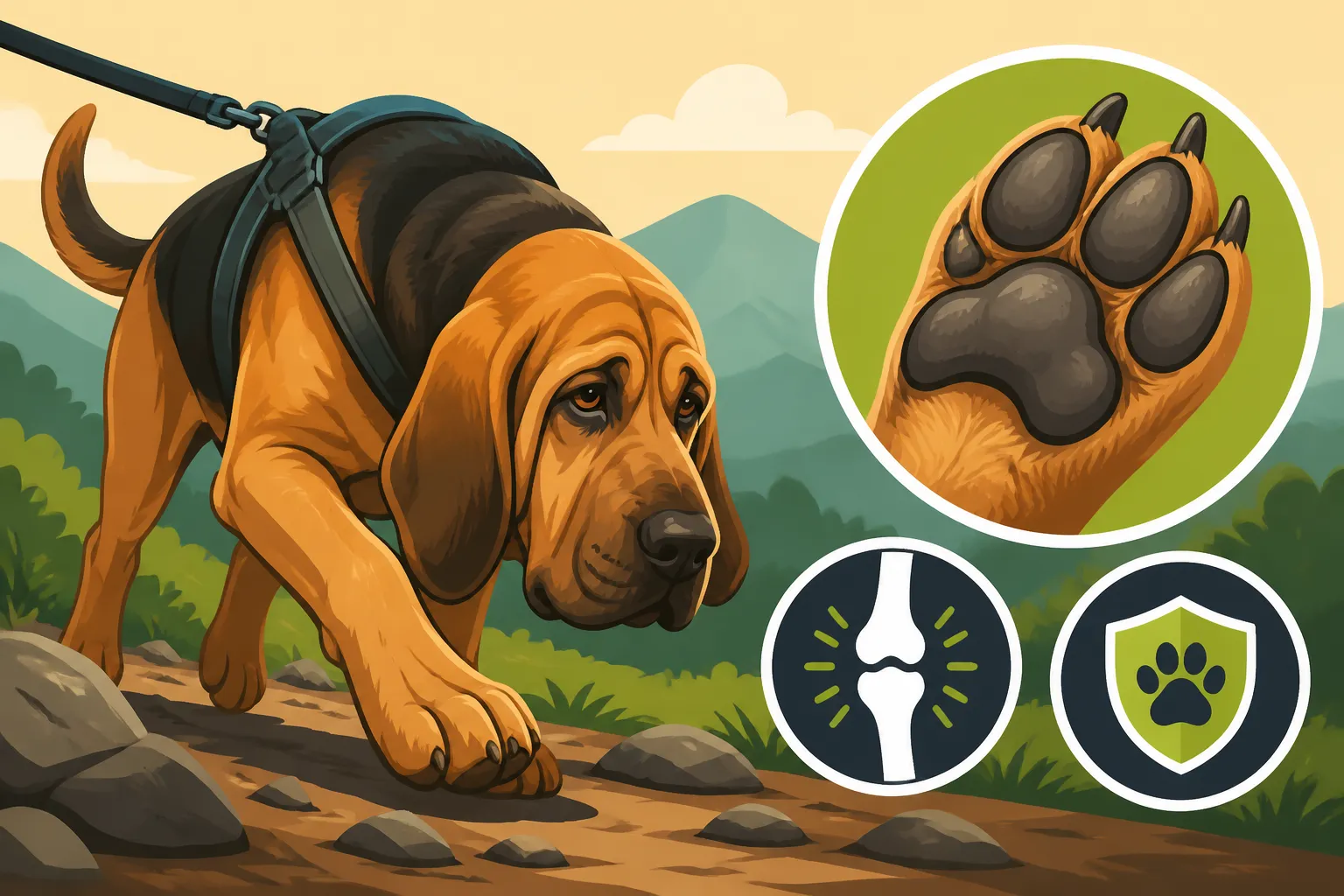
A Bloodhound's paw is a marvel of evolution in many ways, specifically adapted to support their unique trailing abilities. Each paw has four main weight-bearing pads: the large, heart-shaped metacarpal pad (on the front paw) or metatarsal pad (on the hind paw), and four smaller digital pads for each toe. These pads are thick, fatty, and somewhat elastic, acting as natural shock absorbers. Think of them as the natural "tires" of your hound. Between these pads, and often quite hidden, are webbing and delicate skin, along with a bit of fur. The nails provide grip and aid in traction, while the dewclaws (if present) are typically higher up on the leg and don't usually touch the ground during normal locomotion, but can snag on brush.
While these pads are robust, they are also sensitive. The skin on the pads is much thicker than elsewhere on the body, but it's still living tissue. It can be worn down, cut, or irritated. The dense network of blood vessels and nerve endings in the pads makes any injury there not only painful but also slow to heal, especially if the dog continues to put weight on it. A house dog's paws, accustomed to soft carpets and manicured lawns, will be significantly softer and less conditioned than a Bloodhound that regularly traverses diverse outdoor environments. The goal of conditioning is to naturally toughen this protective outer layer and ensure the underlying tissues remain healthy.
Common Paw Problems for Trailing Bloodhounds
It’s heartbreaking to see your dedicated Bloodhound pull up lame or flinch with every step because of a paw injury. These issues are incredibly common, especially for hounds new to serious trailing or those who haven't had consistent exposure to varied surfaces. Blisters are a frequent culprit, often forming when pads are rubbed raw by friction, common on hot asphalt or after prolonged work on rough concrete. Abrasions and cuts are almost inevitable, as a Bloodhound's head is often down, focused on scent, not on the broken glass, sharp rocks, or thorny branches lying just ahead. Punctures from sharp sticks, glass, or even thorns can go deep, leading to infections if not promptly addressed.
Beyond acute injuries, we also see chronic issues. Cracked pads, especially in dry, cold weather or from excessive exposure to harsh surfaces, can be incredibly painful, sometimes splitting deeply enough to bleed. These cracks are open invitations for bacteria. Road salt and chemical de-icers in winter are notorious for irritating and burning paw pads, leading to redness, inflammation, and cracking. Hot pavement in summer can literally cook their pads, causing severe burns. Understanding these common threats is the first step in formulating a comprehensive conditioning and protection plan.
The Foundations of Paw Toughness: Starting Early and Smart
You wouldn't expect a human athlete to run a marathon without training, and the same principle applies to your Bloodhound's paws. Building true paw toughness is a gradual process that begins long before your hound is ready for serious trail work, focusing on progressive exposure and consistent care.
Puppyhood Paw Care: Building a Resilient Base
The journey to resilient paws really begins in puppyhood. Just like we socialize puppies to new sights and sounds, we need to socialize their paws to different textures and sensations. This isn't about throwing a young puppy onto a rocky trail, but rather introducing them gently to a variety of safe surfaces. Let them walk on short grass, then longer grass, on smooth pavement, then a bit of rougher asphalt, a few clean gravel paths, and even some sand or dirt. This varied exposure helps the pads naturally thicken and adapt, building a foundational toughness. Think of it as developing calluses, but in a healthy, controlled way.
Beyond varied surfaces, early handling is crucial. Regularly touch your puppy's paws, gently spreading their toes and examining their pads. This makes future inspections and nail trims much easier. If your Bloodhound thinks a paw touch is an invasion, essential care will become a battle. Keep nail trims regular and short from an early age; long nails can splay the toes and put unnatural pressure on the pads, making them more prone to injury. Learning to trim nails can be tricky, but it's a vital skill. For more on this, check out How Often a Bloodhound's Nails Need Trimming. A consistent routine of gentle paw handling and exploration builds a foundation of comfort and physical resilience that will serve your trailing Bloodhound well throughout its life.
Gradual Exposure: The Key to Conditioning Without Injury
The biggest mistake owners make when conditioning paws is doing too much, too soon. Just like a human's skin, a dog's paw pads need time to adapt and strengthen. Imagine trying to build up your own running endurance. You wouldn't go from the couch to a 10k overnight. You’d start with short walks, gradually increasing distance, speed, and the difficulty of the terrain. Your Bloodhound's paws need the exact same thoughtful, progressive loading.
Start with short walks on varied, but not overly harsh, surfaces. If you’re used to walking your Bloodhound on sidewalks, introduce five minutes on a packed dirt trail, then perhaps a short stretch of grassy field with some gentle bumps. Over days and weeks, slowly increase the duration and the challenge of the surfaces. Observe your hound's paws closely after each outing. Look for any redness, tenderness, or peeling. If you see signs of irritation, dial back the intensity and allow the pads to recover. Consistency over intensity is the mantra here. A little bit of exposure every day or every other day, steadily increasing over months, will build far more durable paws than sporadic, intense sessions that lead to injury. Remember, the goal is toughening, not tearing down.
Essential Daily and Weekly Paw Maintenance
Even the toughest paws benefit from consistent, diligent care. It's not just about what you do on the trail, but the routine you establish at home that makes all the difference in preventing minor issues from becoming major setbacks.
Regular Inspections and Cleaning
This is perhaps the most critical, yet often overlooked, aspect of paw care for a working Bloodhound. Every single time your Bloodhound comes in from an outdoor excursion, especially after trail work or even just a longer walk, you absolutely must inspect their paws. Get down on their level, gently spread their toes, and look closely at each pad and the webbing in between. What are you looking for? Thorns, burrs, tiny pieces of glass, small sharp rocks, or even compacted mud that can irritate. During winter, check for ice balls caught between the toes or residual road salt. Even in summer, grass seeds or foxtails can burrow into the delicate skin.
Cleaning is equally important. After an inspection, a quick rinse with warm water, particularly if they’ve been on dusty, muddy, or chemically treated surfaces, is a good habit. You can use a gentle, dog-specific paw wash if they’ve encountered something particularly nasty, but plain water is usually sufficient for daily grime. Pay special attention to the deep crevices between the toes and around the pads, as these are prime spots for debris and moisture to get trapped, which can lead to skin irritation or infection. This routine check and clean takes only a couple of minutes, but it can literally save your Bloodhound from weeks of limping or a costly vet visit.
Nail Trimming and Hair Management
Proper nail length is paramount for paw health and effective trailing. When a Bloodhound's nails are too long, they push the toes up and back, altering the natural alignment of the paw. This can lead to splayed toes, discomfort, and an uneven distribution of weight on the paw pads, making them more susceptible to injury and even contributing to orthopedic issues over time. You should aim for nails that don't touch the ground when your Bloodhound is standing naturally. For active Bloodhounds that work on varied surfaces, their nails might wear down somewhat naturally, but regular trimming is almost always necessary to maintain ideal length. If you're unsure how to achieve this, your vet or a professional groomer can guide you. For a detailed discussion on this, consider reading How Often a Bloodhound's Nails Need Trimming.
Beyond the nails, managing the hair between the paw pads is crucial, especially for breeds like Bloodhounds with their softer coats and long ears that might track everything. Excess hair between the pads can collect dirt, burrs, ice, and debris. It can also mat, creating painful knots that pull on the skin. Furthermore, long hair reduces traction, making your Bloodhound more prone to slipping on smooth or wet surfaces. Using blunt-nosed scissors or a small electric trimmer, carefully trim the hair flush with the paw pads. Be exceedingly cautious to avoid cutting the delicate skin. This simple step vastly improves hygiene, comfort, and the overall functionality of the paw, especially when working on challenging trails.
Tools and Techniques for Enhanced Paw Protection and Recovery
While conditioning builds internal resilience, sometimes your Bloodhound needs a little external help to navigate particularly harsh conditions or to recover from minor wear and tear. A few key tools and techniques can make a big difference.
Paw Balms, Waxes, and Moisturizers
Think of paw balms and waxes as protective skincare for your Bloodhound’s feet. These products create a breathable barrier on the paw pads, shielding them from environmental extremes and offering an extra layer of moisture. For example, during winter, applying a paw wax before an outing can protect against harsh road salt, chemical de-icers, and the cold, icy ground. In summer, it can provide a buffer against hot pavement, which can cause painful burns. A good balm also helps to prevent excessive drying and cracking, keeping the pads supple and less prone to splitting.
There are many excellent options available on platforms like Amazon and Chewy. Look for products made with natural ingredients like beeswax, shea butter, coconut oil, or Vitamin E. Apply a thin layer to your Bloodhound’s pads before walks or trail work, massaging it in gently. For pads that are already a bit dry or cracked, applying a balm nightly can help them heal and soften. Consistency is key here; regular application can prevent a lot of discomfort and keep those pads in top working order.
Protective Boots and Wraps: When and Why
While we aim for naturally tough paws, there are definitely times when protective boots are invaluable, even essential. For instance, if you're tracking in extremely rough terrain – think sharp rocks, thorny brush, or fields littered with stubble – boots can provide a crucial physical barrier against cuts and punctures. During deep snow or icy conditions, they protect against frostbite, ice balls forming between toes, and corrosive road salts. For a Bloodhound recovering from a minor paw injury, a boot can protect the healing wound from dirt and further irritation while still allowing for gentle exercise. For more information, check out Whether a Bloodhound Needs Boots for Rough Ground.
Introducing boots takes patience. Many Bloodhounds will find them strange at first, doing the classic "high step" dance. Start by putting them on for very short periods indoors, rewarding heavily with treats and praise. Gradually increase the time and introduce them during short walks on familiar, safe surfaces. Ensure you choose boots that fit well – not too tight to pinch, not too loose to chafe or fall off. Brands widely available on Amazon offer various styles, from rugged trail boots to softer recovery booties. Learning to fit them properly and conditioning your Bloodhound to wear them comfortably is an investment that will pay off when facing challenging trail conditions.
Post-Work Recovery and First Aid
After a long trail, your Bloodhound’s paws need attention to recover properly. Even if no obvious injury is present, a cool rinse can soothe tired pads and wash away irritants. If you notice any redness, swelling, or minor abrasions, a cool compress can help reduce inflammation. For serious trail dogs, having a basic paw first-aid kit is non-negotiable. This should include: antiseptic wipes (like chlorhexidine or diluted povidone-iodine), sterile gauze pads, self-adhering veterinary wrap (like Vetrap, available on Chewy), adhesive tape, blunt-nosed scissors, and perhaps a small tube of antibiotic ointment.
For minor cuts or abrasions, clean the area thoroughly with an antiseptic wipe, apply a thin layer of antibiotic ointment, and then cover with a sterile gauze pad secured with vet wrap. Ensure the wrap is snug but not so tight it cuts off circulation. Change dressings daily and monitor for signs of infection (increased redness, swelling, pus, foul odor). Any deep puncture wounds, severe bleeding, or injuries that cause significant lameness or pain warrant an immediate call to your veterinarian. Early intervention is key to preventing minor issues from escalating and ensuring your Bloodhound is back on the trail as quickly and safely as possible.
Nutritional Support for Healthy Paws and Skin
What goes into your Bloodhound's body plays a surprisingly significant role in the health and resilience of their paws. It's not just about what you apply topically; strong, healthy pads start from within.
The Role of Diet in Paw Health
A high-quality diet is the cornerstone of overall health, and this absolutely extends to your Bloodhound's skin and paws. The skin, including the paw pads, is the body's largest organ and is constantly regenerating. It requires a robust supply of nutrients to remain healthy and strong. Poor nutrition can manifest as dry, flaky skin, dull coat, and, you guessed it, brittle or cracked paw pads that are more susceptible to injury.
Focus on a diet rich in high-quality protein, which provides the building blocks for healthy tissues. Essential fatty acids, particularly Omega-3s and Omega-6s, are crucial for skin and coat health. These fats help maintain the skin barrier, reduce inflammation, and keep the skin, including paw pads, supple and hydrated. Many premium dog foods, including those offered by brands like Ollie, prioritize these quality ingredients, which can make a noticeable difference in your Bloodhound’s skin and paw condition. If you're feeding a diet that lacks these vital components, you might find your Bloodhound's pads are consistently dry or prone to cracking, despite your best efforts with balms. For more on essential dietary components, you might want to read Whether a Bloodhound Needs Fish Oil.
Supplements That Can Make a Difference
While a balanced diet is primary, certain supplements can offer targeted support for paw and skin health, especially for Bloodhounds under the stress of regular trailing or those with recurring paw issues. Biotin, a B vitamin, is often highlighted for its role in maintaining healthy skin, hair, and nails (which includes paw pads). It supports keratin production, a key protein in skin and nails, contributing to stronger, more resilient pads. Zinc is another mineral vital for skin integrity, wound healing, and immune function. Deficiencies can lead to various skin issues, including poor paw pad quality. Vitamin E, an antioxidant, can help protect skin cells from damage and support healing.
Omega-3 fatty acids, like EPA and DHA, found in fish oil, are powerful anti-inflammatories and are critical for maintaining the skin's natural barrier function. This means healthier, more hydrated paw pads that are better able to withstand environmental stressors. While these supplements can be beneficial, always consult with your veterinarian before adding new supplements to your Bloodhound's regimen. They can help you determine appropriate dosages and ensure there are no contraindications with your dog's current health status or medications. Many reputable pet supply retailers, including Chewy, offer a wide array of these supplements, making it easy to find suitable options.
Troubleshooting Common Paw Issues During Trailing
Despite all the best preventative measures, sometimes things go wrong on the trail. Knowing how to react quickly and effectively can minimize discomfort for your Bloodhound and prevent a minor incident from becoming a major one.
Addressing Blisters, Cuts, and Abrasions
It happens to the best of us: you're out on a fantastic trail, your Bloodhound is locked onto scent, and suddenly you notice a slight limp, or worse, a visible cut or blister on a paw pad. Your immediate priority is to stop and assess the injury. If it's a minor abrasion or a small blister, you might be able to clean it with a saline solution (many trail first aid kits include small vials) and apply a protective boot to prevent further damage. The decision to continue the trail should be based on the severity of the injury and the distance to safety. A small, superficial cut might allow for a slow return, but anything deeper, bleeding persistently, or causing significant pain means the trail is over.
Prevention is always better than cure. Regular conditioning, as discussed, is paramount. If you know you're heading into particularly challenging or abrasive terrain, pre-applying paw wax and having protective boots on hand can be a game-changer. These external barriers can significantly reduce the risk of blisters from friction and offer protection against sharp objects. Always carry a paw first-aid kit when trailing, because when you’re miles deep in a search, a simple gauze pad and vet wrap can be a lifesaver for an injured paw.
Dealing with Environmental Challenges (Heat, Cold, Chemicals)
Environmental conditions pose significant threats to a Bloodhound's paws. Hot asphalt, especially in urban environments or during summer months, can reach scorching temperatures, causing severe burns very quickly. A good rule of thumb is if the pavement is too hot for your bare hand for five seconds, it’s too hot for your Bloodhound’s paws. In such cases, stick to grassy areas, walk during cooler parts of the day (early morning or late evening), or use paw boots designed for heat protection.
Winter presents its own set of challenges. Frozen ground, ice, and snow can cause dryness and cracking. More dangerously, road salts and chemical de-icers can cause chemical burns, leading to painful irritation and deep cracks. After any walk on treated surfaces, thoroughly rinse your Bloodhound’s paws with warm water and dry them completely. Paw balms or waxes offer a good barrier against these irritants, and again, protective boots are your best friend. Even something as simple as a damp towel near the door to wipe down paws can prevent a lot of discomfort and potential vet visits associated with chemical exposure. For more on this, consider Whether Road Salt Hurts a Bloodhound's Pads.
Comparative Protection Methods for Bloodhound Paws
| Method | Primary Benefit | Best Use Cases | Pros | Cons |
|---|---|---|---|---|
| Natural Conditioning | Strengthens pads from within | Everyday walks, varied terrain, long-term resilience | Most natural, builds lasting toughness, no extra gear | Takes time, gradual, doesn't protect against all acute threats |
| Paw Balms/Waxes | Barrier protection, moisturizing | Hot/cold weather, road salt, dry/cracked pads, minor abrasions | Easy to apply, natural ingredients, enhances pad health | Needs reapplication, can be messy, not for deep cuts/punctures |
| Protective Boots | Physical barrier against injury & elements | Extreme terrain (rocks, glass), snow/ice, hot pavement, injury protection | Superior protection, prevents re-injury, useful for specific tasks | Can be difficult to fit, some dogs resist them, may affect natural gait |
Disclaimer
This article is for general informational purposes only and does not constitute professional advice. Laws, prices and regulations vary by location and change over time. Consult a qualified professional for guidance on your specific situation.