How Often a Bloodhound Needs Brushing
You might look at a Bloodhound’s short, sleek coat and think, "Easy-peasy, no intense grooming needed here!" But that couldn't be further from the truth. While their short fur certainly isn't as demanding as a Poodle's or an Old English Sheepdog's, a Bloodhound's unique skin, wrinkles, and constant shedding mean that skipping the brush can lead to a host of problems. This guide is all about setting you up for success, explaining exactly how often your Bloodhound needs brushing and why, so you can keep their magnificent hide healthy and happy.
The Bloodhound Coat: Short But Not Simple
The Bloodhound's coat might appear low-maintenance at first glance, but beneath that deceptively simple exterior lies a complex system of loose skin and a dense, short coat that demands regular attention. It's not about preventing tangles so much as it is about skin health, shedding management, and hygiene.
Understanding the Bloodhound's Unique Skin and Hair
A Bloodhound's most striking features, its magnificent wrinkles and abundant loose skin, are integral to its tracking abilities, helping to collect scent particles. However, these same features create unique grooming challenges. The coat itself is short, dense, and typically coarse to the touch, designed to be protective against brambles and weather as they work through rough terrain. It lays flat, which means it rarely tangles or mats in the way a long-haired dog's coat might. But don't let that fool you into thinking it's self-cleaning or immune to shedding. This dense undercoat still turns over, and the loose skin, particularly around the face, neck, and chest, can trap dead hair, moisture, and debris, setting the stage for skin irritation.
Imagine your Bloodhound after a romp in the woods or a particularly enthusiastic session of rolling in something questionable in the yard. That short coat acts like a magnet for dirt, dust, and tiny bits of nature. And those glorious wrinkles? They are prime real estate for all sorts of forgotten treasures. Without regular intervention, these areas can quickly become hotbeds for bacterial or fungal growth, leading to discomfort and potentially serious skin issues. It's a constant battle against gravity and grime, really, and recognizing the unique structure of their skin and coat is the first step in providing the right care.
Why Even a Short Coat Needs Brushing
Brushing a short-coated dog like a Bloodhound isn't just about making them look tidy; it's a cornerstone of their overall health and well-being. Firstly, even short-coated breeds shed, and Bloodhounds are no exception. They might not leave tumbleweeds of fur, but they certainly shed a steady stream of fine, bristly hairs that can weave themselves into carpets, furniture, and clothing with surprising tenacity. Regular brushing helps to remove these loose, dead hairs before they have a chance to blanket your home. This mechanical removal significantly reduces the amount of hair floating around, making your life a little cleaner and your vacuum cleaner a little happier.
Beyond shedding control, brushing plays a vital role in skin health. The action of the brush stimulates blood circulation to the skin, which is crucial for a healthy coat and skin cell turnover. It also helps to distribute the natural oils produced by your Bloodhound's skin throughout their coat, giving it a healthy sheen and providing a natural barrier against environmental irritants. Most importantly, brushing offers you a regular opportunity to perform a hands-on inspection of your dog's skin. You can check for any lumps, bumps, scratches, parasites, or early signs of skin irritation that might be hidden beneath the fur or tucked away in a wrinkle. Catching these issues early can save you a lot of heartache and vet bills down the line. It's a chance to bond, yes, but also a crucial health check that's often overlooked by owners who assume "short coat, no problems."
How Often to Brush Your Bloodhound
So, we know brushing is important, but how often is often enough for a Bloodhound? It's not a one-size-fits-all answer, but there's a good baseline to follow, with adjustments needed for seasonal changes and specific activities.
The Baseline: Weekly Brushing for Maintenance
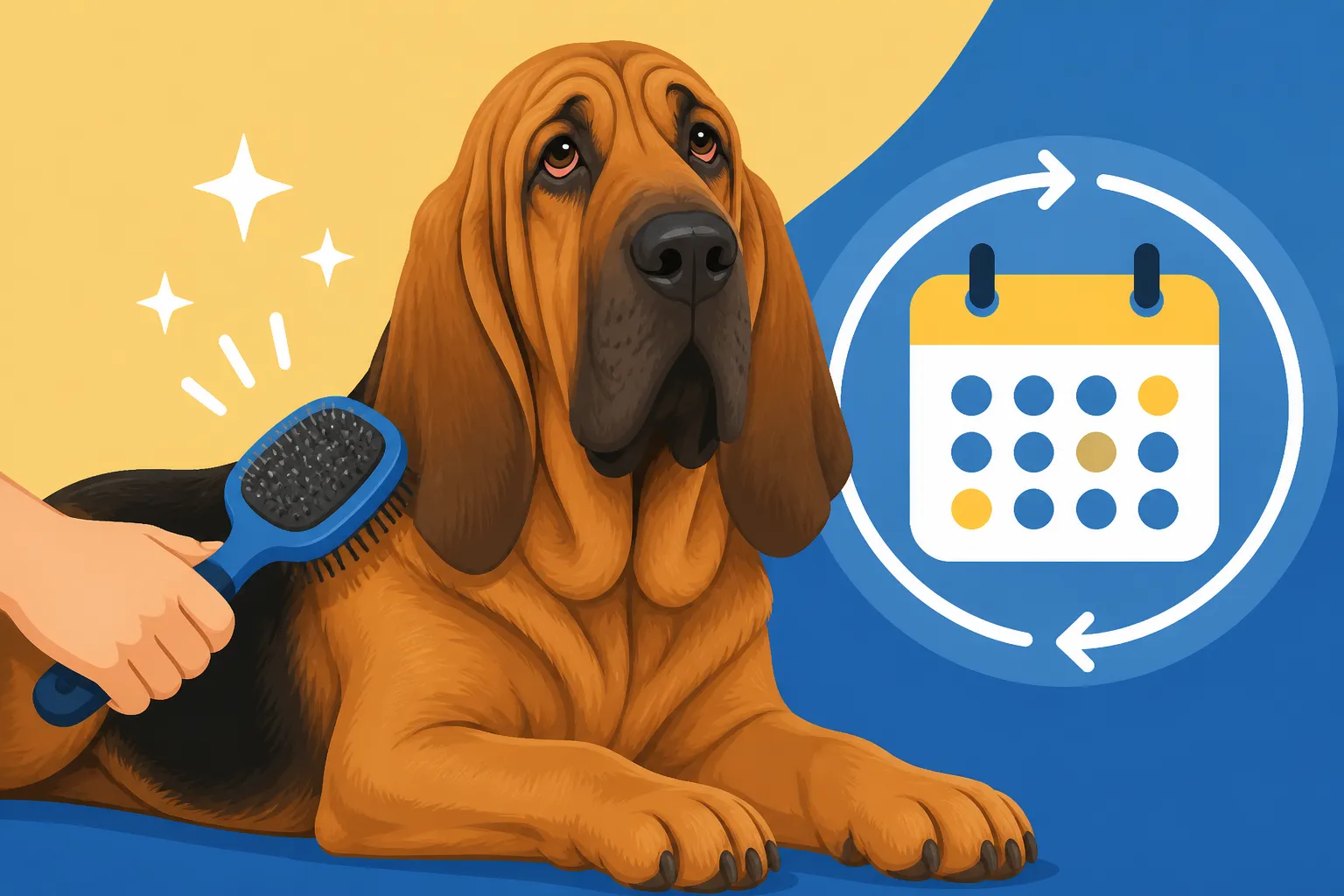
For most Bloodhounds, a good baseline for brushing is once a week. This weekly session is your primary defense against excessive shedding and helps maintain optimal skin health. Think of it as preventative maintenance, much like changing the oil in your car; you don't wait for a problem, you do it routinely to keep things running smoothly. A weekly brush-down will remove accumulated dead hair, stimulate the skin, and keep those natural oils distributed. It’s also a perfect opportunity to really get hands-on with your dog, checking them over from nose to tail. Run your hands over their body, feel for any changes in their skin or coat, and pay particular attention to areas like their neck rolls, under their chin, and around their joints where skin can fold and collect debris.
These weekly sessions don't need to be marathon grooming events. A focused 15-20 minute session is usually sufficient to thoroughly work over their entire body. Establishing this routine early on, ideally when they are puppies, helps your Bloodhound learn to accept and even enjoy the process. It becomes a predictable, positive interaction that strengthens your bond. If you start this habit early, using plenty of praise and treats, your Bloodhound will likely come to see their weekly brush as a relaxing spa treatment, rather than a chore. It's about consistency, not intensity, and this regular attention will significantly reduce the likelihood of skin problems and keep shedding manageable around your home.
Increased Frequency During Shedding Seasons
While Bloodhounds shed year-round, like many breeds, they often have heavier shedding periods, typically in the spring and fall. During these times, their bodies are naturally adjusting to the changing temperatures, either blowing out their winter coat to prepare for warmer weather or thickening up for the colder months ahead. When your Bloodhound is in a heavy shedding cycle, that once-a-week routine simply won't cut it. You'll notice more hair on your furniture, your clothes, and generally floating around the house. This is when it's time to increase your brushing frequency.
During peak shedding, aiming for two to three times a week, or even daily brushing if you have the time and your dog enjoys it, can make a huge difference. The goal is to capture as much of that loose hair as possible before it makes its way onto your upholstery. A dedicated shedding tool, like a rubber curry comb or a hound glove, can be incredibly effective during these times, working through the short, dense coat to lift out dead hair without irritating the skin. Pay special attention to their flanks, back, and hindquarters, as these areas often shed more heavily. It’s a bit more effort, for sure, but staying on top of it will prevent the house from looking like a Bloodhound exploded in it and keep your hound more comfortable.
Situational Brushing: Mud, Dust, and Debris
Bloodhounds are working dogs at heart, often found with their noses to the ground, exploring every scent trail imaginable. This inherent drive means they are prone to collecting all sorts of outdoor "souvenirs" in their coats. Whether it's mud from a damp field, fine dust from a dry trail, burrs from a thorny bush, or even just the general debris of an exciting adventure, their short, dense coat and ample wrinkles are surprisingly good at trapping it all. This is where situational brushing comes into play – a quick clean-up brush that goes beyond your regular weekly routine.
After a particularly messy outing, especially if your Bloodhound has been tracking or exploring off-path, a thorough brushing is highly recommended. This isn't just about cleanliness; it's about removing anything that could potentially irritate their skin or be ingested later. Mud, once dry, can be brushed out fairly easily, preventing it from caking on their skin or being rubbed off on your furniture. Fine dust can accumulate and lead to dullness or skin irritation if left. Burrs and sticky seeds can get caught in their short fur and especially in their longer ear leathers, causing discomfort or even skin lesions if not removed promptly. A good, stiff bristle brush or a hound glove can be perfect for these quick clean-up jobs. Keep one by the door or in your car if you frequent dog parks or trails. It’s a small extra step that can make a big difference in preventing skin issues and keeping your Bloodhound comfortable and tidy.
Essential Brushing Tools for Bloodhounds
Having the right tools makes all the difference when it comes to grooming your Bloodhound. You don't need an arsenal, but a few key items will ensure efficient and comfortable brushing sessions.
Choosing the Right Brush for a Bloodhound's Coat
Given the Bloodhound's short, dense, and sometimes coarse coat, certain brushes are far more effective than others. You won't typically need slicker brushes or de-matting rakes, as matting is rare. Instead, focus on tools designed to remove loose hair, stimulate the skin, and distribute oils.
Here's a breakdown of the best options:
| Brush Type | Description | Best Use for Bloodhounds |
|---|---|---|
| Rubber Curry Comb | Made of rubber or silicone with soft, flexible "teeth." Fits in the hand. | Excellent for removing loose, dead hair and stimulating circulation. Great for massage-like action. Effective during baths. |
| Hound Glove | A glove with rubber nubs on the palm. Worn like a mitt. | Similar to a curry comb but offers a more natural petting motion. Fantastic for sensitive dogs or quick daily passes. |
| Bristle Brush | Features natural or synthetic bristles, often firm. | Ideal for smoothing the coat, distributing natural oils, and adding a healthy sheen. Best for finishing touches. |
| Shedding Blade | A metal loop with small, dull teeth on one side. | Highly effective for removing large amounts of dead undercoat during heavy shedding seasons. Use gently and sparingly. |
For a Bloodhound, a rubber curry comb or a hound glove is often your primary workhorse. These tools are gentle on their loose skin but highly effective at grabbing shed fur and boosting circulation. You can find excellent options for these on sites like Chewy or Amazon. For example, a quality rubber curry comb can be bought fairly affordably and will last a long time. The bristle brush comes in handy for polishing their coat after the dead hair is removed, leaving them looking sleek and distinguished. A shedding blade, while useful during heavy shedding, should be used with a light hand to avoid irritating their skin. Investing in a couple of these key items will set you up for success and make brushing a far more effective and enjoyable experience for both you and your hound.
Other Handy Grooming Supplies
While brushes are central to coat care, there are a few other supplies that will make your Bloodhound's grooming routine more complete and tackle their specific needs. Remember, with a Bloodhound, it's Everything on a Bloodhound Hangs Down and Has to Be Cleaned!
First on the list are gentle wipes, specifically formulated for dogs. These are invaluable for daily cleaning of their magnificent, droopy jowls and those deep facial wrinkles. Food, slobber, and dirt can easily accumulate in these areas, and a quick wipe down can prevent irritation and odor. You might even find medicated wipes helpful if your Bloodhound is prone to mild skin fold issues.
Next, consider a good quality ear cleaner. Bloodhounds are notorious for ear problems due to their long, heavy ear leathers which trap moisture and limit airflow, creating a perfect environment for infections. While not directly a "brushing" supply, it's part of the comprehensive grooming routine often done concurrently. Regular, gentle ear cleaning is crucial for preventing infections. A Bloodhound's Ears Are a Standing Infection Risk, so having the right cleaner on hand is a must.
Finally, don't forget about nail clippers or a grinder. While not for the coat, keeping their nails trimmed is vital for their comfort and gait, especially if they are active on trails. Long nails can cause discomfort, splay their toes, and even lead to painful injuries. Incorporate nail trims into your regular grooming schedule, perhaps after a relaxing brush session, to make it a calm and routine event. All these items are readily available from online retailers like Amazon, making it easy to stock up on everything you need.
Brushing Techniques for a Happy Hound
Brushing your Bloodhound isn't just about mechanically removing hair; it's an opportunity for bonding and a gentle health check. Employing the right techniques can turn a potential struggle into a peaceful ritual.
Making Brushing a Positive Experience
The key to successful grooming, especially with a large, strong-willed breed like a Bloodhound, is to make it a consistently positive experience from puppyhood. Start early, even before your puppy truly needs extensive brushing. Begin with very short sessions, just a few minutes long, using the softest brush you have, like a hound glove or a soft bristle brush. Let your puppy investigate the brush, perhaps even lick it, before gently running it over their body for just a few strokes.
The moment your Bloodhound tolerates or shows curiosity towards the brush, reward them generously with high-value treats and enthusiastic praise. Keep these early sessions brief and always end on a positive note. Never force the issue or hold them down if they are struggling; this can create a negative association that will be hard to overcome later. As they get older and more comfortable, gradually increase the duration and intensity of the sessions. Associate brushing with calm, quiet time and a stream of their favorite rewards. If you make it feel like a gentle massage with delicious perks, your Bloodhound will eagerly look forward to their grooming time, transforming it from a chore into a cherished ritual.
Working Through the Coat: Section by Section
When brushing your Bloodhound, approaching it section by section ensures you don't miss any spots and keeps the process manageable. Start at the head and work your way back, down their neck, across their shoulders, and along their back and flanks. Use a gentle but firm stroke, following the direction of hair growth.
For the body, a rubber curry comb or hound glove is perfect for lifting dead hair and stimulating the skin. With these tools, you can use slightly more pressure, almost a massaging motion, which most Bloodhounds enjoy. As you move to the neck and jowls, be particularly mindful of their loose skin and deep wrinkles. Gently stretch the skin taut in these areas before brushing to ensure you get into the crevices and avoid pulling. Don't forget their chest and belly; even though these areas might seem less prone to shedding, they still accumulate loose hair. Finally, pay attention to their legs and tail, brushing in smooth, even strokes. This systematic approach ensures thoroughness, allowing you to not only remove loose hair but also to inspect their entire body for any skin anomalies, bumps, or parasites. It's a comprehensive check-up disguised as a pampering session.
Addressing Knots and Matting (Rare But Possible)
While true matting is thankfully rare in Bloodhounds due to their short coat, it's not entirely impossible, especially in certain areas or if grooming has been neglected. The most common places to find any kind of knotting or dense clumps of fur would be behind their ears, in their armpits, or deep within their skin folds, particularly the prominent dewlap on their neck or beneath their jowls. These are areas where friction can occur, or where moisture might get trapped, causing the fine hairs to bind together.
If you do encounter a small knot or a patch of densely packed fur, resist the urge to pull or yank at it, as this will be painful and create a negative association with brushing. Instead, gently try to work it apart with your fingers. If it's a bit stubborn, you can use a fine-toothed comb or a specialized detangling tool designed for short coats, working from the outside edges of the knot inward, a few hairs at a time. Sometimes, a tiny bit of cornstarch can help loosen the grip of the hairs. If the knot is tight or your Bloodhound is sensitive, it's often best to carefully trim it out with blunt-nosed scissors, always pointing the tips away from the skin. For anything extensive or if you're unsure, a professional groomer or your vet can assist. Regular brushing, however, is the best preventative measure, making these rare occurrences even rarer.
Beyond Brushing: Comprehensive Coat & Skin Care
Brushing is a cornerstone, but a Bloodhound's coat and skin health require a multi-faceted approach. There are other crucial elements to consider in their overall grooming routine.
The Role of Bathing in Coat Health
Bathing a Bloodhound, contrary to popular belief, doesn't need to happen every week, but it's a vital part of maintaining their coat and skin health. The frequency will depend on their lifestyle: a Bloodhound that spends a lot of time trailing in muddy fields will naturally need baths more often than one who is primarily a couch potato. Generally, bathing every 4-8 weeks is a good guideline, or whenever they get particularly dirty or develop that distinct "houndy" smell. However, avoid over-bathing, as it can strip their skin of natural oils and lead to dryness or irritation.
When it comes to bath time, use a high-quality, dog-specific shampoo that is gentle and moisturizing. Look for formulas designed for sensitive skin or those with oatmeal if your Bloodhound is prone to dryness. Pay extra attention to thoroughly rinsing all shampoo out of their coat, especially from within their deep wrinkles, as residue can cause skin irritation. After the bath, drying is paramount. Their loose skin and folds can retain moisture, creating a breeding ground for yeast and bacteria. Towel dry vigorously, and if your Bloodhound tolerates it, a cool setting on a blow dryer can help ensure they are completely dry, particularly in the deep folds of their neck and jowls. A completely dry Bloodhound is a happy, healthy Bloodhound, and less prone to that damp, musky odor they can sometimes develop. You can find excellent shampoos on Chewy or even Amazon for specific needs.
Tackling Those Troublesome Skin Folds
Ah, the Bloodhound's magnificent wrinkles! They are undeniably charming and crucial to their scenting prowess, but they also present a unique challenge for hygiene. These deep folds of skin, particularly around the face, neck, and sometimes along their body, can easily trap moisture, food particles, drool, and environmental debris. If left unchecked, this moist, warm environment becomes an ideal breeding ground for bacteria and yeast, leading to irritation, redness, and a condition known as skin fold dermatitis. This is why Wiping a Bloodhound's Folds Before They Sour is not just a suggestion, but a necessity.
To prevent issues, a daily wipe-down of all accessible skin folds is highly recommended. Use a soft, damp cloth, an unscented baby wipe, or specialized dog wipes to gently clean inside each fold. After cleaning, it is absolutely crucial to dry the folds thoroughly. You can use a clean, dry cloth or even a cotton ball. Some owners even use a tiny dusting of cornstarch or a pet-safe anti-fungal powder in particularly deep or troublesome folds to absorb moisture, but always consult with your vet before using any powders. Consistency is key here; a few minutes of daily attention can prevent weeks of discomfort for your Bloodhound and potentially costly vet visits for Skin Fold Dermatitis on a Bloodhound. It's a small effort for a big payoff in terms of their comfort and health.
Recognizing and Preventing Common Skin Issues
Despite your best efforts, Bloodhounds can be prone to certain skin issues due to their distinctive anatomy and coat type. Being able to recognize these problems early is crucial for prompt treatment and preventing them from escalating. Beyond fold dermatitis, which we've already covered, look out for general redness, excessive itching or scratching, flaky skin (dandruff), or any unusual bumps or lesions on their body. Hot spots, which are rapidly developing, red, moist, and painful skin infections, can appear suddenly, often in response to an allergic reaction or excessive licking. While their short coat means they're less likely to hide massive matted areas, these skin issues can still be insidious.
Prevention is always better than cure. Regular brushing and bathing with appropriate shampoos help maintain skin health. Ensure your Bloodhound is on a high-quality diet, as nutrition plays a significant role in coat and skin condition. Consider supplements like omega-3 fatty acids, which can support skin barrier function, especially if recommended by your vet. Be diligent with parasite control, as fleas and ticks can trigger skin irritation and allergic reactions. And, of course, those daily fold checks are non-negotiable. If you notice persistent itching, unusual rashes, hair loss, or any discharge from a skin fold, don't hesitate to contact your veterinarian. Early intervention can prevent minor irritations from becoming chronic and painful problems. It's about being observant and proactive.
Lifelong Grooming Habits for Your Bloodhound
Caring for a Bloodhound's coat and skin is a journey, not a destination. Establishing good habits early and maintaining them throughout their life is the best way to ensure their comfort and health.
Building a Routine for Consistency
Consistency is the absolute bedrock of successful Bloodhound grooming. It’s not just about getting the job done, but about establishing a predictable routine that your Bloodhound learns to accept and even anticipate. Think about it: dogs thrive on routine. When grooming sessions, including brushing, ear cleaning, and fold wiping, happen at regular intervals—say, every Sunday morning for a full brush-down, and a quick facial wipe-down every evening—your Bloodhound learns what to expect. This predictability reduces anxiety and resistance, making the experience calmer for everyone involved.
A consistent routine also helps you stay on top of their needs before problems arise. You’re more likely to notice a small patch of redness in a fold, or a slight increase in shedding, if you're regularly interacting with their coat and skin. This means you can address minor issues before they become major infections or chronic discomfort. Building this habit from puppyhood is ideal, but even an older Bloodhound can learn to appreciate a consistent, gentle grooming schedule, especially if it’s paired with positive reinforcement. It’s a shared time, a quiet moment, and a vital part of responsible ownership that contributes significantly to their overall well-being.
Signs of a Healthy Bloodhound Coat
Knowing what a healthy Bloodhound coat and skin should look like can help you quickly spot when something is amiss. When your Bloodhound's coat is in top condition, it will typically be sleek, short, and lie flat against their body. It should have a natural, subtle sheen, reflecting good nutrition and proper oil distribution. There should be no excessive flakiness or dandruff, and their skin beneath the fur should appear clean, supple, and a healthy pink or pigmented color, without any signs of redness, bumps, or lesions.
Beyond visual cues, a healthy Bloodhound shouldn't be excessively itchy or constantly scratching, licking, or chewing at their skin. While Bloodhounds do have a characteristic "houndy" scent, a healthy coat shouldn't have an overpowering, foul, or yeasty odor. If you notice a sudden change in their coat texture, excessive dullness, persistent itching, hair loss in patches, or an unusual smell, these are all indicators that something might be off. These signs warrant closer inspection and potentially a visit to your veterinarian. By routinely brushing and checking, you'll become attuned to your individual Bloodhound's healthy state, making it easier to identify and address any deviations quickly.
When to Seek Professional Help
While much of a Bloodhound’s grooming can be handled at home, there are definitely times when seeking professional help, either from a groomer or a veterinarian, is the smartest move. If you’re struggling to keep up with their shedding, or if your hound is particularly resistant to grooming sessions, a professional groomer can offer tips, demonstrate techniques, or even take over the routine grooming for you. They have specialized tools and experience with all types of temperaments, and can often make short work of a shedding coat or a reluctant client. For instance, if you're finding it impossible to effectively remove all the loose hair during shedding season, a groomer might have a high-velocity dryer or a specific shedding treatment that could help significantly.
More critically, if you notice persistent skin issues—like unresolving redness in the folds, foul odors despite cleaning, chronic scratching or licking, sudden hair loss, or any unusual lumps or bumps that don't go away—it’s time to call your veterinarian. These could be signs of bacterial or yeast infections, allergies, hormonal imbalances, or even more serious conditions that require medical diagnosis and treatment. Don’t try to self-diagnose or treat with home remedies, as this can often delay proper care and worsen the problem. Your vet can accurately identify the underlying cause and prescribe the correct course of action, ensuring your Bloodhound gets the specific care they need to recover.
Disclaimer
This article is for general informational purposes only and does not constitute professional advice. Laws, prices and regulations vary by location and change over time. Consult a qualified professional for guidance on your specific situation.