Whether a Bloodhound’s Ears Need Drying After Cleaning
If you're a Bloodhound owner, you know those magnificent, long ears are both a hallmark of the breed and a constant source of concern. Many of us grapple with the question of whether our Bloodhound's ears truly need drying after cleaning, or if letting them air out is enough. This guide will walk you through why diligent drying is not just a recommendation, but an absolute necessity for preventing uncomfortable and often expensive ear infections in our beloved hounds.
The Unique World of Bloodhound Ears
There's no sugarcoating it: Bloodhound ears are a commitment. They aren't just pretty; they are highly specialized, designed to sweep scent towards that incredible nose. But this very design, so perfect for trailing, creates a perfect storm for moisture and microorganisms. Understanding their unique anatomy is the first step to truly appreciating why drying them is so critical.
Anatomy: A Deep Dive into Those Velvety Flaps
Imagine a deep, winding cave that’s perpetually warm and humid. That's essentially what the inside of a Bloodhound's ear canal resembles, thanks to those long, heavy ear flaps, often called leathers. These ears aren't just dangling; they're thick, well-furred, and extend far below the ear canal opening. This design means that airflow is naturally restricted, creating an environment that's far from ideal for drying out on its own. It's a dark, moist haven – exactly what yeast and bacteria dream of for setting up shop. You can read more about how their unique anatomy contributes to problems in Why a Bloodhound's Ear Canal Stays Damp.
Beyond the external flap, the ear canal itself is L-shaped, making it difficult for anything to drain out naturally. When you clean their ears, even if you’re using a gentle solution, you're introducing more liquid into this already moisture-prone environment. If that liquid isn't removed, it sits, festering, becoming a breeding ground for problems. This intricate structure means we, as owners, have to be incredibly intentional about how we manage their ear health, much more so than with breeds with prick ears or shorter, lighter flaps.
How Their Length and Structure Trap Moisture
It's not just the depth; it's the sheer length and weight. A Bloodhound's ear leather can be incredibly long, sometimes reaching past their nose. When they lower their head to sniff, or even just to drink water, these ears often dip into whatever liquid or dampness is present. Think about all the times your Bloodhound dips its ears into the water bowl while taking a drink, or trails them through dew-covered grass. Every one of those instances introduces moisture.
Furthermore, the folds and wrinkles on the ear leather itself, while characteristic, also provide tiny nooks and crannies where moisture can hide and skin-on-skin contact prevents proper ventilation. This isn't just about water from cleaning; it's about the everyday realities of owning a hound who uses its nose for everything. If you've ever found a bit of kibble stuck to an ear tip, you know how easily things get caught and transported. This constant exposure to dampness and debris, coupled with the restricted airflow, makes meticulous drying absolutely essential to prevent the cascade of issues that can arise.
The Ideal Environment for Unwanted Guests
All this moisture, warmth, and lack of air circulation combine to create the perfect incubator for opportunistic pathogens. Imagine a steamy jungle – that's what's going on inside your Bloodhound's ears. Bacteria, which thrive in moist, oxygen-poor environments, and yeast, which loves warmth and dampness, are the most common culprits behind ear infections. You might think, "Well, my dog's ears usually dry on their own." For many breeds, that might be true. But for a Bloodhound, whose ears are specifically designed to not dry out quickly, relying on nature is a recipe for trouble.
The trapped moisture softens the delicate skin lining the ear canal, making it more vulnerable to irritation and invasion. Once these microorganisms gain a foothold, they multiply rapidly, leading to inflammation, itching, pain, and that distinct, tell-tale odor. It's a vicious cycle: moisture leads to infection, infection leads to inflammation, and inflammation further narrows the ear canal, trapping even more moisture and making the problem worse. This is why A Bloodhound's Ears Are a Standing Infection Risk, and why a proactive approach to drying is so crucial.
The Crucial 'Why' Behind Drying Your Bloodhound's Ears
Neglecting to thoroughly dry your Bloodhound's ears after cleaning or getting them wet is akin to leaving a damp towel wadded up in a dark, warm bathroom. You know what happens: mildew, a funky smell, and eventually, something you definitely don't want to touch. The stakes are much higher with your dog's ears, though, involving pain, expensive vet visits, and a lot of discomfort for your hound.
Preventing Yeast and Bacterial Infections
The primary reason for rigorous ear drying is to prevent the proliferation of yeast and bacteria. These microscopic organisms are always present on a dog's skin and in their ears, but they only cause problems when their numbers get out of control. Moisture creates that perfect environment for an overgrowth. Yeast, often Malassezia pachydermatis, thrives in damp, warm conditions and causes a thick, waxy, brownish discharge with a distinctive sweet, yet pungent, odor. Itching is usually intense.
Bacterial infections, on the other hand, can be caused by various strains, often leading to a yellowish or greenish pus-like discharge, redness, swelling, and severe pain. Whether Yeast or Bacteria Is More Common in a Bloodhound's Ear often depends on individual factors, but both are common and both are exacerbated by moisture. A damp ear canal simply provides the ideal conditions for these organisms to multiply rapidly, turning a routine cleaning into an accidental invitation for infection. Drying removes that critical environmental factor, starving them of their preferred habitat.
Avoiding Skin Irritation and Dermatitis
Beyond outright infections, prolonged dampness can lead to skin irritation and a condition known as dermatitis. Just like our own skin can get macerated or irritated if kept wet for too long (think of soggy skin after a long bath), the delicate lining of your Bloodhound's ear canal is susceptible to similar issues. This can manifest as redness, mild itching, and general discomfort, even before a full-blown infection sets in.
Dermatitis can be incredibly uncomfortable, causing your hound to shake its head, scratch at its ears, or rub them along furniture. This self-trauma only worsens the inflammation and can break the skin, creating open wounds that are even more vulnerable to infection. Regular, thorough drying helps maintain the integrity of the ear canal skin, keeping it healthy and resilient. It's a simple, preventative step that saves your dog from unnecessary suffering and you from the worry of a painful ear condition.
Long-Term Health and Comfort Benefits
Making ear drying a consistent part of your Bloodhound's routine isn't just about preventing immediate infections; it contributes significantly to their overall long-term health and comfort. Chronic ear issues can be incredibly frustrating for both dog and owner. They can lead to permanent changes in the ear canal, such as thickening and narrowing, making future infections even harder to treat. In severe cases, where infections become resistant or the canal is irreparably damaged, costly and invasive surgery, like a total ear canal ablation, might be the only solution. What a Total Ear Canal Ablation Means for a Bloodhound is a serious procedure, and avoiding it starts with diligent preventive care.
By consistently drying their ears, you're not only reducing the frequency of infections but also teaching your Bloodhound that ear handling is a normal, non-threatening part of their life. This makes future cleanings, dryings, and any necessary veterinary examinations much easier and less stressful for everyone involved. A comfortable hound is a happy hound, and maintaining healthy ears is a huge part of that equation.
Gentle and Effective Drying Techniques
Now that we understand why drying is so important, let's talk about the how. It’s not about blasting their ears with hot air or rubbing them raw. The key is gentle, thorough moisture removal, leveraging both physical methods and, if needed, appropriate products. Remember, consistency and patience are your best friends here.
The Power of the Soft Towel Pat
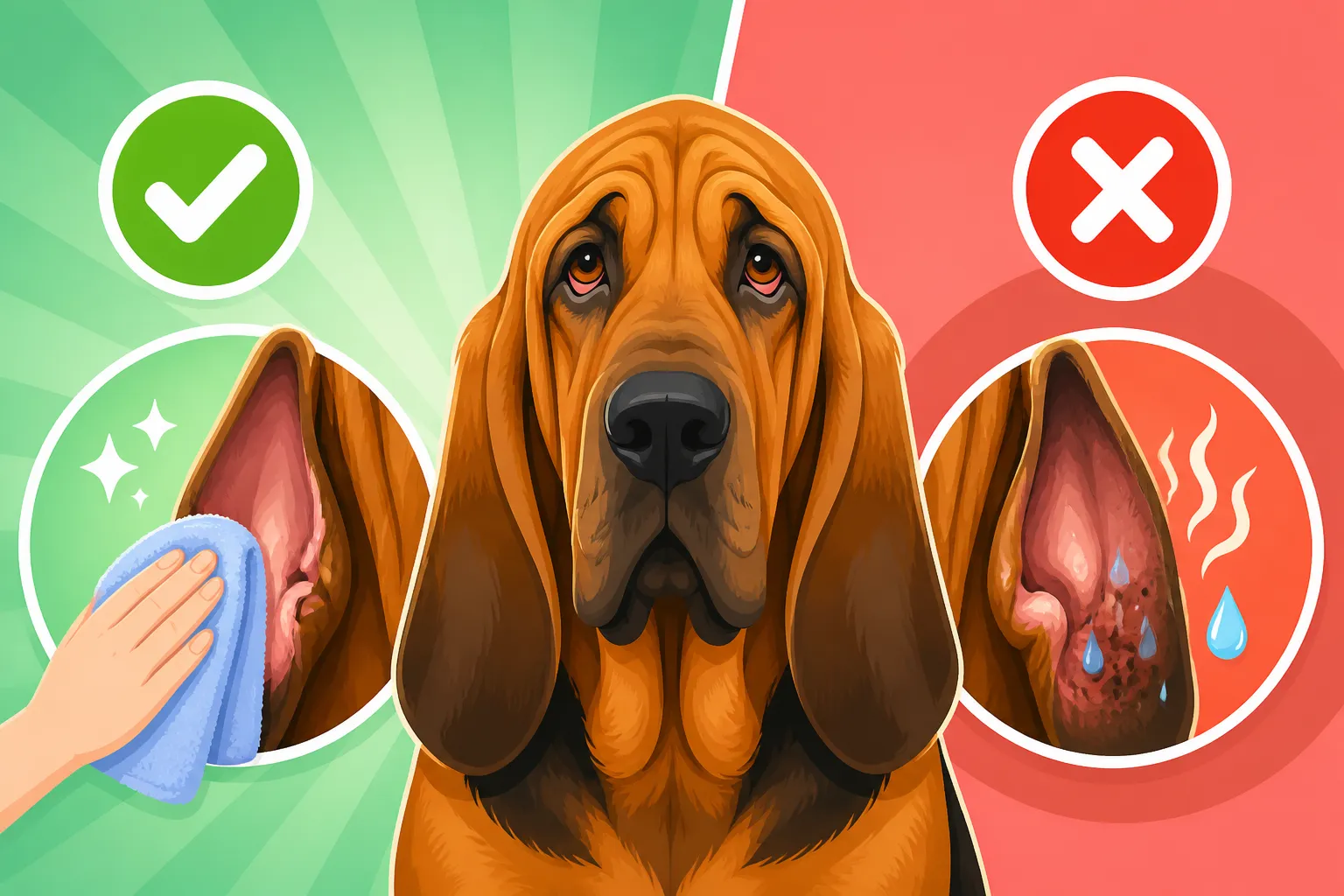
After you've finished cleaning your Bloodhound's ears with their regular ear cleaner, the first and most crucial step is to use a soft, absorbent cloth or cotton balls to gently pat dry the outer and accessible inner parts of the ear. I always keep a stack of old, clean, super-soft t-shirts cut into squares for this purpose. Avoid harsh rubbing, which can irritate the delicate skin. The goal is to absorb as much surface moisture as possible.
Gently fold back the ear leather to expose the opening of the ear canal and pat around the visible crevices. Don't try to shove anything deep into the canal – that's where you risk pushing debris further in or injuring the eardrum. Focus on the areas you can easily reach. If you see any discharge or residue on your cloth, it's a sign you're doing a good job of removing excess moisture and gunk. Repeat with fresh, dry cotton or cloth until no visible moisture or residue comes off. This simple patting action is incredibly effective for the majority of the job.
Airflow and Bloodhound Ears: A Delicate Balance
While direct rubbing should be gentle, encouraging airflow is also important for drying deeper within the ear canal. After patting dry, try to hold your Bloodhound's ear flaps open for a few minutes. You can do this by gently cupping their head, or if they're cooperative, you might even be able to briefly pin them up with a soft scrunchie (ensure it's loose and comfortable, never tight!). Some owners even find that a short, supervised walk immediately after cleaning can help air out the ears as their head moves.
However, be cautious with artificial heat sources. Never use a human hairdryer directly on their ears, as the heat can easily burn their sensitive skin or damage the eardrum. If you have a dog-specific cool-air dryer, you could use it on the lowest, coolest setting from a safe distance, moving it constantly, but for most owners, gentle air circulation from an open window or a fan on a low setting pointed generally at the area (not directly into the ear) is sufficient and much safer. The primary goal is to aid evaporation without causing discomfort or trauma.
When to Consider Commercial Drying Aids
For Bloodhounds particularly prone to moisture-related ear issues, or those who frequently swim or get very wet, a veterinarian-approved ear drying solution can be a game-changer. These solutions are formulated to help evaporate moisture quickly and often contain ingredients that discourage microbial growth without causing irritation. Look for products specifically labeled as "ear drying solutions" or "astringent ear flushes." Brands like Zymox or Epi-Otic often have product lines that include drying agents, readily available from pet supply retailers like Chewy or Amazon.
Apply these solutions after cleaning and gently patting dry, following the product instructions carefully. They typically involve squirting a small amount into the ear canal, gently massaging the base of the ear, and then allowing your Bloodhound to shake their head. After they shake, gently wipe away any expelled solution and moisture from the visible ear. Always consult your vet before introducing a new product, especially if your Bloodhound has a history of ear problems or if you suspect an active infection. Whether an Ear Drying Solution Beats a Cleaner for a Bloodhound depends on your specific needs, but for many, a drying solution is a fantastic addition.
Common Pitfalls and How to Sidestep Them
It's easy to fall into traps when it comes to Bloodhound ear care. Their unique anatomy requires a nuanced approach, and what works for other breeds often won't cut it, or worse, can cause harm. Knowing what not to do is just as important as knowing what to do.
Over-Drying and Irritation
While the goal is to remove moisture, you don't want to strip the ear canal of its natural protective oils or cause excessive dryness. Over-drying can lead to flaky, itchy skin, which ironically can also lead to irritation and scratching, ultimately opening the door for infection. Avoid using harsh rubbing alcohol or undiluted astringents not specifically designed for dog ears. These can be too harsh and contribute to dryness.
Similarly, don't use cotton swabs (Q-tips) deep inside the ear canal. They can push debris and wax further in, compacting it against the eardrum, and potentially causing micro-abrasions to the delicate skin, leading to inflammation or even rupturing the eardrum. Stick to cotton balls or soft cloths for the visible parts of the ear. The aim is gentle moisture removal, not aggressive scrubbing. If you notice your Bloodhound’s ears becoming flaky, red, or excessively itchy after cleaning and drying, you might be overdoing it or using a product that's too harsh.
Neglecting the Hard-to-Reach Spots
Those wonderful, deep wrinkles and folds on a Bloodhound's ear leather, especially around the ear opening and underneath the flap, are prime spots for moisture, dirt, and yeast to hide. It's easy to focus on the main ear canal opening and forget these external yet crucial areas. When you're cleaning and drying, make sure to gently lift and separate all the folds you can safely access.
Use your soft cloth to wipe and pat dry in these areas. Don't be afraid to get your fingers in there, gently separating the skin folds to ensure air can reach them. If these areas stay damp, they can develop skin fold dermatitis, a painful condition characterized by redness, odor, and inflammation. This often happens where skin rubs against skin, trapping moisture. This applies not only to the internal ear but also to external folds such as those under the jaw and on the neck. Where a Bloodhound's Folds Trap Moisture First are often the places we overlook during routine care.
The Myth of "Air-Dry Only"
The idea that a Bloodhound's ears can simply "air-dry" is a common misconception and a dangerous one. As we've discussed, the very design of their long, heavy ears and deep, L-shaped canals works against natural air circulation. Relying solely on air-drying, especially after a bath or a thorough ear cleaning, is almost guaranteed to leave residual moisture, setting the stage for infection.
Think of it this way: if you wash your hair and then put on a tight hat without drying it first, you know it's going to stay damp for a long time, potentially getting that slightly musty smell. A Bloodhound's ear flap acts like that hat, keeping the canal warm and humid. While some breeds with short, erect ears might get away with air-drying, a Bloodhound simply cannot. Active, thorough drying, whether with a towel, a drying solution, or a combination, is a non-negotiable step in their ear care routine.
Integrating Drying into Your Bloodhound's Regular Ear Care
Consistent, regular ear care, including proper drying, is the cornerstone of preventing issues for your Bloodhound. It shouldn't be an afterthought but a fundamental part of their grooming routine. Establishing a predictable schedule and having the right tools on hand will make the process smoother for both of you.
Establishing a Routine for Optimal Health
How often should you clean and dry your Bloodhound's ears? Generally, a weekly check and cleaning is a good baseline, but this can vary. If your Bloodhound swims frequently, loves to roll in damp grass, or has a history of ear issues, you might need to clean and dry them more often – perhaps every few days. After every bath or any time their ears get thoroughly wet, a dedicated drying session is mandatory, regardless of your regular cleaning schedule.
The key is consistency. Choose a specific day or time each week for a full ear check and cleaning. This predictability helps your Bloodhound learn what to expect, making them more cooperative. Make it a positive experience with treats and praise. Start young if you have a puppy; the earlier they get used to it, the easier it will be as an adult. Remember, preventing an infection is always easier and less stressful than treating one. How Often a Bloodhound's Ears Need Cleaning is a question many owners ponder, and the answer often leans towards "more often than you think!"
Supplies You'll Need for Successful Ear Drying
Having the right tools at your fingertips makes the job much less daunting. Here’s a quick list of essentials for an effective Bloodhound ear care station:
- Veterinarian-Approved Ear Cleaner: This is vital for loosening wax and debris before drying. Make sure it's gentle and appropriate for your dog.
- Soft, Absorbent Cloths or Large Cotton Balls: For patting dry. Old, clean t-shirts cut into squares work wonderfully. Avoid rough textures.
- Ear Drying Solution (Optional but Recommended for Prone Hounds): As discussed, a vet-approved solution can accelerate drying. Look for options from Chewy or ask your vet for recommendations.
- High-Value Treats: To reward cooperation and make the experience positive. Ollie offers various natural, wholesome options that can be great motivators.
- Good Lighting: You need to see what you're doing! A bright area or even a headlamp can be helpful.
- Patience and a Positive Attitude: Seriously, this is your most important tool.
| Item Type | Purpose | Key Features | Notes |
|---|---|---|---|
| Ear Cleaner | Dissolving wax, removing debris | pH-balanced, gentle, vet-approved | Use before drying. |
| Soft Cloth/Cotton | Absorbing surface moisture | Lint-free, highly absorbent, non-abrasive | Cut up old t-shirts for cost-effective, soft wipes. |
| Ear Drying Solution | Accelerating moisture evaporation | Astringent properties, anti-fungal/bacterial agents (optional) | Use after cleaning and initial pat-dry. Consult vet first. |
| High-Value Treats | Positive reinforcement | Small, easily digestible, highly palatable | Essential for making ear care a pleasant experience. |
| Snood (Optional) | Keeping ears out of bowls, off ground | Breathable fabric, comfortable fit | Can help keep ears clean and dry between full cleanings. |
Making Ear Care a Positive Experience
No one wants to wrestle a reluctant Bloodhound. The key to successful ear care, including drying, is to make it a positive, calm experience from day one. Start by simply touching their ears gently, rewarding immediately with a high-value treat. Gradually increase the duration and intensity of the touch, eventually simulating the cleaning and drying process, all while showering them with praise and treats.
Keep sessions short, especially initially. If your Bloodhound shows signs of stress or discomfort, take a break and try again later. Never punish them for being uncooperative; this will only create a negative association and make future sessions harder. Distraction can also be your friend – try having someone hold a lick mat smeared with peanut butter or a soft treat for them to focus on while you work. Over time, your Bloodhound will learn that ear handling means good things (treats!) and will be much more tolerant. This patience pays dividends in keeping A Bloodhound's Ears Are a Standing Infection Risk at bay.
When Your Efforts Aren't Enough: Signs to Call the Vet
Even with the most meticulous care, Bloodhounds can sometimes develop ear infections. It’s important to recognize the signs early so you can seek veterinary attention promptly. Ignoring these signals can lead to more serious, entrenched problems that are much harder and more expensive to treat.
Persistent Moisture and Odor
One of the most immediate red flags is persistent moisture or an unusual odor, even after you've cleaned and dried their ears. While Bloodhounds naturally have a certain "houndy" smell, a foul, yeasty, sweet, or putrid odor emanating from their ears is a clear sign of infection. This smell often intensifies over time and is usually accompanied by discharge.
If you find that their ears feel damp or greasy to the touch, or if you can see excessive dark, waxy, or pus-like discharge collecting in the folds or at the ear opening despite your regular cleaning efforts, it's time to call your vet. This isn't just a hygiene issue; it indicates an active microbial overgrowth that your routine care can't resolve on its own. Don't try to treat it with home remedies, as this can make diagnosis and proper treatment more difficult.
Visual Cues of Trouble
Beyond smell and moisture, there are several visual cues that signal an ear problem:
- Redness or Inflammation: The skin inside the ear flap and around the canal opening might look visibly red, swollen, or inflamed.
- Scabs or Sores: Excessive scratching or rubbing can lead to broken skin, scabs, or even bleeding.
- Hair Loss: You might notice thinning hair around the ear opening or on the ear flap due to constant scratching.
- Hematoma: In severe cases of head shaking, a blood vessel in the ear flap can burst, leading to a swollen, blood-filled pocket called an aural hematoma. This often requires veterinary intervention to drain and stitch.
If you observe any of these changes, especially if they are accompanied by discomfort, it's a clear indication that something is wrong. An immediate vet visit is crucial to prevent the condition from worsening or becoming chronic.
Behavioral Changes Signaling Discomfort
Your Bloodhound might not be able to tell you in words that their ear hurts, but they will show you through their behavior. Pay close attention to these signs:
- Excessive Head Shaking: This is one of the most common signs. They're trying to dislodge whatever is bothering them.
- Constant Scratching or Pawing at the Ears: They might use their back paws or rub their head along the floor or furniture.
- Tilting or Holding the Head to One Side: Often, they'll tilt their head towards the painful ear.
- Pain or Sensitivity to Touch: If they yelp, pull away, or show aggression when you try to touch their ears, it's a strong indicator of pain.
- Lethargy or Irritability: General changes in mood or energy levels can also be a sign that they're not feeling well.
These behavioral clues are just as important as the physical ones. Never dismiss a change in your Bloodhound's behavior as just being "stubborn" or "grumpy" when it comes to their ears. It's usually a plea for help. The sooner you get them to the vet, the sooner they can get relief and the better the prognosis for a full recovery. Ignoring these signs can lead to conditions like When a Bloodhound's Ear Infection Becomes Permanent, which is something no owner wants for their loyal companion.
Disclaimer
This article is for general informational purposes only and does not constitute professional advice. Laws, prices and regulations vary by location and change over time. Consult a qualified professional for guidance on your specific situation.