Whether a Bloodhound Rides to the Scene
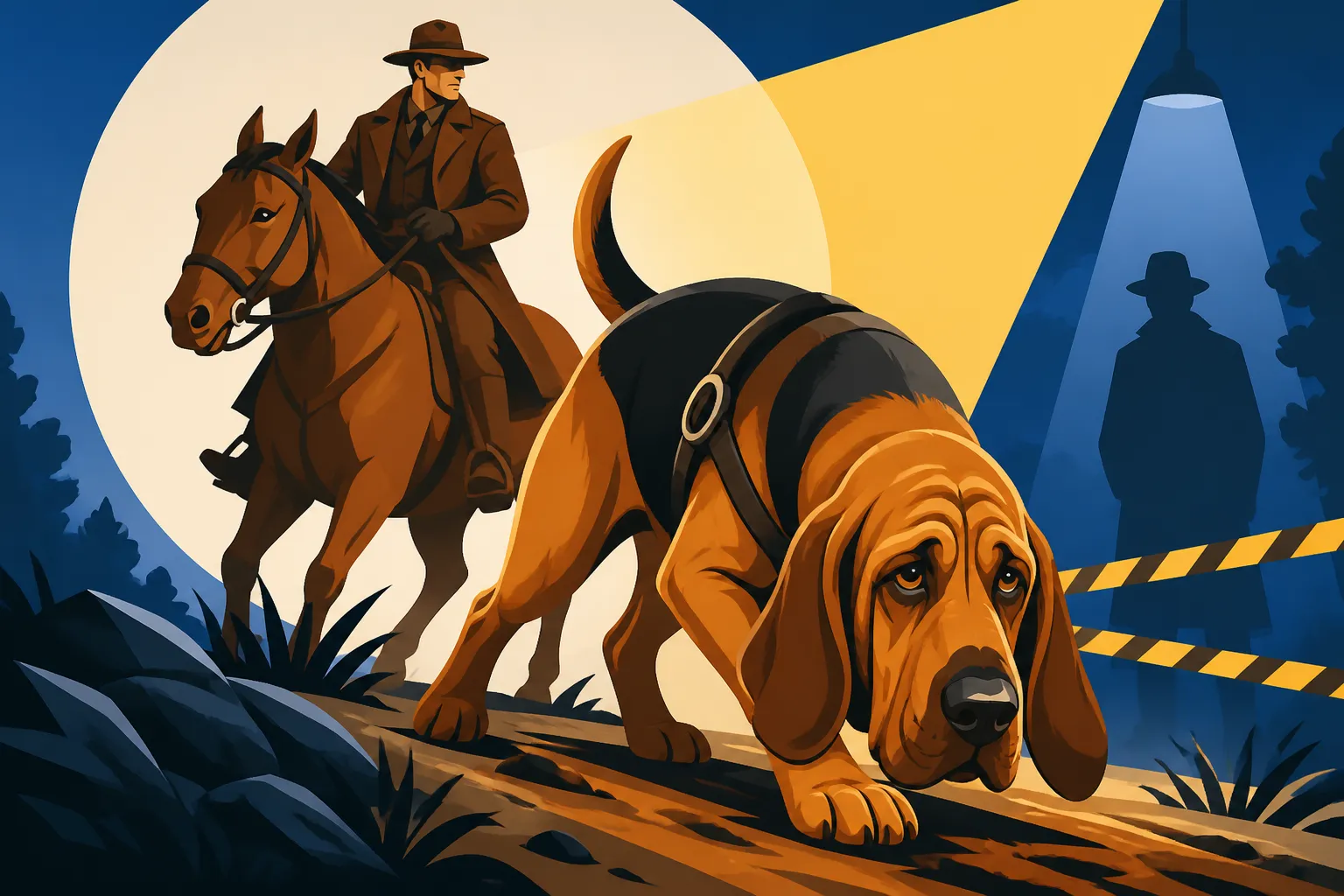
Anyone who has seen a working K9 unit in action, whether on a television show or in real life, might picture a sleek German Shepherd or Malinois calmly riding shotgun in a police cruiser. But if you own a Bloodhound or are familiar with their unique characteristics, you've probably wondered: how exactly does a dog of this size, with their specific needs and scent-driven focus, get transported to an active scene? This guide dives deep into the practicalities, safety measures, and considerations for ensuring a Bloodhound arrives ready to work, whether for law enforcement or a volunteer search team.
The Practicalities of Transporting a Working Bloodhound
Bringing a Bloodhound to a scene isn't as simple as opening the back door of a sedan. These magnificent dogs are built for endurance and scent work, which comes with certain physical traits and needs that dictate how they travel. Their sheer size, combined with their incredible drool and propensity for shedding, means that standard pet transport solutions often fall short when it comes to getting them to a critical location efficiently and safely.
Why Bloodhounds Need Specialized Transport
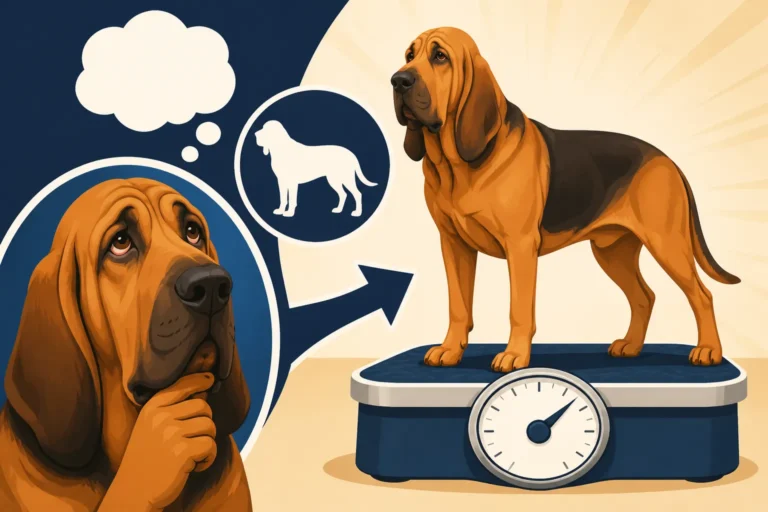
First and foremost, Bloodhounds are large and powerful animals. An adult male can easily top 100 pounds, and their muscular build requires robust containment. Simply letting a Bloodhound ride loose in a vehicle, even one as large as an SUV, poses a significant safety risk to both the dog and the human occupants. In the event of a sudden stop or collision, an unrestrained dog of that weight becomes a dangerous projectile. Beyond safety, there's the practical reality of their famous scenting anatomy. Those long ears, loose skin, and pendulous flews are fantastic for trapping scent, but they also mean a lot of drool, especially when excited or warm. Add to that their natural shedding, and you've got a recipe for a very messy vehicle if proper precautions aren't taken.
Furthermore, working Bloodhounds are often deployed in situations where time is of the essence. Getting them to a search area quickly and calmly is paramount. This isn't just about speed; it's about minimizing stress so the dog can focus on the trail ahead. A dog that arrives anxious, overheated, or uncomfortable from a chaotic ride will not perform at its peak. How Much a Bloodhound Weighs directly impacts the type of transport system needed, as does their tendency to become intensely focused on scent, which can make them quite restless if not properly secured during travel.
Common Modes of Transport for K9 Units
For official K9 units, whether with a sheriff's office or a dedicated search and rescue organization, specialized vehicles are the norm. These are typically SUVs or vans fitted with custom inserts. These inserts are heavy-duty, often made of aluminum or reinforced steel, and are designed to secure the dog while providing adequate ventilation and space. They often include temperature control features, like fans or even dedicated AC units, to keep the dog comfortable regardless of external weather conditions. These professional setups prioritize safety, durability, and hygiene, often having easy-to-clean surfaces. Whether Police Departments Still Keep Bloodhounds often depends on having the right resources for proper care, including transport.
For volunteer handlers, or those in situations where a dedicated K9 vehicle isn't available, personal vehicles are adapted. This usually means a large SUV or truck with a securely anchored crate. Handlers invest in high-quality crates that are crash-tested and designed to withstand impact. The crate isn't just for safety during travel; it also serves as a secure, familiar space for the Bloodhound when they're not actively trailing. It provides a den-like environment, allowing them to rest and mentally prepare or decompress, which is crucial for a dog with such an intense job. The goal is always to create a safe, comfortable, and controlled environment for the Bloodhound, ensuring they arrive at the scene physically and mentally ready to do what they do best.
Securing Your Bloodhound for the Ride to a Scene
The moment you decide to own a Bloodhound, especially one destined for or already involved in working roles, proper vehicle safety becomes non-negotiable. Their size and powerful drive mean that a casual approach to car rides simply won't cut it. Thinking ahead about how you'll secure your dog isn't just about preventing accidents; it's about setting them up for success when it's time to work and ensuring their long-term health and well-being.
Crate Training and Vehicle Safety
Crate training is arguably the single most important tool in a working Bloodhound handler's arsenal when it comes to transport. Starting early, during puppyhood, acclimates the Bloodhound to view their crate not as a punishment but as their personal safe haven. This is vital because a well-crate-trained Bloodhound will be calmer and more secure during travel, reducing stress on both dog and handler. The crate provides a physical barrier, preventing the dog from interfering with the driver or becoming a projectile in a sudden stop. Look for crates specifically designed for vehicle travel; these are often aluminum or heavy-gauge steel, offering superior protection over standard plastic or wire crates, which might not hold up to the force of a large dog in an impact.
Once you have the right crate, securing it within the vehicle is the next critical step. Many vehicles offer tie-down points in the cargo area, which can be used with straps to prevent the crate from shifting. Some specialized vehicle inserts are bolted directly into the vehicle frame for maximum security. When preparing for a trip, especially to a scene, ensure the crate door is latched securely. It's not uncommon for a Bloodhound, eager to get to work, to test the integrity of their confinement. Getting a Bloodhound to Load Into a Vehicle is a skill best practiced regularly, making the process smooth and routine rather than a struggle, particularly when you're under pressure.
Harnesses, Seatbelts, and Other Restraints
While a crate is generally the preferred method for working Bloodhounds, there might be situations where it's not feasible, or for shorter, less critical trips, other restraints come into play. A sturdy, crash-tested car harness can be a viable alternative for securing a Bloodhound. These harnesses are designed to distribute force across the dog's chest, rather than their neck, in the event of a sudden stop. They typically attach to the vehicle's seatbelt system, keeping the dog safely anchored in the back seat. However, it's crucial to select a high-quality harness that has been independently tested for safety, as not all harnesses are created equal.
It goes without saying that a regular collar and leash are wholly insufficient for securing a Bloodhound in a moving vehicle. Even in a low-speed incident, a dog can be seriously injured or escape. Furthermore, allowing a Bloodhound to ride loose in a car, even if they seem calm, is a recipe for disaster. Their powerful noses mean they can become fixated on a scent outside the window, leading to sudden movements that could distract the driver or cause injury. Whether a Bloodhound Should Ride Loose in a Car is a question with a very firm answer: absolutely not. Proper restraint ensures their safety, your safety, and helps maintain their focus for the task at hand.
Preparing the Vehicle for a Bloodhound Mission
Bringing a Bloodhound into your car for a trip to a trailing scene isn't just about getting the dog securely inside; it's also about preparing the vehicle itself for the unique demands of traveling with such a magnificent, and sometimes messy, breed. A well-prepared vehicle makes the handler's job easier, keeps the dog comfortable, and protects your investment.
Protecting the Vehicle Interior
Bloodhounds are known for many things, and being tidy isn't always at the top of the list. Their long flews mean they can produce a significant amount of drool, especially when excited or panting. This drool can end up on windows, seats, and even the headliner. Combine that with shedding, which is continuous, and the mud, dirt, and debris they pick up from their work, and your car interior can quickly become a challenge. This is where investing in protective gear truly pays off. Heavy-duty, waterproof seat covers, often made from durable materials like canvas or neoprene, are a godsend for back seats. For cargo areas where crates are kept, thick rubber floor mats or custom-fit cargo liners can protect against spills, dirt, and wear and tear.
Don't forget the windows! Many handlers use window guards or even specialized protective films to keep slobber off the glass, or to prevent a determined Bloodhound from leaning out too far. Keeping a supply of old towels or absorbent cloths in the car is also essential for quick clean-ups, especially after the dog has had a drink or just finished working a wet trail. What a Bloodhound Owner Spends on Towels and Cleaner might seem like a lot, but it’s an absolute necessity for maintaining a reasonable level of cleanliness and preventing long-term damage to your vehicle's interior. You'll quickly find that Whether a Bloodhound Owner Should Buy Washable Everything extends far beyond their beds and blankets, right into your car accessories.
Temperature Control and Ventilation
Overheating is a serious concern for any dog in a vehicle, and a large, heavy-coated breed like a Bloodhound is particularly susceptible. Ensuring adequate temperature control and ventilation is paramount, especially when driving to a scene in warmer weather. Never leave a Bloodhound unattended in a vehicle, even for "just a minute," as interior temperatures can skyrocket rapidly. Modern K9 vehicles often feature remote temperature monitoring and automatic fan systems, but in a personal vehicle, you'll need to be diligent.
Keep the air conditioning running, and consider adding battery-operated fans to a crated area for extra airflow. If windows are cracked, ensure the dog is securely restrained to prevent escape or injury. Fresh air circulation is vital not just for temperature but also for preventing stale, humid air, which can contribute to the "doggy smell" that Bloodhounds are prone to. Hydration also plays a key role; always have fresh water readily available for your Bloodhound before, during, and after travel, ensuring they remain comfortable and ready to focus on their job when they arrive at the scene.
The Handler's Role in a Bloodhound's Travel Prep
Getting a Bloodhound to a scene is a partnership. While the dog brings its incredible nose and drive, the handler is responsible for every other aspect, from ensuring physical comfort to maintaining mental readiness. This often begins long before the vehicle even starts rolling.
Pre-Travel Checks and Routine
Before heading out to a search scene, a handler needs to establish a routine that prepares the Bloodhound for the journey. This typically involves a quick potty break to ensure the dog is empty and comfortable for the ride. Offering a small amount of water is a good idea, but avoid excessive water intake right before travel, especially if the dog is prone to car sickness or if you anticipate a long, winding journey. Familiarity and routine are key for Bloodhounds; they thrive on predictability. If every trip to a scene starts with the same sequence of events – harness on, potty break, water, load into crate – the dog quickly learns what to expect and can remain calmer.
It's also a good practice to do a quick check of the dog's physical condition: look for any signs of discomfort, lameness, or unusual behavior that might indicate they're not fit for duty. A working Bloodhound needs to be in top physical condition. Similarly, a handler should visually inspect the crate or harness for any damage or weaknesses before each use. Addressing these small things upfront prevents bigger problems down the line. Whether a Bloodhound Puppy Should Be Socialized to Traffic Early is a crucial step in ensuring your future working dog is unfazed by the sounds and motions of car travel, making these pre-travel routines much smoother as they mature.
Post-Arrival Considerations
Once you've arrived at the scene, the mission isn't just about deploying the Bloodhound immediately. There's a critical post-arrival acclimation period that allows the dog to transition from travel mode to work mode. First, safely unload your Bloodhound from the vehicle. Even if they are incredibly eager to start working, take a moment. Allow them to stretch their legs, have another quick potty break, and offer water. This helps them physically reset after being confined, especially after a longer journey.
Just as important is the mental acclimation. The sounds, sights, and smells of a search scene can be overwhelming, even for a seasoned working dog. Giving your Bloodhound a few minutes to observe their surroundings calmly before being asked to work can significantly improve their focus and performance. Some handlers might walk their Bloodhound on a loose lead for a short distance away from the immediate chaos, allowing them to take in the environment at their own pace. This brief period helps the dog process the new environment and mentally prepare for the intense concentration required to follow a trail. It's about setting them up for success, ensuring their incredible nose is the only thing they're thinking about when the time comes to work.
Bloodhound Transport Considerations At a Glance
| Aspect | Key Considerations | Best Practices for Working Dogs |
|---|---|---|
| Vehicle Type | Size and power of the Bloodhound | SUV or truck with ample cargo space; specialized K9 inserts optimal |
| Restraint | Safety for dog and occupants; prevention of distraction | Crash-tested crate securely anchored; high-quality car harness as backup |
| Comfort | Temperature, ventilation, space for movement | A/C, fans, adequate crate size, regular breaks for long trips |
| Hygiene | Drool, shedding, dirt, mud | Waterproof seat/cargo covers, floor liners, towels, easy-clean surfaces |
| Preparation | Physical and mental readiness for work | Consistent routine, potty breaks, water, quiet acclimation at scene |
| Legal/Policy | Working dog regulations, local transport laws | Adherence to K9 unit standards, proper identification (vests) |
Disclaimer
This article is for general informational purposes only and does not constitute professional advice. Laws, prices and regulations vary by location and change over time. Consult a qualified professional for guidance on your specific situation.