Whether a Bloodhound Howls Along With Sirens
Bloodhound howling at distant sirens stems from ancient tracking instincts and auditory responses to high frequency noises.
Work with the temperament you have.
House-training and crate work, recall, leash manners, separation anxiety, and the behaviors this breed is wired for.
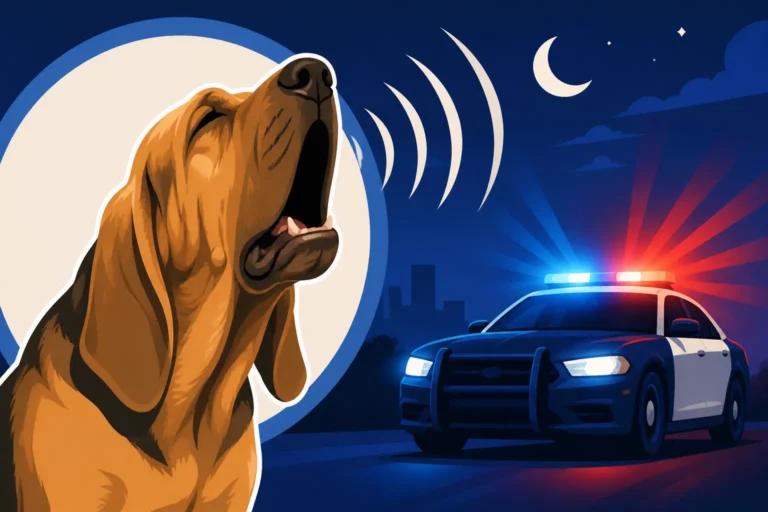
Bloodhound howling at distant sirens stems from ancient tracking instincts and auditory responses to high frequency noises.
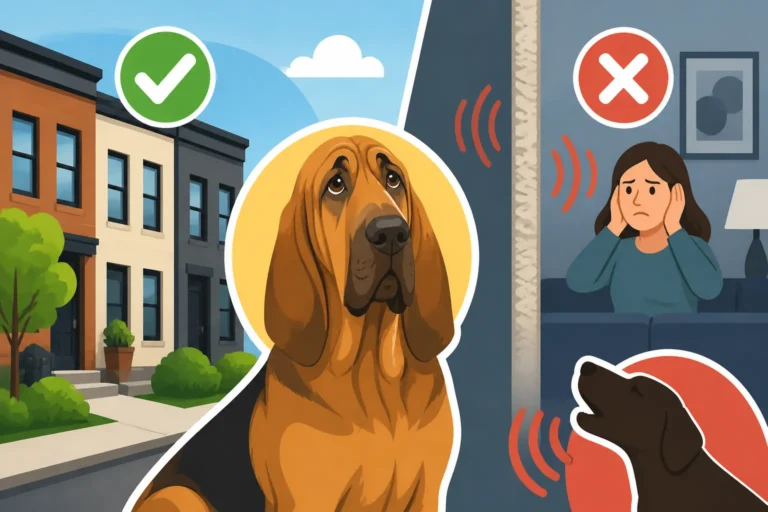
Bloodhound ownership in a townhouse with shared walls presents challenges regarding loud baying and managing neighbor relations.

Bloodhound apartment living requires managing their large physical size, deep baying voice, and constant scent tracking.
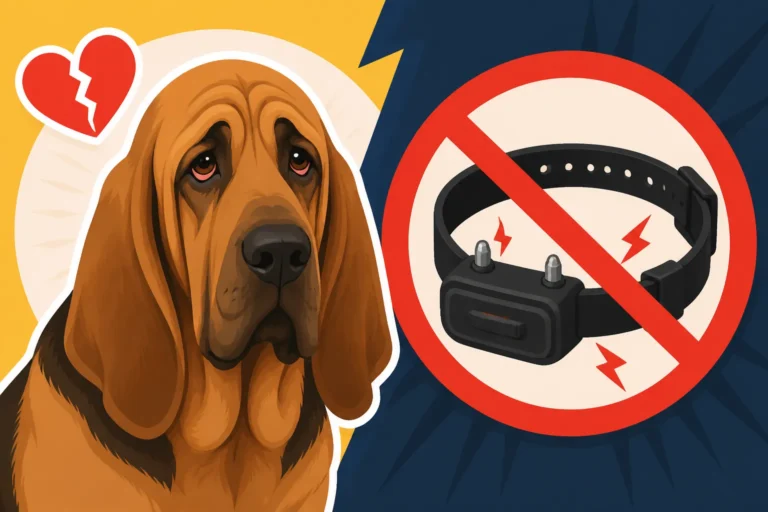
Bloodhound vocalizations and baying behaviors stem from scent-driven instincts, explaining why bark collars fail and cause harm.

Static shock, vibration, and spray bark collars struggle to manage deep Bloodhound baying driven by scenting instincts and ancient hunting drives.
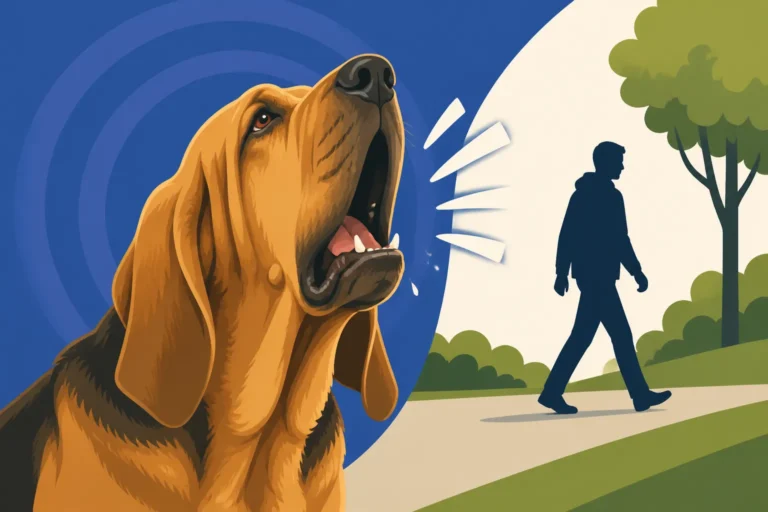
Bloodhound baying stems from their tracking history and scent instincts, explaining whether these dogs vocalize at every passerby.

Bloodhound baying when left alone stems from separation anxiety, boredom, or deep instincts, requiring distinct solutions.

Bloodhound nighttime baying stems from instinctual scent tracking, and practical strategies help restore quiet sleep for everyone.
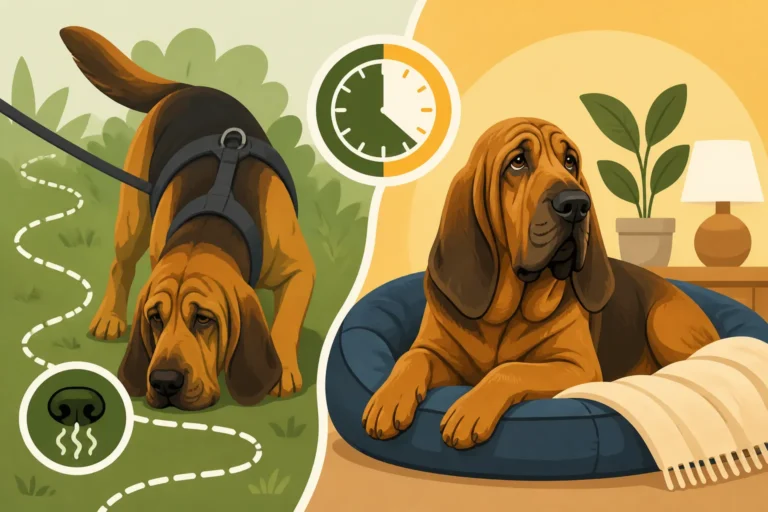
Twenty minutes of scent work provides a Bloodhound with mental fatigue through problem solving and deep sensory concentration.

Bloodhound nose work provides an intense cognitive workout that tires the dog more effectively than a long walk around the neighborhood.