Why an Electric Collar Is Wrong for a Bloodhound
Electric collars harm Bloodhounds because their scent drive and independent nature require positive, trusting relationships instead.
Work with the temperament you have.
House-training and crate work, recall, leash manners, separation anxiety, and the behaviors this breed is wired for.
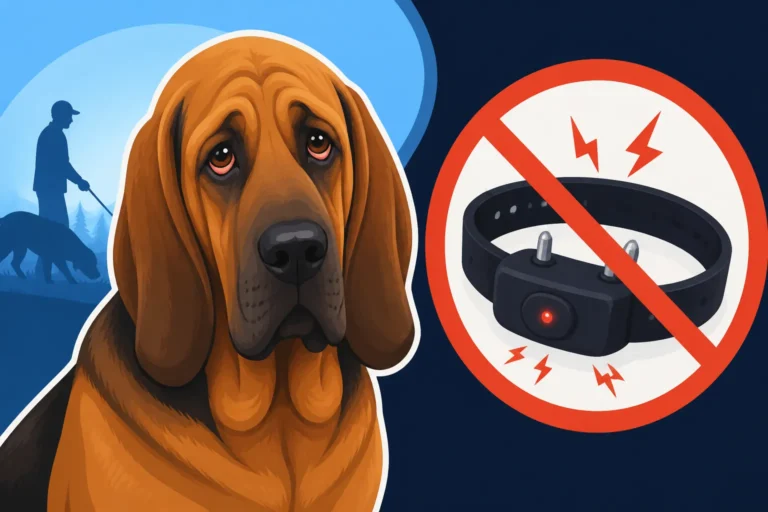
Electric collars harm Bloodhounds because their scent drive and independent nature require positive, trusting relationships instead.
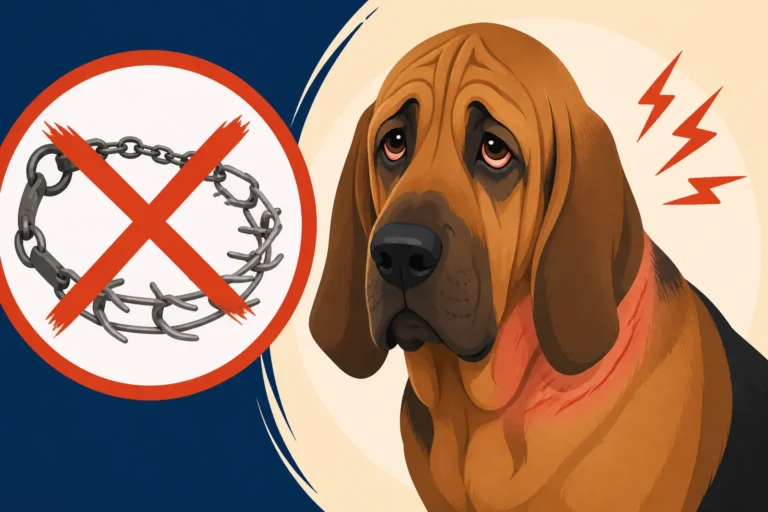
Prong collars harm Bloodhounds because loose neck skin and intense scent drives make physical corrections painful and ineffective.
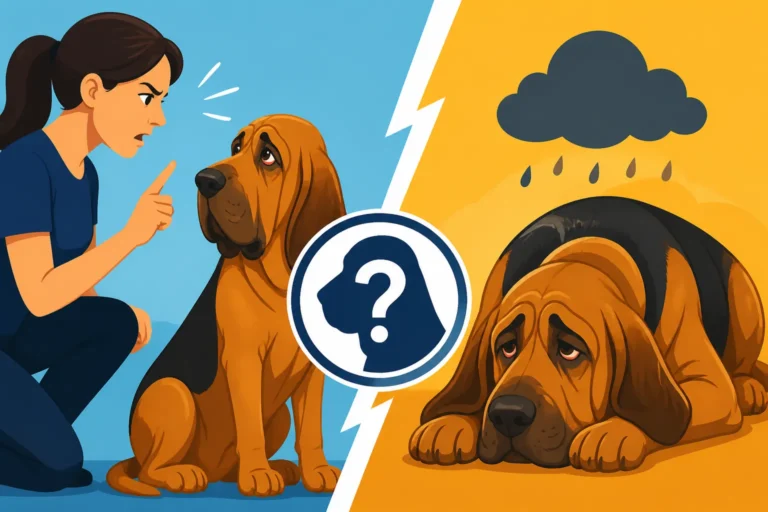
Bloodhound behavior after a correction reveals how scent hounds process feedback, confusion, and mild stress differently.
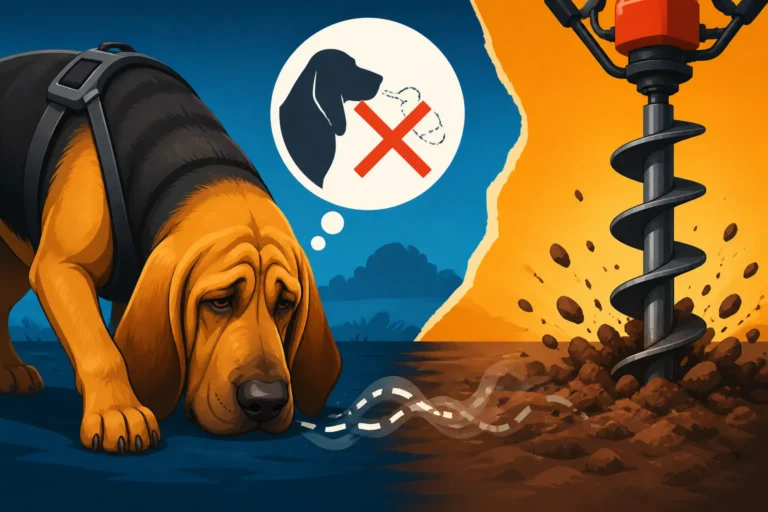
Traditional drill-based training fails because scent-driven Bloodhounds process sensory information differently than other dogs.

Bloodhound attention span depends heavily on scent drive rather than obedience, making traditional tasks difficult in distracting environments.

Bloodhound behavior reflects an innate tracking drive and hundreds of millions of olfactory receptors rather than stubborn disobedience.

Standard obedience metrics fail to measure the scent-driven intelligence, tracking abilities, and unique mindset of the Bloodhound.

Stanley Coren obedience rankings place Bloodhounds lower because tests measure working intelligence rather than independent scent tracking.
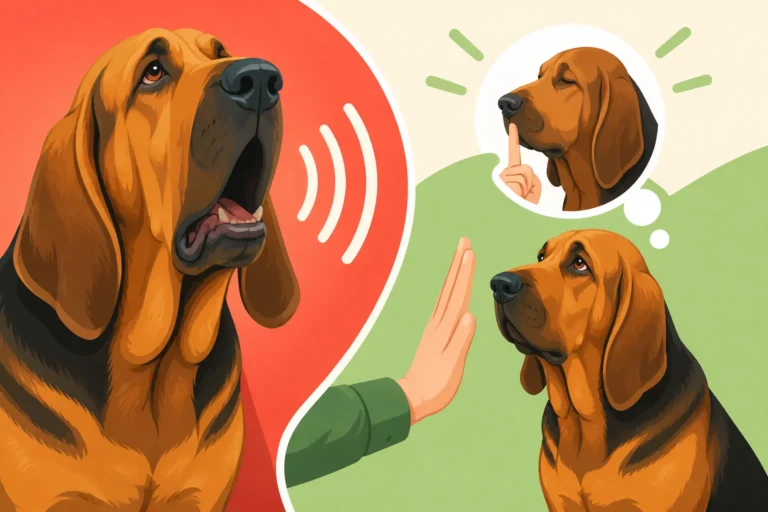
Teaching a Bloodhound a quiet cue involves realistic expectations and strategies for managing their natural baying instinct.
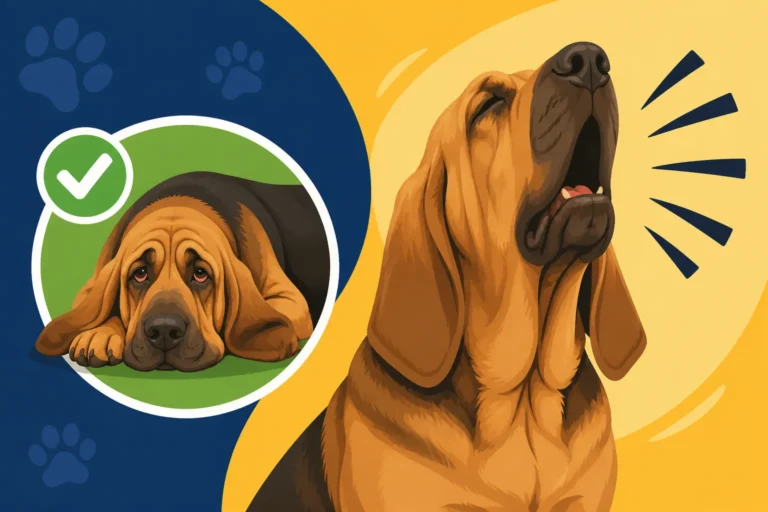
Bloodhound whining causes and management strategies help owners distinguish normal communication from problematic behavior and reduce vocalization.