Whether a Bloodhound’s Neck Roll Needs Daily Attention
Bloodhound neck roll care requires daily attention because deep skin folds trap moisture and debris that cause infections.
Know what to watch for.
Breed-specific conditions, screening and DNA tests, what surgery actually costs, and the daily habits that stretch a healthy lifespan.
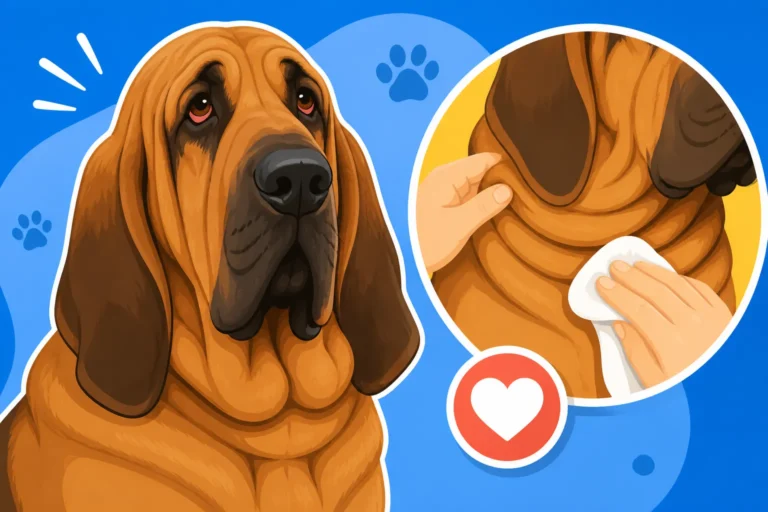
Bloodhound neck roll care requires daily attention because deep skin folds trap moisture and debris that cause infections.
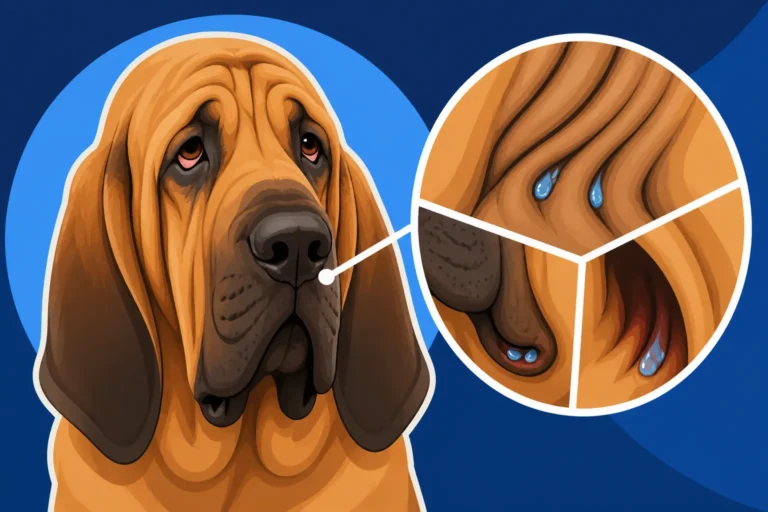
Bloodhound skin folds trap moisture first in heavy jowls, long ears, and neck wrinkles, leading to skin inflammation and bacterial or yeast infections.
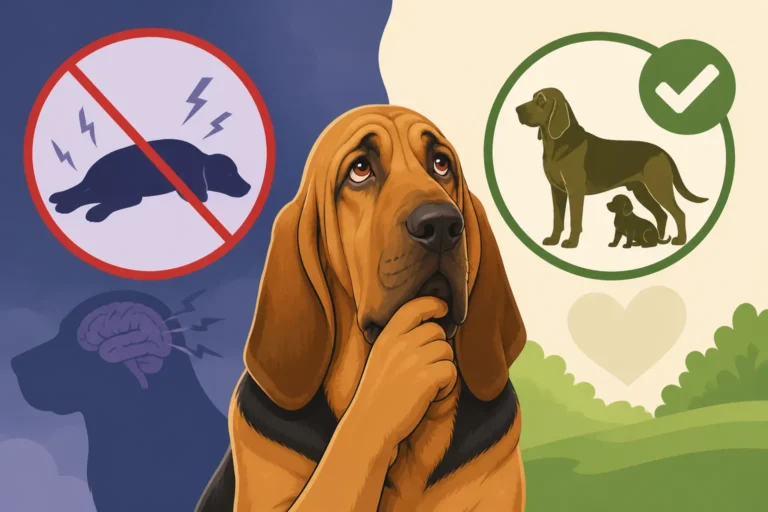
Breeding a Bloodhound after a seizure involves evaluating health and ethical implications, including idiopathic epilepsy and genetic risks.
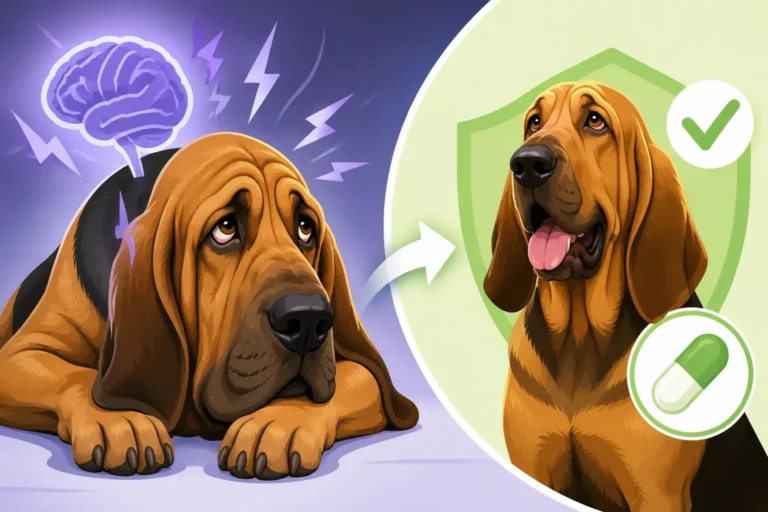
Bloodhound seizures and their management options are explained, detailing idiopathic epilepsy causes, seizure types, and veterinary treatment plans.
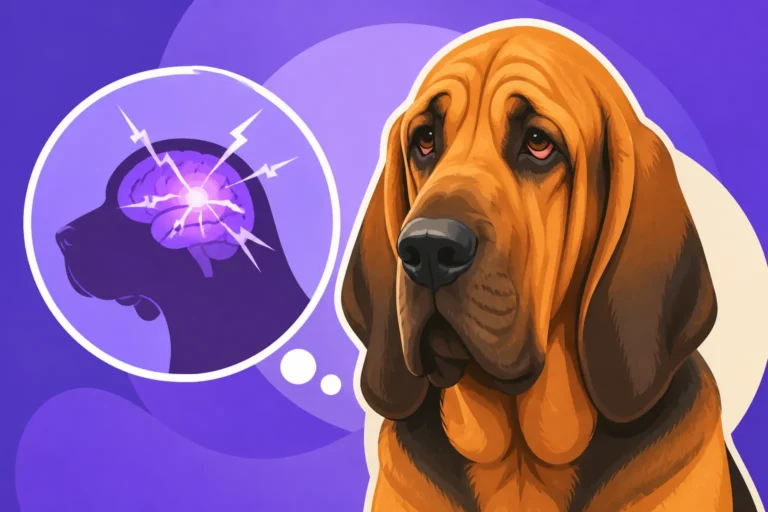
Bloodhound seizures usually stem from abnormal electrical brain activity causing sudden collapsing, shaking, and temporary loss of consciousness.
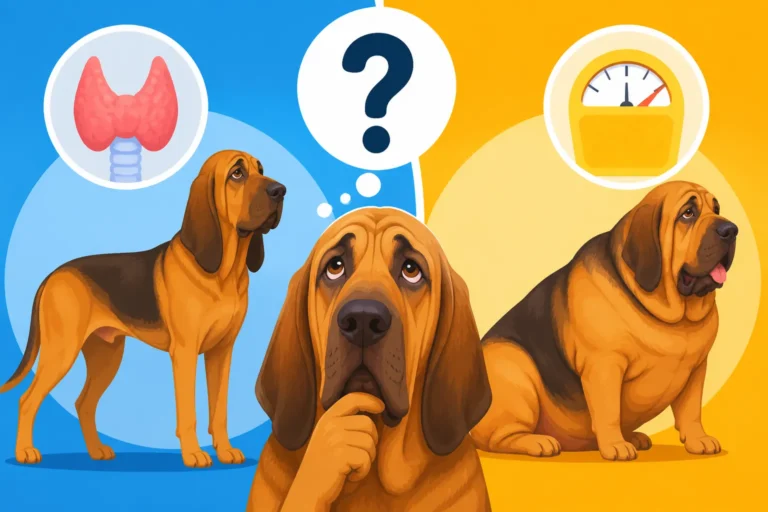
Hypothyroidism in Bloodhounds slows metabolism and causes unexplained weight gain, making calorie restriction and standard diet changes ineffective.
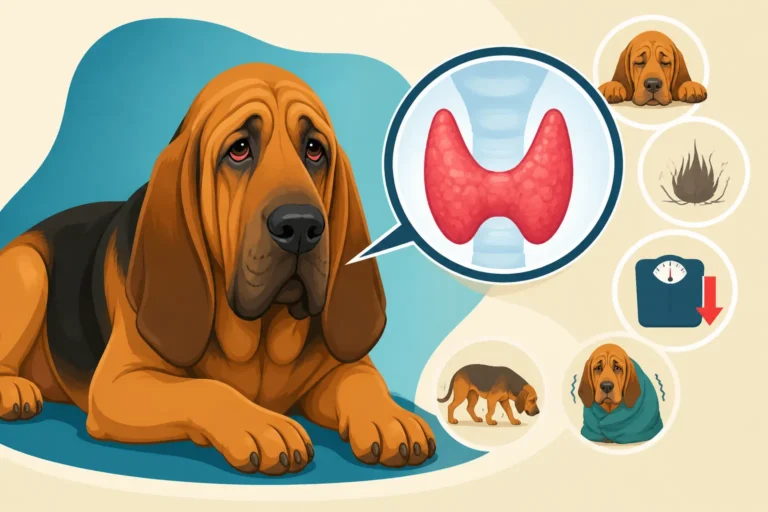
Hypothyroidism signs in Bloodhounds include a duller coat, increased tiredness, and subtle changes that owners often mistake for normal aging.
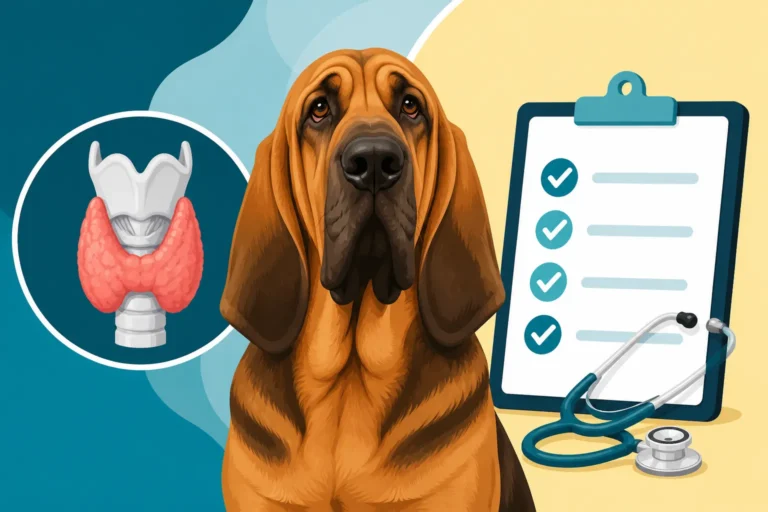
Bloodhound annual thyroid testing helps detect hypothyroidism early, prevents severe health complications, and tracks hormone levels over time.
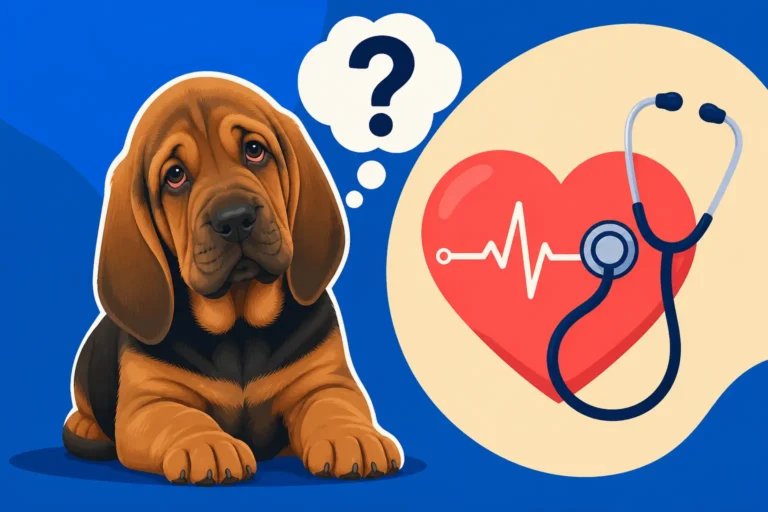
A bloodhound puppy heart murmur can be innocent or pathological, and veterinarians grade these sounds from grade one to six.
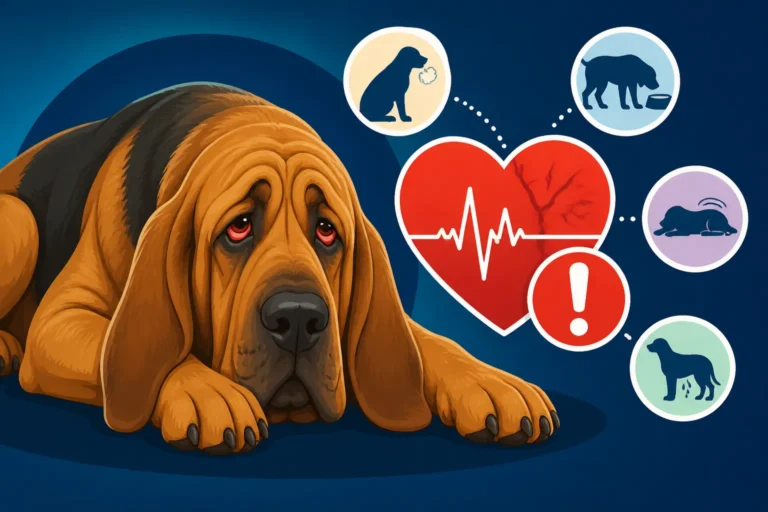
Bloodhound heart failure signs include reduced stamina, exercise intolerance, and persistent coughing that worsens at night.