When an Adolescent Bloodhound Stops Listening
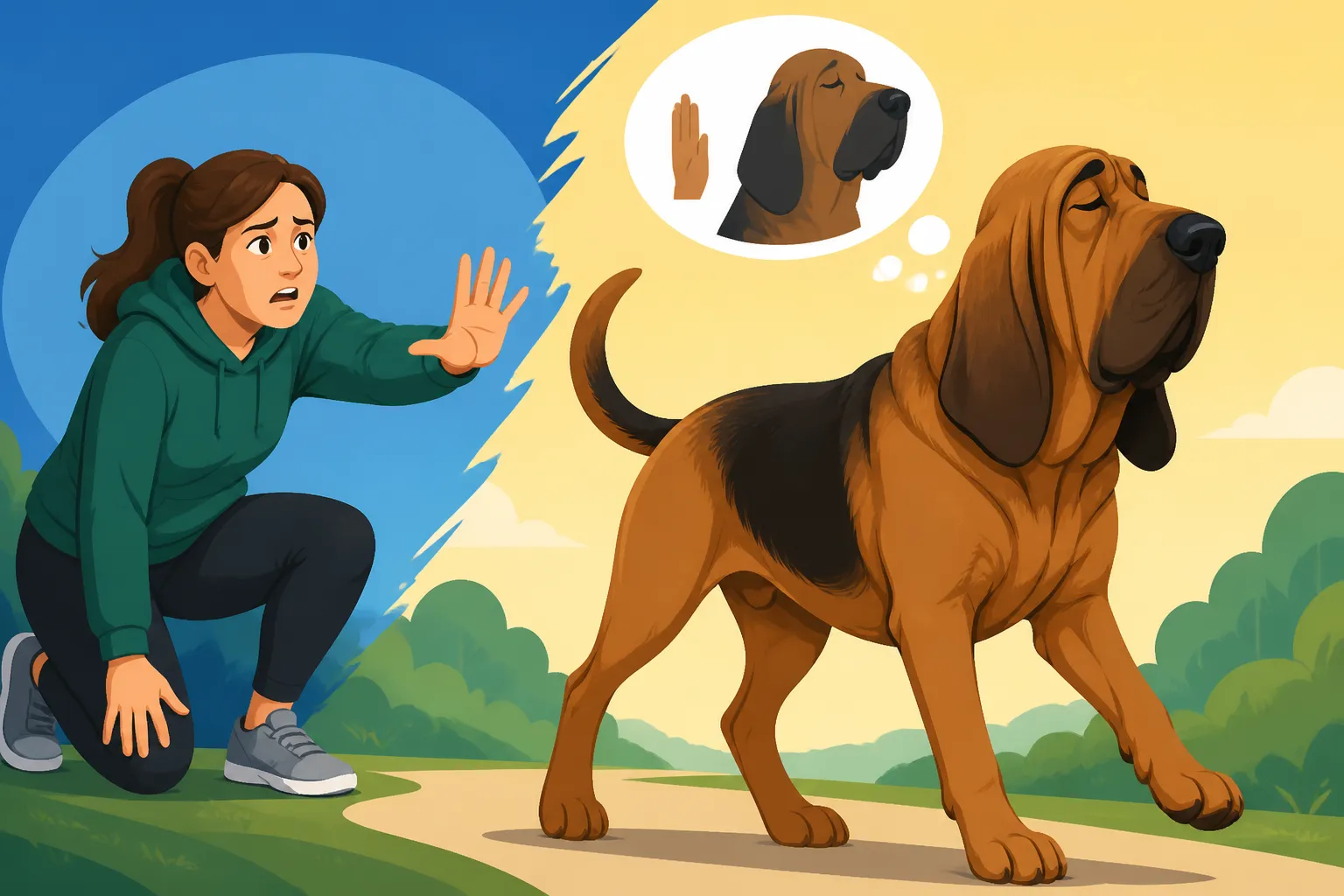
That moment hits many Bloodhound owners: your sweet, attentive puppy, who once followed you everywhere, suddenly seems to have developed selective hearing. They're a teenager now, full of hormones and an overwhelming desire to explore the world with that incredible nose, and your calls feel like mere suggestions. This guide will walk you through the often frustrating, yet entirely normal, phase of Bloodhound adolescence, helping you understand why your hound seems to have stopped listening and how to navigate this challenging but rewarding period.
Understanding Bloodhound Adolescence: More Than Just "Bad Behavior"
The transition from a bumbling, eager-to-please puppy to a full-grown, independent adolescent Bloodhound can feel like a switch has been flipped. One day you have a dog that mostly listens, and the next, you're wondering if you accidentally swapped dogs. It's easy to label this as "stubbornness" or "defiance," but for a Bloodhound, it's a complex blend of biological development, an intensifying natural drive, and a newfound confidence that comes with maturity.
Think of it like human teenagers: their brains are undergoing massive changes, their hormones are surging, and their world expands beyond their immediate family. For a Bloodhound, this means their already powerful scenting ability becomes even more compelling, their physical endurance grows, and they start to test boundaries and explore their environment with an unparalleled focus. They aren't trying to be difficult; they're simply becoming the magnificent, independent scent hounds they were bred to be, often to your exasperation. This period, usually between 6 and 18 months, is crucial for setting expectations and reinforcing good habits, even when it feels like you're talking to a brick wall.
The Developing Bloodhound Brain
During adolescence, a Bloodhound's brain is still maturing, particularly the frontal cortex responsible for impulse control and decision-making. What this means in practice is that while your Bloodhound might know a command, their ability to execute it when faced with overwhelming stimuli – like a fascinating scent trail – is severely compromised. They're not deliberately ignoring you; their brain simply prioritizes the immediate, primal urge to follow a scent over your verbal cue. It's a physiological reality that their scent drive is becoming more dominant, making it harder for them to disengage from what their nose is telling them.
This developmental stage also brings a shift in how they perceive rewards and consequences. What worked wonders for your puppy might now barely register with your adolescent. The stakes are higher, the distractions are grander, and you, their primary source of attention and food, are suddenly competing with the entire olfactory landscape of the neighborhood. Understanding that this isn't personal, but rather a stage of development, can help you adjust your expectations and approach. It requires a lot of patience and a willingness to re-teach and reinforce, almost as if you're starting from scratch on certain commands. Many owners find themselves asking How Long a Bloodhound Takes to Learn Something New during this period.
Hormonal Shifts and Their Impact
Along with brain development, adolescence brings significant hormonal changes. If your Bloodhound isn't spayed or neutered, these hormones can drive new behaviors like marking, increased interest in other dogs, or even heightened protective instincts. Even if they are altered, the general hormonal surges associated with growing up can contribute to increased energy levels, restlessness, and a bolder approach to the world.
These hormonal changes can manifest as a shorter attention span, a greater desire to roam, and a general "busyness" that makes them seem less inclined to settle or focus on you. A male Bloodhound, for instance, might become acutely aware of female dogs in heat from miles away, making walks a constant battle against their powerful instincts. A female might experience false pregnancies or heightened anxiety. Understanding these underlying biological forces helps explain why their behavior can seem erratic and why simple obedience cues that once seemed solid now falter. For insights into how these changes can manifest, you might find it useful to read What Neutering Changes in a Bloodhound.
The All-Consuming Nose: Why Your Bloodhound Prioritizes Scent
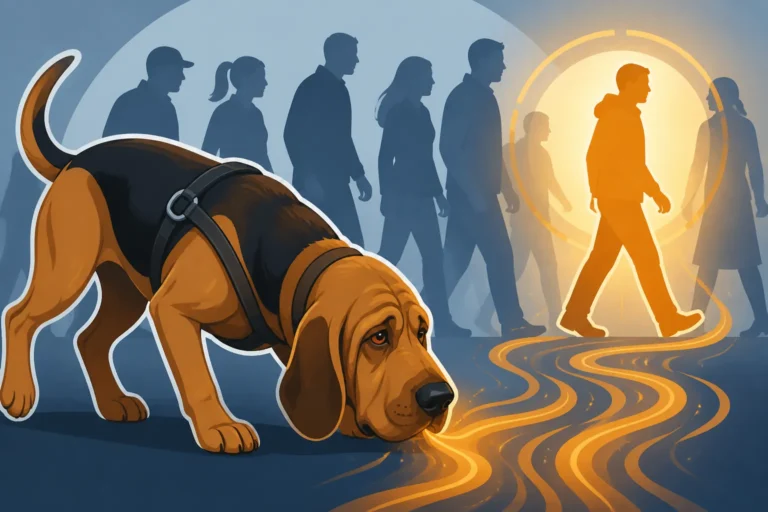
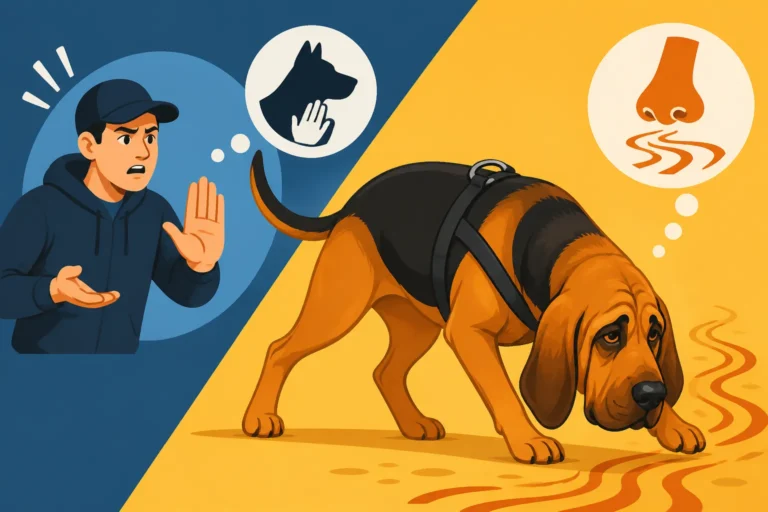
If there's one thing a Bloodhound lives for, it's scent. And during adolescence, that drive becomes an almost irresistible force. It's not just a hobby for them; it's their entire world, their purpose, their art. When your adolescent Bloodhound seems to stop listening, it's often because they've locked onto a scent that, to them, is far more important than anything you could possibly say or offer. Their nose, truly, outvotes their handler every single time. This is a fundamental truth about the breed, and it intensifies dramatically in adolescence.
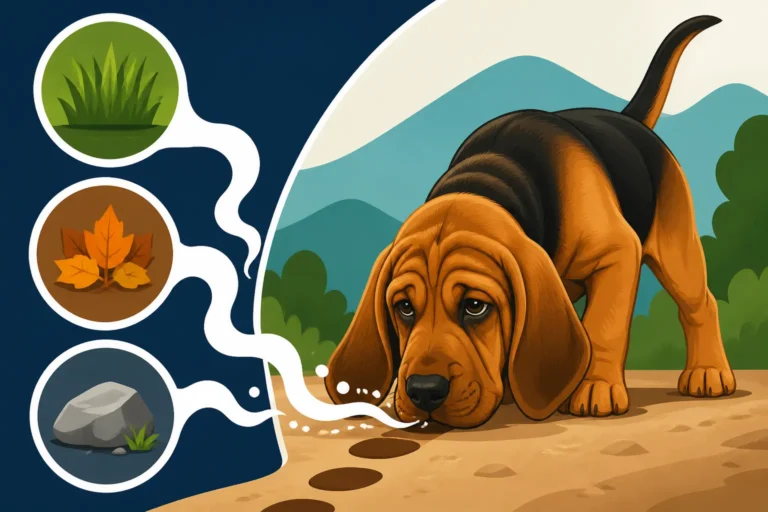
Imagine a world where every single whiff of air tells a story, a narrative of who passed by, what they ate, where they're going, and how long ago they were there. That's your Bloodhound's reality. When they hit adolescence, their brains become even more adept at processing these stories, and the compulsion to follow them, to uncover their ending, becomes overwhelming. It's not defiance, it's destiny.
The Irresistible Call of the Trail
Your Bloodhound isn't being "stubborn" when they pull on the leash, deaf to your pleas, their nose glued to the ground. They are simply doing what they were genetically engineered to do for centuries: trail. Every discarded fast-food wrapper, every squirrel that darted across the path, every human footstep—it all presents a fresh, compelling mystery. For an adolescent Bloodhound, the thrill of the chase, even if it's just a phantom scent, is an almost impossible urge to resist. They have an innate sense of What a Bloodhound Is Actually Smelling on a Trail, and that information takes precedence.
This is why traditional obedience training often struggles with Bloodhounds, especially outdoors. A "stay" or "come" cue holds little weight against the rich tapestry of odors they are experiencing. It’s why we often say Mantrailing Is the Answer to a Bloodhound, Not Obedience because it channels this innate drive rather than fighting against it. When they are focused on a trail, their physical presence might be with you, but their mind is miles away, following the intricate paths of scent molecules. This single-minded focus is what makes them exceptional trackers, but it can make them incredibly challenging pets if not understood and managed properly.
Managing the Drive: When Off-Leash is a Dream, Not a Reality
Given their powerful drive and focus on scent, the idea of an adolescent Bloodhound ever being reliably off-leash in an unfenced area is, frankly, a dangerous fantasy for most owners. Their nose will always be their guide, and it can lead them far afield, often directly into traffic or hazardous situations. The common lament of Bloodhound owners—"they just took off!"—is not about defiance, but about an overwhelming instinct that temporarily overrides all training and attachment.
Even if your puppy had moments of decent recall in a secure area, that often evaporates in adolescence. The world outside the garden fence offers too many tantalizing opportunities. This is why strict management is absolutely non-negotiable for Bloodhounds. Secure fencing, always being on a leash or long line in unfenced areas, and microchipping are not suggestions; they are vital necessities. Accepting that Why Off Leash Is Not a Goal With a Bloodhound is a fundamental truth for the breed will save you a lot of heartache and potential danger. Tools like GPS trackers, easily found on platforms like Amazon, are also wise investments for any Bloodhound owner, offering a sliver of peace of mind.
Re-establishing Connection and Communication During Adolescence
So, your adolescent Bloodhound is a scent-driven, hormone-fueled teenager who seems to have forgotten everything you taught them. Don't despair! This phase, while challenging, is also an opportunity to build a deeper, more resilient relationship based on understanding their unique nature. It's about adjusting your expectations and your training methods to align with who your Bloodhound truly is, rather than trying to force them into a mold that doesn't fit.
The key is consistency, making yourself the most rewarding thing in their environment, and channeling their natural instincts into appropriate outlets. This isn't about breaking their spirit or suppressing their nose; it's about teaching them that listening to you can be just as, if not more, rewarding than following that elusive scent.
Becoming the Most Interesting Thing in Their World
When your Bloodhound's world expands in adolescence, you need to step up your game to remain relevant and engaging. This means becoming the source of all good things—not just food, but fun, games, and interesting activities.
- High-Value Rewards: Forget basic kibble. For an adolescent Bloodhound, you need rewards that can compete with the outside world. Think cooked chicken, cheese, hot dogs, or especially smelly, soft training treats. These are the "currency" that will buy their attention when distractions are high.
- Engaging Training Sessions: Keep training short, fun, and unpredictable. Instead of drilling "sit" twenty times in a row, mix it up. Practice recalls while playing fetch, or incorporate brief obedience cues into a game of hide-and-seek. The goal is to make listening to you a joyful, exciting experience. Consider investing in a good quality treat pouch, easily available on Amazon, to keep your high-value rewards at the ready.
- Interactive Play: Tug-of-war, fetch, or even just silly games in the yard can strengthen your bond and remind your Bloodhound that you're fun to be around. These games can be crucial for a Bloodhound who might otherwise spend What a Bloodhound Does With an Empty Afternoon getting into trouble.
Management Tools and Training Techniques
Since you can't rely on perfect recall, especially outdoors, effective management is your best friend during Bloodhound adolescence. These tools and techniques are not about control for control's sake, but about keeping your Bloodhound safe and setting them up for success.
- Long Lines: A long line (15-30 feet) is indispensable. It allows your Bloodhound to explore a wider area safely, giving them a taste of "freedom" while you maintain control. It's also an excellent tool for practicing recalls in a controlled environment. A strong, durable long line is an essential purchase, and you can find many options online. Read Whether a Long Line Replaces Off Leash for a Bloodhound for more details on its utility.
- Structured Walks: Instead of letting your Bloodhound pull you down the street, engage them. Stop, change direction, ask for sits, and reward heavily for any attention given to you. Make the walk a collaborative experience, not just a journey from point A to point B.
- Scent Work/Mantrailing: This is where Bloodhounds truly shine. Channeling their natural instincts into structured scent work can be incredibly fulfilling for them and you. It mentally exhausts them in a way a physical walk never can. Joining a local trailing club or enrolling in an online program can provide guidance. This positive outlet helps satisfy their inherent drive, potentially reducing their need to "self-employ" on random scents during walks. For owners looking for a structured approach, online training platforms often incorporate scent work elements, and some even have specific modules for challenging adolescent phases, much like a program such as BAXTER & Bella.
- Consistency is King: Everyone in the household needs to be on the same page with commands, expectations, and rewards. Inconsistency is confusing for a Bloodhound and can lead them to believe that rules are optional. Regular, short training sessions, even just 5-10 minutes a few times a day, are far more effective than infrequent, long, frustrating ones. Programs like BAXTER & Bella can help establish this consistency with their step-by-step guides.
| Adolescent Bloodhound Behavior | Underlying Cause (Bloodhound Specific) | Effective Response Strategy |
|---|---|---|
| Pulling on leash, nose glued to ground | Intense scent drive overrides all else, brain prioritizes trailing. | Use a no-pull harness, practice 'check-ins' with high-value treats, incorporate structured scent work. |
| Ignoring "Come!" cue | Distractions (scents, sights) are more rewarding than handler. | Practice recalls on a long line in low-distraction environments, use a happy, exciting tone, massive rewards. |
| Mouthing, chewing inappropriately | Exploring environment, energy outlet, boredom. | Provide appropriate chew toys, increase mental stimulation (puzzle toys), redirect firmly. |
| Increased baying/vocalization | Expressing excitement, boredom, anxiety, communicating discoveries. | Identify trigger, teach a "quiet" cue (if appropriate), ensure sufficient mental and physical exercise. |
| "Zoomies" or sudden bursts of energy | Hormonal surges, excess energy, need for physical release. | Provide safe outlets for running (fenced yard, long line), structured play sessions. |
| Selective hearing (indoors) | Testing boundaries, competing for attention with other household stimuli. | Ensure all commands are followed through, reduce environmental distractions during training, consistent reinforcement. |
When to Seek Professional Guidance for Your Adolescent Bloodhound
While the adolescent phase is a normal part of your Bloodhound's development, sometimes behaviors can become overwhelming, persistent, or even unsafe. There's absolutely no shame in seeking professional help; in fact, it's often the smartest thing you can do for both your sanity and your Bloodhound's well-being. A fresh pair of eyes from someone experienced with scent hounds can make all the difference.
Knowing when to call in a pro means understanding the line between typical "teenager" antics and behaviors that might indicate a deeper issue or simply require more expert intervention than you can provide on your own. Remember, a Bloodhound's natural tendencies are powerful, and sometimes you need specialized knowledge to work with them effectively.
Persistent "Deafness" or Extreme Distractibility
If your Bloodhound consistently ignores commands, even with high-value treats and minimal distractions, or if their focus on scent is so intense that it's genuinely dangerous (e.g., they regularly bolt towards busy roads despite being on a leash), it might be time for professional help. A good trainer can help you refine your techniques, find even higher-value motivators, and teach you how to make yourself more compelling than the environment. They can often spot subtle cues you're missing or suggest strategies for improving your Bloodhound's ability to focus in challenging situations. They might suggest specific scent games that truly engage your Bloodhound, as described in What a Bloodhound Will Work For.
Sometimes, what appears as stubbornness is simply a communication breakdown. An experienced trainer can help you bridge that gap, teaching you to speak "Bloodhound" more fluently, and helping your Bloodhound understand your expectations more clearly. They can also provide a realistic assessment of your dog's progress and help manage your expectations for a breed that is famously independent.
Escalating Behavioral Issues
While some mischief is normal, escalating behaviors like excessive destructive chewing (beyond normal adolescent exploration), persistent anxiety, aggression towards other dogs or people, or extreme resource guarding are red flags. These are not typical adolescent quirks and warrant immediate professional attention. A certified professional dog trainer or a veterinary behaviorist can help identify the root cause of these behaviors and develop a tailored modification plan.
It's important to differentiate between a Bloodhound being "busy" or "stubborn" (as discussed in Whether a Bloodhound Is Stubborn or Just Busy) and truly problematic behavior. If your Bloodhound's antics are consistently disrupting your household, causing stress, or posing a risk to themselves or others, don't hesitate. Early intervention is always best for addressing behavioral challenges. Many trainers have experience with large, driven breeds, and some specialize in scent hounds, understanding their unique motivations.
Finding the Right Professional
When looking for help, seek out trainers who use positive reinforcement methods and have experience with scent hounds or other independent, high-drive breeds. Avoid anyone who suggests harsh corrections, punishment-based methods, or tools like prong or e-collars, as these can damage your relationship with your Bloodhound and often exacerbate behavioral issues, especially with sensitive breeds.
Look for certifications from reputable organizations, and don't be afraid to ask for references or observe a class before committing. A good professional will partner with you, empower you with knowledge, and provide ongoing support as you navigate your Bloodhound's journey through adolescence and beyond. They can also help you develop a routine that includes activities like scent games and trailing, which are vital for a Bloodhound's mental well-being and can dramatically improve their overall responsiveness.
Disclaimer
This article is for general informational purposes only and does not constitute professional advice. Laws, prices and regulations vary by location and change over time. Consult a qualified professional for guidance on your specific situation.