Whether Two Bloodhounds Are Easier Than One
Many Bloodhound owners, or those considering bringing one of these magnificent hounds into their lives, often find themselves pondering if the companionship of a second Bloodhound would be a blessing or a double dose of chaos. The romantic idea of two floppy-eared companions snuggled up or playing gleefully can be incredibly appealing, but the practical reality of managing two large, independent, and scent-driven dogs is a complex equation. This guide will help you unpack the unique challenges, unexpected joys, and practical considerations involved in having two Bloodhounds, offering a realistic perspective to help you make an informed decision.
The Myth and Reality of "Two Being Easier"
It's a common refrain among dog owners: "Two dogs are easier than one because they entertain each other." While there's a kernel of truth to this for some breeds, the Bloodhound's unique nature often flips this script. The expectation that a second hound will magically solve energy issues or provide constant, quiet companionship isn't always met.
Why the "Two is Easier" Idea Persists
For many social dog breeds, particularly those bred for pack living or high energy, a second dog can indeed alleviate boredom, reduce destructive behaviors, and even make training easier due to observational learning. They might play together, nap together, and generally keep each other company during the times you're busy or away. This shared activity can sometimes translate into a calmer single dog, simply because its social and physical needs are being met by a canine companion. People envision less individual attention being required because the dogs are self-sufficient in their interaction.
However, it's crucial to remember that this ideal scenario hinges on specific breed characteristics and individual personalities. What works for a pair of Labrador Retrievers or Beagles might not hold true for two Bloodhounds, whose drives and temperaments are wired a bit differently.
The Bloodhound's Independent Nature
Bloodhounds, while incredibly affectionate with their people, also possess a strong independent streak, particularly when their nose takes over. They are not always "playmates" in the traditional sense, especially if their individual scent interests diverge. They were bred to work a trail, often alone or with minimal human intervention once on a scent, and this deep-seated drive means their primary focus can shift from social interaction to environmental investigation in an instant.
You might find one Bloodhound deeply engrossed in a scent on a walk while the other is more interested in greeting a passerby, leading to different paces and needs. Their famous "stubbornness" isn't defiance; it's often a single-minded dedication to a scent. Multiply that by two, and you have two powerful forces of nature, each potentially pulling in different directions or ignoring your cues because their olfactory world has taken precedence. Why a Bloodhound Ignores a Cue It Knows speaks volumes to this. This independence, while endearing, can make managing two simultaneously in certain situations more challenging, not less.
Early Socialization vs. Adult Companionship
Bringing a second Bloodhound into your home requires careful thought about the existing dog's personality and the age difference. If you're getting two puppies at once, you run the risk of "littermate syndrome," where the pups bond so intensely with each other that they struggle to bond with humans or develop independent coping skills. This can lead to anxiety when separated, aggression towards other dogs, or difficulty in individual training.
Alternatively, introducing a puppy to an adult Bloodhound can go wonderfully, with the older dog teaching the younger one the ropes. But it can also be a disaster if the adult isn't tolerant of puppy antics or if the puppy constantly annoys the older, more sedate hound. An existing adult Bloodhound, especially one that has been an "only child" for years, might not appreciate sharing its space, resources, or your attention. Their acceptance isn't guaranteed; some Bloodhounds thrive on canine companionship, while others are perfectly content with just their humans and a good sniff.
Doubling Down: The Unique Challenges of Two Bloodhounds
While the thought of two Bloodhounds can fill your heart, it's essential to approach this decision with a clear understanding that many aspects of ownership will be amplified, not halved.
Resource Management: Food, Space, and Vet Bills
Let's be blunt: two Bloodhounds mean double the expenditure in almost every category. They are large dogs, and large dogs eat a lot. You'll be buying twice the food, which, for premium large-breed formulas, adds up quickly. They also require durable, large equipment – two giant crates, two heavy-duty harnesses (perhaps from Amazon for a good selection of robust gear), and two extra-long lines for trailing.
Space becomes a premium, even in a seemingly large home. Two Bloodhounds taking up residence on the couch, two sprawling on the living room rug, two trying to occupy the same doorway – it’s a lot of dog. Their long, pendulous ears, while adorable, can be a magnet for dirt, food, and moisture, leading to frequent ear infections. A Bloodhound's Ears Are a Standing Infection Risk is a reality you'll confront, and when you have two, the chances of one of them having an ear issue at any given time can feel constant. Then there are the vet bills. Bloodhounds are predisposed to several health issues like bloat, hip and elbow dysplasia, and various eye problems. The probability of encountering these issues rises significantly with two dogs. A Bloodhound's Money Is Spent in the Operating Room is not an exaggeration; emergency bloat surgery for just one hound is a substantial financial undertaking. Double that risk, and you absolutely need a robust emergency fund or comprehensive pet insurance for both.
Magnified Scent Drive and Management
The Bloodhound's nose is legendary, and that deep-seated drive to follow a scent is perhaps their most defining characteristic. With two Bloodhounds, you now have two incredibly powerful noses, each with its own agenda. On walks, where one might pick up an interesting trail, the other might be off on a completely different scent, creating a complex tangle of leashes and competing interests. Managing this can be incredibly challenging, requiring strong physical control and excellent handling skills. Why Off Leash Is Not a Goal With a Bloodhound is a rule that becomes doubly important with two.
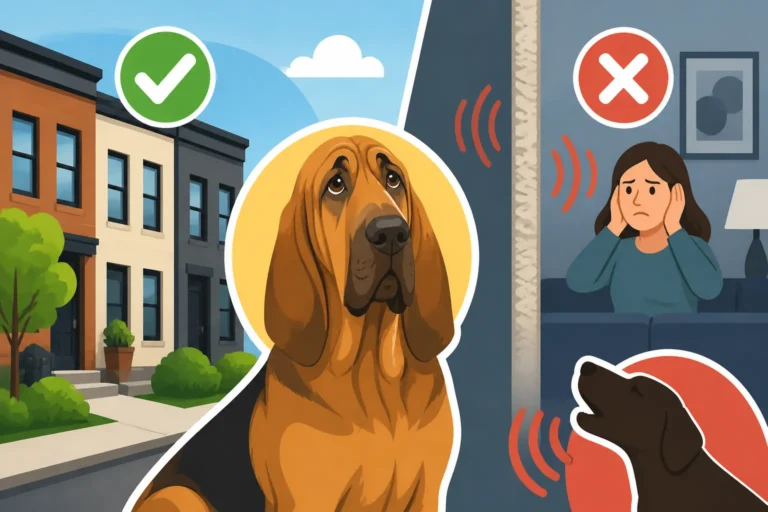
In the house, their olfactory prowess can lead to double the counter-surfing attempts or twice the vigilance required to keep tempting smells out of reach. If one hound alerts to a scent outside – be it a squirrel, a distant deer, or simply an interesting new smell drifting on the breeze – the other is highly likely to join in the baying. This can lead to a chorus that might test even the most tolerant neighbors. The Baying a Bloodhound Cannot Be Trained Out Of is a fact of life, and two Bloodhounds can make it a louder, more frequent occurrence.
Training and Attention Demands
While some people hope a second dog will simplify training, with Bloodhounds, it often doubles the effort. Each Bloodhound needs individual training sessions, not just group classes. They thrive on one-on-one attention and praise, and they need consistent reinforcement to solidify cues, especially given their independent nature. If you're trying to teach a new behavior, having a second, often curious or distracting, Bloodhound around can make it harder for both dogs to focus. You might find yourself needing to train them separately, which means twice the time commitment.
Consider walking two Bloodhounds: you need to be able to handle two strong dogs simultaneously, especially if they both hit a compelling scent at the same moment. This isn't just a matter of having two leashes; it's about being able to manage two individual wills, each driven by an ancient instinct. Investing in proper training resources, perhaps even an online course like those offered by BAXTER & Bella, can be invaluable for establishing consistent commands and managing two strong personalities.
| Factor | One Bloodhound | Two Bloodhounds |
|---|---|---|
| Time Commitment | Significant; daily training, exercise, grooming. | Doubled; individual attention, staggered walks/training. |
| Financial Cost | High; food, vet, gear, emergency fund. | Extremely high; all costs essentially doubled. |
| Training Difficulty | Moderate to high; independent, scent-driven. | Higher; managing two competing drives and attentions. |
| Social Needs | High; loves family, may prefer human company. | Variable; may enjoy canine company, but individual needs persist. |
| Space Requirements | Large; sprawling indoors, secure yard. | Very large; comfort for two large dogs, extra durable items. |
| "Nose" Management | Constant vigilance on walks. | Double vigilance; risk of tangles and conflicting trails. |
| Vet Care & Emergencies | High probability of common breed issues. | Double the probability; increased financial risk. |
The Unexpected Joys and Benefits
Despite the very real challenges, there's a reason many Bloodhound owners choose to have more than one. There are profound joys and unique benefits that come with a multi-Bloodhound household.
Built-in Companionship and Play
When the stars align, and your Bloodhounds genuinely enjoy each other's company, the companionship they offer each other is truly special. They might engage in long, lumbering play bows, chase each other around the yard with surprising agility, or simply curl up in a giant hound pile for an afternoon nap. This built-in playmate can certainly help burn off some steam, especially on days when the weather isn't cooperating for a long trail. Seeing them interact, especially when they're engaging in their unique brand of clumsy, devoted play, can be incredibly heartwarming.
For periods when you have to be away, knowing they have each other for company can ease your mind. While they won't replace human interaction, a canine friend can provide comfort and reduce loneliness. This is particularly true if one Bloodhound is naturally more anxious; a calm, confident companion can sometimes have a soothing effect.
Learning and Modeling Behavior
Dogs are often excellent teachers for other dogs. A well-trained, calm adult Bloodhound can be a fantastic role model for a new puppy or a recently adopted rescue. The younger or newer dog might learn house rules, appropriate indoor behavior, and even basic manners by observing its older companion. They pick up on routines and expectations faster when another dog is demonstrating the desired behavior.
Conversely, a confident, playful youngster can sometimes bring out a more youthful side in an older, more sedate Bloodhound, encouraging them to move more and engage in play they might have forgotten. This natural mentorship can be a huge asset in shaping the behavior of your new family member, reducing some of the training burden that might otherwise fall entirely on your shoulders. It's a joy to watch them learn from and influence each other.
The Unbeatable Comfort of a Hound Pile
There's something uniquely comforting about a "hound pile." Bloodhounds, for all their size, are often deeply affectionate and enjoy being close to their humans and each other. If you have two, it's not uncommon to find them curled up together, perhaps even draped over you, creating a warm, heavy, and utterly adorable mass of wrinkles and floppy ears.
The quiet snuffles, the contented sighs, and the sheer presence of two such loving creatures can fill a home with an incredible sense of peace and warmth. They become a part of the fabric of your home, and seeing them mutually content, relying on each other for comfort and companionship, is a constant source of quiet joy that makes the extra effort feel worthwhile. It's a unique bond, not just between you and each dog, but between the dogs themselves, a silent language only they share.
Making It Work: Practical Steps for a Multi-Bloodhound Home
Deciding to welcome a second Bloodhound means acknowledging the multiplied commitment. However, with careful planning and realistic expectations, it's absolutely possible to create a harmonious two-Bloodhound household.
Strategic Planning and Preparation
Before you even consider bringing a second Bloodhound home, conduct an honest assessment of your time, finances, and living situation. Do you have the physical space for two large dog beds, two crates (if crate training), and enough room for them to relax without constantly bumping into each other? Can you comfortably afford double the food, routine vet visits, and potentially, emergency care? The Two Surgeries a Bloodhound Owner Should Expect means budgeting for potential issues.
Think about your daily routine. Can you carve out individual training time for each dog, separate walks if needed, and still provide ample individual cuddles and attention? Consider the logistics of walking two Bloodhounds, especially if they are strong pullers or easily distracted by scent. Investing in the right gear, like sturdy leashes and harnesses, is paramount. Many owners find heavy-duty equipment on Amazon to be essential for managing large, powerful hounds. You'll need to consider how to manage their significant drool and shedding – What a Bloodhound Owner Spends on Towels and Cleaner becomes doubly true!
Individualized Training and Attention
While the dogs will interact, it's vital that each Bloodhound maintains a strong bond with you and responds to your cues individually. This means dedicating specific time each day for one-on-one training sessions with each dog, away from the other. This prevents them from becoming overly reliant on each other and ensures they see you as the primary source of guidance and reward. For example, practicing recall or polite leash walking with one dog while the other is securely contained or with another family member is often more effective than trying to manage both at once.
Ensure you provide individual affection and playtime as well. Some Bloodhounds might be more snuggly, while others prefer a good game of tug. Understanding and catering to these individual preferences helps build their confidence and reinforces their unique relationship with you. This also ensures that any potential sibling rivalry over attention is minimized. Resources like BAXTER & Bella can offer tailored training advice that can be applied to individual dogs, even within a multi-dog household.
Managing Logistics: Gear and Grooming
The practicalities of living with two Bloodhounds also need careful consideration. When it comes to feeding, some owners find it beneficial to feed dogs separately to prevent competition or resource guarding. Using slow feeder bowls can help prevent gulping, a factor sometimes associated with bloat, and is a good practice for all Bloodhounds. Feeding a Bloodhound So It Does Not Bloat remains critical for both.
Grooming routines also double. Two pairs of those long, magnificent ears mean twice the ear cleaning, which is a weekly ritual for Bloodhounds to prevent infections. Cleaning a Bloodhound's Ears Every Week for Life is a commitment that multiplies. Two sets of wrinkles mean twice the daily wiping to keep skin folds clean and dry. Consider investing in snoods to keep their ears out of food and water bowls, and perhaps a specialized cleaning setup for easier daily maintenance. A designated "hound zone" for eating and grooming can help keep messes contained and ensure each dog has its own space for these activities.
Disclaimer
This article is for general informational purposes only and does not constitute professional advice. Laws, prices and regulations vary by location and change over time. Consult a qualified professional for guidance on your specific situation.